The Laboratory for Visual Neuroplasticity, Department of Ophthalmology, Massachusetts Eye and Ear Infirmary, Harvard Medical School, Boston, MA.
Translational Vision Lab, Department of Psychology, Northeastern University, Boston, MA.
Semin Pediatr Neurol. 2019 Oct;31:30-40. doi: 10.1016/j.spen.2019.05.006. Epub 2019 May 11.
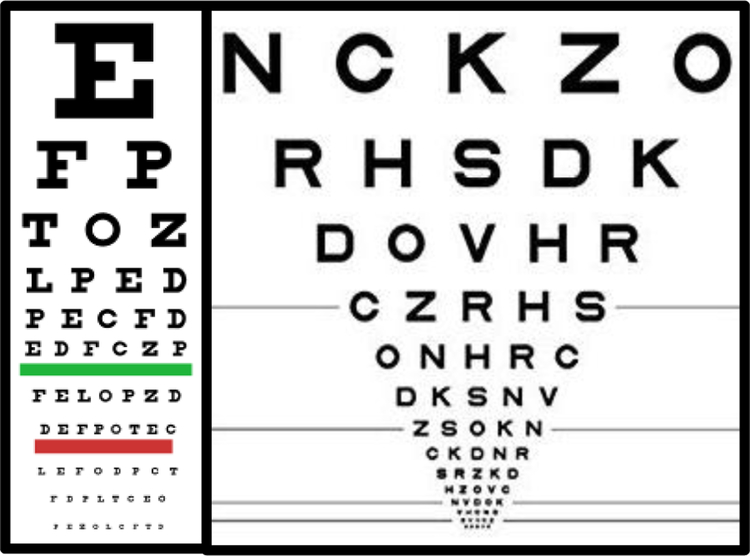
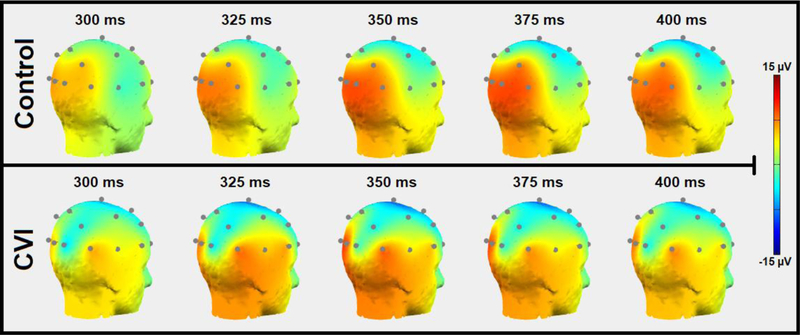
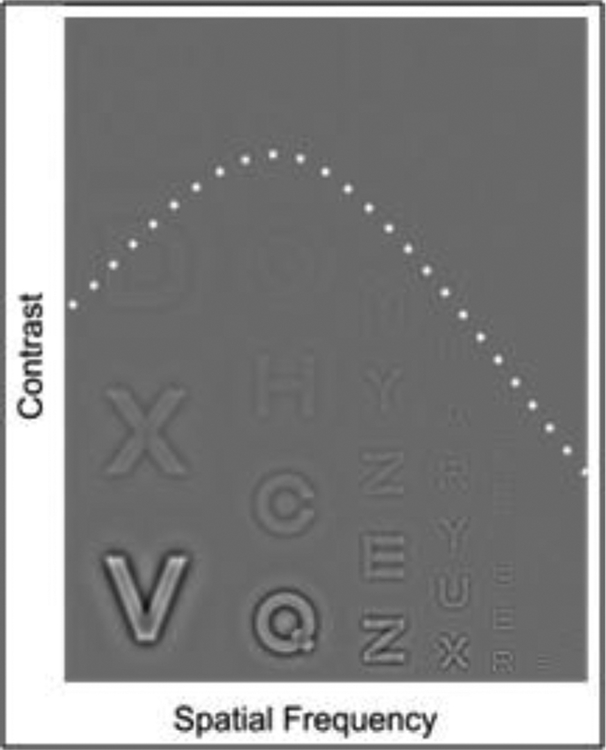
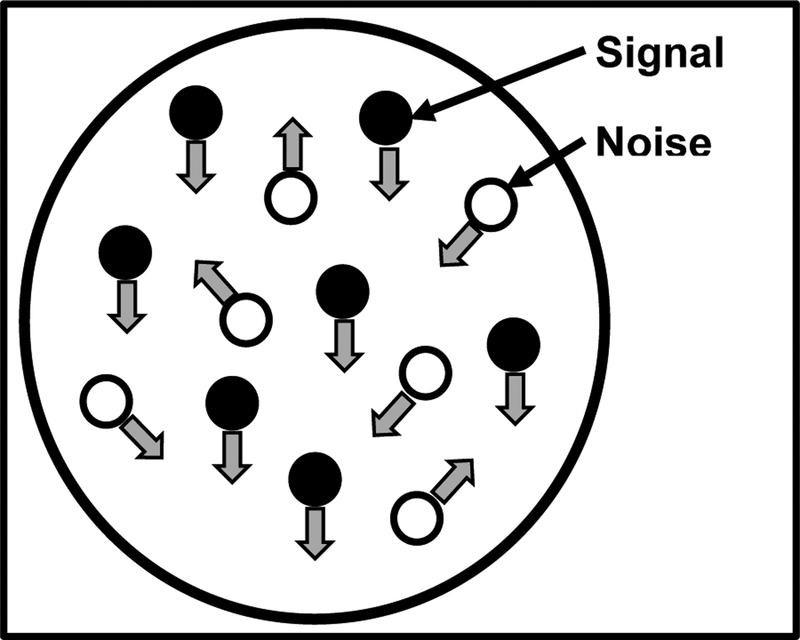
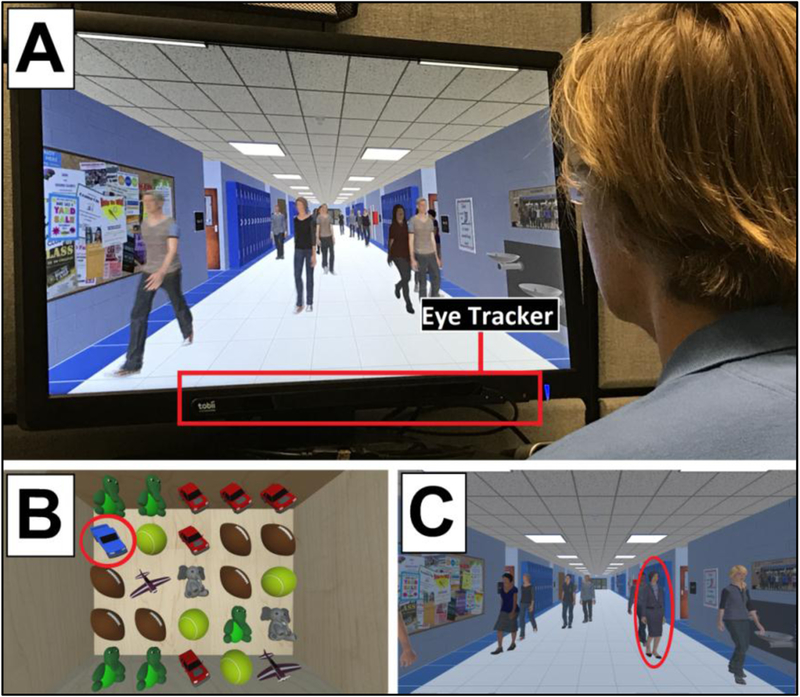
The complete assessment of vision-related abilities should consider visual function (the performance of components of the visual system) and functional vision (visual task-related ability). Assessment methods are highly dependent upon individual characteristics (eg, the presence and type of visual impairment). Typical visual function tests assess factors such as visual acuity, contrast sensitivity, color, depth, and motion perception. These properties each represent an aspect of visual function and may impact an individual's level of functional vision. The goal of any functional vision assessment should be to measure the visual task-related ability under real-world scenarios. Recent technological advancements such as virtual reality can provide new opportunities to improve traditional vision assessments by providing novel objective and ecologically valid measurements of performance, and allowing for the investigation of their neural basis. In this review, visual function and functional vision evaluation approaches are discussed in the context of traditional and novel acquisition methods.
全面的视觉能力评估应考虑视觉功能(视觉系统各组成部分的表现)和功能性视觉(与视觉任务相关的能力)。评估方法高度依赖于个体特征(例如,视觉损伤的存在和类型)。典型的视觉功能测试评估因素包括视力、对比敏感度、颜色、深度和运动感知。这些特性各代表视觉功能的一个方面,可能会影响个体的功能性视觉水平。任何功能性视觉评估的目标都应该是在现实场景下测量与视觉任务相关的能力。虚拟现实等新技术进步可以通过提供新颖的客观和生态有效的性能测量,并允许研究其神经基础,为改进传统的视觉评估提供新的机会。在本文中,我们将在传统和新型采集方法的背景下讨论视觉功能和功能性视觉评估方法。