Selvaraj Anthonymuthu, Jayasree Thangaraj, Valliammai Alaguvel, Pandian Shunmugiah Karutha
Department of Biotechnology, Alagappa University, Karaikudi, India.
Front Microbiol. 2019 Sep 4;10:2027. doi: 10.3389/fmicb.2019.02027. eCollection 2019.
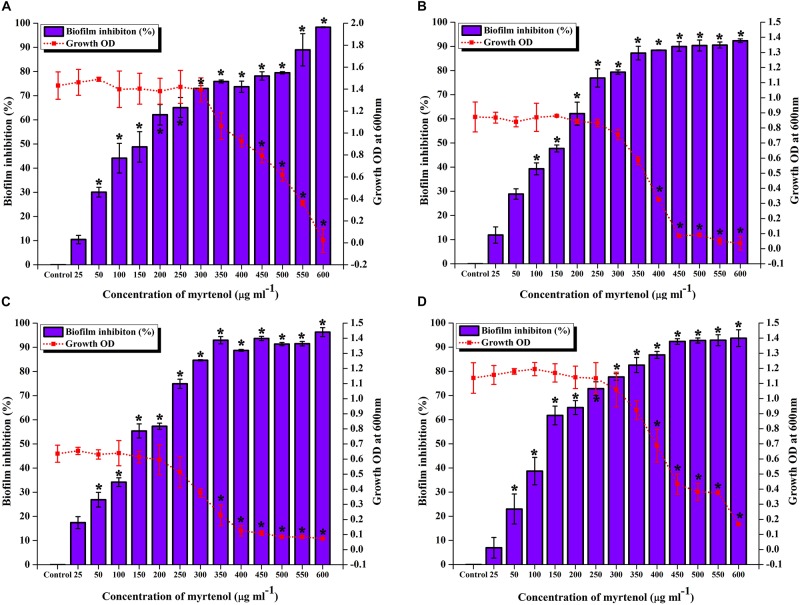
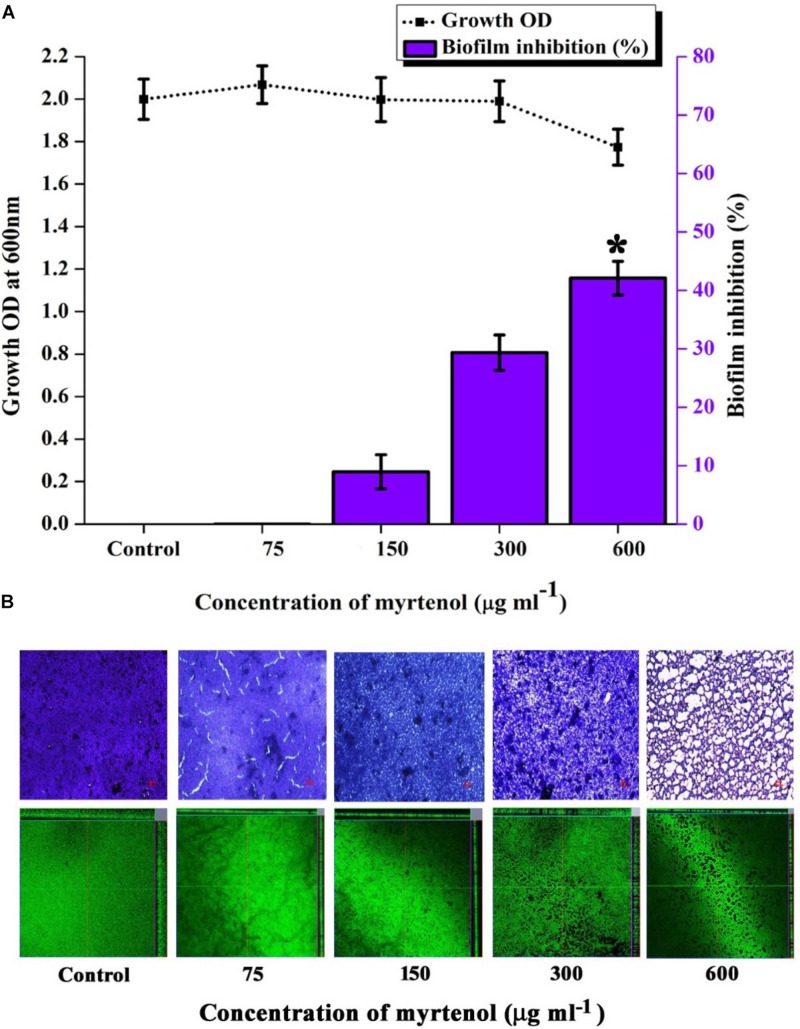
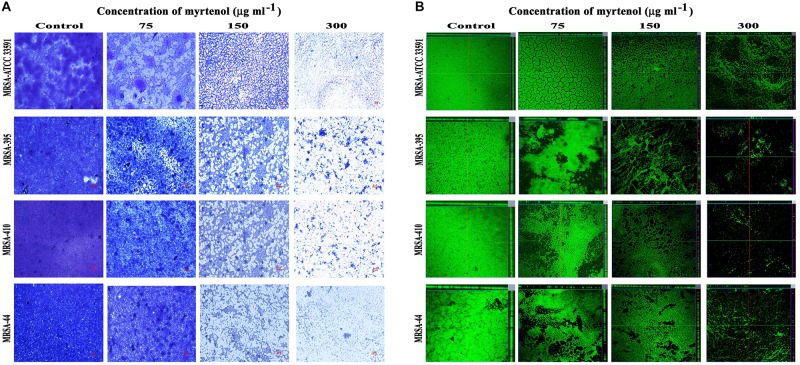
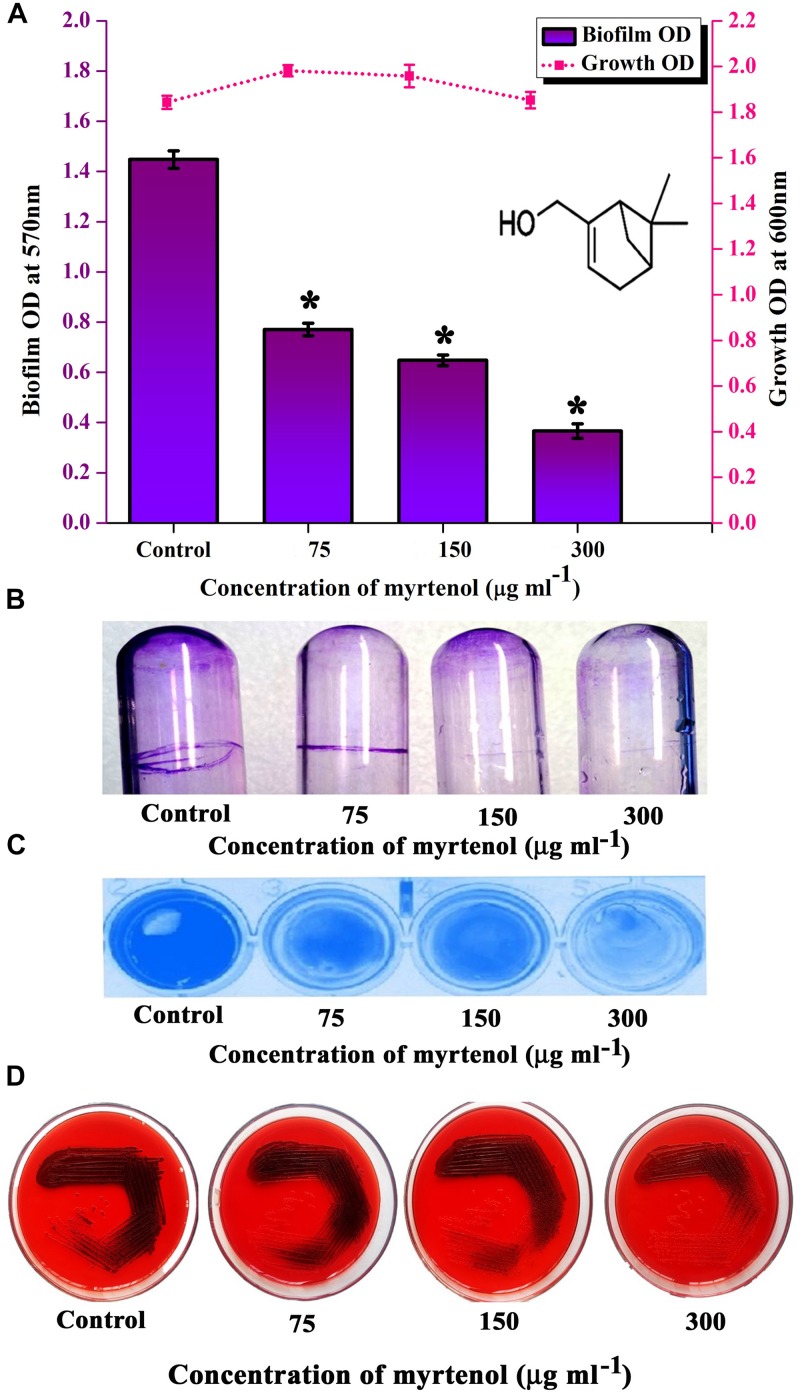
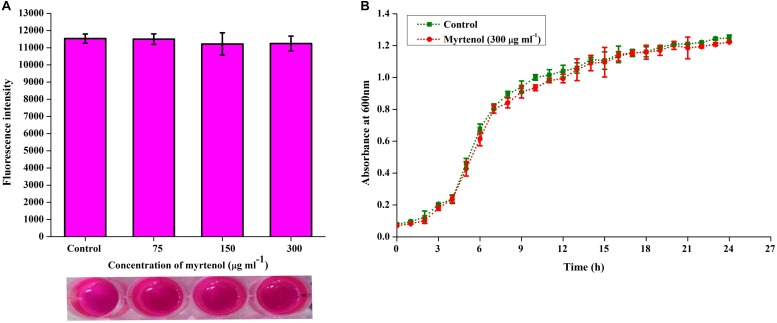
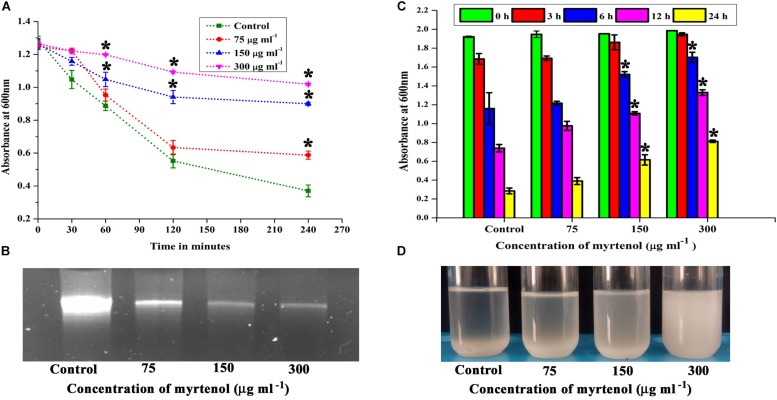
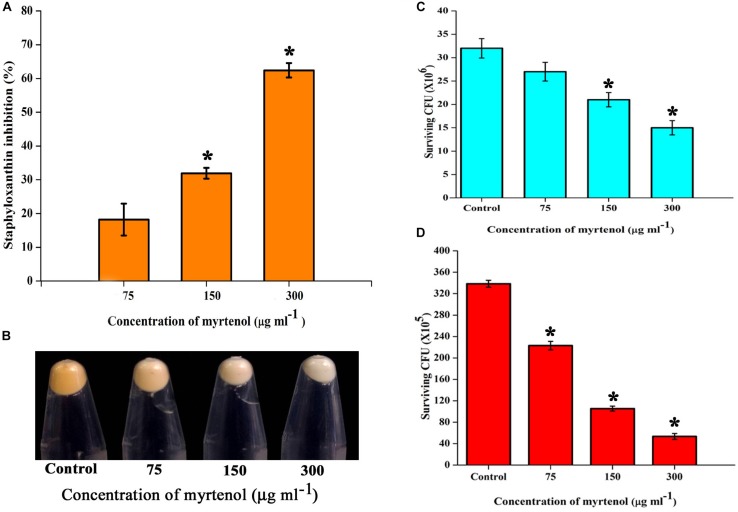
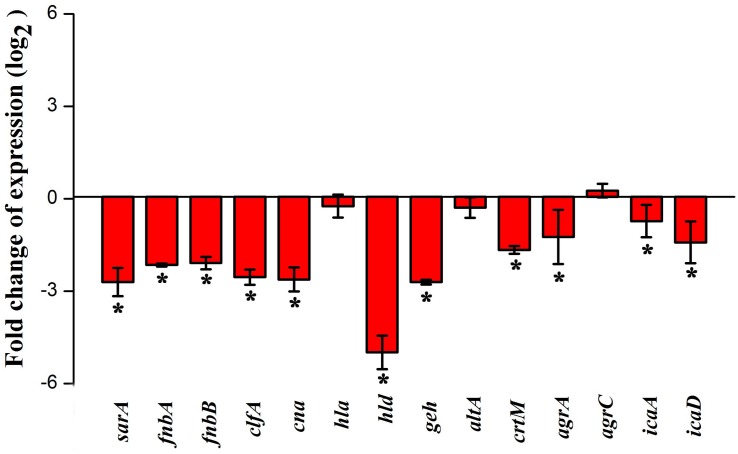
Methicillin-resistant (MRSA) is a deleterious human pathogen responsible for severe morbidity and mortality worldwide. The pathogen has attained high priority in the World Health Organization (WHO) - Multidrug-resistant (MDR) pathogens list. Emerging MDR strains of are clinically challenging due to failure in conventional antibiotic therapy. Biofilm formation is one of the underlying mechanisms behind the antibiotic resistance. Hence, attenuating biofilm formation has become an alternative strategy to control persistent infections. The current study is probably the first that focuses on the antibiofilm and antivirulence potential of myrtenol against MRSA and its clinical isolates. Myrtenol exhibited a concentration-dependent biofilm inhibition without causing any harmful effect on cell growth and viability. Further, microscopic analysis validated the biofilm inhibitory efficacy of myrtenol against MRSA. In addition, myrtenol inhibited the synthesis of major virulence factors including slime, lipase, α-hemolysin, staphyloxanthin and autolysin. Inhibition of staphyloxanthin in turn sensitized the MRSA cells to healthy human blood and hydrogen peroxide (HO). Notably, myrtenol treated cells were deficient in extracellular DNA (eDNA) mediated autoaggregation as eDNA releasing autolysis was impaired by myrtenol. Biofilm disruptive activity on preformed biofilms was observed at concentrations higher than minimum biofilm inhibitory concentration (MBIC) of myrtenol. Also, the non-cytotoxic effect of myrtenol on human peripheral blood mononuclear cell (PBMC) was evidenced by trypan blue and Alamar blue assays. Transcriptional analysis unveiled the down-regulation of global regulator and mediated virulence genes upon myrtenol treatment, which is well correlated with results of phenotypic assays. Thus, the results of the present study revealed the mediated antibiofilm and antivirulence potential of myrtenol against MRSA.
耐甲氧西林金黄色葡萄球菌(MRSA)是一种有害的人类病原体,在全球范围内导致严重的发病率和死亡率。该病原体在世界卫生组织(WHO)的多重耐药(MDR)病原体名单中被列为高度优先关注对象。由于传统抗生素治疗失效,新出现的MDR菌株在临床上具有挑战性。生物膜形成是抗生素耐药背后的潜在机制之一。因此,减弱生物膜形成已成为控制持续性感染的替代策略。当前的研究可能是首个聚焦于桃金娘烯醇对MRSA及其临床分离株的抗生物膜和抗毒力潜力的研究。桃金娘烯醇表现出浓度依赖性的生物膜抑制作用,且对细胞生长和活力没有任何有害影响。此外,显微镜分析证实了桃金娘烯醇对MRSA的生物膜抑制功效。此外,桃金娘烯醇抑制了包括黏液、脂肪酶、α-溶血素、金黄色葡萄球菌素和自溶素在内的主要毒力因子的合成。对金黄色葡萄球菌素的抑制反过来使MRSA细胞对健康人血液和过氧化氢(HO)敏感。值得注意的是,经桃金娘烯醇处理的细胞缺乏细胞外DNA(eDNA)介导的自聚集,因为桃金娘烯醇损害了释放eDNA的自溶作用。在高于桃金娘烯醇最低生物膜抑制浓度(MBIC)的浓度下观察到对预先形成的生物膜的生物膜破坏活性。此外,台盼蓝和alamar蓝试验证明了桃金娘烯醇对人外周血单个核细胞(PBMC)的无细胞毒性作用。转录分析揭示了经桃金娘烯醇处理后全局调节因子和介导的毒力基因的下调,这与表型试验结果高度相关。因此,本研究结果揭示了桃金娘烯醇对MRSA的介导的抗生物膜和抗毒力潜力。