1The UC Berkeley-UCSF Graduate Program in Bioengineering, San Francisco, CA 94143 USA.
2Department of Biological Sciences, San Jose State University, San Jose, CA 95192 USA.
Commun Biol. 2019 Sep 17;2:344. doi: 10.1038/s42003-019-0589-x. eCollection 2019.
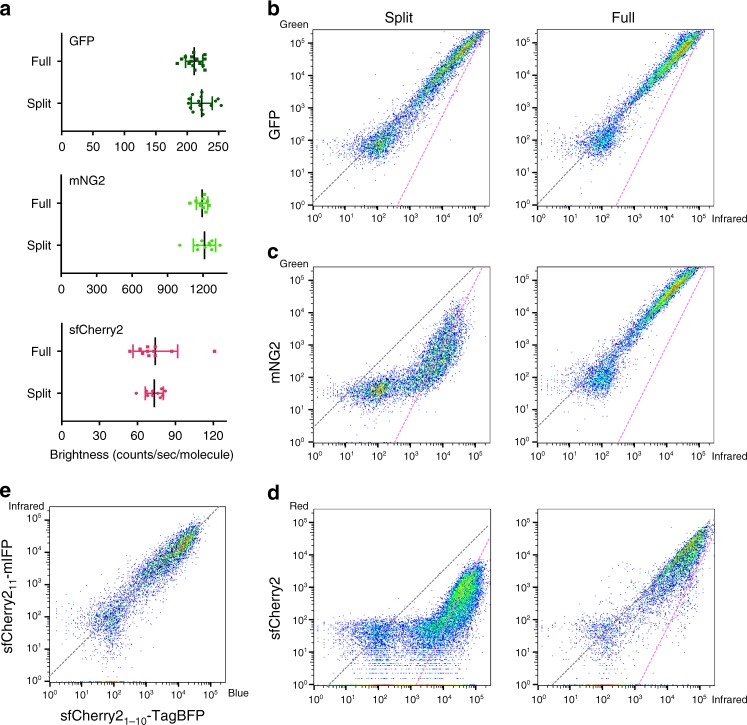
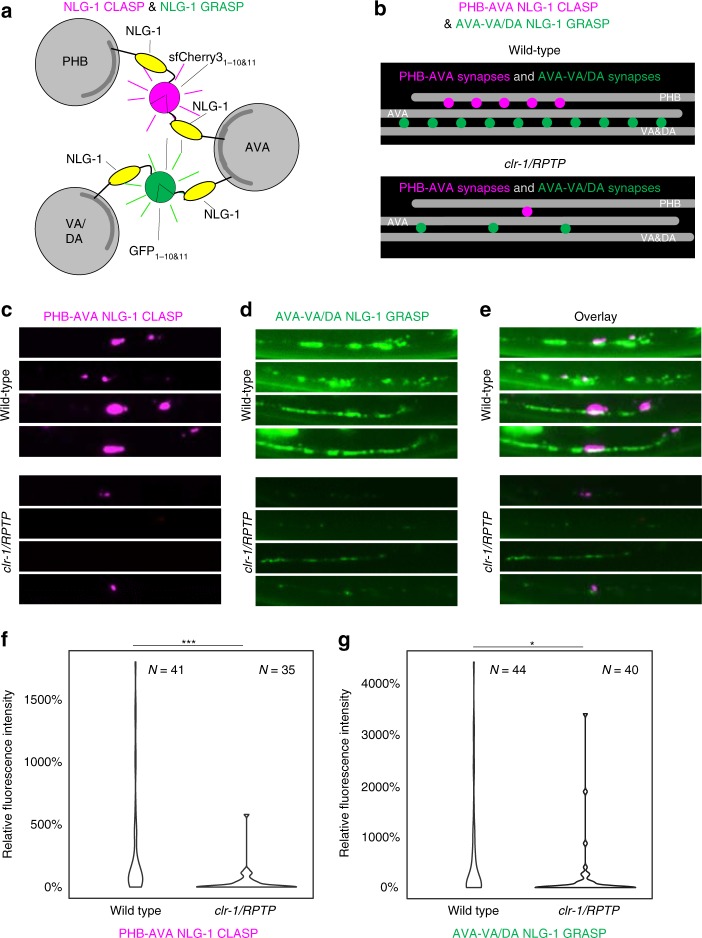
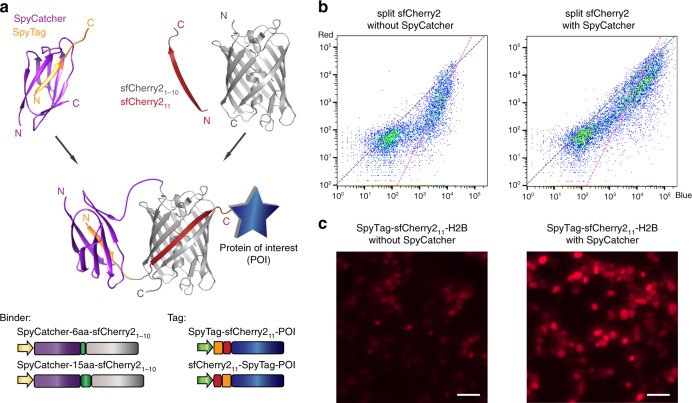
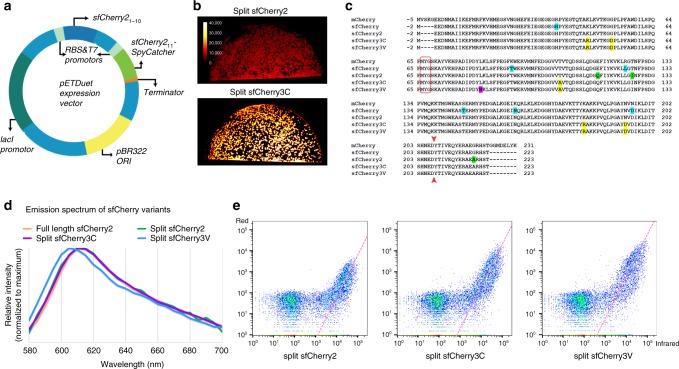
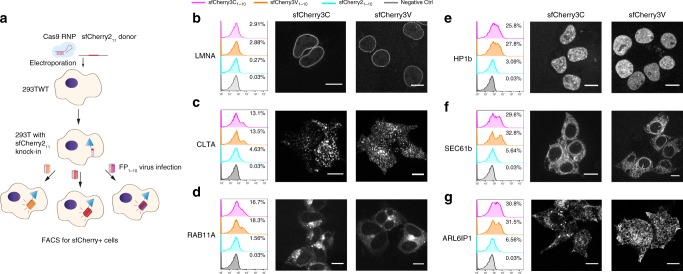
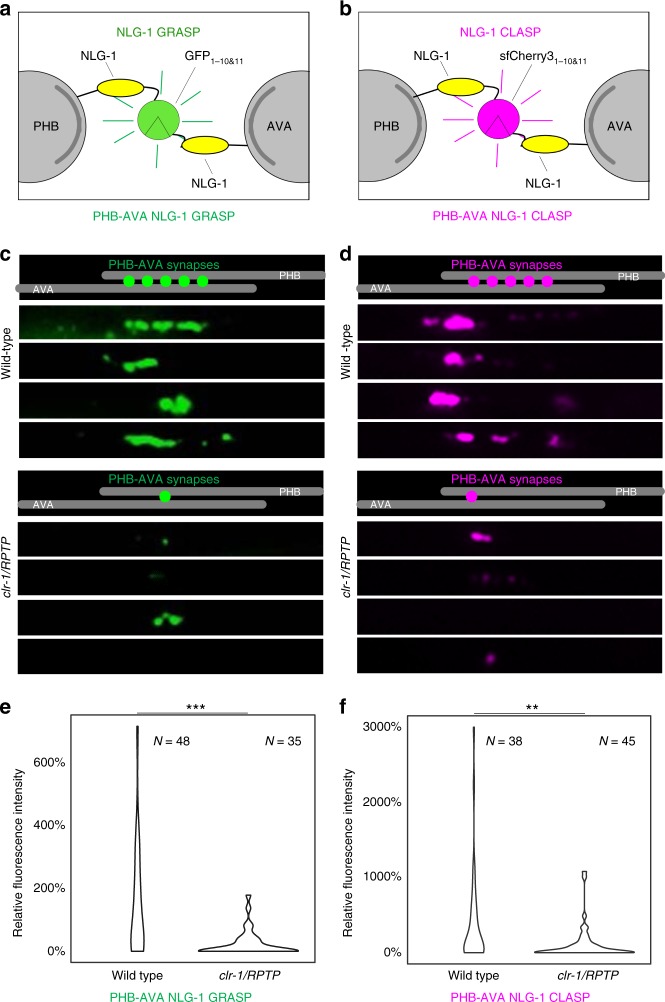
Self-associating split fluorescent proteins (FPs) are split FPs whose two fragments spontaneously associate to form a functional FP. They have been widely used for labeling proteins, scaffolding protein assembly and detecting cell-cell contacts. Recently developments have expanded the palette of self-associating split FPs beyond the original split GFP. However, these new ones have suffered from suboptimal fluorescence signal after complementation. Here, by investigating the complementation process, we have demonstrated two approaches to improve split FPs: assistance through SpyTag/SpyCatcher interaction and directed evolution. The latter has yielded two split sfCherry3 variants with substantially enhanced overall brightness, facilitating the tagging of endogenous proteins by gene editing. Based on sfCherry3, we have further developed a new red-colored trans-synaptic marker called Neuroligin-1 sfCherry3 Linker Across Synaptic Partners (NLG-1 CLASP) for multiplexed visualization of neuronal synapses in living . , demonstrating its broad applications.
自聚集分裂荧光蛋白(FPs)是指两个片段能够自发聚集形成功能性 FP 的分裂 FP。它们已被广泛用于标记蛋白质、支架蛋白组装和检测细胞间接触。最近的发展将自聚集分裂 FP 的调色板扩展到了原始分裂 GFP 之外。然而,这些新的分裂 FP 在互补后荧光信号不理想。在这里,通过研究互补过程,我们展示了两种改进分裂 FP 的方法:通过 SpyTag/SpyCatcher 相互作用进行辅助和定向进化。后者产生了两种 sfCherry3 变体,其整体亮度大大增强,通过基因编辑标记内源性蛋白变得更加容易。基于 sfCherry3,我们进一步开发了一种新的红色跨突触标记物,称为 Neuroligin-1 sfCherry3 Linker Across Synaptic Partners(NLG-1 CLASP),用于在活细胞中对神经元突触进行多路可视化,展示了其广泛的应用。