Bottagisio Marta, D'Arrigo Daniele, Talò Giuseppe, Bongio Matilde, Ferroni Marco, Boschetti Federica, Moretti Matteo, Lovati Arianna B
Laboratory of Clinical Chemistry and Microbiology, IRCCS Istituto Ortopedico Galeazzi, Milan 20161, Italy.
Cell and Tissue Engineering Laboratory, IRCCS Istituto Ortopedico Galeazzi, Milan 20161, Italy.
Stem Cells Int. 2019 Aug 29;2019:5267479. doi: 10.1155/2019/5267479. eCollection 2019.
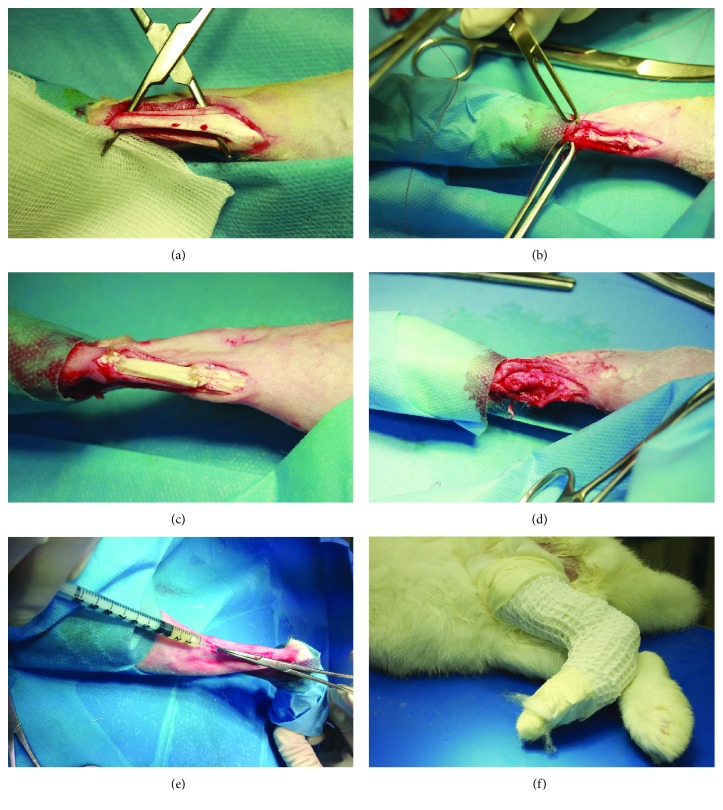
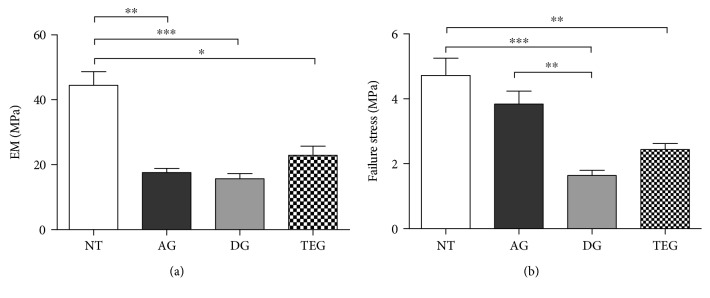
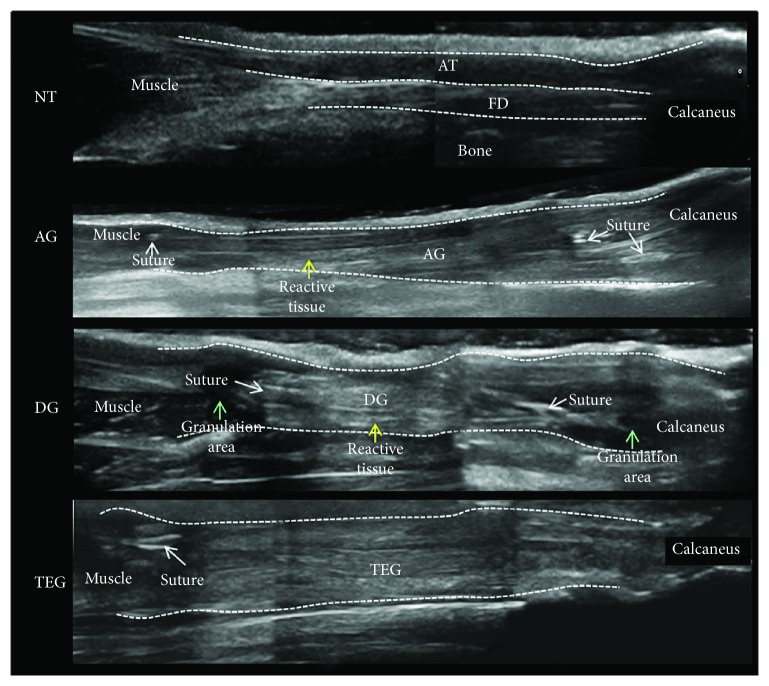
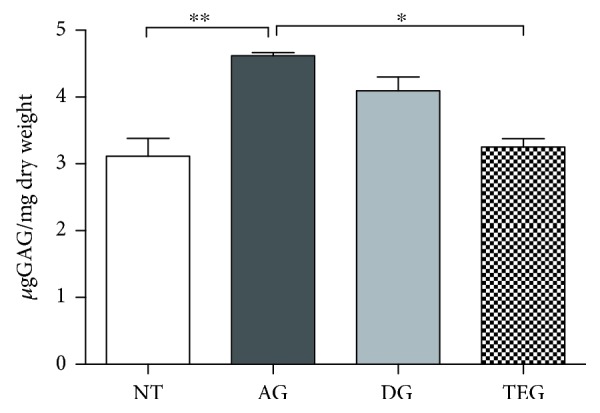
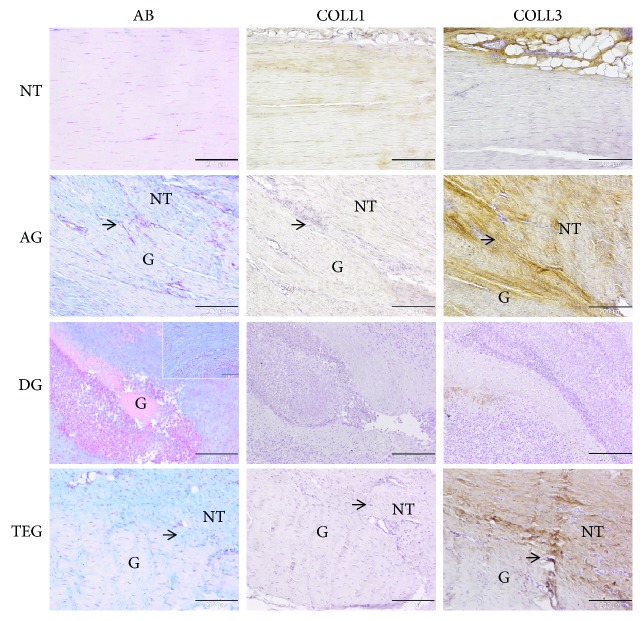
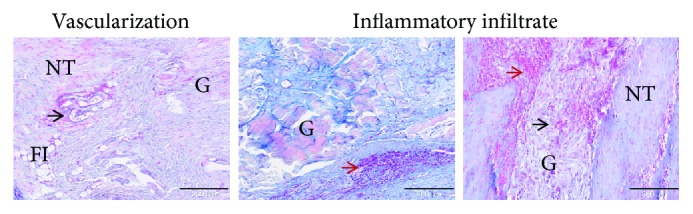
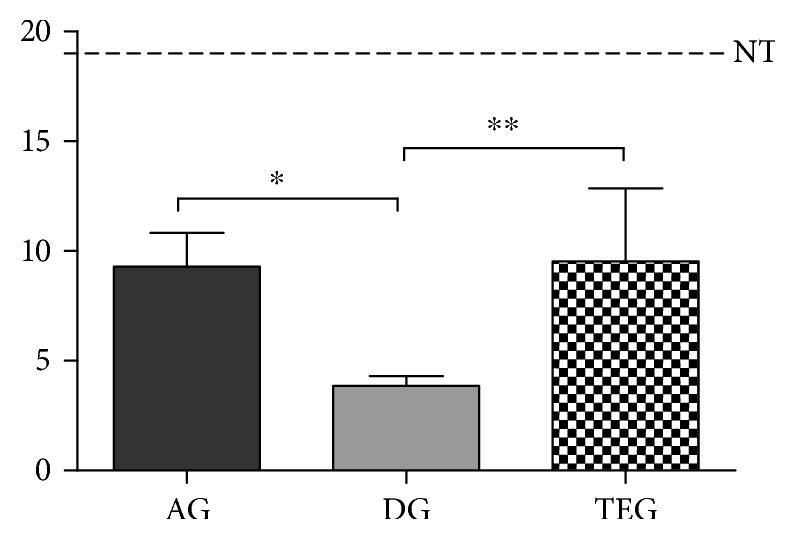
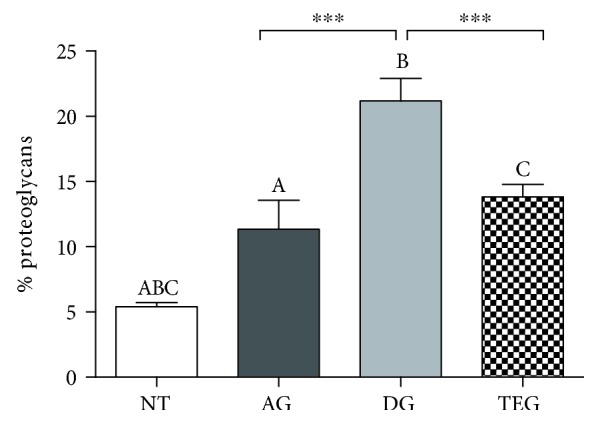
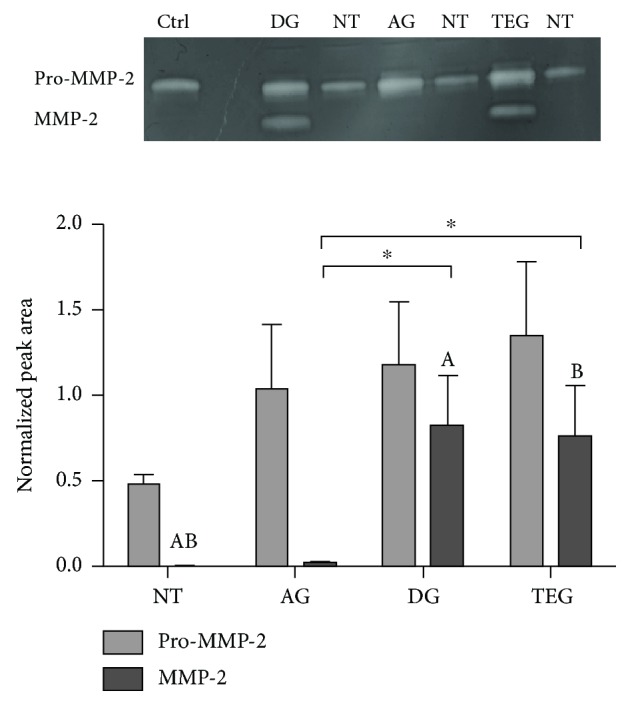
Tendon tissue ruptures often require the replacement of damaged tissues. The use of auto- or allografts is notoriously limited due to the scarce supply and the high risks of immune adverse reactions. To overcome these limitations, tissue engineering (TE) has been considered a promising approach. Among several biomaterials, decellularized xenografts are available in large quantity and could represent a possible solution for tendon reconstruction. The present study is aimed at evaluating TE xenografts in Achilles tendon defects. Specifically, the ability to enhance the biomechanical functionality, while improving the graft interaction with the host, was tested. The combination of decellularized equine-derived tendon xenografts with or without the matrix repopulation with autologous bone marrow mesenchymal stem cells (BMSCs) under stretch-perfusion dynamic conditions might improve the side-to-side tendon reconstruction. Thirty-six New Zealand rabbits were used to create 2 cm long segmental defects of the Achilles tendon. Then, animals were implanted with autograft (AG) as the gold standard control, decellularized graft (DG), or in vitro tissue-engineered graft (TEG) and evaluated postoperatively at 12 weeks. After sacrifice, histological, immunohistochemical, biochemical, and biomechanical analyses were performed along with the matrix metalloproteinases. The results demonstrated the beneficial role of undifferentiated BMSCs loaded within decellularized xenografts undergoing a stretch-perfusion culture as an immunomodulatory weapon reducing the inflammatory process. Interestingly, AG and TEG groups exhibited similar results, behaved similarly, and showed a significant superior tissue healing compared to DG in terms of newly formed collagen fibres and biomechanical parameters. Whereas, DG demonstrated a massive inflammatory and giant cell response associated with graft destruction and necrosis, absence of type I and III collagen, and a higher amount of proteoglycans and MMP-2, thus unfavourably affecting the biomechanical response. In conclusion, this in vivo study suggests a potential use of the proposed tissue-engineered constructs for tendon reconstruction.
肌腱组织断裂通常需要替换受损组织。由于供应稀缺以及免疫不良反应风险高,自体或异体移植的使用受到极大限制。为克服这些限制,组织工程(TE)被认为是一种有前景的方法。在几种生物材料中,脱细胞异种移植物数量充足,可能是肌腱重建的一种可行解决方案。本研究旨在评估用于跟腱缺损的组织工程异种移植物。具体而言,测试了其增强生物力学功能以及改善移植物与宿主相互作用的能力。在拉伸灌注动态条件下,将脱细胞马源肌腱异种移植物与有或没有自体骨髓间充质干细胞(BMSC)进行基质再填充相结合,可能会改善双侧肌腱重建。使用36只新西兰兔制造2厘米长的跟腱节段性缺损。然后,将动物植入作为金标准对照的自体移植物(AG)、脱细胞移植物(DG)或体外组织工程移植物(TEG),并在术后12周进行评估。处死后,进行组织学、免疫组织化学、生化和生物力学分析以及基质金属蛋白酶分析。结果表明,在经历拉伸灌注培养的脱细胞异种移植物中加载未分化的BMSC作为一种免疫调节手段,可减少炎症过程,具有有益作用。有趣的是,AG组和TEG组表现出相似的结果,行为相似,并且在新形成的胶原纤维和生物力学参数方面,与DG相比显示出明显更好的组织愈合。而DG表现出大量炎症和巨细胞反应,伴有移植物破坏和坏死,缺乏I型和III型胶原,以及较高含量的蛋白聚糖和MMP-2,因此对生物力学反应产生不利影响。总之,这项体内研究表明所提出的组织工程构建体在肌腱重建方面具有潜在用途。