Zhang Hao, Li Zhihu
School of Civil Engineering and Architecture, Anhui University of Technology, Ma'anshan, Anhui 243032, China.
Open Med (Wars). 2019 Sep 15;14:673-682. doi: 10.1515/med-2019-0078. eCollection 2019.
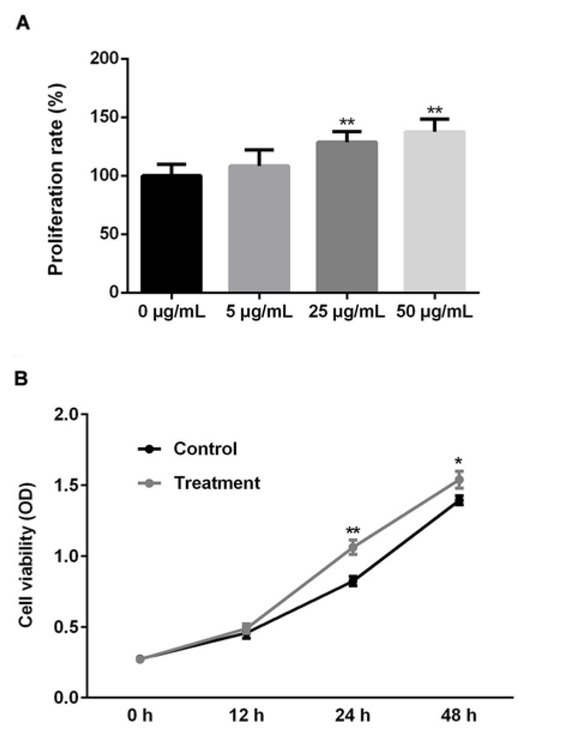
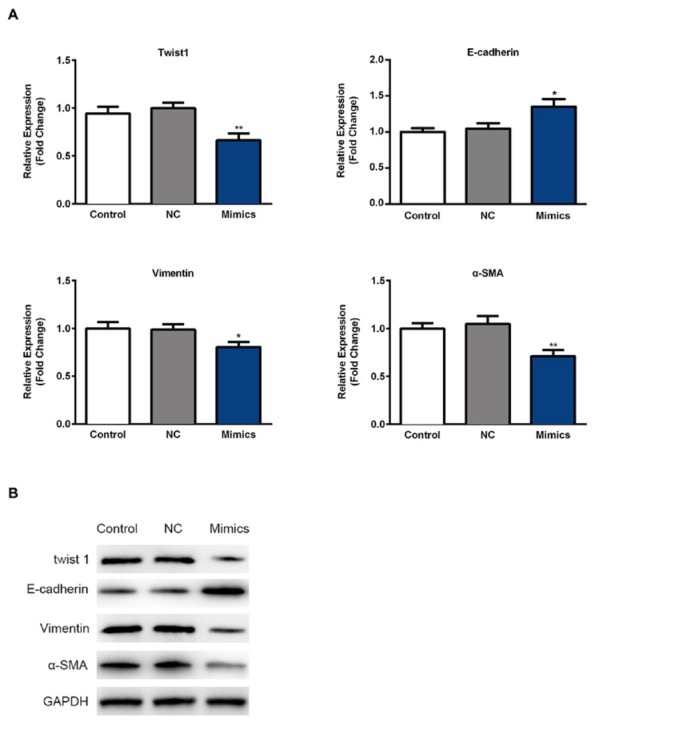
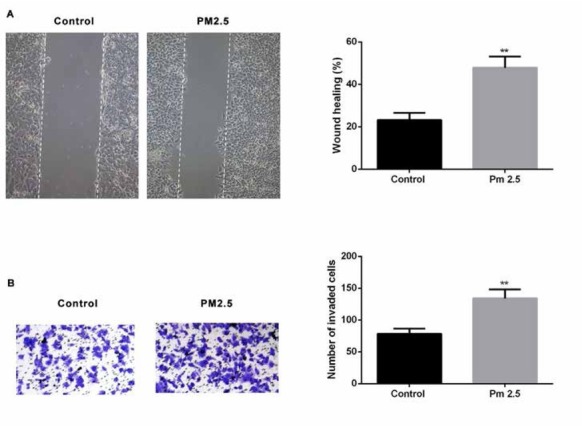
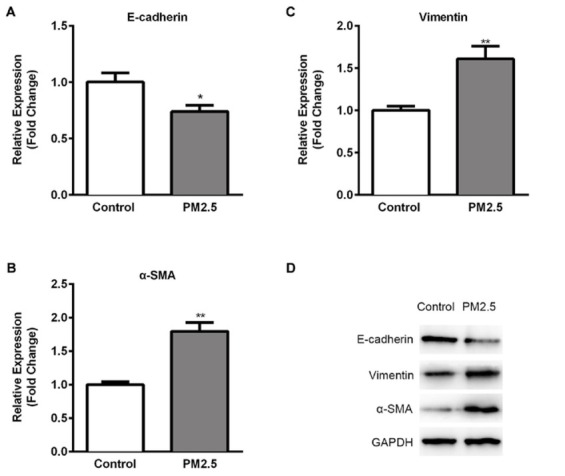
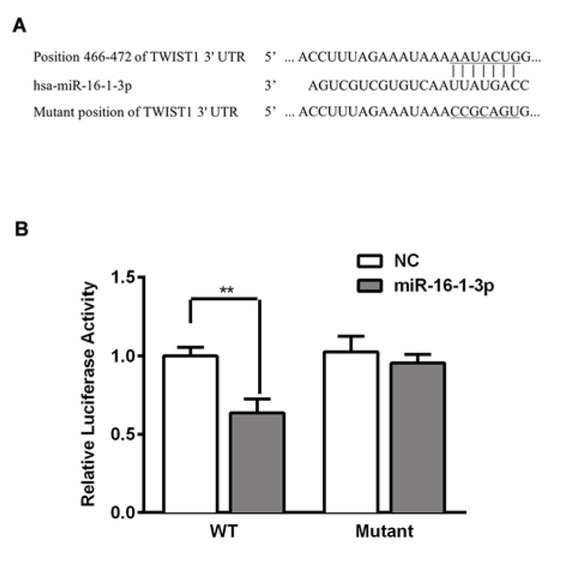
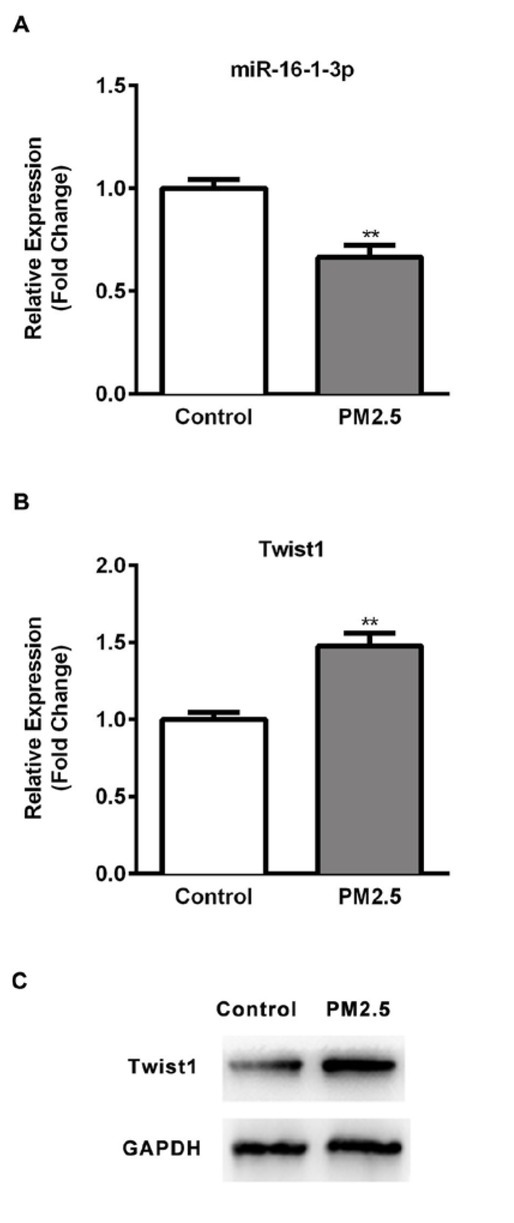
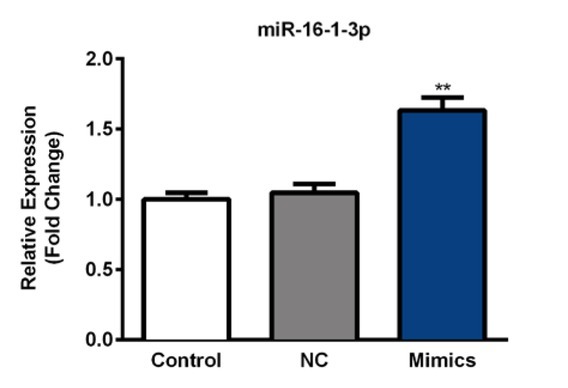
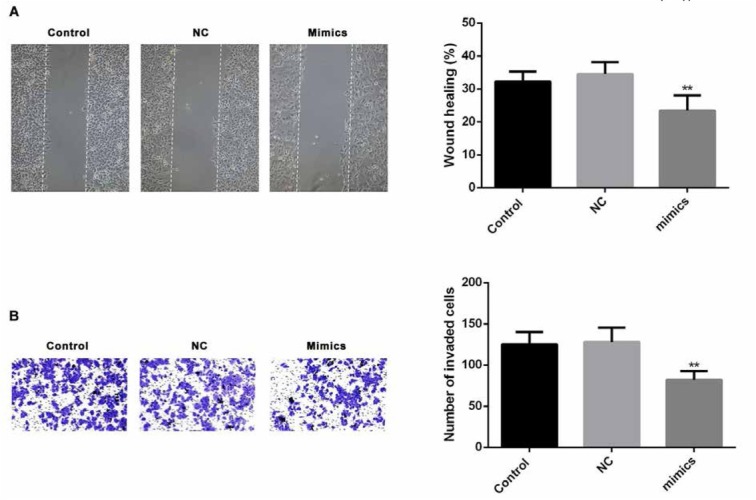
Epidemiological study has confirmed that PM2.5 (particulate matter with an aerodynamic diameter less than 2.5 μm) is associated with the incidence and progression of human hepatocellular carcinoma (HCC). Accordingly, this study was undertaken to investigate the pro-metastatic effects of PM2.5 on human HCC cell line SMMC-7721 in vitro and to explore the underlying mechanisms. CCK-8 assay was performed to examine the effect of PM2.5 on the proliferation of SMMC-7721 cells; scratch wound assay and transwell matrigel system has been used to examine the effect of PM2.5 on the migration and invasion ability of SMMC-7721 cells; furthermore, effect of PM2.5 on epithelial mesenchymal transition (EMT) of SMMC-7721 cells were examined by examining the EMT markers vimentin, ɑ-smooth muscle actin (ɑ-SMA), and E-cadherin; furthermore, the roles of microRNA-16 (miR-16) and its target Twist1 in PM2.5 induced carcinogenic effects were also examined. Results of CCK-8 assay suggested that PM2.5 promoted the proliferation of SMMC-7721 cells in a dose and time dependent manner. PM2.5 also markedly promoted the migration and invasion ability of SMMC-7721 cells. Moreover, epithelial mesenchymal transition (EMT) was also triggered by PM2.5. On the other hand, microRNA-16 (miR-16) and its target Twist1 was found to be mediated by PM2.5, and miR-16 mimic could suppress the metastatic ability of SMMC-7721 cells exposure to PM2.5 via inversely regulating the expression of Twist1. Furthermore, dual Luciferase reporter assay confirmed the specifically binding of miR-16 to the predicted 3'-UTR of Twist1. The present study confirmed the pro-proliferative and pro-metastatic effect of PM2.5 on HCC cell line SMMC-7721. The possible mechanisms were EMT process induced by PM2.5 in SMMC-7721 cells, which was accompanied by a decrease in miR-16 and increase in Twist1 expression.
流行病学研究证实,PM2.5(空气动力学直径小于2.5μm的颗粒物)与人类肝细胞癌(HCC)的发生和进展有关。因此,本研究旨在探讨PM2.5对人肝癌细胞系SMMC - 7721的促转移作用及其潜在机制。采用CCK - 8法检测PM2.5对SMMC - 7721细胞增殖的影响;划痕实验和Transwell基质胶系统用于检测PM2.5对SMMC - 7721细胞迁移和侵袭能力的影响;此外,通过检测上皮间质转化(EMT)标志物波形蛋白、α - 平滑肌肌动蛋白(α - SMA)和E - 钙黏蛋白,研究PM2.5对SMMC - 7721细胞上皮间质转化的影响;此外,还检测了微小RNA - 16(miR - 16)及其靶标Twist1在PM2.5诱导的致癌作用中的作用。CCK - 8实验结果表明,PM2.5以剂量和时间依赖性方式促进SMMC - 7721细胞的增殖。PM2.5还显著促进了SMMC - 7721细胞的迁移和侵袭能力。此外,PM2.5还引发了上皮间质转化(EMT)。另一方面,发现微小RNA - 16(miR - 16)及其靶标Twist1受PM2.5介导,miR - 16模拟物可通过反向调节Twist1的表达来抑制暴露于PM2.5的SMMC - 7721细胞的转移能力。此外,双荧光素酶报告基因实验证实了miR - 16与Twist1预测的3'-UTR特异性结合。本研究证实了PM2.5对肝癌细胞系SMMC - 7721具有促增殖和促转移作用。其可能机制是PM2.5诱导SMMC - 7721细胞发生EMT过程,同时伴随着miR - 16表达降低和Twist1表达增加。