Department of Biochemistry, Molecular Biology and Physiology, Faculty of Health Sciences, University of Valladolid, 42004 Soria, Spain.
Academy Department, Deportivo Alavés SAD, 01007 Vitoria-Gasteiz, Spain.
Nutrients. 2019 Sep 30;11(10):2313. doi: 10.3390/nu11102313.
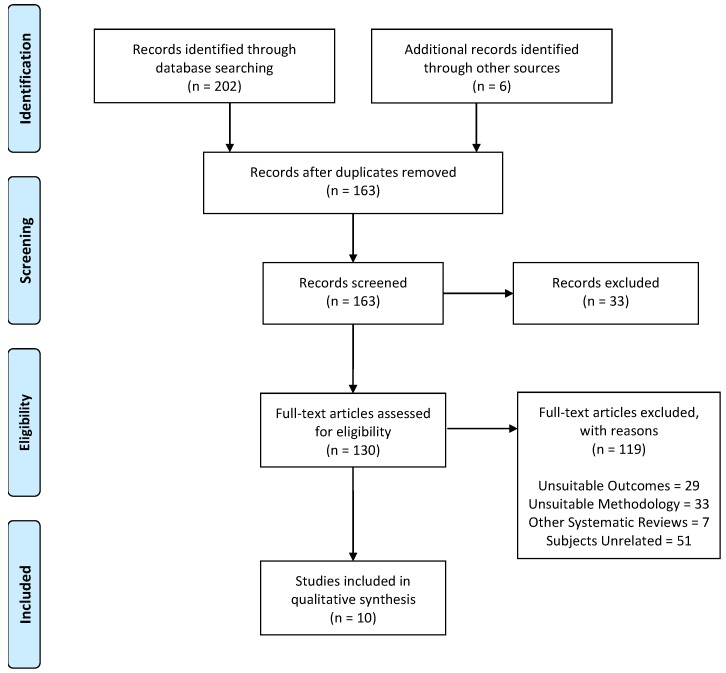
Most studies that have shown the positive effects of caffeine supplementation on sports performance have been carried out on men. However, the differences between sexes are evident in terms of body size, body composition, and hormonal functioning, which might cause different outcomes on performance for the same dosage of caffeine intake in men vs. women. The main aim of this systematic review was to analyze and compare the effects of caffeine intake between men and women on sports performance to provide a source of knowledge to sports practitioners and coaches, especially for those working with women athletes, on the use of caffeine as an ergogenic aid. A structured search was carried out following the Preferred Reporting Items for Systematic Review and Meta-Analyses (PRISMA) guidelines in the Web of Science, Cochrane Library, and Scopus databases until 28 July 2019. The search included studies in which the effects of caffeine supplementation on athletic performance were compared between sexes and to an identical placebo situation (dose, duration and timing). No filters were applied for participants' physical fitness level or age. A total of 254 articles were obtained in the initial search. When applying the inclusion and exclusion criteria, the final sample was 10 articles. The systematic review concluded that four investigations (100% of the number of investigations on this topic) had not found differences between sexes in terms of caffeine supplementation on aerobic performance and 3/3 (100%) on the fatigue index. However, four out of seven articles (57.1%) showed that the ergogenicity of caffeine for anaerobic performance was higher in men than women. In particular, it seems that men are able to produce more power, greater total weight lifted and more speed with the same dose of caffeine than women. In summary, caffeine supplementation produced a similar ergogenic benefit for aerobic performance and the fatigue index in men and women athletes. Nevertheless, the effects of caffeine to produce more power, total weight lifted and to improve sprint performance with respect to a placebo was higher in men than women athletes despite the same dose of caffeine being administered. Thus, the ergogenic effect of acute caffeine intake on anaerobic performance might be higher in men than in women.
大多数表明咖啡因补充对运动表现有积极影响的研究都是在男性中进行的。然而,男女之间在体型、身体成分和激素功能方面存在明显差异,这可能导致相同剂量的咖啡因摄入对男性和女性的表现产生不同的结果。本系统评价的主要目的是分析和比较男性和女性摄入咖啡因对运动表现的影响,为运动从业者和教练提供知识来源,特别是对于那些与女性运动员合作的人,关于咖啡因作为一种增强运动表现的辅助手段的使用。按照系统评价和荟萃分析的首选报告项目(PRISMA)指南,在 Web of Science、Cochrane 图书馆和 Scopus 数据库中进行了结构化搜索,截至 2019 年 7 月 28 日。该搜索包括比较男女之间咖啡因补充对运动表现影响的研究,并与相同的安慰剂情况(剂量、持续时间和时间)进行比较。未对参与者的身体适应性或年龄进行过滤。初步搜索共获得 254 篇文章。在应用纳入和排除标准后,最终样本为 10 篇文章。系统评价得出的结论是,四项研究(该主题研究的 100%)没有发现男女之间在咖啡因对有氧运动表现的补充方面存在差异,而三项研究中有三项(100%)在疲劳指数方面没有差异。然而,七篇文章中有四篇(57.1%)表明,咖啡因对无氧运动表现的增强作用在男性中高于女性。特别是,男性似乎能够在相同剂量的咖啡因下产生更大的力量、举起更大的总重量和更快的速度。总之,咖啡因补充对男女运动员的有氧运动表现和疲劳指数都产生了相似的增强作用。然而,与安慰剂相比,咖啡因产生更多的力量、举起更大的总重量和提高冲刺表现的效果在男性中高于女性,尽管给予了相同剂量的咖啡因。因此,急性咖啡因摄入对无氧运动表现的增强作用可能在男性中高于女性。