Departments of Endoscopy and Endoscopic Surgery, Graduate School of Medicine, The University of Tokyo, Japan.
Departments of Gastroenterology, Graduate School of Medicine, The University of Tokyo, Japan.
Gut Liver. 2020 May 15;14(3):297-305. doi: 10.5009/gnl19157.
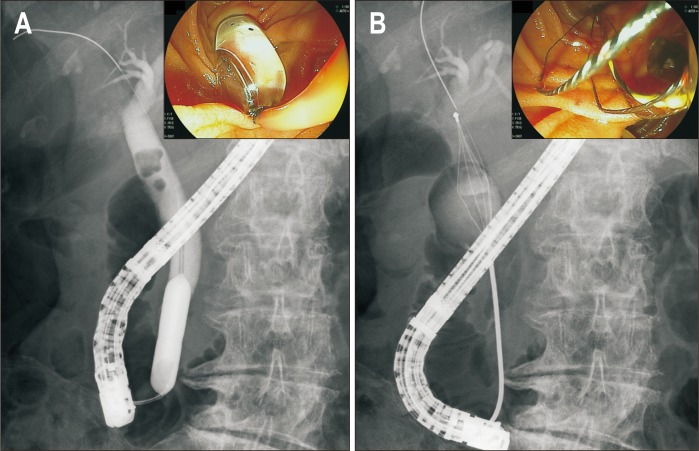
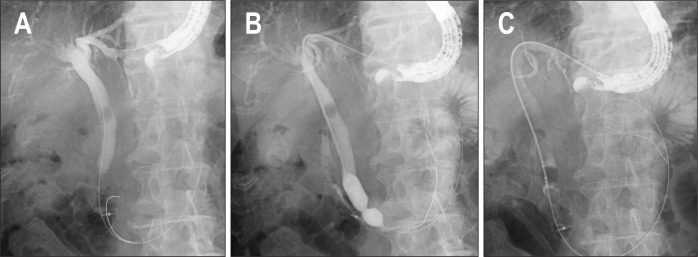
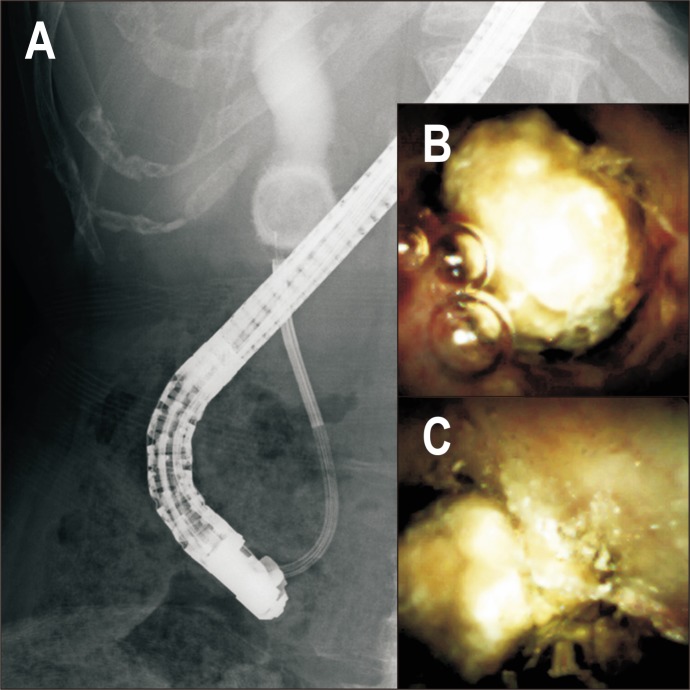
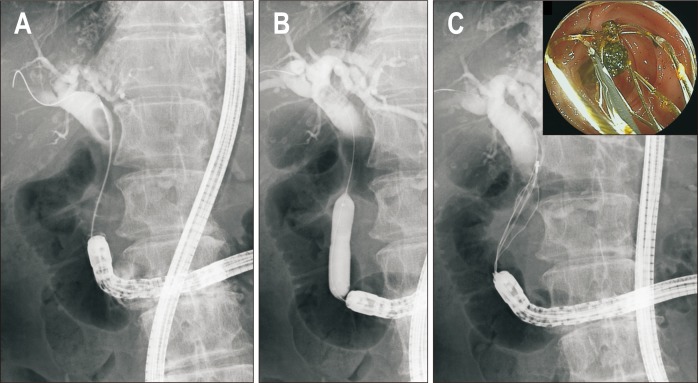
Endoscopic management of bile duct stones is now the standard of care, but challenges remain with difficult bile duct stones. There are some known factors associated with technically difficult bile duct stones, such as large size and surgically altered anatomy. Endoscopic mechanical lithotripsy is now the standard technique used to remove large bile duct stones, but the efficacy of endoscopic papillary large balloon dilatation (EPLBD) and cholangioscopy with intraductal lithotripsy has been increasingly reported. In patients with surgically altered anatomy, biliary access before stone removal can be technically difficult. Endotherapy using two new endoscopes is now utilized in clinical practice: enteroscopy-assisted endoscopic retrograde cholangiopancreatography and endoscopic ultrasound-guided antegrade treatment. These new approaches can be combined with EPLBD and/or cholangioscopy to remove large bile duct stones from patients with surgically altered anatomy. Since various endoscopic procedures are now available, endoscopists should learn the indications, advantages and disadvantages of each technique for better management of bile duct stones.
胆管结石的内镜治疗现已成为标准的治疗方法,但对于困难的胆管结石仍存在挑战。有些已知的因素与技术上困难的胆管结石有关,例如结石较大和手术改变的解剖结构。内镜机械碎石术现已成为去除大的胆管结石的标准技术,但内镜乳头大球囊扩张术(EPLBD)和胆管内碎石术的疗效已越来越多地被报道。对于手术改变解剖结构的患者,在进行结石清除之前,胆道进入可能在技术上具有挑战性。目前在临床实践中使用两种新型内镜进行内镜治疗:经小肠镜辅助的逆行胰胆管造影术和超声内镜引导的顺行治疗。这些新方法可以与 EPLBD 和/或胆管镜检查结合使用,以从手术改变解剖结构的患者中去除大的胆管结石。由于现在有各种内镜治疗程序,内镜医生应该了解每种技术的适应证、优缺点,以便更好地管理胆管结石。