Department of Biotechnology, Institute of Resource Biology and Biotechnology, College of Life Science and Technology, Huazhong University of Science and Technology, No.1037 Luoyu Road, Wuhan, 430074, People's Republic of China.
Key Laboratory of Molecular Biophysics Ministry of Education, College of Life Science and Technology, Huazhong University of Science and Technology, No.1037 Luoyu Road, Wuhan, 430074, People's Republic of China.
BMC Plant Biol. 2019 Oct 7;19(1):413. doi: 10.1186/s12870-019-2044-z.
Taxus spp. produces the anticancer drug, taxol, and hence is planted as an industrial crop in China. APETALA2/ethylene response element binding proteins (AP2/EREBPs) are the key regulators of plant development, growth, and stress responses. Several homologues control taxol biosynthesis. Identifying the AP2/EREBP proteins from Taxus is important to increase breeding and production and clarify their evolutionary processes.
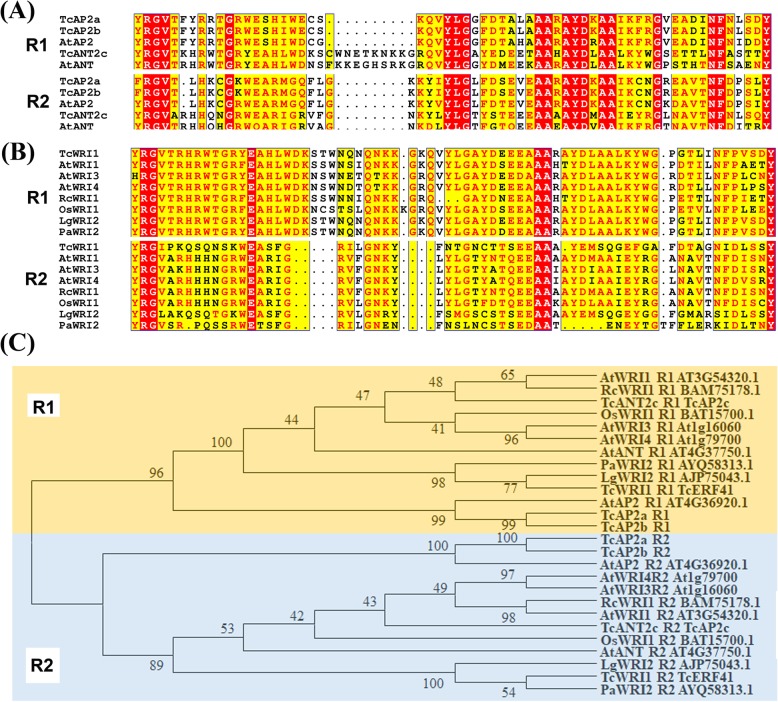
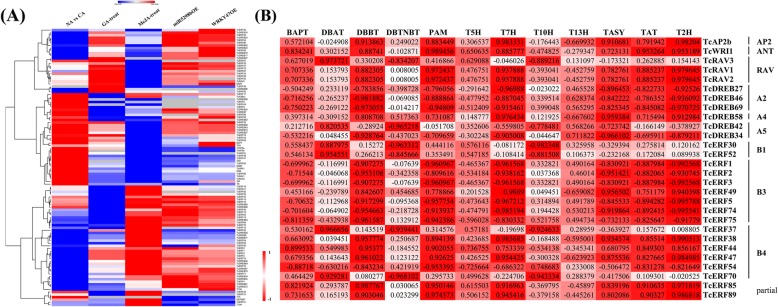
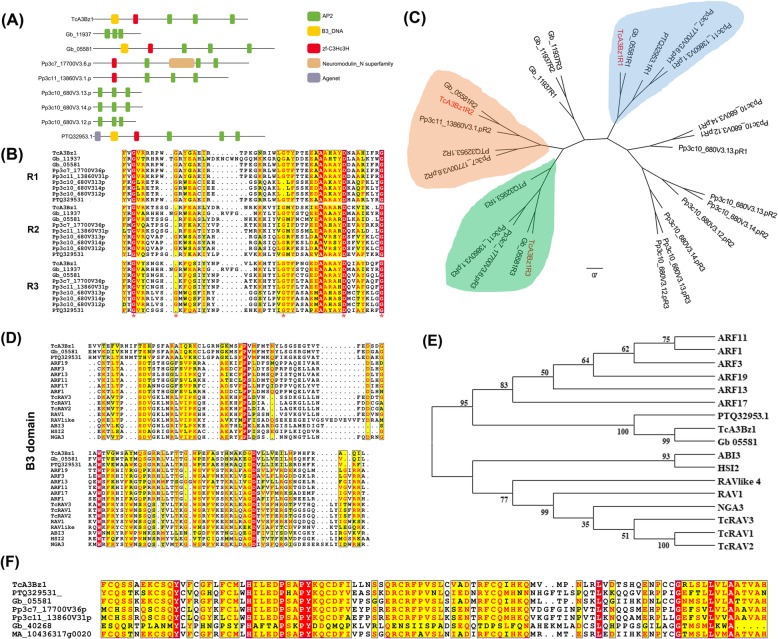
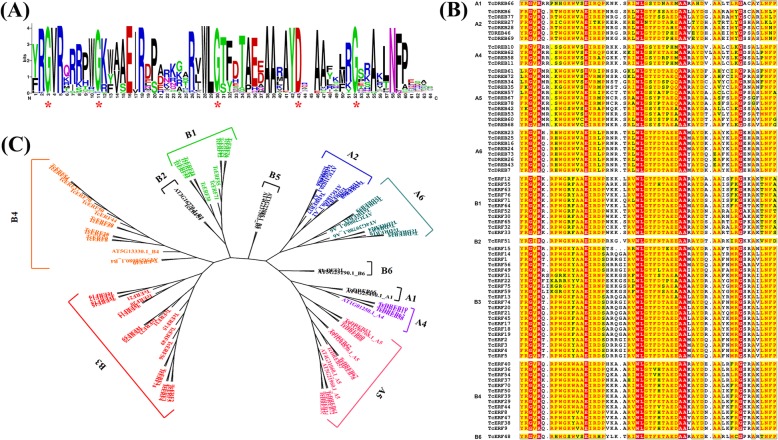
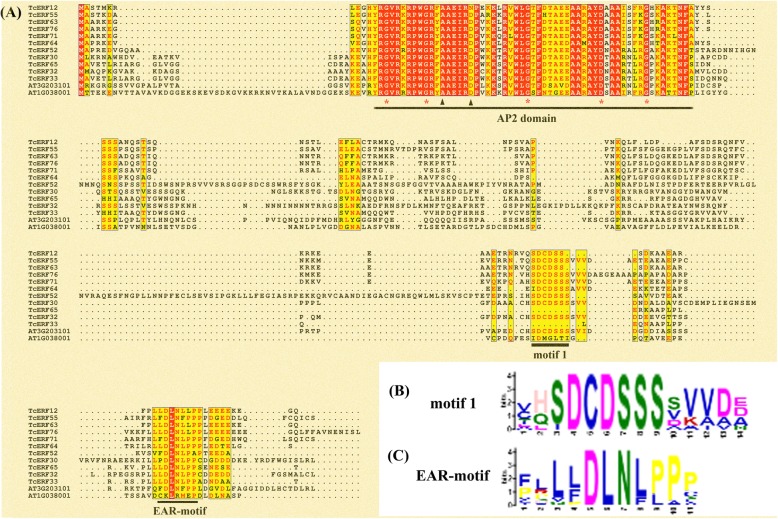
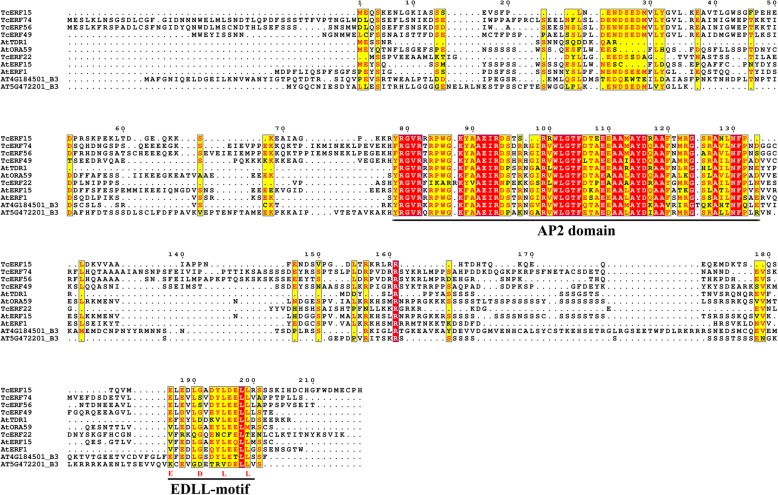
Among the 90 genes from multi Taxus chinensis transcriptome datasets, 81 encoded full-length AP2-containing proteins. A domain structure highly similar to that of angiosperm AP2/EREBPs was found in 2 AP2, 2 ANT, 1 RAV, 28 dehydration-responsive element-binding proteins, and 47 ethylene-responsive factors contained, indicating that they have extremely conservative evolution processes. A new subgroup protein, TcA3Bz1, contains three conserved AP2 domains and, a new domain structure of AP2/EREBPs that is different from that of known proteins. The new subtype AP2 proteins were also present in several gymnosperms (Gingko biloba) and bryophytes (Marchantia polymorpha). However, no homologue was found in Selaginella moellendorffii, indicating unknown evolutionary processes accompanying this plant's evolution. Moreover, the structures of the new subgroup AP2/EREBPs have different conserved domains, such as B3, zf-C3Hc3H, and agent domains, indicating their divergent evolution in bryophytes and gymnosperms. Interestingly, three repeats of AP2 domains have separately evolved from mosses to gymnosperms for most of the new proteins, but the AP2 domain of Gb_11937 has been replicated.
The new subtype AP2/EREBPs have different origins and would enrich our knowledge of the molecular structure, origin, and evolutionary processes of AP2/EREBP transcription factors in plants.
紫杉属植物产生抗癌药物紫杉醇,因此在中国被种植为工业作物。AP2/乙烯响应元件结合蛋白(AP2/EREBPs)是植物发育、生长和应激反应的关键调节剂。有几个同源物控制紫杉醇的生物合成。鉴定紫杉中的 AP2/EREBP 蛋白对于增加繁殖和产量以及阐明其进化过程非常重要。
在来自多个中国南方红豆杉转录组数据集的 90 个基因中,有 81 个编码完整的含 AP2 的蛋白质。在包含的 2 个 AP2、2 个 ANT、1 个 RAV、28 个脱水响应元件结合蛋白和 47 个乙烯响应因子中发现了与被子植物 AP2/EREBPs 高度相似的结构域结构,表明它们具有极其保守的进化过程。一个新的亚组蛋白 TcA3Bz1 包含三个保守的 AP2 结构域和一个不同于已知蛋白的新的 AP2/EREBPs 结构域。新的亚型 AP2 蛋白也存在于几种裸子植物(银杏)和苔藓植物(地钱)中。然而,在卷柏中没有发现同源物,这表明伴随着这种植物进化的未知进化过程。此外,新亚组 AP2/EREBPs 的结构具有不同的保守结构域,如 B3、zf-C3Hc3H 和代理结构域,表明它们在苔藓植物和裸子植物中的进化方向不同。有趣的是,对于大多数新蛋白,AP2 结构域的三个重复分别从苔藓植物进化到裸子植物,但 Gb_11937 的 AP2 结构域已经被复制。
新的亚型 AP2/EREBPs 具有不同的起源,这将丰富我们对植物中 AP2/EREBP 转录因子的分子结构、起源和进化过程的认识。