Park Yun Kyung, Kim Jae Hun, Choi Su Jung, Kim Sung Tae, Joo Eun Yeon
Department of Neurology, Bundang Jesaeng General Hospital, Seongnam, Korea.
Department Radiology, Samsung Medical Center, Sungkyunkwan University School of Medicine, Seoul, Korea.
J Clin Neurol. 2019 Oct;15(4):438-447. doi: 10.3988/jcn.2019.15.4.438.
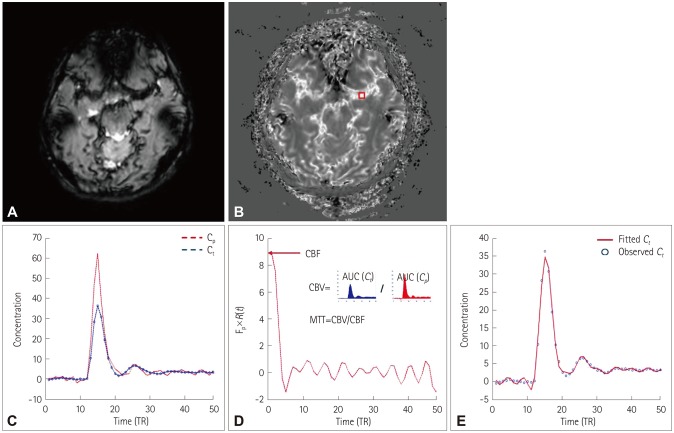
Shift work disrupts the body's circadian rhythms and increases the risk of health problems. Despite evidence of neuropsychological disturbances in shift workers (SW), the brain functional status as measured by brain perfusion in chronic shift work has not been evaluated previously. We investigated the regional cerebral blood flow (rCBF) in SW using perfusion MRI (pMRI) and evaluated the relationships between altered rCBF and sleep, mood, psychometric measures, and quality of life.
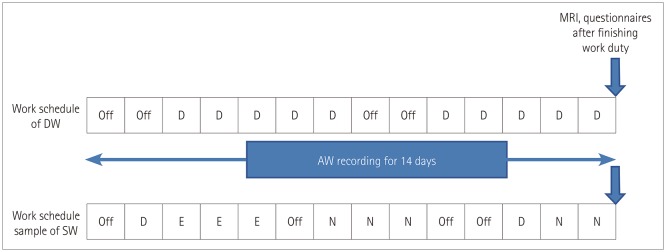
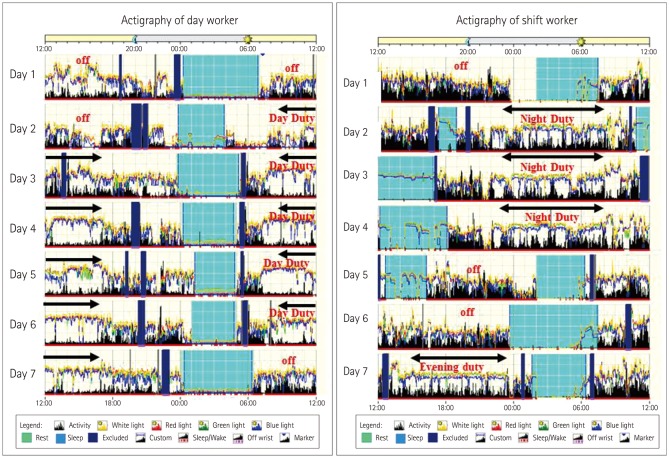
Fifteen rotational SW and 15 day workers (DW) were enrolled. The participants were all female nurses working at a university-affiliated hospital. During 2 weeks of actigraphy they underwent pMRI scanning and psychometric testing on the last day immediately after working. Demographic characteristics, insomnia, daytime sleepiness, and mood were compared between the groups.
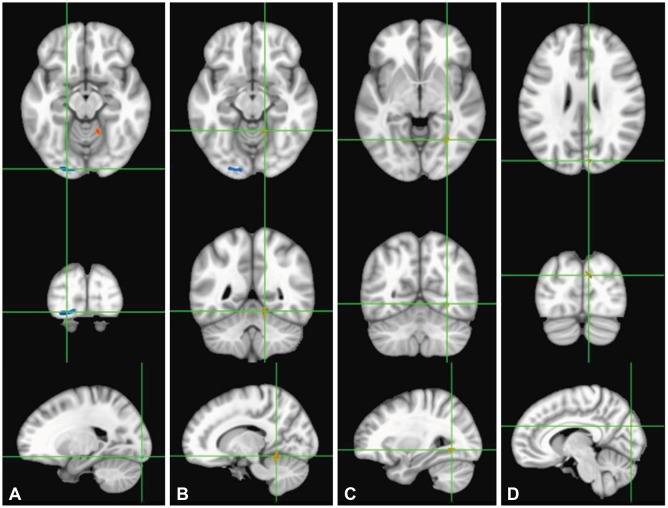
The participants were aged 35.3±2.9 years (mean±SD) and had been performing their current work for more than 2 years. The demographic characteristics did not differ between SW and DW, but the levels of insomnia, anxiety, depression, and hyperactivity-restlessness in psychometric measures were higher in SW than in DW. Cerebral perfusion in SW was significantly decreased in the cuneus, fusiform/parahippocampal gyri, and cerebellum of the right hemisphere, while it was increased in the inferior occipital gyrus of the left hemisphere. Perfusion changes in SW were significantly correlated with depression and insomnia severity. The onset and duration irregularity of sleep among SW were related to insomnia, mood, hyperactivity/ restlessness, and quality of life.
SW experience considerably more insomnia and mood disturbances than do DW, and this is significantly related to perfusion changes in multiple brain areas.
轮班工作会扰乱人体的昼夜节律,并增加健康问题的风险。尽管有证据表明轮班工作者(SW)存在神经心理障碍,但此前尚未评估过慢性轮班工作中通过脑灌注测量的脑功能状态。我们使用灌注磁共振成像(pMRI)研究了SW的局部脑血流量(rCBF),并评估了rCBF改变与睡眠、情绪、心理测量指标和生活质量之间的关系。
招募了15名轮班SW和15名日班工作者(DW)。参与者均为在一家大学附属医院工作的女性护士。在进行为期2周的活动监测期间,她们在工作后的最后一天接受了pMRI扫描和心理测量测试。比较了两组之间的人口统计学特征、失眠、日间嗜睡和情绪。
参与者年龄为35.3±2.9岁(均值±标准差),从事当前工作超过2年。SW和DW之间的人口统计学特征没有差异,但SW在心理测量指标中的失眠、焦虑、抑郁和多动-烦躁水平高于DW。SW右侧半球的楔叶、梭状/海马旁回和小脑的脑灌注显著降低,而左侧半球枕下回的灌注增加。SW的灌注变化与抑郁和失眠严重程度显著相关。SW睡眠的开始和持续时间不规则与失眠、情绪、多动/烦躁和生活质量有关。
与DW相比,SW经历的失眠和情绪障碍要多得多,这与多个脑区的灌注变化显著相关。