Cardiovascular Research Center, Massachusetts General Hospital, Boston, United States.
Harvard Medical School, Boston, United States.
Elife. 2019 Oct 8;8:e49599. doi: 10.7554/eLife.49599.
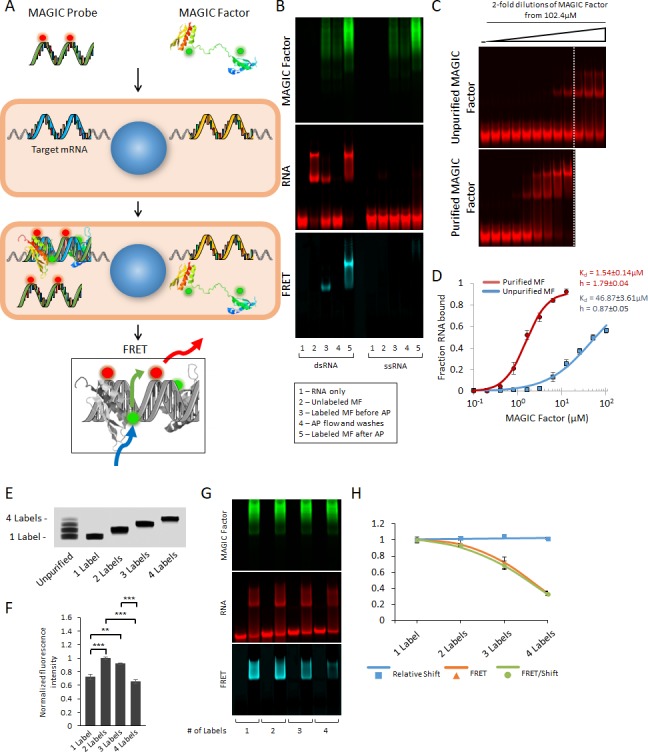
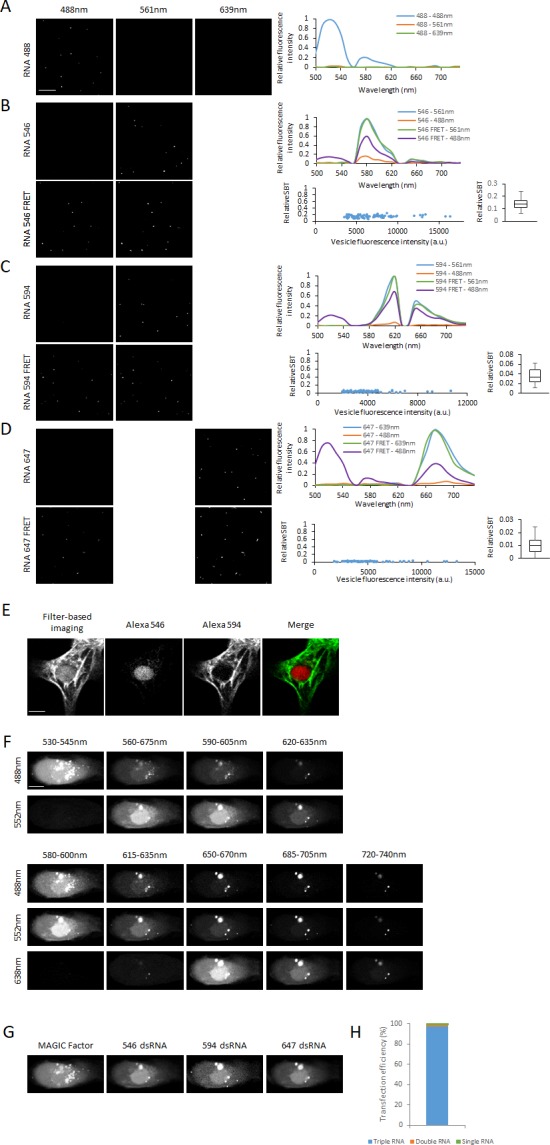
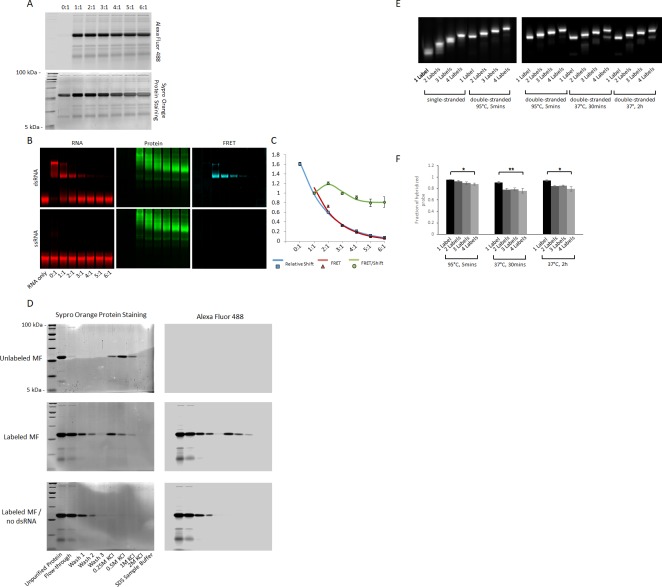
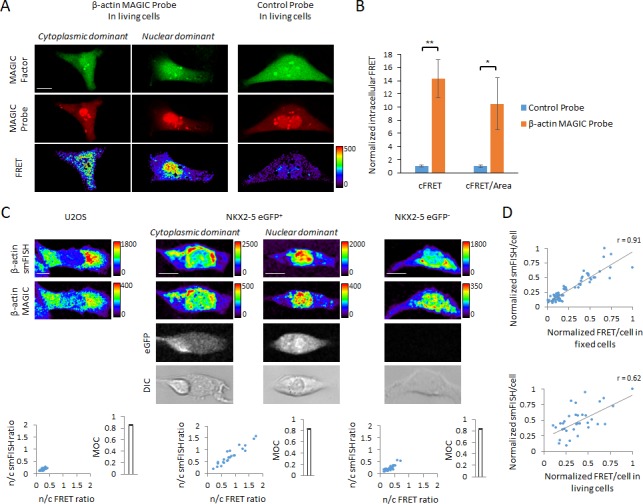
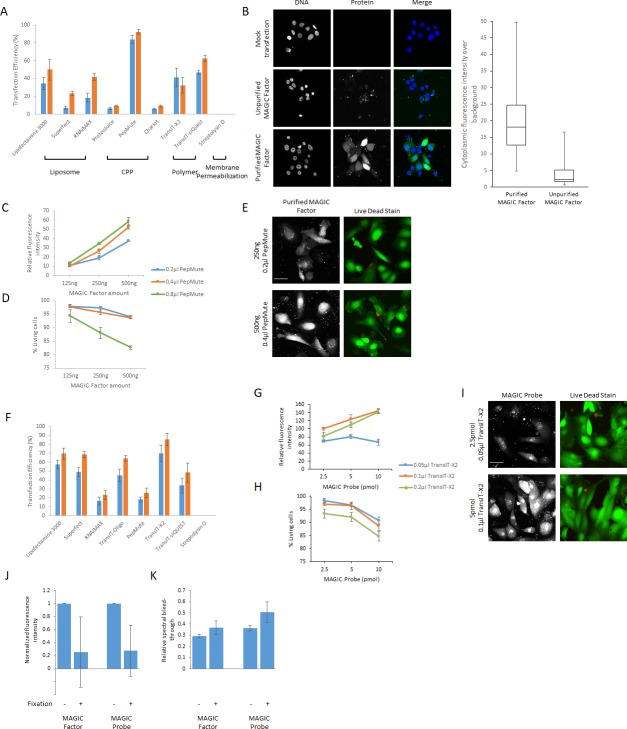
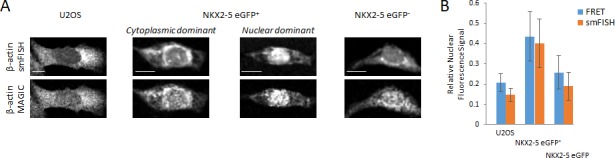
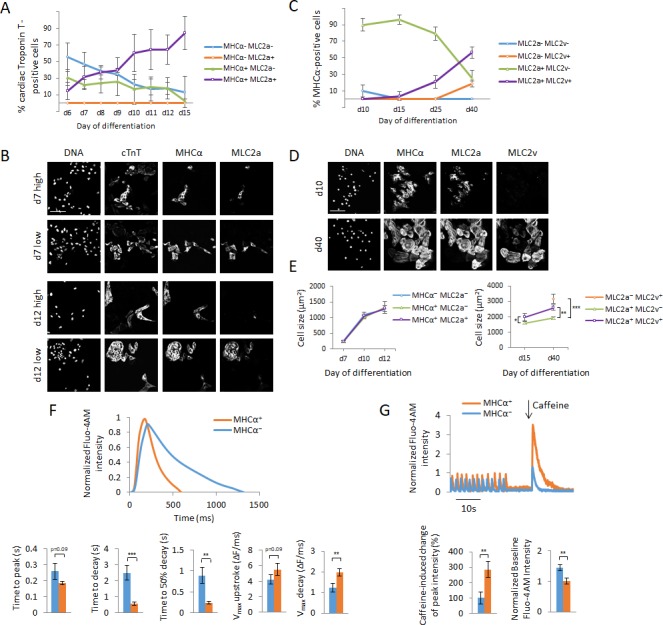
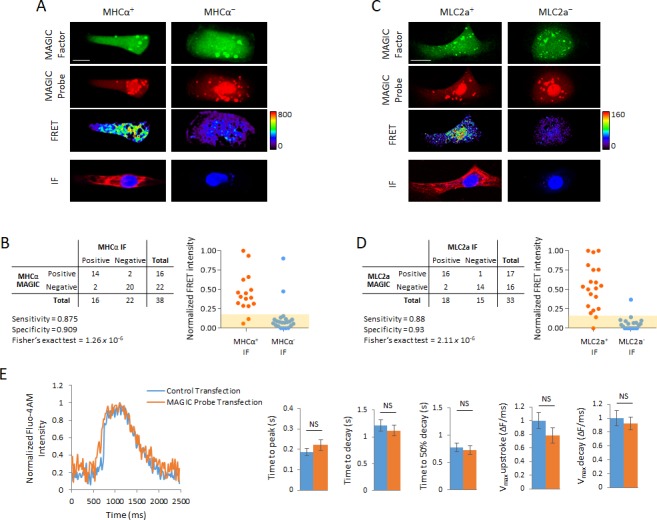
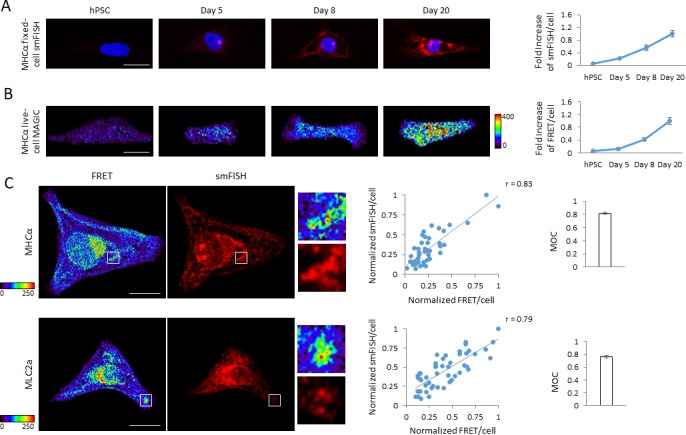
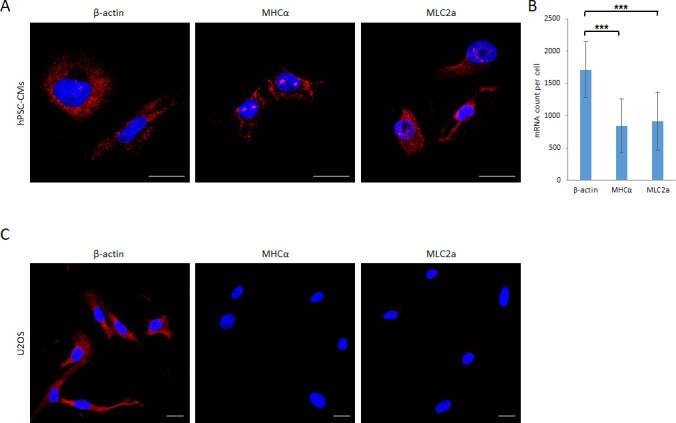
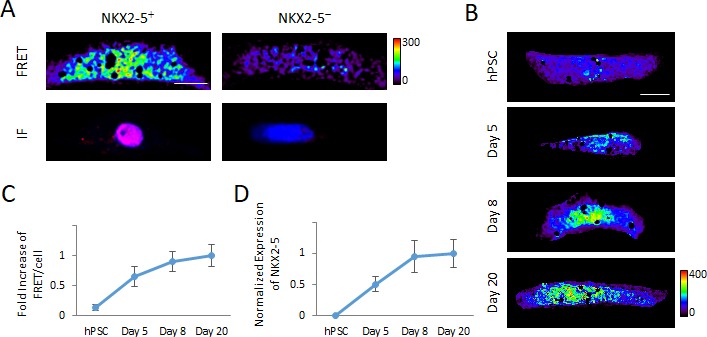
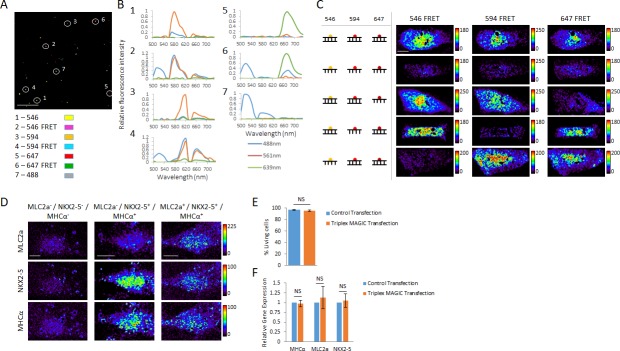
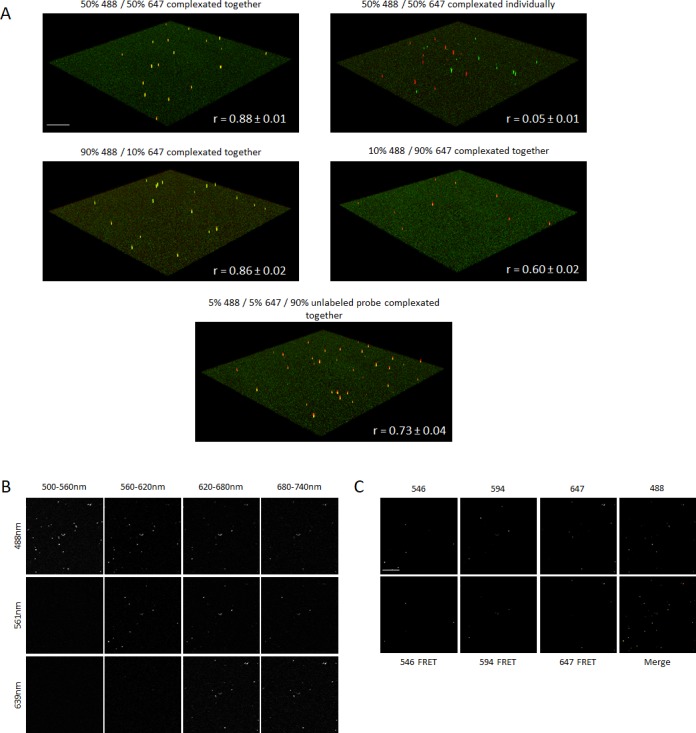
A fundamental goal in the biological sciences is to determine how individual cells with varied gene expression profiles and diverse functional characteristics contribute to development, physiology, and disease. Here, we report a novel strategy to assess gene expression and cell physiology in single living cells. Our approach utilizes fluorescently labeled mRNA-specific anti-sense RNA probes and dsRNA-binding protein to identify the expression of specific genes in real-time at single-cell resolution via FRET. We use this technology to identify distinct myocardial subpopulations expressing the structural proteins myosin heavy chain α and myosin light chain 2a in real-time during early differentiation of human pluripotent stem cells. We combine this live-cell gene expression analysis with detailed physiologic phenotyping to capture the functional evolution of these early myocardial subpopulations during lineage specification and diversification. This live-cell mRNA imaging approach will have wide ranging application wherever heterogeneity plays an important biological role.
在生物学领域,有一个基本目标,那就是确定具有不同基因表达谱和不同功能特性的单个细胞如何为发育、生理和疾病做出贡献。在这里,我们报告了一种评估单个活细胞中基因表达和细胞生理的新策略。我们的方法利用荧光标记的 mRNA 特异性反义 RNA 探针和 dsRNA 结合蛋白,通过 FRET 以单细胞分辨率实时识别特定基因的表达。我们使用这项技术实时识别人多能干细胞早期分化过程中表达结构蛋白肌球蛋白重链 α 和肌球蛋白轻链 2a 的不同心肌亚群。我们将这种活细胞基因表达分析与详细的生理表型分析相结合,以捕捉这些早期心肌亚群在谱系特化和多样化过程中的功能演变。这种活细胞 mRNA 成像方法将在异质性发挥重要生物学作用的任何地方得到广泛应用。