Perneczky Robert
Department of Psychiatry and Psychotherapy, University Hospital, LMU Munich, Munich, Germany; German Center for Neurodegenerative Diseases (DZNE) Munich, Munich, Germany; Neuroepidemiology and Ageing Research Unit, School of Public Health, Imperial College London, London, UK.
Dialogues Clin Neurosci. 2019 Mar;21(1):43-51. doi: 10.31887/DCNS.2019.21.1/rperneczky.
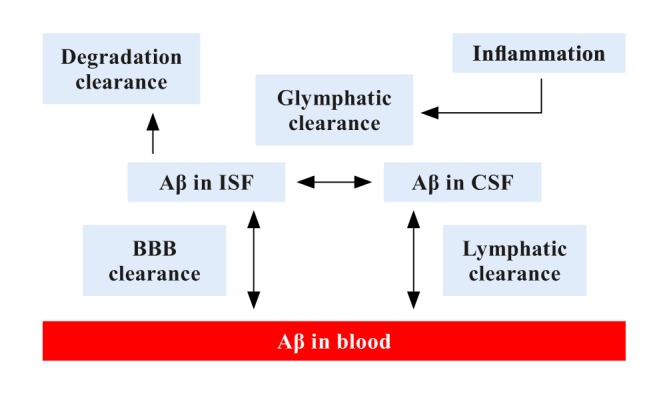
Alzheimer disease (AD) and dementia are becoming increasingly prevalent due to the aging of the global populations. Currently available treatment options, including acetylcholinesterase inhibitors and memantine, only have symptomatic effects and no drugs with disease-modifying properties are available. Research on the amyloid cascade indicates that amyloid-β (Aβ) clearance from the brain may be the main pathophysiological change in late-onset AD and the key driver of neurodegeneration, which ultimately results in progressive cognitive deterioration and dementia. Most new AD drug candidates target different aspects of Aβ clearance, eg, using passive anti-Aβ immunization, but so far, all efforts to develop more effective drugs have failed. In parallel, nonpharmacological prevention trials are being conducted to modify dementia risk associated with known epidemiological risk factors. Some initial results are promising, but replication across independent cohorts remains a challenge.
由于全球人口老龄化,阿尔茨海默病(AD)和痴呆症正变得越来越普遍。目前可用的治疗选择,包括乙酰胆碱酯酶抑制剂和美金刚,仅具有对症作用,尚无具有疾病修饰特性的药物。淀粉样蛋白级联反应的研究表明,从大脑中清除淀粉样β蛋白(Aβ)可能是晚发性AD的主要病理生理变化以及神经退行性变的关键驱动因素,最终导致进行性认知衰退和痴呆。大多数新的AD候选药物针对Aβ清除的不同方面,例如使用被动抗Aβ免疫,但到目前为止,开发更有效药物的所有努力均告失败。与此同时,正在进行非药物预防试验,以改变与已知流行病学风险因素相关的痴呆风险。一些初步结果很有前景,但在独立队列中的重复验证仍然是一项挑战。