Wang Taiyi, Streeter Hamish, Wang Xuan, Purnama Ujang, Lyu Ming, Carr Carolyn, Ma Yu-Ling
Oxford Chinese Medicine Research Centre, University of Oxford, Oxford, United Kingdom.
Department of Physiology, Anatomy and Genetics, University of Oxford, Oxford, United Kingdom.
Front Pharmacol. 2019 Sep 25;10:1138. doi: 10.3389/fphar.2019.01138. eCollection 2019.
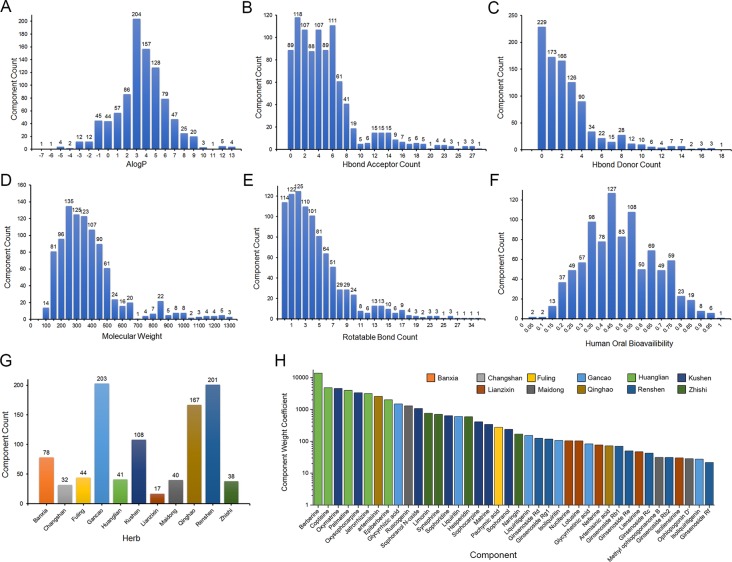
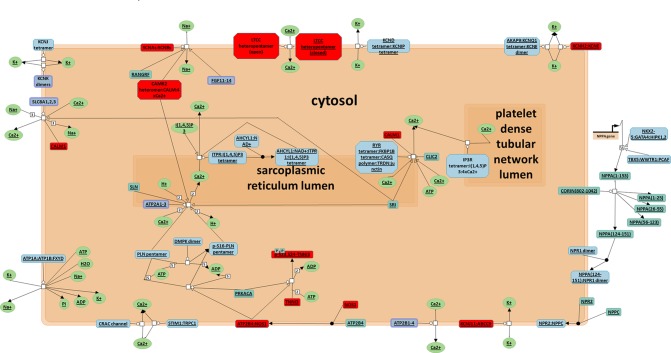
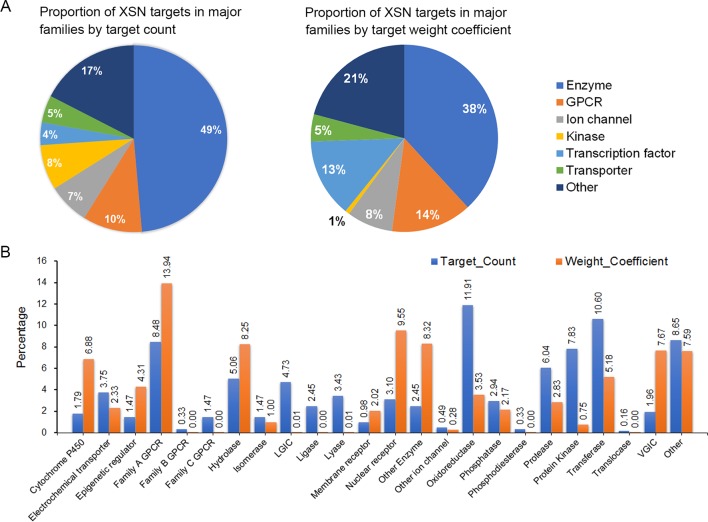
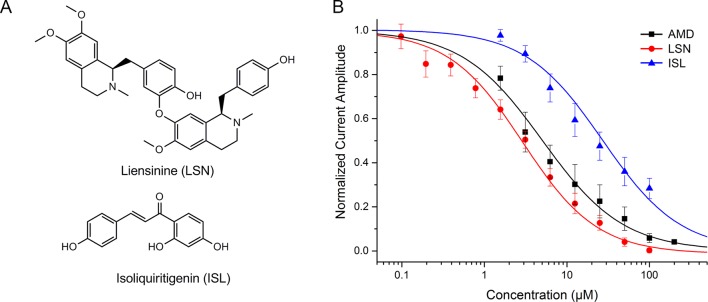
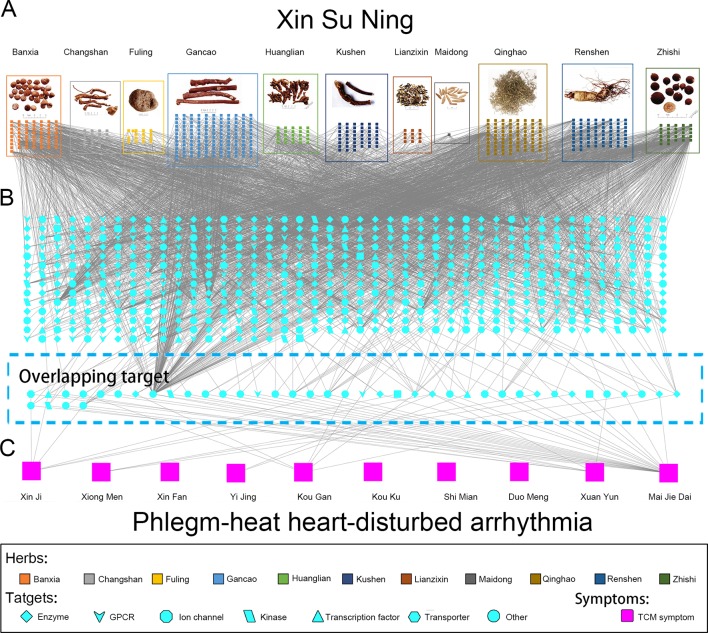
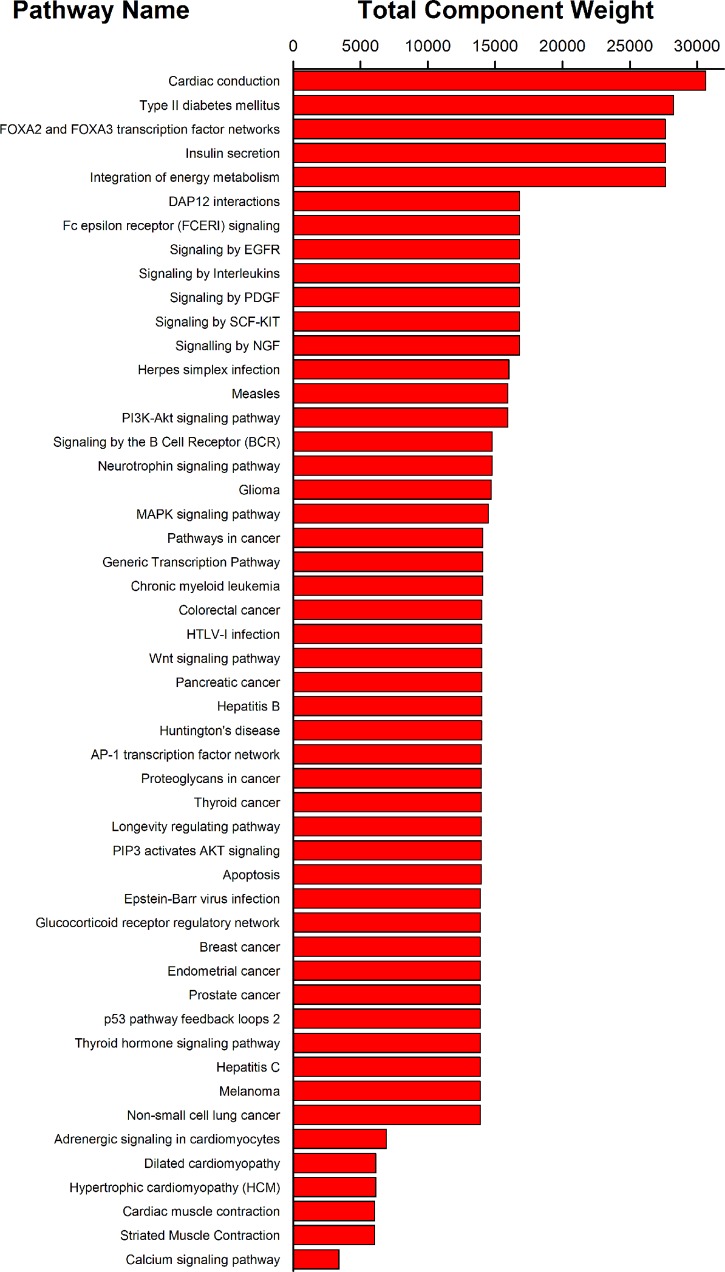
Xin Su Ning (XSN) is a China patented and certified traditional Chinese herbal medicine used to treat premature ventricular contractions (PVCs) since 2005. XSN is formulated with 11 herbs, designed to treat arrhythmia with phlegm-heat heart-disturbed syndrome (PHHD) according to Chinese medicine theory. The rational compatibility of the 11 herbs decides the therapeutic outcome of XSN. Due to the multicomponent nature of traditional Chinese medicine, it is difficult to use conventional pharmacology to interpret the therapeutic mechanism of XSN in terms of clear-cut drug molecule and target interactions. Network pharmacology/systematic pharmacology usually consider all the components in a formula with the same weight; therefore, the proportion of the weight of the components has been ignored. In the present study, we introduced a novel coefficient to mimic the relative amount of all the components in relation with the weight of the corresponding herb in the formula. The coefficient is also used to weigh the pharmacological effect of XSN on all relative biological pathways. We also used the cellular electrophysiological data generated in our lab, such as the effect of liensinine and isoliquiritigenin on Na1.5 channels; we therefore set sodium channel as one of the targets of these two components, which would support the clinical efficacy of XSN in treating tachyarrhythmia. Combining the collected data and our discovery, a panoramagram of the pharmacological mechanism of XSN was established. Pathway enrichment and analysis showed that XSN treated PHHD arrhythmia through multiple ion channels regulation, protecting the heart from I/R injury, inhibiting the apoptosis of cardiomyocyte, and improving glucose and lipid metabolism.
心速宁(XSN)是一种自2005年起在中国获得专利并认证的传统中药,用于治疗室性早搏(PVCs)。XSN由11味草药制成,根据中医理论旨在治疗痰热扰心型心律失常(PHHD)。这11味草药的合理配伍决定了XSN的治疗效果。由于中药的多成分性质,难以用传统药理学从明确的药物分子与靶点相互作用方面来解释XSN的治疗机制。网络药理学/系统药理学通常同等看待方剂中的所有成分;因此,各成分重量比例被忽视了。在本研究中,我们引入了一个新系数来模拟方剂中所有成分相对于相应草药重量的相对含量。该系数还用于权衡XSN对所有相关生物学途径的药理作用。我们还使用了实验室产生的细胞电生理数据,如莲心碱和异甘草素对Na1.5通道的作用;因此我们将钠通道设定为这两种成分的靶点之一,这将支持XSN治疗快速性心律失常的临床疗效。结合收集的数据和我们的发现,建立了XSN药理机制的全景图。通路富集和分析表明,XSN通过多种离子通道调节来治疗PHHD心律失常,保护心脏免受缺血/再灌注损伤,抑制心肌细胞凋亡,并改善糖脂代谢。