Jimenez-Quesada María José, Traverso José Angel, Potocký Martin, Žárský Viktor, Alché Juan de Dios
Plant Reproductive Biology and Advanced Microscopy Laboratory, Department of Biochemistry, Cellular and Molecular Biology of Plants, Estación Experimental del Zaidín (CSIC), Granada, Spain.
Institute of Experimental Botany of the Czech Academy of Sciences, Prague, Czechia.
Front Plant Sci. 2019 Sep 19;10:1149. doi: 10.3389/fpls.2019.01149. eCollection 2019.
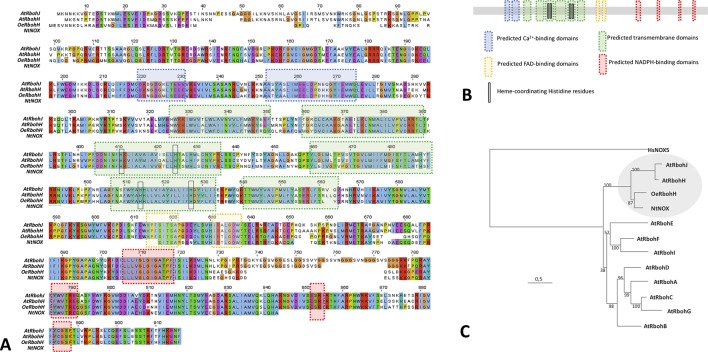
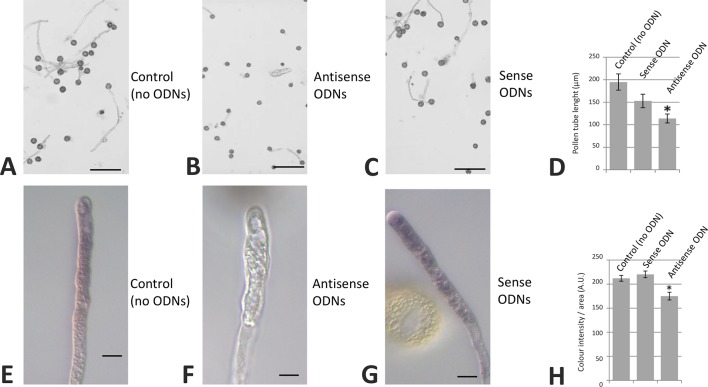
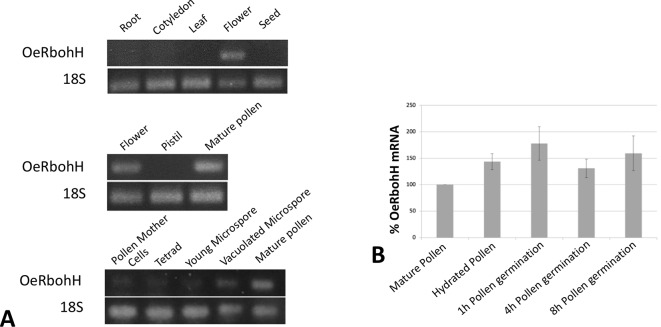
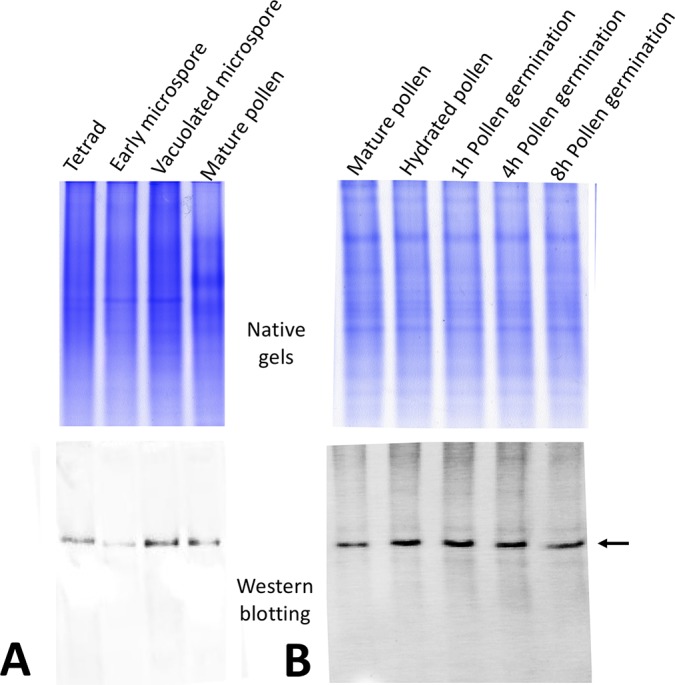
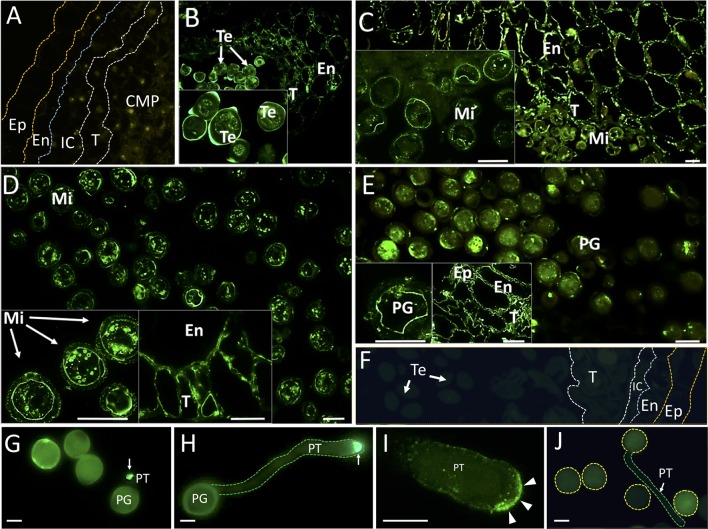
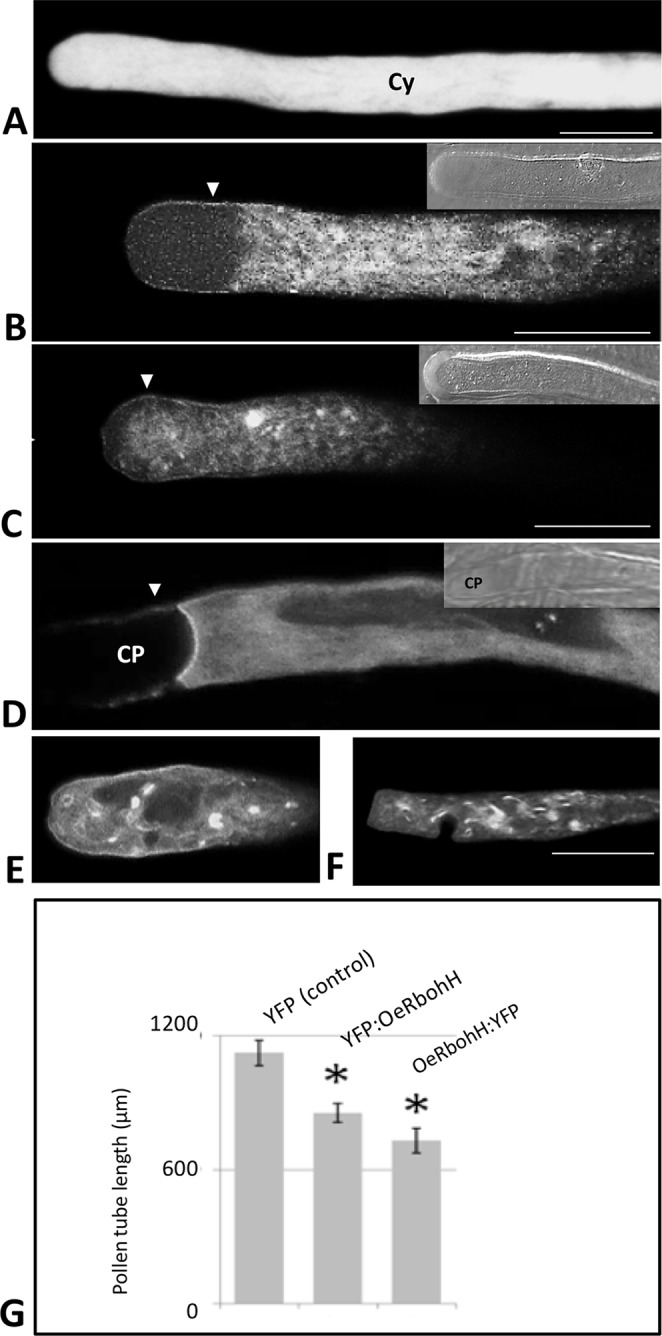
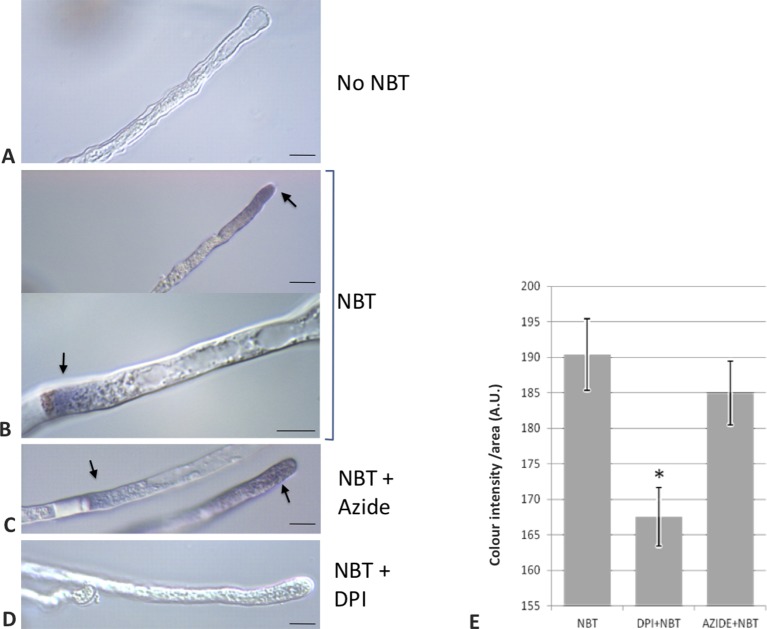
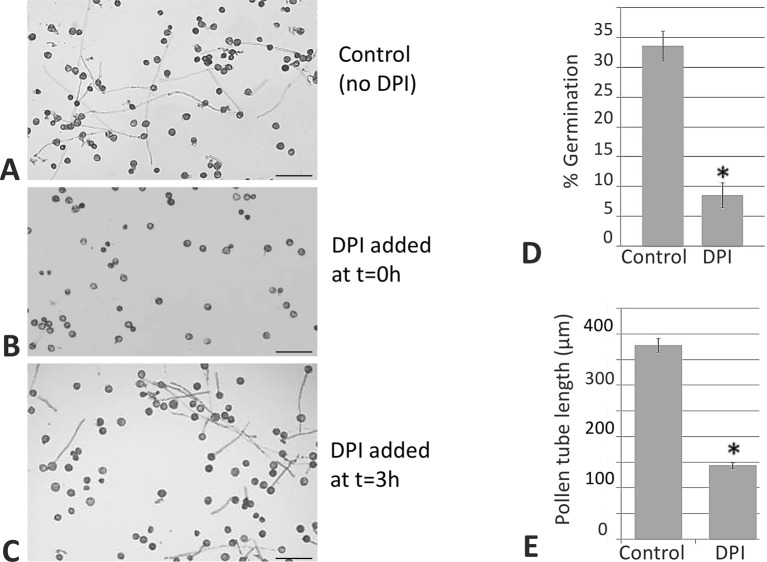
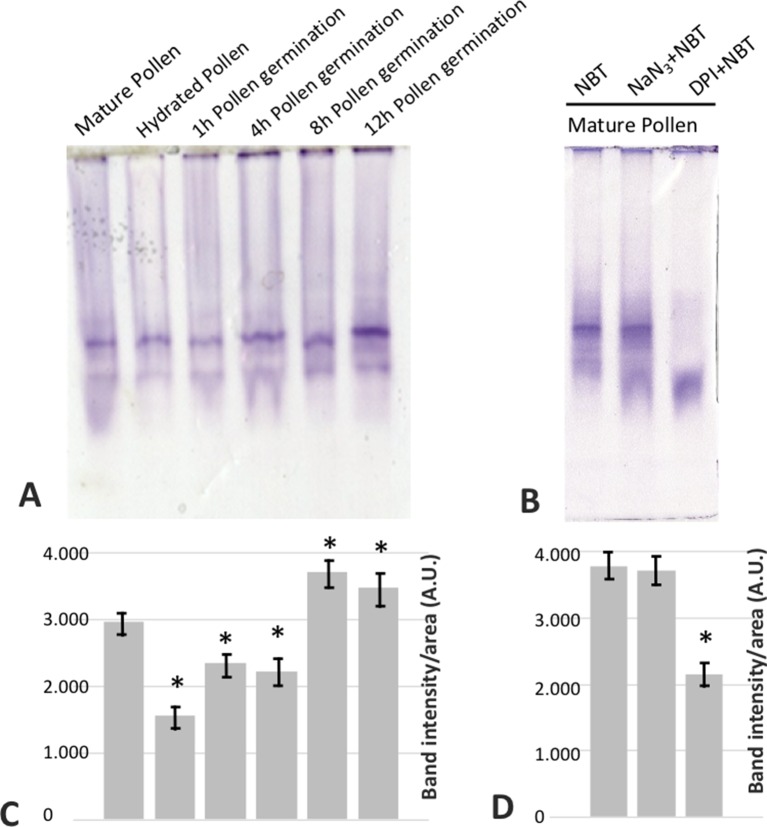
Reactive oxygen species (ROS) are produced in the olive reproductive organs as the result of intense metabolism. ROS production and pattern of distribution depend on the developmental stage, supposedly playing a broad panel of functions, which include defense and signaling between pollen and pistil. Among ROS-producing mechanisms, plasma membrane NADPH-oxidase activity is being highlighted in plant tissues, and two enzymes of this type have been characterized in pollen (RbohH and RbohJ), playing important roles in pollen physiology. Besides, pollen from different species has shown distinct ROS production mechanism and patterns of distribution. In the olive reproductive tissues, a significant production of superoxide has been described. However, the enzymes responsible for such generation are unknown. Here, we have identified an Rboh-type gene (OeRbohH), mainly expressed in olive pollen. OeRbohH possesses a high degree of identity with RbohH and RbohJ from , sharing most structural features and motifs. Immunohistochemistry experiments allowed us to localize OeRbohH throughout pollen ontogeny as well as during pollen tube elongation. Furthermore, the balanced activity of tip-localized OeRbohH during pollen tube growth has been shown to be important for normal pollen physiology. This was evidenced by the fact that overexpression caused abnormal phenotypes, whereas incubation with specific NADPH oxidase inhibitor or gene knockdown lead to impaired ROS production and subsequent inhibition of pollen germination and pollen tube growth.
活性氧(ROS)是橄榄生殖器官中强烈代谢的产物。ROS的产生及其分布模式取决于发育阶段,可能发挥多种功能,包括花粉与雌蕊之间的防御和信号传导。在产生ROS的机制中,质膜NADPH氧化酶活性在植物组织中受到关注,并且在花粉中已鉴定出两种此类酶(RbohH和RbohJ),它们在花粉生理中发挥重要作用。此外,不同物种的花粉表现出不同的ROS产生机制和分布模式。在橄榄生殖组织中,已描述有大量超氧化物产生。然而,负责这种产生的酶尚不清楚。在这里,我们鉴定了一个Rboh型基因(OeRbohH),其主要在橄榄花粉中表达。OeRbohH与来自其他物种的RbohH和RbohJ具有高度同源性,共享大多数结构特征和基序。免疫组织化学实验使我们能够在整个花粉发育过程以及花粉管伸长过程中定位OeRbohH。此外,已证明在花粉管生长过程中顶端定位的OeRbohH的平衡活性对正常花粉生理很重要。这一点通过以下事实得到证明:过表达导致异常表型,而用特定的NADPH氧化酶抑制剂处理或基因敲低会导致ROS产生受损,随后抑制花粉萌发和花粉管生长。