
鉴定和诱变中国仓鼠卵巢细胞内源性逆转录病毒以灭活病毒颗粒释放。
Characterization and mutagenesis of Chinese hamster ovary cells endogenous retroviruses to inactivate viral particle release.
机构信息
Institute of Biotechnology and Department of Fundamental Microbiology, University of Lausanne, Lausanne, Switzerland.
Present address: Selexis SA, Plan-les-Ouates, Switzerland.
出版信息
Biotechnol Bioeng. 2020 Feb;117(2):466-485. doi: 10.1002/bit.27200. Epub 2019 Nov 12.
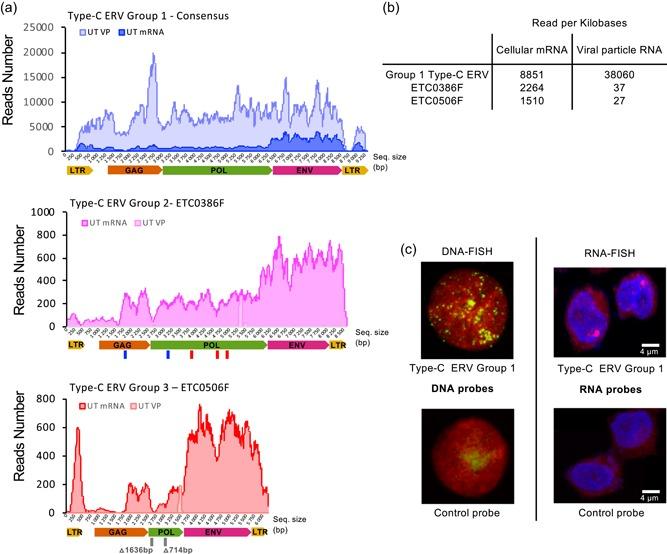
The Chinese hamster ovary (CHO) cells used to produce biopharmaceutical proteins are known to contain type-C endogenous retrovirus (ERV) sequences in their genome and to release retroviral-like particles. Although evidence for their infectivity is missing, this has raised safety concerns. As the genomic origin of these particles remained unclear, we characterized type-C ERV elements at the genome, transcriptome, and viral particle RNA levels. We identified 173 type-C ERV sequences clustering into three functionally conserved groups. Transcripts from one type-C ERV group were full-length, with intact open reading frames, and cognate viral genome RNA was loaded into retroviral-like particles, suggesting that this ERV group may produce functional viruses. CRISPR-Cas9 genome editing was used to disrupt the gag gene of the expressed type-C ERV group. Comparison of CRISPR-derived mutations at the DNA and RNA level led to the identification of a single ERV as the main source of the release of RNA-loaded viral particles. Clones bearing a Gag loss-of-function mutation in this ERV showed a reduction of RNA-containing viral particle release down to detection limits, without compromising cell growth or therapeutic protein production. Overall, our study provides a strategy to mitigate potential viral particle contaminations resulting from ERVs during biopharmaceutical manufacturing.
用于生产生物制药蛋白的中国仓鼠卵巢 (CHO) 细胞已知在其基因组中含有 C 型内源性逆转录病毒 (ERV) 序列,并释放类逆转录病毒颗粒。尽管缺乏其感染性的证据,但这引起了安全性方面的担忧。由于这些颗粒的基因组起源尚不清楚,我们在基因组、转录组和病毒颗粒 RNA 水平上对 C 型 ERV 元件进行了表征。我们鉴定了 173 种 C 型 ERV 序列,它们聚类为三个功能保守的组。一组 C 型 ERV 的转录本是全长的,具有完整的开放阅读框,并且同源病毒基因组 RNA 被加载到类逆转录病毒颗粒中,表明该 ERV 组可能产生功能性病毒。使用 CRISPR-Cas9 基因组编辑来破坏表达的 C 型 ERV 组的 gag 基因。比较 DNA 和 RNA 水平的 CRISPR 衍生突变导致鉴定出一个 ERV 是 RNA 加载的病毒颗粒释放的主要来源。在该 ERV 中携带 Gag 功能丧失突变的克隆显示 RNA 含量的病毒颗粒释放减少到检测限以下,而不影响细胞生长或治疗性蛋白的生产。总体而言,我们的研究提供了一种策略,可以减轻生物制药制造过程中 ERV 导致的潜在病毒颗粒污染。




 Zotero 插件