College of Animal Science, South China Agricultural University, Guangzhou, China.
Institute of Tropical Agriculture, University of Putra Malaysia, Serdang, Malaysia.
BMC Genomics. 2019 Oct 23;20(1):770. doi: 10.1186/s12864-019-6115-1.
Host genotype plays a crucial role in microbial composition of laying hens, which may lead to dissimilar odor gas production. The objective of this study was to investigate the relationship among layer breed, microbial structure and odor production.
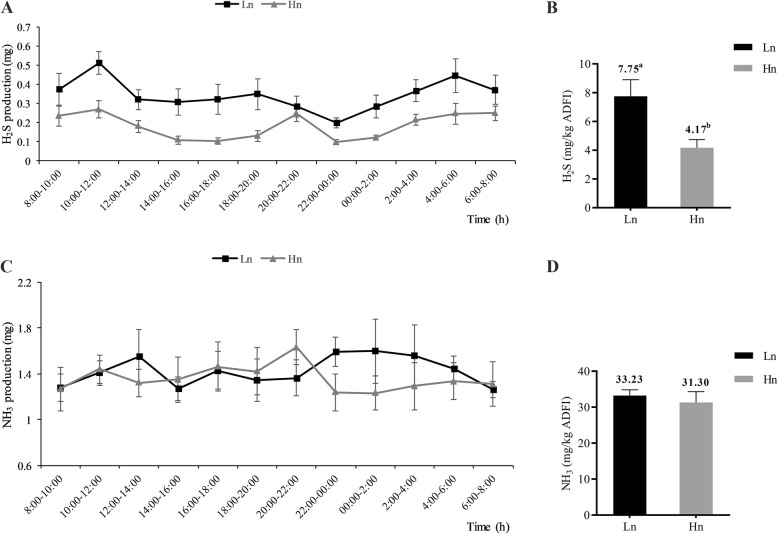
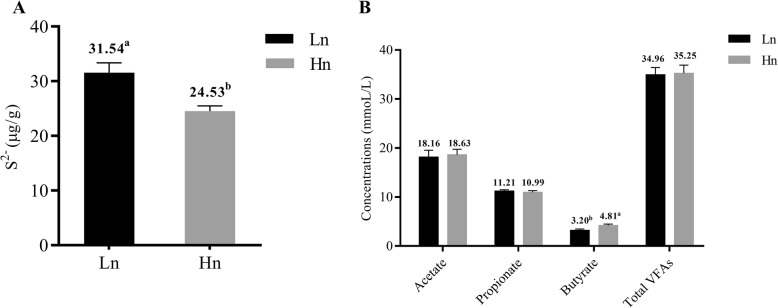
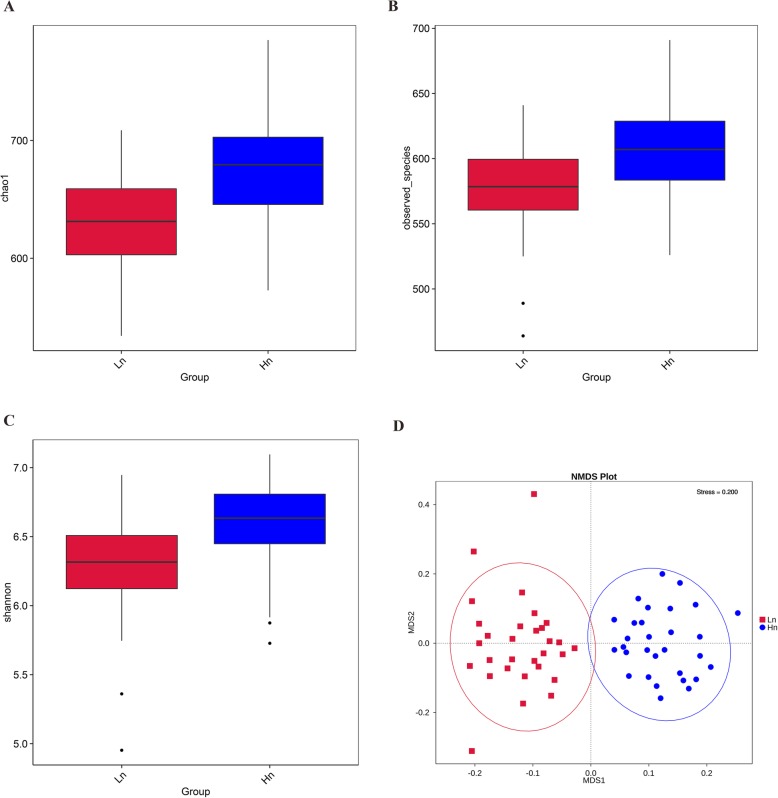
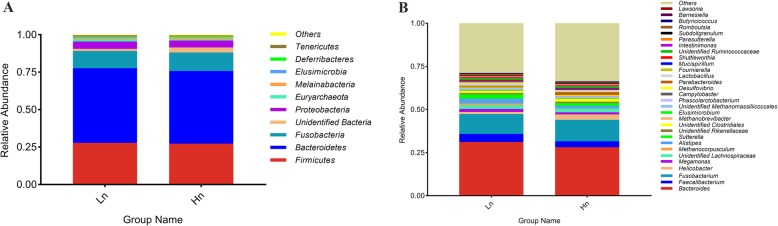
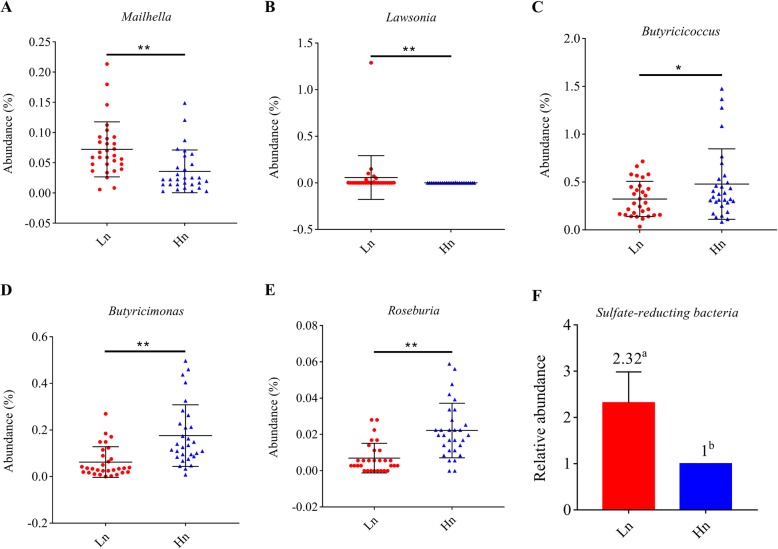
Thirty Hy-Line Gray and thirty Lohmann Pink laying hens were used in this study to determine the impact of cecal microbial structure on odor production of laying hens. The hens were managed under the same husbandry and dietary regimes. Results of in vivo experiments showed a lower hydrogen sulfide (HS) production from Hy-Line hens and a lower concentration of soluble sulfide (S) but a higher concentration of butyrate in the cecal content of the Hy-Line hens compared to Lohmann Pink hens (P < 0.05), which was consistent with the in vitro experiments (P < 0.05). However, ammonia (NH) production was not different between genotypes (P > 0.05). Significant microbial structural differences existed between the two breed groups. The relative abundance of some butyrate producers (including Butyricicoccus, Butyricimonas and Roseburia) and sulfate-reducing bacteria (including Mailhella and Lawsonia) were found to be significantly correlated with odor production and were shown to be different in the 16S rRNA and PCR data between two breed groups. Furthermore, some bacterial metabolism pathways associated with energy extraction and carbohydrate utilization (oxidative phosphorylation, pyruvate metabolism, energy metabolism, two component system and secretion system) were overrepresented in the Hy-Line hens, while several amino acid metabolism-associated pathways (amino acid related enzymes, arginine and proline metabolism, and alanine-aspartate and glutamate metabolism) were more prevalent in the Lohmann hens.
The results of this study suggest that genotype of laying hens influence cecal microbiota, which in turn modulates their odor production. Our study provides references for breeding and enteric manipulation for defined microbiota to reduce odor gas emission.
宿主基因型在蛋鸡的微生物组成中起着至关重要的作用,这可能导致不同的恶臭气体产生。本研究的目的是研究蛋鸡品种、微生物结构和恶臭产生之间的关系。
本研究使用 30 只海兰灰和 30 只罗曼粉蛋鸡,以确定盲肠微生物结构对蛋鸡恶臭产生的影响。这些母鸡在相同的饲养和饮食制度下管理。体内实验结果表明,海兰灰母鸡产生的硫化氢(HS)较低,盲肠内容物中可溶性硫化物(S)浓度较低,但丁酸浓度较高,与罗曼粉母鸡相比(P<0.05),这与体外实验结果一致(P<0.05)。然而,基因型之间的氨(NH)产生没有差异(P>0.05)。两个品种组之间存在显著的微生物结构差异。一些丁酸产生菌(包括丁酸梭菌、丁酸单胞菌和罗斯伯里氏菌)和硫酸盐还原菌(包括Mailhella 和 Lawsonia)的相对丰度与恶臭产生显著相关,并且在两个品种组的 16S rRNA 和 PCR 数据中存在差异。此外,一些与能量提取和碳水化合物利用相关的细菌代谢途径(氧化磷酸化、丙酮酸代谢、能量代谢、双组分系统和分泌系统)在海兰灰母鸡中过度表达,而几种与氨基酸代谢相关的途径(氨基酸相关酶、精氨酸和脯氨酸代谢以及丙氨酸-天冬氨酸和谷氨酸代谢)在罗曼母鸡中更为普遍。
本研究结果表明,蛋鸡品种影响盲肠微生物群,进而调节其恶臭产生。我们的研究为养殖和肠道操作提供了参考,以减少恶臭气体的排放。