Niemczyk-Soczynska Beata, Gradys Arkadiusz, Kolbuk Dorota, Krzton-Maziopa Anna, Sajkiewicz Pawel
Institute of Fundamental Technological Research, Polish Academy of Sciences, Pawinskiego 5b St., 02-106 Warsaw, Poland.
Faculty of Chemistry, Warsaw University of Technology, Noakowskiego 3 St., 00-664 Warsaw, Poland.
Polymers (Basel). 2019 Oct 28;11(11):1772. doi: 10.3390/polym11111772.
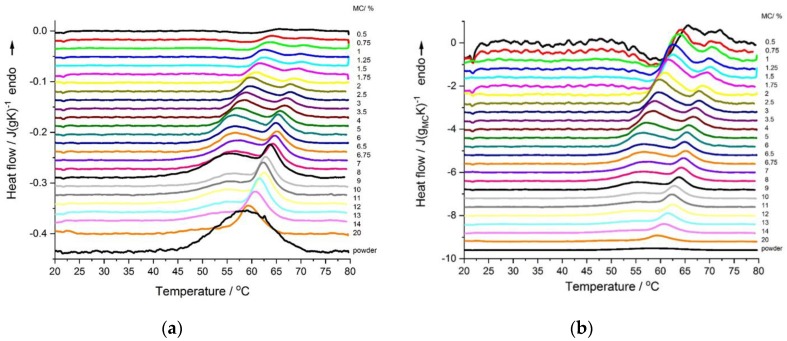
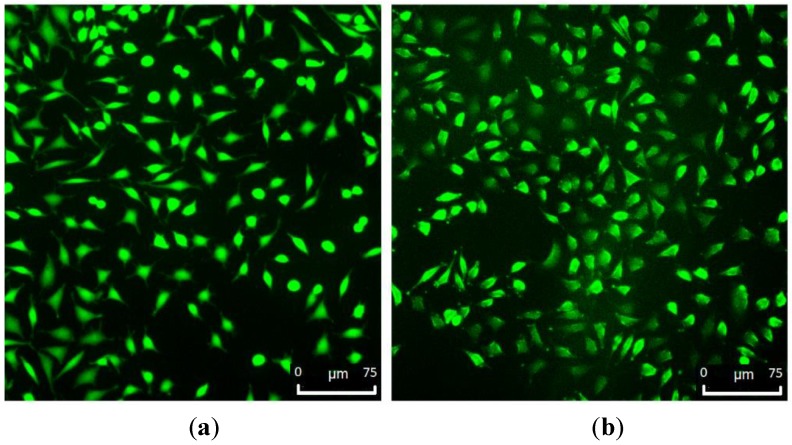
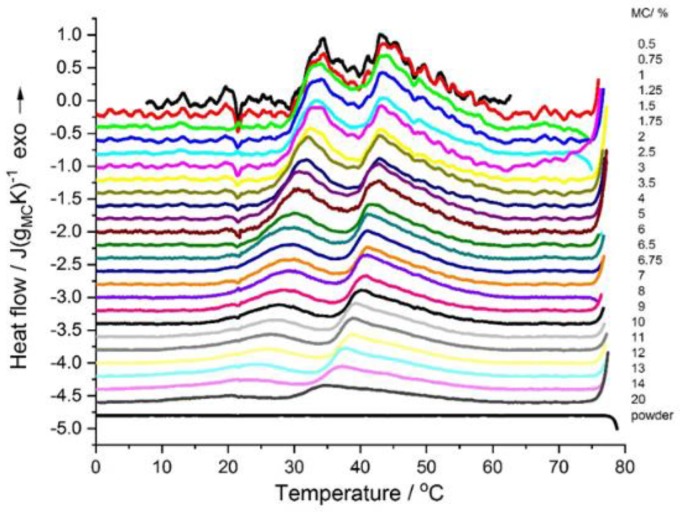
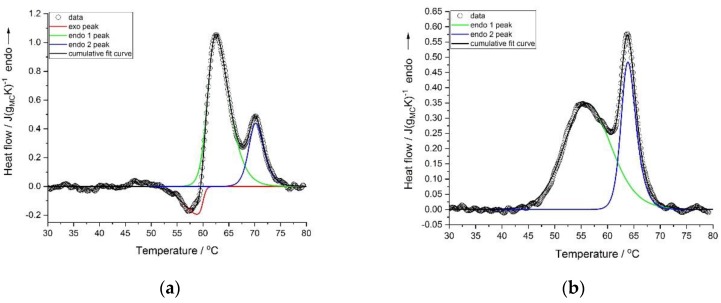
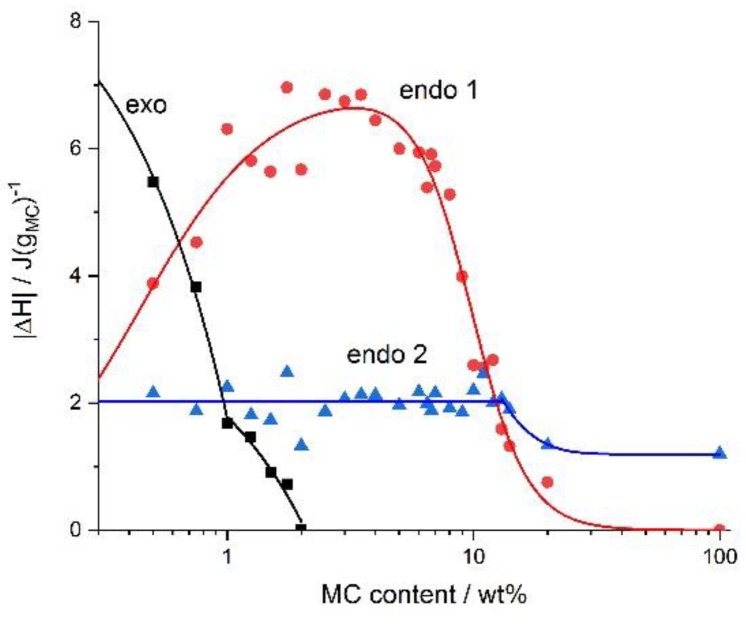
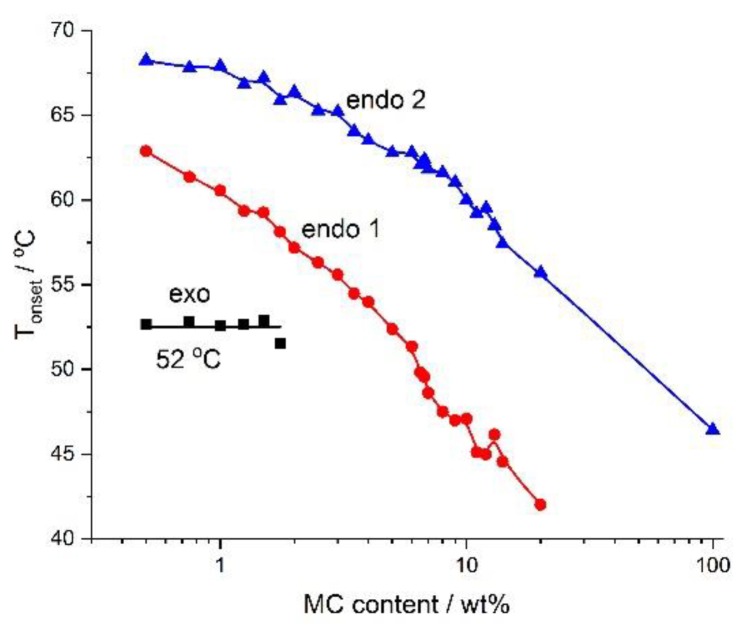
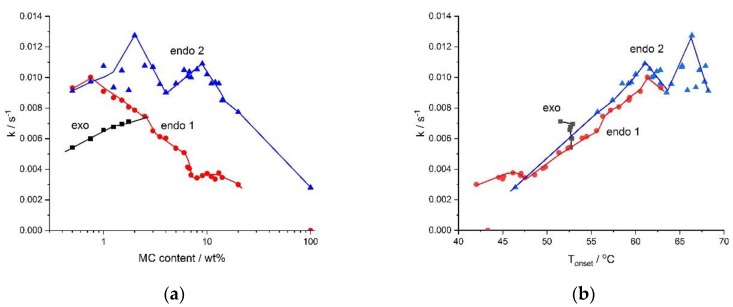
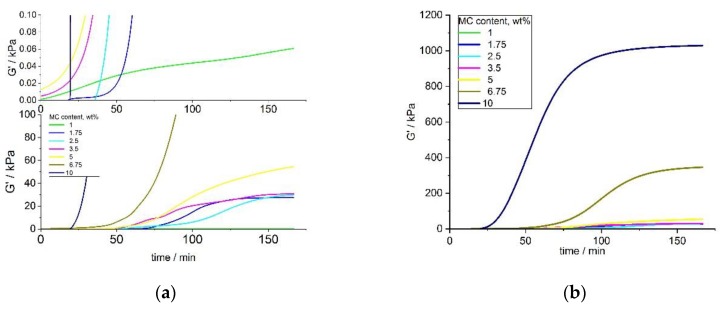
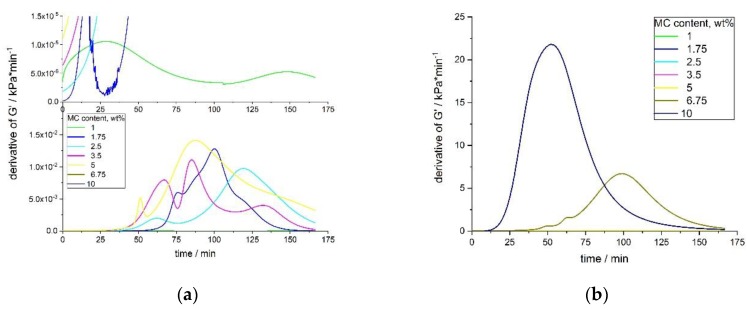
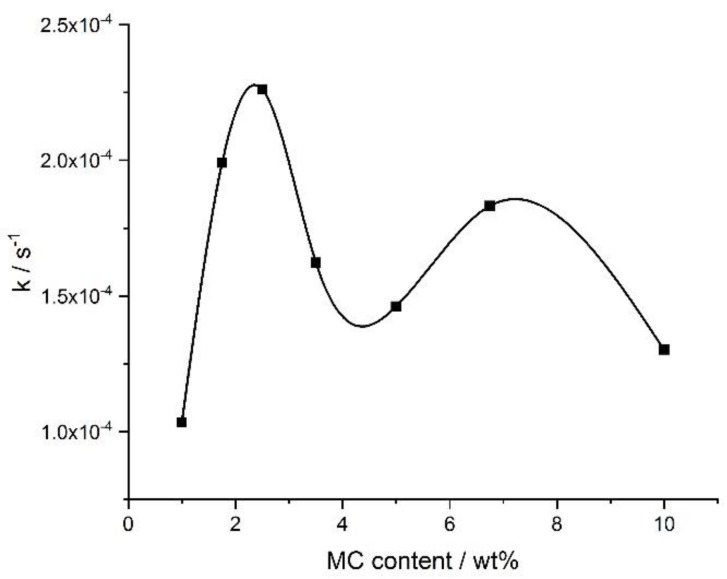
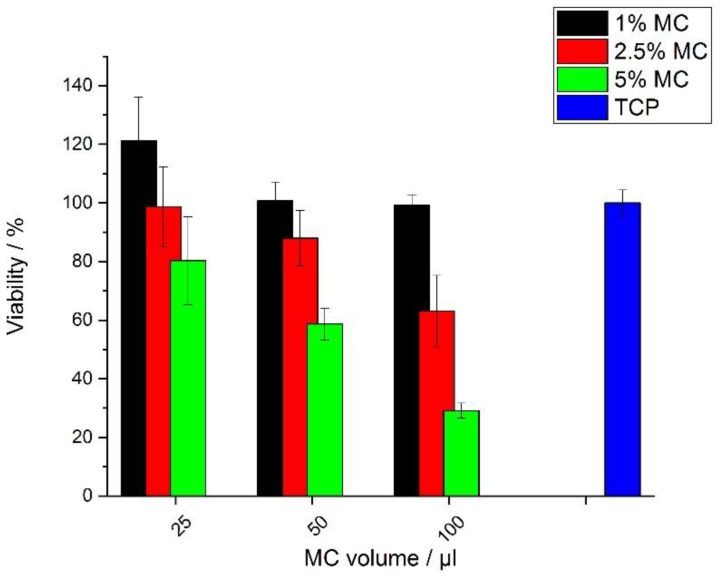
Thermosensitive, physically crosslinked injectable hydrogels are in the area of interests of various scientific fields. One of the representatives of this materials group is an aqueous solution of methylcellulose. At ambient conditions, methylcellulose (MC) is a sol while on heating up to 37 °C, MC undergoes physical crosslinking and transforms into a gel. Injectability at room temperature, and crosslinkability during subsequent heating to physiological temperature raises hopes, especially for tissue engineering applications. This research work aimed at studying crosslinking kinetics, thermal, viscoelastic, and biological properties of MC aqueous solution in a broad range of MC concentrations. It was evidenced by Differential Scanning Calorimetry (DSC) that crosslinking of MC is a reversible two-stage process, manifested by the appearance of two endothermic effects, related to the destruction of water cages around methoxy groups, followed by crosslinking via the formation of hydrophobic interactions between methoxy groups in the polymeric chains. The DSC results also allowed the determination of MC crosslinking kinetics. Complementary measurements of MC crosslinking kinetics performed by dynamic mechanical analysis (DMA) provided information on the final storage modulus, which was important from the perspective of tissue engineering applications. Cytotoxicity tests were performed using mouse fibroblasts and showed that MC at low concentration did not cause cytotoxicity. All these efforts allowed to assess MC hydrogel relevance for tissue engineering applications.
热敏性、物理交联的可注射水凝胶是各个科学领域关注的焦点。这类材料的代表之一是甲基纤维素水溶液。在环境条件下,甲基纤维素(MC)呈溶液状态,而加热至37°C时,MC会发生物理交联并转变为凝胶。室温下的可注射性以及随后加热至生理温度时的交联能力带来了诸多希望,尤其是在组织工程应用方面。这项研究工作旨在研究不同MC浓度范围内MC水溶液的交联动力学、热性能、粘弹性和生物学特性。差示扫描量热法(DSC)证明,MC的交联是一个可逆的两阶段过程,表现为出现两个吸热效应,这与甲氧基周围水笼的破坏有关,随后通过聚合物链中甲氧基之间形成疏水相互作用实现交联。DSC结果还可用于确定MC的交联动力学。通过动态力学分析(DMA)对MC交联动力学进行的补充测量提供了关于最终储能模量的信息,这从组织工程应用的角度来看非常重要。使用小鼠成纤维细胞进行了细胞毒性测试,结果表明低浓度的MC不会引起细胞毒性。所有这些工作有助于评估MC水凝胶在组织工程应用中的相关性。