Acheampong Desmond O, Barffour Isaac K, Boye Alex, Asiamah Ernest A, Armah Francis A, Adokoh Christian K, Oluyemi Joy F, Adrah Benjamin, Opoku Richard, Adakudugu Emmanuel
Department of Biomedical Sciences, School of Allied Health Sciences, University of Cape Coast, Cape Coast, Ghana.
Department of Medical Laboratory Science, School of Allied Health Sciences, University of Cape Coast, Cape Coast, Ghana.
Adv Urol. 2019 Sep 25;2019:3031609. doi: 10.1155/2019/3031609. eCollection 2019.
Benign prostatic hyperplasia (BPH) is a common urological disorder reported among ageing men.
The study assessed histoprotective effect of lime essential oil (LEO) in a rat model of testosterone-induced benign prostatic hyperplasia (BPH) and evaluated its ability to reverse testosterone-mediated changes in the testis, kidney, and liver.
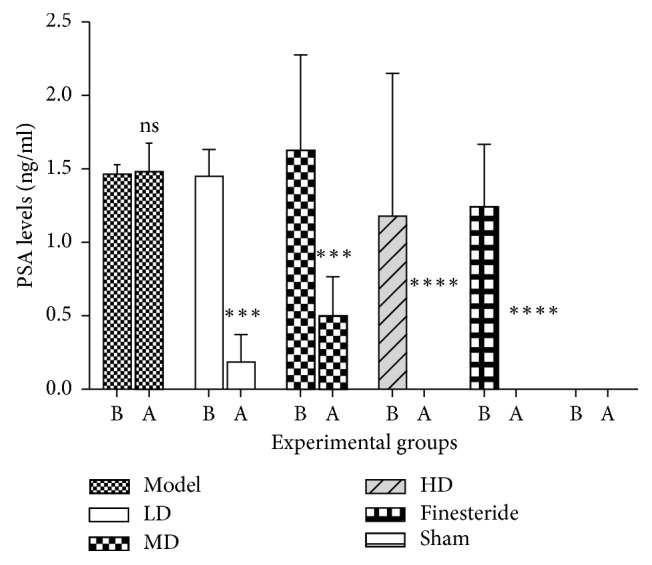
Adult Sprague Dawley (aged 12 weeks, 240-390 g) male rats were intramuscularly injected with testosterone enanthate (TE) (10 mg/kg) reconstituted in olive oil for ten days to establish benign prostatic hyperplasia (serum PSA level ≥ 1.24 ng/ml) in. After confirmation of BPH (sustained serum PSA level ≥ 1.24 ng/ml), rats in all groups (LEO: 30, 100, and 300 mg/kg, , = 6; finasteride: 15 mg/kg, , = 6) except model (BPH without treatment) and sham (no BPH and no treatment) groups were treated for 21 days. At the end of treatment, rats were anesthetised and blood was collected via cardiac puncture to determine serum PSA and total antioxidant capacity (TAC) levels. The prostate gland, testis, kidney, and liver were harvested, weighed, histologically processed and stained with H&E.
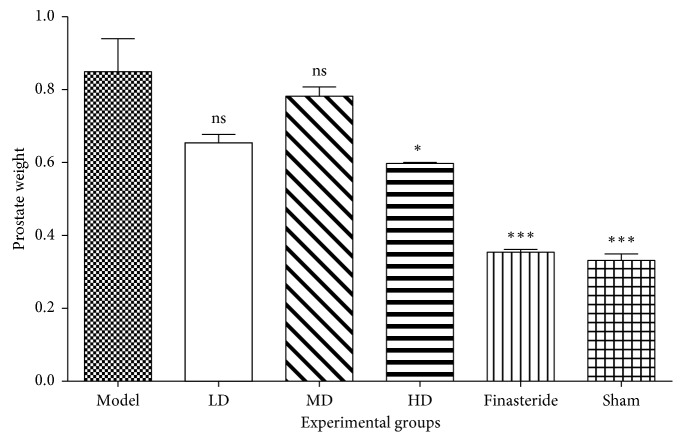
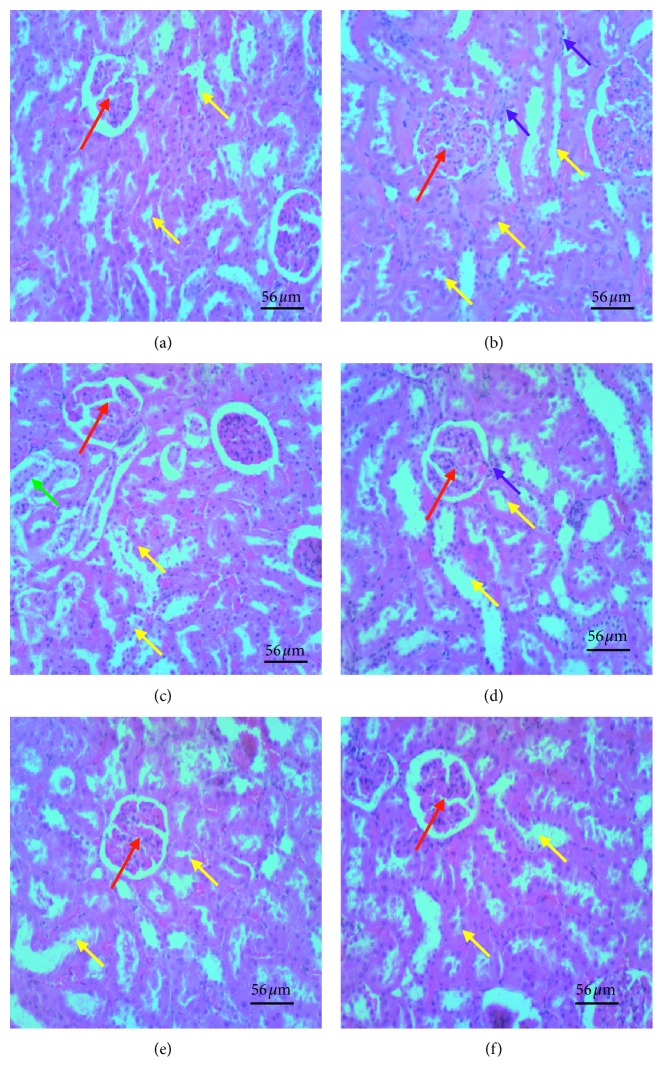
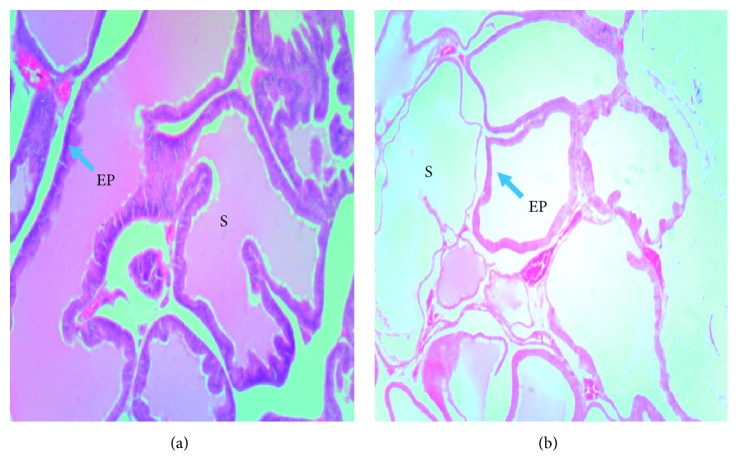
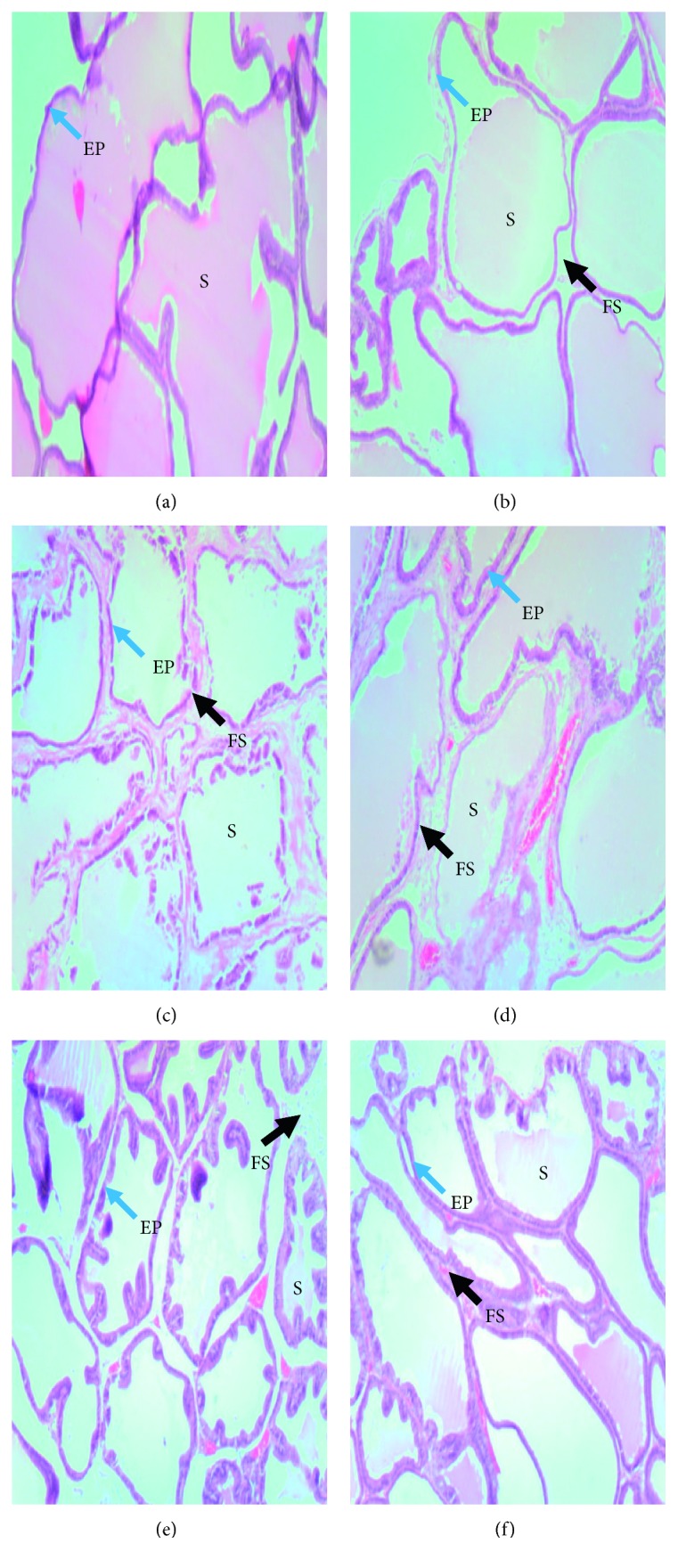
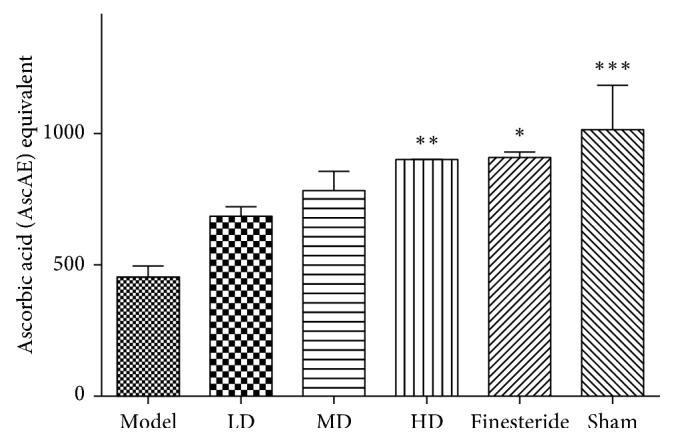
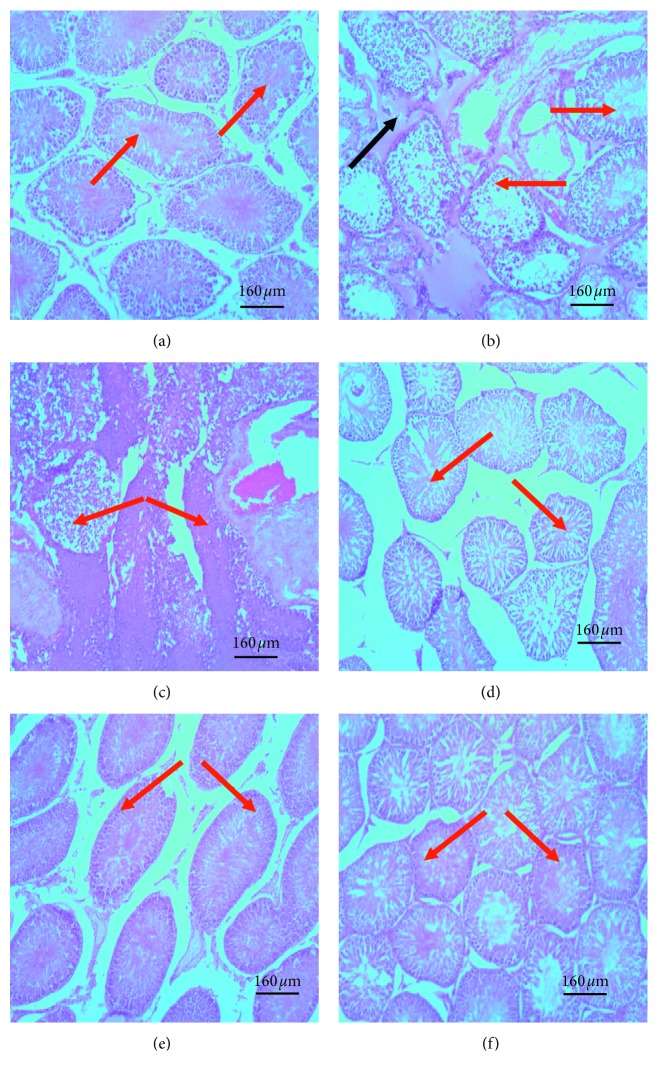
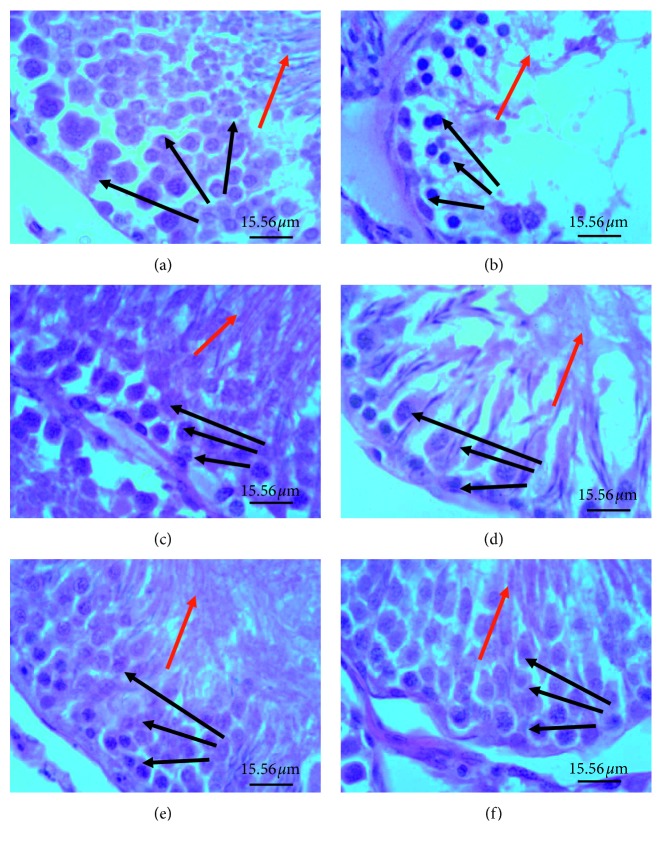
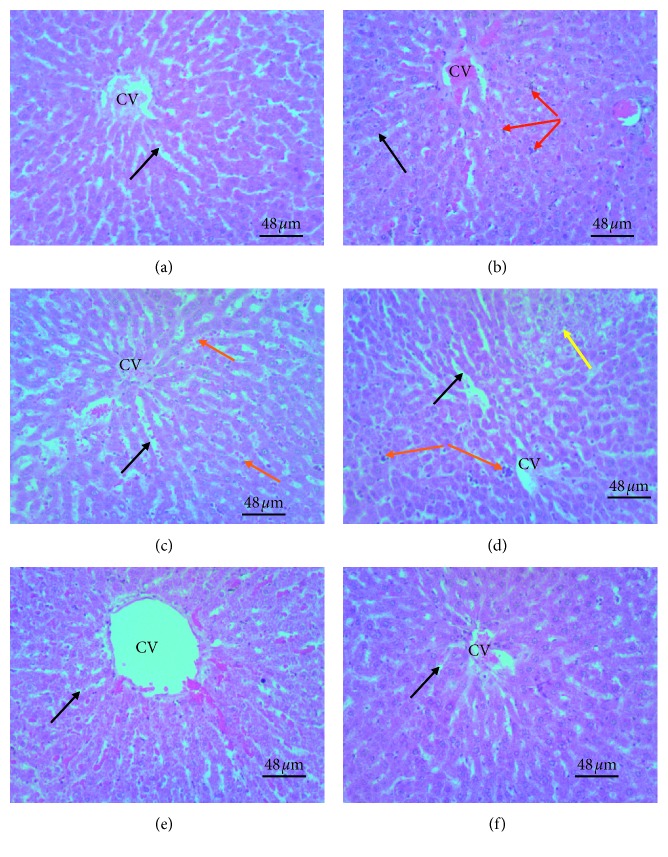
LEO- and finasteride-treated groups recorded lesser mean prostatic weights relative to their model group. Baseline mean serum PSA level of LEO- and finasteride-treated groups reduced significantly ( < 0.05) relative to model group. Serum TAC levels were also higher in LEO- and finasteride-treated groups relative to model group. LEO-treated groups had less thickened glandular epithelium, smaller acini, fewer prostatic secretions and more fibromuscular stroma relative to model group. LEO and finasteride treatment produced improved histomorphological characteristics of testis, kidney, and liver compared to model group.
By the current results, LEO may possess active agents that can be explored for translational medicine against BPH.
良性前列腺增生(BPH)是老年男性中常见的泌尿系统疾病。
本研究评估了石灰精油(LEO)在睾酮诱导的良性前列腺增生(BPH)大鼠模型中的组织保护作用,并评估了其逆转睾酮介导的睾丸、肾脏和肝脏变化的能力。
成年Sprague Dawley(12周龄,240 - 390 g)雄性大鼠肌肉注射用橄榄油复溶的庚酸睾酮(TE)(10 mg/kg),持续10天以建立良性前列腺增生(血清PSA水平≥1.24 ng/ml)。在确认BPH(血清PSA水平持续≥1.24 ng/ml)后,除模型组(未治疗的BPH)和假手术组(无BPH且未治疗)外,所有组(LEO:30、100和300 mg/kg,n = 6;非那雄胺:15 mg/kg,n = 6)的大鼠均接受21天的治疗。治疗结束时,将大鼠麻醉并通过心脏穿刺采血以测定血清PSA和总抗氧化能力(TAC)水平。摘取前列腺、睾丸、肾脏和肝脏,称重,进行组织学处理并用苏木精和伊红染色。
与模型组相比,LEO和非那雄胺治疗组的平均前列腺重量较小。LEO和非那雄胺治疗组的基线平均血清PSA水平相对于模型组显著降低(P < 0.05)。LEO和非那雄胺治疗组的血清TAC水平也高于模型组。与模型组相比,LEO治疗组的腺上皮增厚程度较轻、腺泡较小、前列腺分泌物较少且纤维肌肉基质较多。与模型组相比,LEO和非那雄胺治疗使睾丸、肾脏和肝脏的组织形态学特征得到改善。
根据目前的结果,LEO可能含有可用于抗BPH转化医学研究的活性成分。