Department of Geology, University of Maryland, College Park, Maryland.
Danell Consulting, Inc, Winterville, North Carolina.
J Mass Spectrom. 2020 Jan;55(1):e4454. doi: 10.1002/jms.4454. Epub 2019 Nov 28.
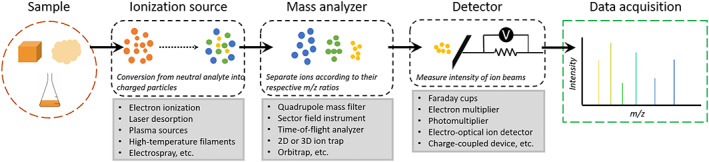
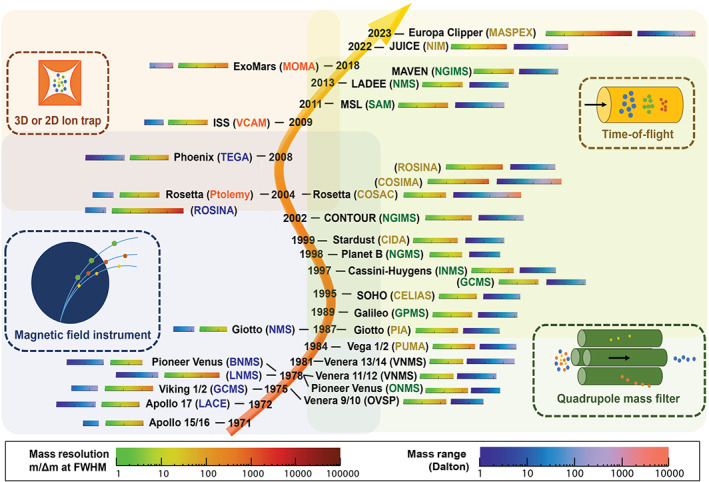
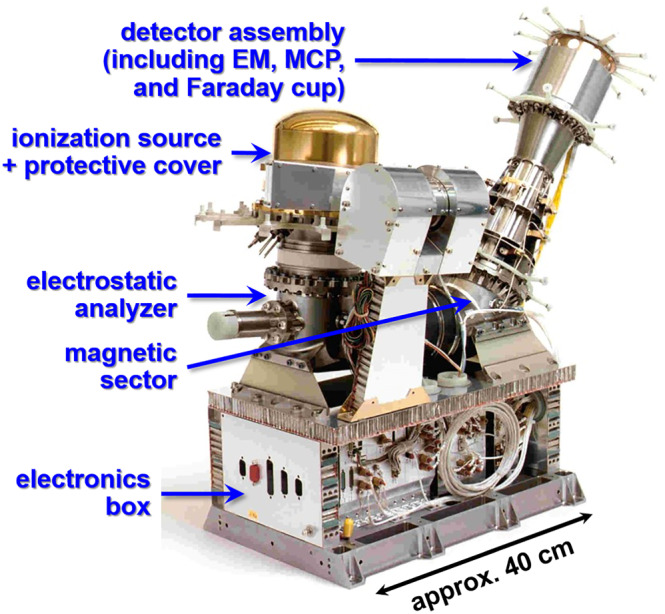
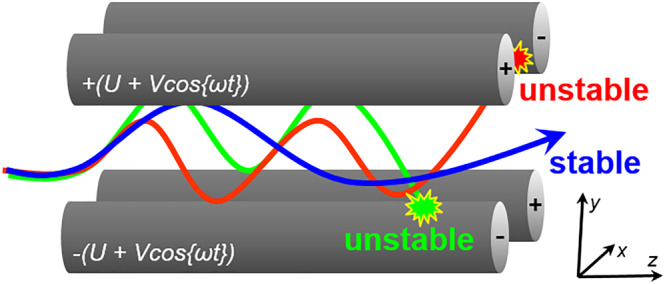
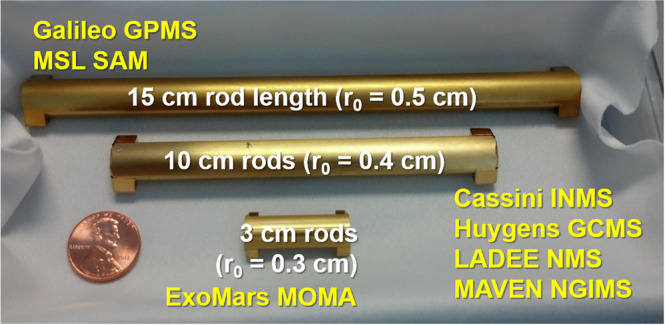
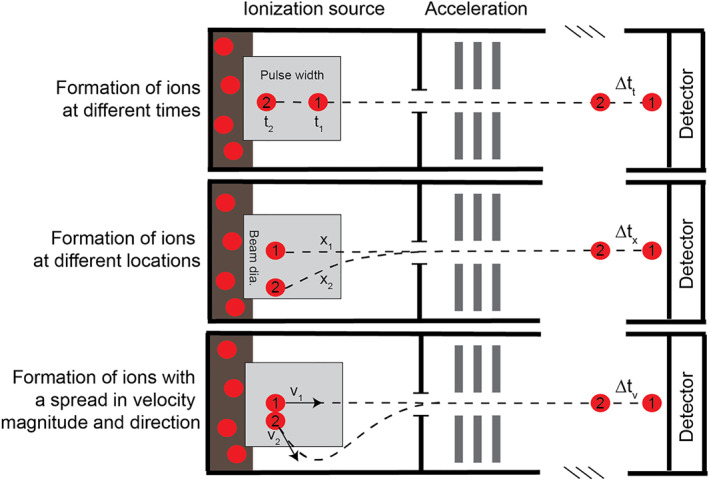
Since the inception of mass spectrometry more than a century ago, the field has matured as analytical capabilities have progressed, instrument configurations multiplied, and applications proliferated. Modern systems are able to characterize volatile and nonvolatile sample materials, quantitatively measure abundances of molecular and elemental species with low limits of detection, and determine isotopic compositions with high degrees of precision and accuracy. Consequently, mass spectrometers have a rich history and promising future in planetary exploration. Here, we provide a short review on the development of mass analyzers and supporting subsystems (eg, ionization sources and detector assemblies) that have significant heritage in spaceflight applications, and we introduce a selection of emerging technologies that may enable new and/or augmented mission concepts in the coming decades.
自一个多世纪前质谱技术问世以来,随着分析能力的进步、仪器配置的增加和应用的多样化,该领域已经成熟。现代系统能够对挥发性和非挥发性样品材料进行特征分析,以低检测限定量测量分子和元素物种的丰度,并以高精度和高准确度确定同位素组成。因此,质谱仪在行星探索方面有着丰富的历史和广阔的前景。在这里,我们简要回顾了在航天应用中具有重要遗产的质量分析器和辅助子系统(例如,离子源和探测器组件)的发展,并介绍了一些新兴技术,这些技术可能在未来几十年中实现新的和/或增强的任务概念。