Guha Manti, Srinivasan Satish, Sheehan Maura M, Kijima Takashi, Ruthel Gordon, Whelan Kelly, Tanaka Koji, Klein-Szanto Andres, Chandramouleeswaran Prasanna M, Nakagawa Hiroshi, Avadhani Narayan G
Department of Biomedical Sciences, School of Veterinary Medicine, University of Pennsylvania, Philadelphia, PA, USA.
Herbert Irving Comprehensive Cancer Center, Columbia University Medical Center, New York, NY, USA.
Oncotarget. 2019 Oct 22;10(58):6245-6259. doi: 10.18632/oncotarget.27264.
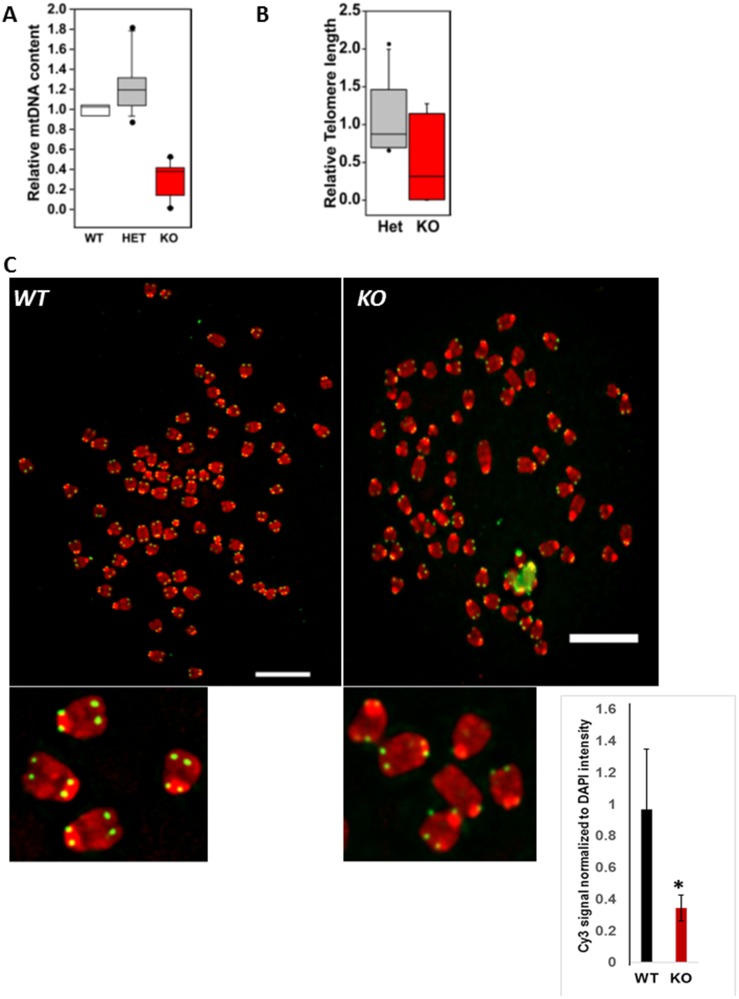
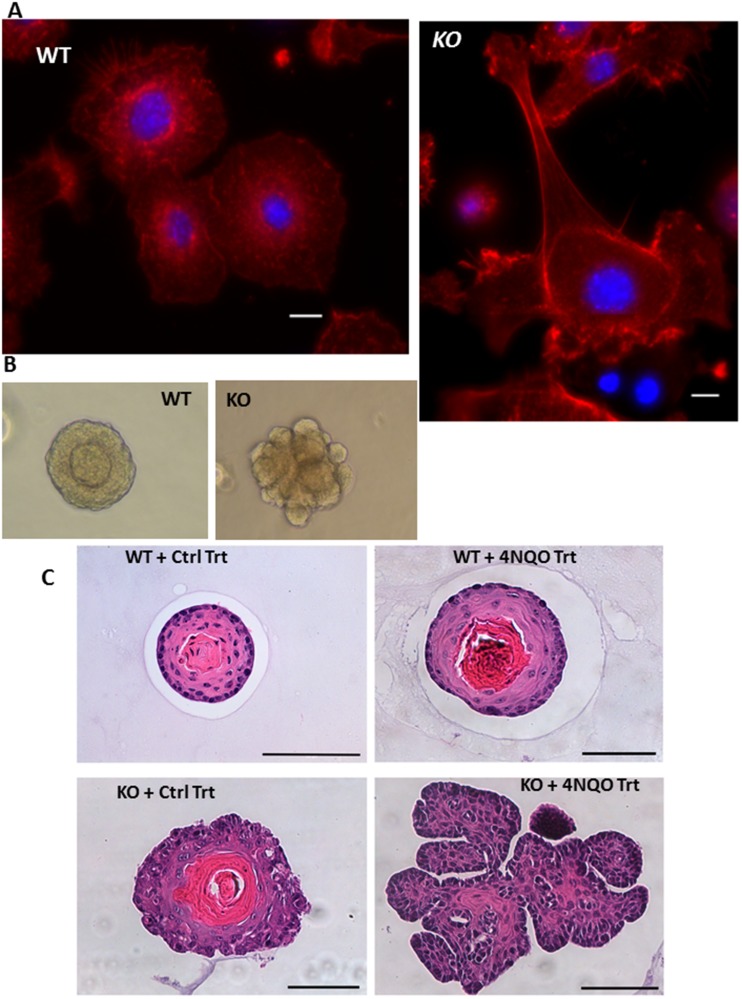
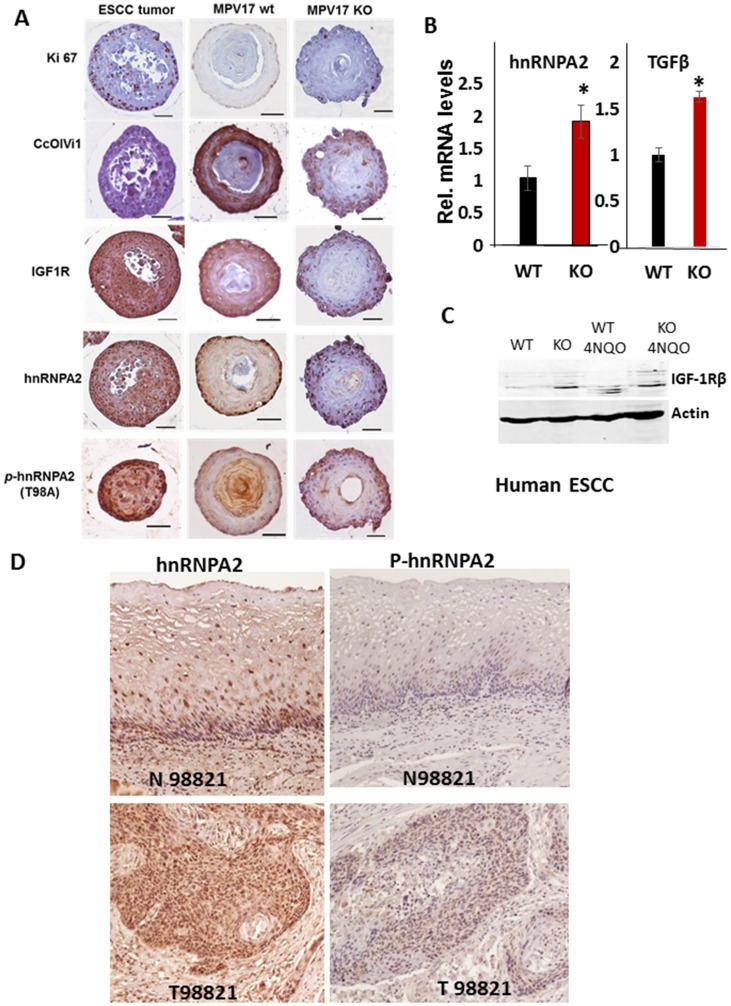
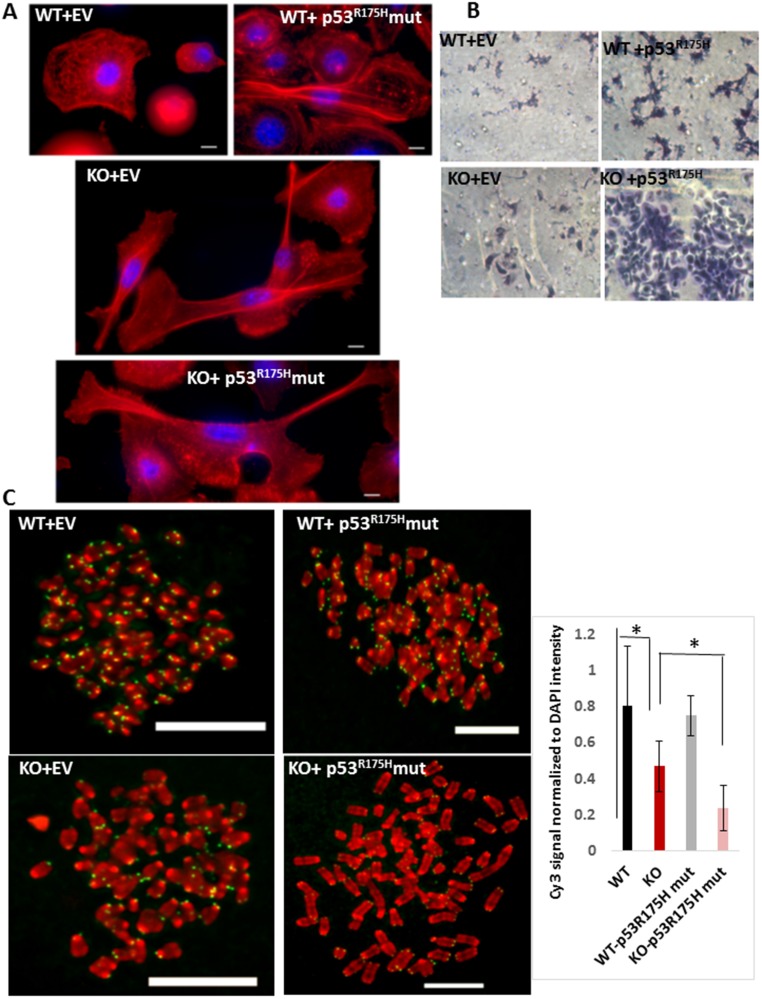
Esophageal squamous cell carcinoma (ESCC) is an aggressive cancer with late-stage detection and poor prognosis. This emphasizes the need to identify new markers for early diagnosis and treatment. Altered mitochondrial genome (mtDNA) content in primary tumors correlates with poor patient prognosis. Here we used three-dimensional (3D) organoids of esophageal epithelial cells (EECs) from the mouse model of mtDNA depletion to investigate the contribution of reduced mtDNA content in ESCC oncogenicity. To test if mtDNA defects are a contributing factor in ESCC, we used oncogenic stimuli such as ESCC carcinogen 4-nitroquinoline oxide (4-NQO) treatment, or expressing p53 oncogenic driver mutation. We observed that EECs and 3D-organoids with mtDNA depletion had cellular, morphological and genetic alterations typical of an oncogenic transition. Furthermore, mitochondrial dysfunction induced cellular transformation is accompanied by elevated mitochondrial fission protein, DRP1 and pharmacologic inhibition of mitochondrial fission by mDivi-1 in the organoids reversed the phenotype to that of normal EEC organoids. Our studies show that mtDNA copy number depletion, activates a mitochondrial retrograde response, potentiates telomere defects, and increases the oncogenic susceptibility towards ESCC. Furthermore, mtDNA depletion driven cellular plasticity is mediated via altered mitochondrial fission-fusion dynamics.
食管鳞状细胞癌(ESCC)是一种侵袭性癌症,检测往往较晚且预后较差。这凸显了识别早期诊断和治疗新标志物的必要性。原发性肿瘤中线粒体基因组(mtDNA)含量的改变与患者预后不良相关。在这里,我们使用来自mtDNA耗竭小鼠模型的食管上皮细胞(EEC)的三维(3D)类器官,来研究mtDNA含量降低在ESCC致癌性中的作用。为了测试mtDNA缺陷是否是ESCC的一个促成因素,我们使用致癌刺激,如ESCC致癌物4-硝基喹啉氧化物(4-NQO)处理,或表达p53致癌驱动突变。我们观察到,mtDNA耗竭的EEC和3D类器官具有致癌转变典型的细胞、形态和基因改变。此外,线粒体功能障碍诱导的细胞转化伴随着线粒体分裂蛋白DRP1的升高,并且在类器官中用mDivi-1对线粒体分裂进行药理学抑制可将表型逆转至正常EEC类器官的表型。我们的研究表明,mtDNA拷贝数耗竭会激活线粒体逆行反应,加剧端粒缺陷,并增加对ESCC的致癌易感性。此外,mtDNA耗竭驱动的细胞可塑性是通过改变线粒体分裂-融合动力学来介导的。