Department of Biomedical Sciences, School of Veterinary Medicine, University of Pennsylvania, Philadelphia, Pennsylvania, United States of America.
PLoS One. 2018 Dec 21;13(12):e0209489. doi: 10.1371/journal.pone.0209489. eCollection 2018.
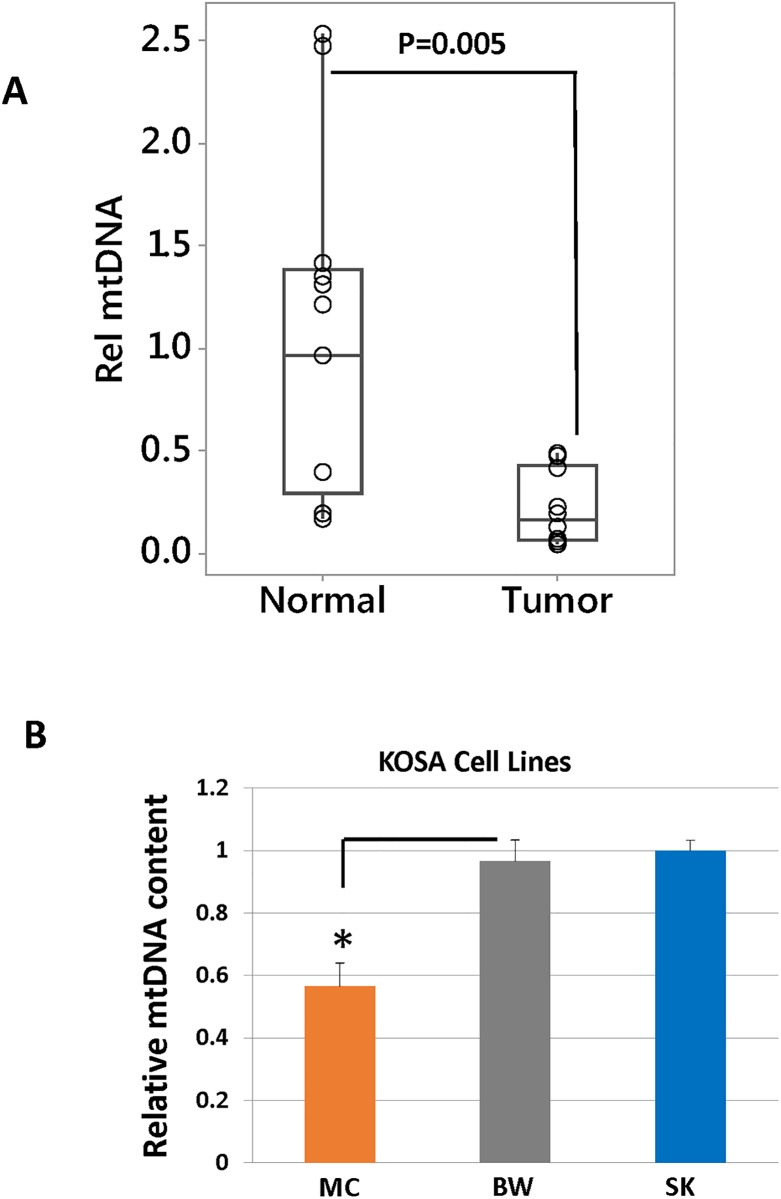
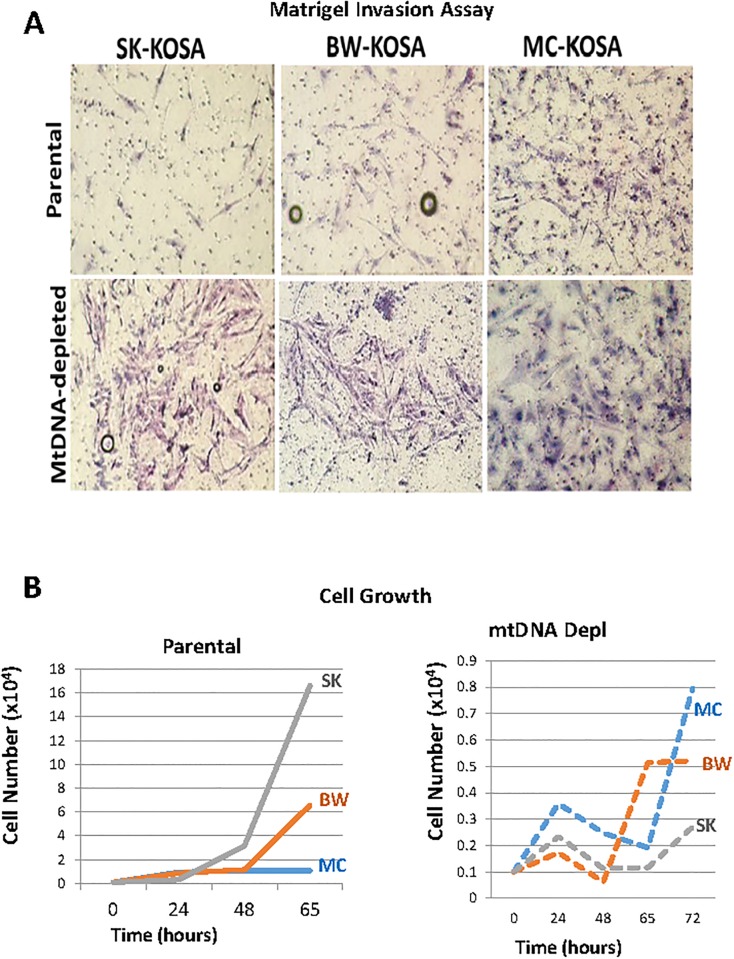
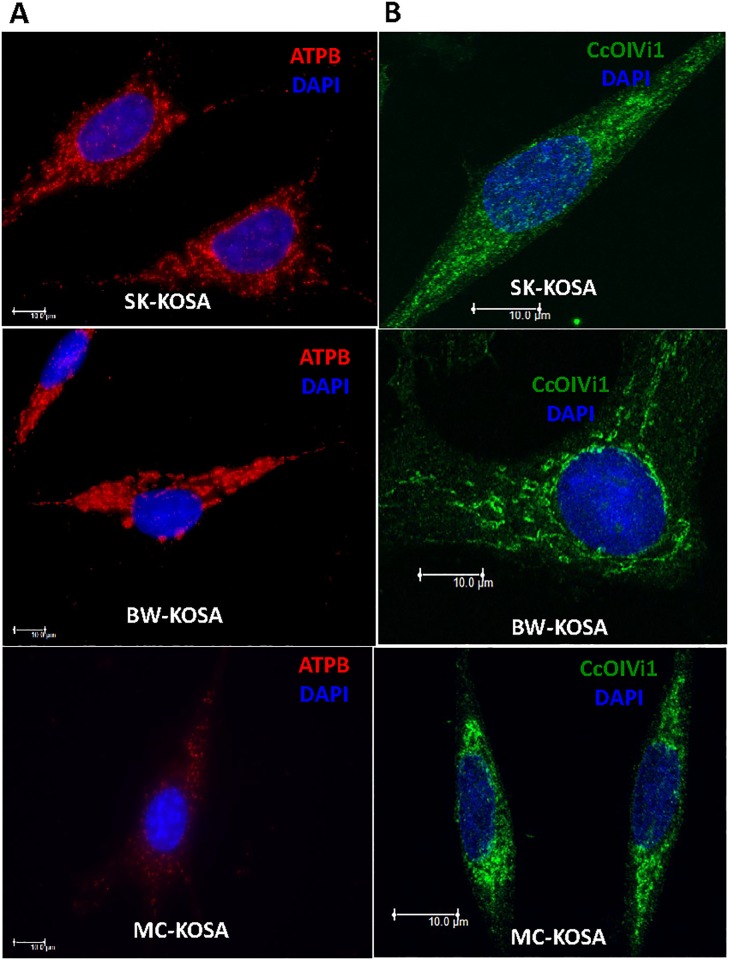
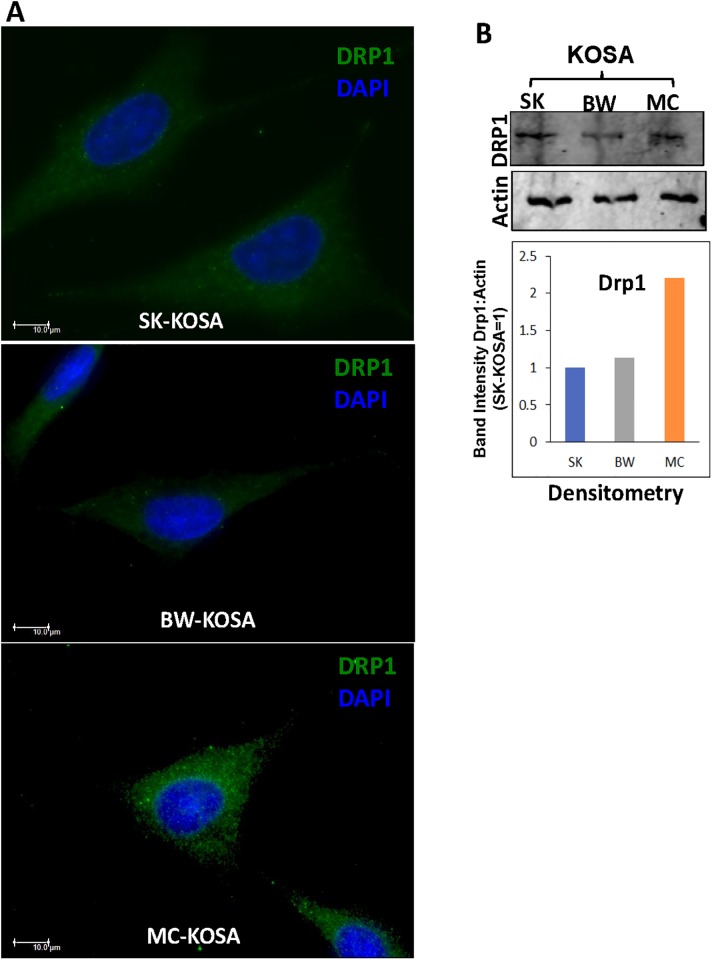
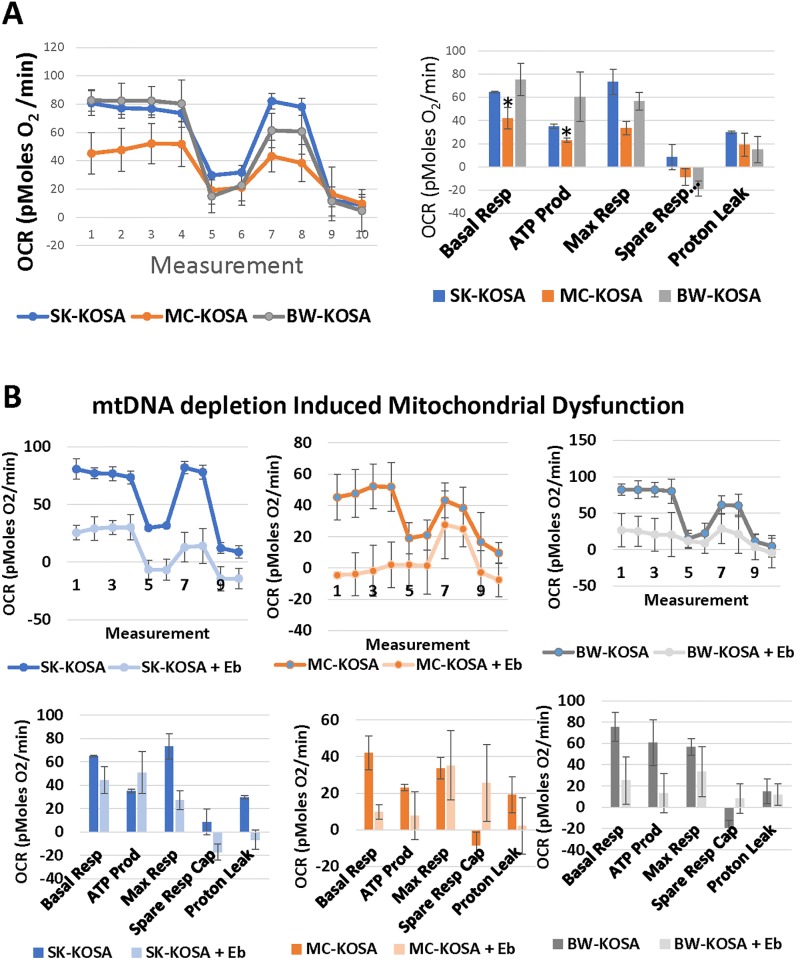
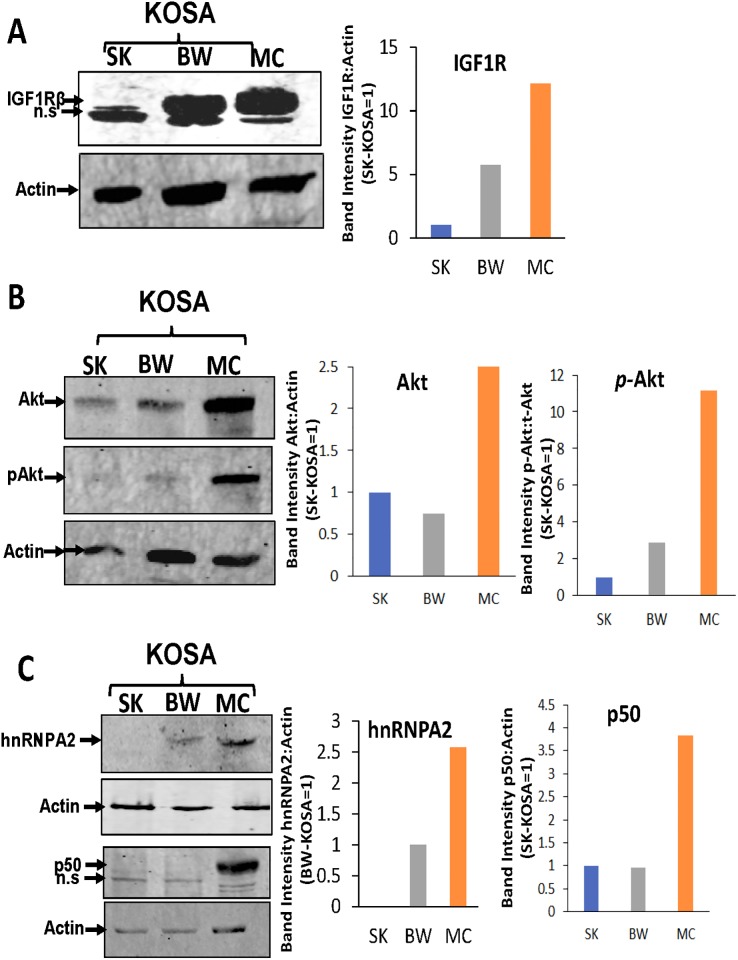
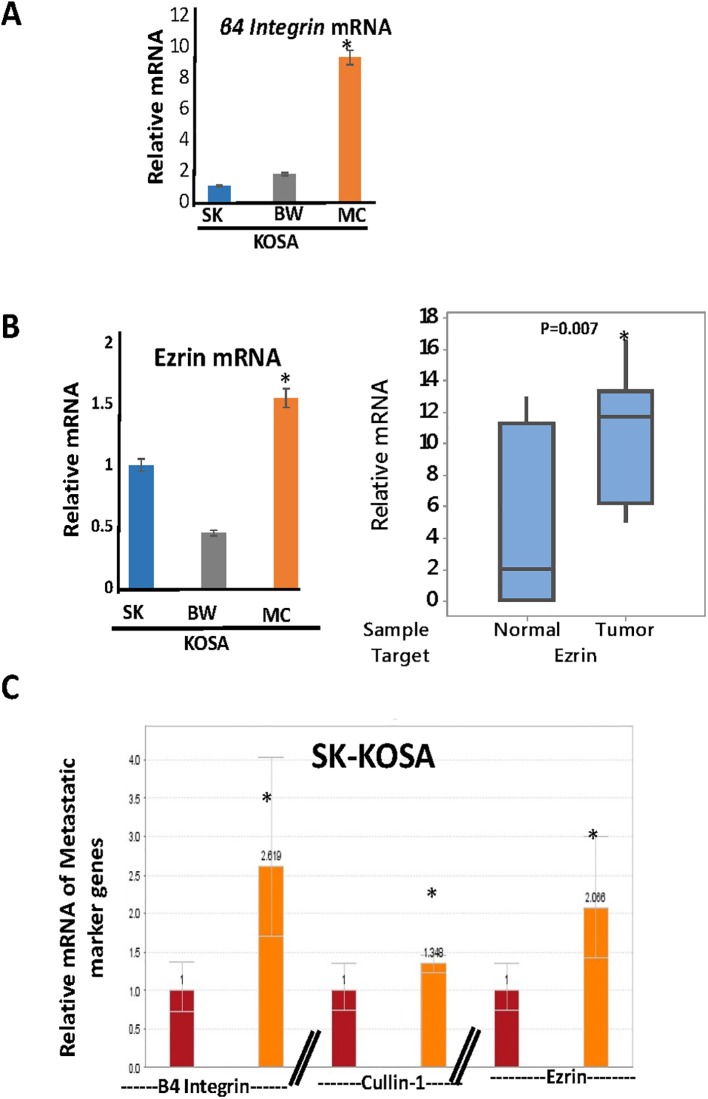
Osteosarcoma (OSA) is an aggressive mesenchymal tumor of the bone that affects children and occurs spontaneously in dogs. Human and canine OSA share similar clinical, biological and genetic features, which make dogs an excellent comparative model to investigate the etiology and pathogenesis of OSA. Mitochondrial (mt) defects have been reported in many different cancers including OSA, although it is not known whether these defects contribute to OSA progression and metastasis. Taking a comparative approach using canine OSA cell lines and tumor tissues we investigated the effects of mtDNA content and dysfunction on OSA biology. OSA tumor tissues had low mtDNA contents compared to the matched non-tumor tissues. We observed mitochondrial heterogeneity among the OSA cell lines and the most invasive cells expressing increased levels of OSA metastasis genes contained the highest amount of mitochondrial defects (reduced mtDNA copies, mt respiration, and expression of electron transport chain proteins). While mitochondria maintain a filamentous network in healthy cells, the mitochondrial morphology in OSA cells were mostly "donut shaped", typical of "stressed" mitochondria. Moreover the expression levels of mitochondrial retrograde signaling proteins Akt1, IGF1R, hnRNPA2 and NFkB correlated with the invasiveness of the OSA cells. Furthermore, we demonstrate the causal role of mitochondrial defects in inducing the invasive phenotype by Ethidium Bromide induced-mtDNA depletion in OSA cells. Our data suggest that defects in mitochondrial genome and function are prevalent in OSA and that lower mtDNA content is associated with higher tumor cell invasiveness. We propose that mt defects in OSA might serve as a prognostic biomarker and a target for therapeutic intervention in OSA patients.
骨肉瘤(OSA)是一种侵袭性的骨间叶肿瘤,影响儿童,在犬中自发发生。人类和犬类 OSA 具有相似的临床、生物学和遗传学特征,这使得犬成为研究 OSA 病因和发病机制的优秀比较模型。已有研究报道,许多不同的癌症包括 OSA 都存在线粒体(mt)缺陷,尽管尚不清楚这些缺陷是否会导致 OSA 的进展和转移。本研究采用犬骨肉瘤细胞系和肿瘤组织进行比较分析,研究 mtDNA 含量和功能障碍对 OSA 生物学的影响。与配对的非肿瘤组织相比,OSA 肿瘤组织的 mtDNA 含量较低。我们观察到 OSA 细胞系之间存在线粒体异质性,并且侵袭性最强的细胞表达更高水平的 OSA 转移基因,同时含有最多数量的线粒体缺陷(减少的 mtDNA 拷贝数、mt 呼吸和电子传递链蛋白的表达)。在健康细胞中,线粒体保持丝状网络,而 OSA 细胞中的线粒体形态大多呈“甜甜圈形”,这是“应激”线粒体的典型特征。此外,线粒体逆行信号蛋白 Akt1、IGF1R、hnRNPA2 和 NFkB 的表达水平与 OSA 细胞的侵袭性相关。此外,我们通过 Ethidium Bromide 诱导的 mtDNA 耗竭在 OSA 细胞中证实了线粒体缺陷在诱导侵袭表型中的因果作用。我们的数据表明,线粒体基因组和功能缺陷在 OSA 中普遍存在,并且较低的 mtDNA 含量与更高的肿瘤细胞侵袭性相关。我们提出,OSA 中的 mt 缺陷可能作为一种预后生物标志物,并作为 OSA 患者治疗干预的靶点。