Department of Plastic and Reconstructive Surgery, Zhongshan Hospital, Fudan University, 180 Fenglin Rd, Shanghai, 200032, People's Republic of China.
Hum Genomics. 2019 Nov 7;13(1):55. doi: 10.1186/s40246-019-0239-x.
Obesity-with its increased risk of obesity-associated metabolic diseases-has become one of the greatest public health epidemics of the twenty-first century in affluent countries. To date, there are no ideal drugs for treating obesity. Studies have shown that activation of brown adipose tissue (BAT) can promote energy consumption and inhibit obesity, which makes browning of white adipose tissue (WAT) a potential therapeutic target for obesity. Our objective was to identify genes and molecular pathways associated with WAT and the activation of BAT to WAT browning, by using publicly available data and computational tools; this knowledge might help in targeting relevant signaling pathways for treating obesity and other related metabolic diseases.
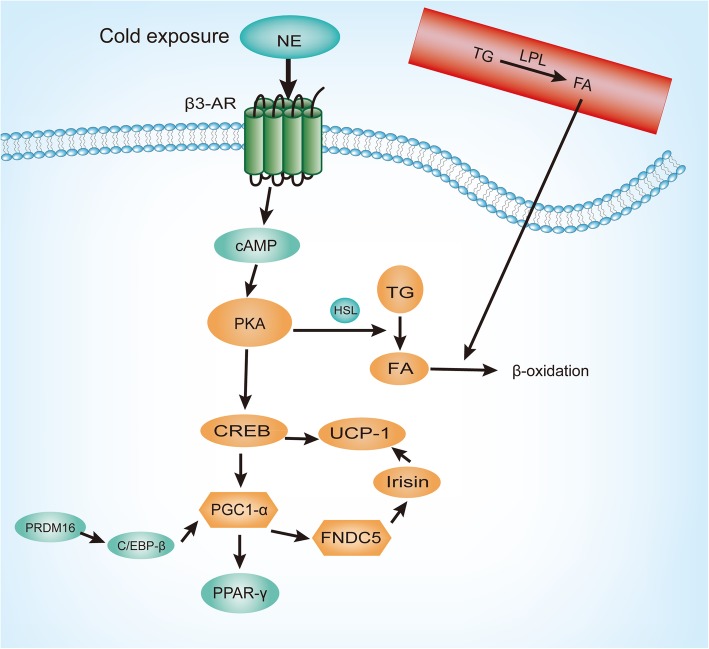
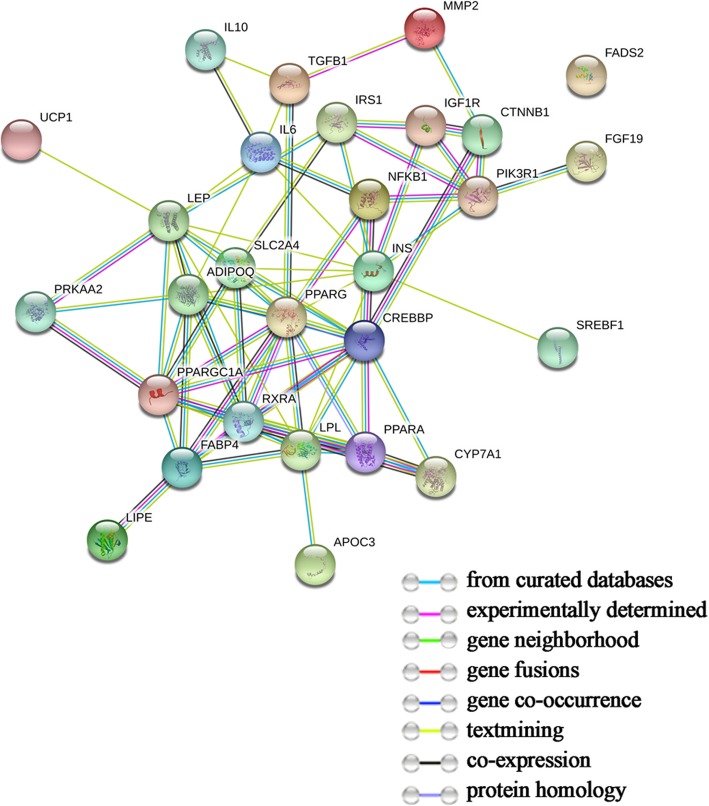
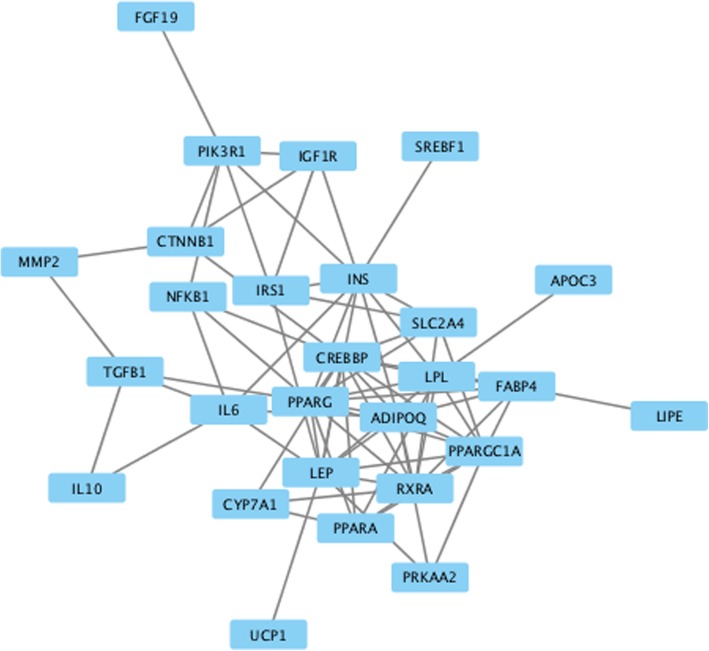
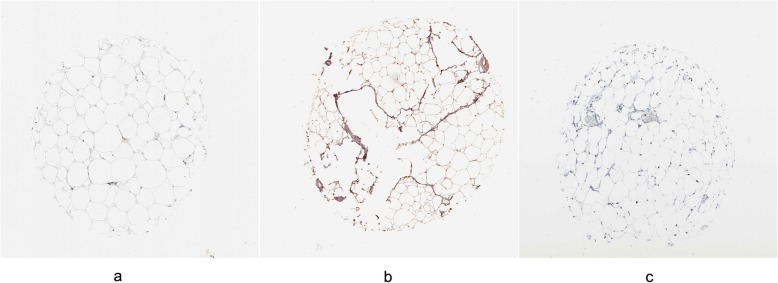
In this study, we used text mining to find out genes related to brown fat and white fat browning. Combined with biological process and pathway analysis in GeneCodis and protein-protein interaction analysis by using STRING and Cytoscape, a list of high priority target genes was developed. The Human Protein Atlas was used to analyze protein expression. Candidate drugs were derived on the basis of the drug-gene interaction analysis of the final genes. Our study identified 18 genes representing 6 different pathways, targetable by a total of 33 drugs as possible drug treatments. The final list included 18 peroxisome proliferator-activated receptor gamma (PPAR-γ) agonists, 4 beta 3 adrenoceptor (β3-AR) agonists, 1 insulin sensitizer, 3 insulins, 6 lipase clearing factor stimulants and other drugs.
Drug discovery using in silico text mining, pathway, and protein-protein interaction analysis tools may be a method of exploring drugs targeting the activation of brown fat or white fat browning, which provides a basis for the development of novel targeted therapies as potential treatments for obesity and related metabolic diseases.
肥胖及其相关代谢疾病的风险增加,已成为 21 世纪富裕国家最大的公共健康流行病之一。迄今为止,尚无治疗肥胖的理想药物。研究表明,激活棕色脂肪组织(BAT)可以促进能量消耗并抑制肥胖,这使得白色脂肪组织(WAT)的褐变成为肥胖的潜在治疗靶标。我们的目的是通过使用公开可用的数据和计算工具,确定与 WAT 相关的基因和分子途径,以及 BAT 向 WAT 褐变的激活,从而为治疗肥胖和其他相关代谢疾病的相关信号通路提供帮助。
在这项研究中,我们使用文本挖掘来发现与棕色脂肪和白色脂肪褐变相关的基因。结合 GeneCodis 的生物学过程和途径分析以及 STRING 和 Cytoscape 的蛋白质-蛋白质相互作用分析,我们列出了一组高优先级的靶基因。人类蛋白质图谱用于分析蛋白质表达。最后根据最终基因的药物-基因相互作用分析,得出候选药物。我们的研究确定了 18 个代表 6 种不同途径的基因,共有 33 种药物可作为可能的药物治疗。最终名单包括 18 种过氧化物酶体增殖物激活受体γ(PPAR-γ)激动剂,4β3 肾上腺素能受体(β3-AR)激动剂,1 种胰岛素增敏剂,3 种胰岛素,6 种脂肪酶清除因子刺激剂和其他药物。
使用基于计算机的文本挖掘、途径和蛋白质-蛋白质相互作用分析工具进行药物发现,可能是探索针对棕色脂肪或白色脂肪褐变激活的药物的一种方法,为开发针对肥胖和相关代谢疾病的新型靶向治疗方法提供了依据。