Department of International Health, Johns Hopkins Bloomberg School of Public Health, 615 N. Wolfe Street, Baltimore, MD, 21205, USA.
Population Council, Cairo, Egypt.
BMC Pregnancy Childbirth. 2019 Nov 8;19(1):411. doi: 10.1186/s12884-019-2558-2.
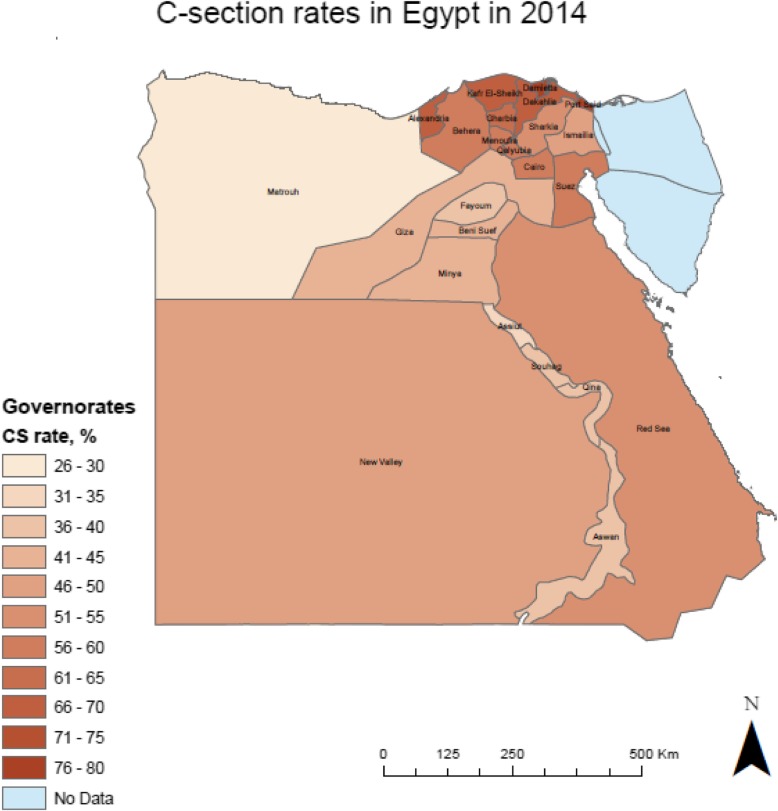
Caesarean section (CS) is an important lifesaving intervention that can reduce maternal and newborn morbidity and mortality. The dramatic increase in CS rates globally has prompted concerns that the procedure may be overused or used for inappropriate indications. In Egypt, CS rates are alarmingly high, accounting for 52% of all deliveries. This study sought to (1) explore indications and risk factors for CS in public hospitals in four governorates in Egypt and (2) examine health care provider factors impacting the decision to perform a CS.
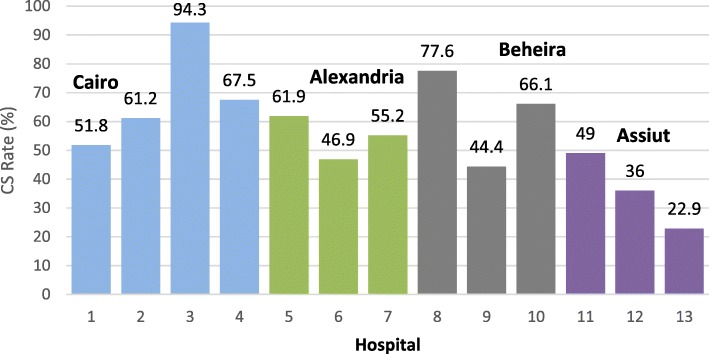
We reviewed medical records for all deliveries that took place during April 2016 in 13 public hospitals situated in four governorates in Egypt (Cairo, Alexandria, Assiut and Behera), and extracted information pertaining to medical indications and women's obstetric characteristics. We also interviewed obstetricians in the study hospitals to explore factors associated with the decision to perform CS.
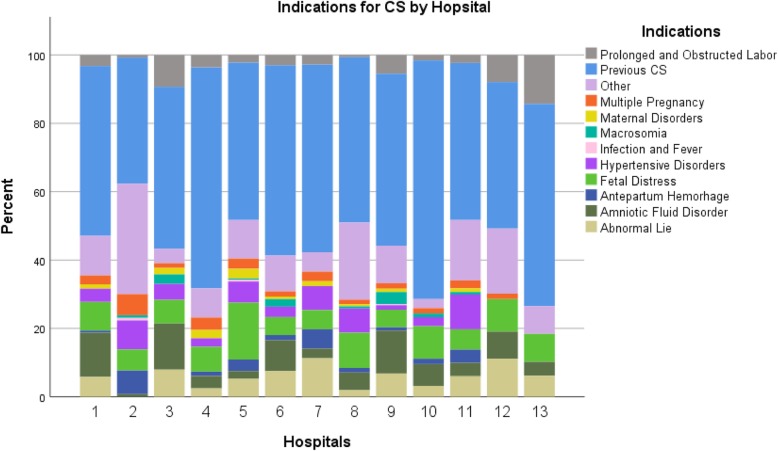
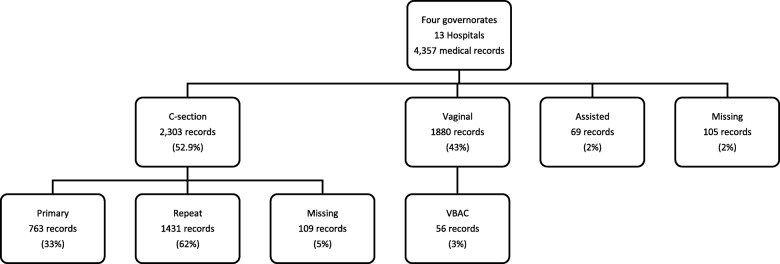
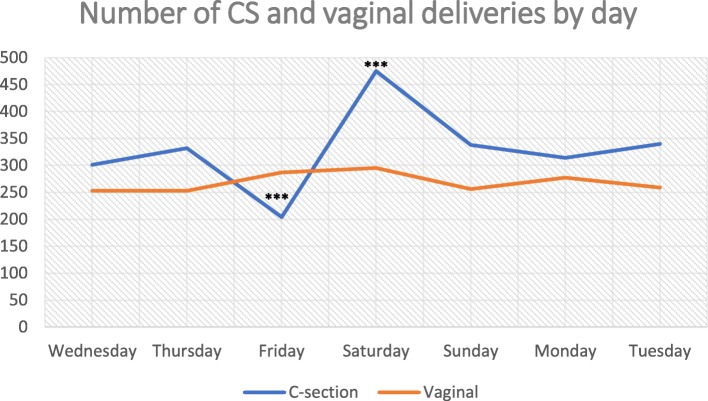
A total of 4357 deliveries took place in the study hospitals during that period. The most common medical indications were previous CS (50%), an "other" category (13%), and fetal distress (9%). Multilevel analysis revealed that several obstetric risk factors were associated with increased odds of CS mode of delivery - including previous CS, older maternal age, and nulliparity - while factors such as partograph completion and oxytocin use were associated with reduced odds of CS. Interviews with obstetricians highlighted non-medical factors implicated in the high CS rates, including a convenience incentive, lack of supervision and training in public hospitals, as well as absence of or lack of familiarity with clinical guidelines.
A combination of both medical and non-medical factors drives the increase in CS rates. Our analysis however suggests that a substantial number of CS deliveries took place in the absence of strong medical justification. Health care provider factors seem to be powerful factors influencing CS rates in the study hospitals.
剖宫产(CS)是一种重要的救命干预措施,可以降低母婴发病率和死亡率。全球 CS 率的急剧上升引起了人们的关注,即该手术可能被过度使用或用于不适当的指征。在埃及,CS 率高得惊人,占所有分娩的 52%。本研究旨在:(1)探讨埃及四个省公立医院 CS 的指征和危险因素;(2)检查影响 CS 决策的医疗服务提供者因素。
我们回顾了 2016 年 4 月在埃及四个省(开罗、亚历山大、阿西尤特和贝赫雷)的 13 家公立医院进行的所有分娩的医疗记录,并提取了与医学指征和妇女产科特征相关的信息。我们还采访了研究医院的妇产科医生,探讨与 CS 决策相关的因素。
在此期间,研究医院共进行了 4357 次分娩。最常见的医学指征是既往 CS(50%)、“其他”类别(13%)和胎儿窘迫(9%)。多水平分析显示,一些产科危险因素与 CS 分娩方式的几率增加有关,包括既往 CS、产妇年龄较大和初产妇,而产程图完成和催产素使用等因素与 CS 几率降低有关。妇产科医生的访谈强调了导致 CS 率升高的非医学因素,包括方便诱因、公立医院缺乏监督和培训,以及缺乏或不熟悉临床指南。
医疗和非医疗因素的结合导致了 CS 率的上升。然而,我们的分析表明,大量 CS 分娩是在没有强有力的医学依据的情况下进行的。医疗服务提供者因素似乎是影响研究医院 CS 率的重要因素。