Ashmore-Harris Candice, Blackford Samuel Ji, Grimsdell Benjamin, Kurtys Ewelina, Glatz Marlies C, Rashid Tamir S, Fruhwirth Gilbert O
Imaging Therapy and Cancer Group, Department of Imaging Chemistry and Biology, School of Biomedical Engineering and Imaging Sciences, St Thomas' Hospital, King's College London (KCL), London, SE1 7EH, UK; Centre for Stem Cells and Regenerative Medicine, School of Basic and Medical Biosciences, Guy's Hospital, KCL, London SE1 9RT, UK.
Centre for Stem Cells and Regenerative Medicine, School of Basic and Medical Biosciences, Guy's Hospital, KCL, London SE1 9RT, UK.
Stem Cell Res. 2019 Dec;41:101599. doi: 10.1016/j.scr.2019.101599. Epub 2019 Oct 15.
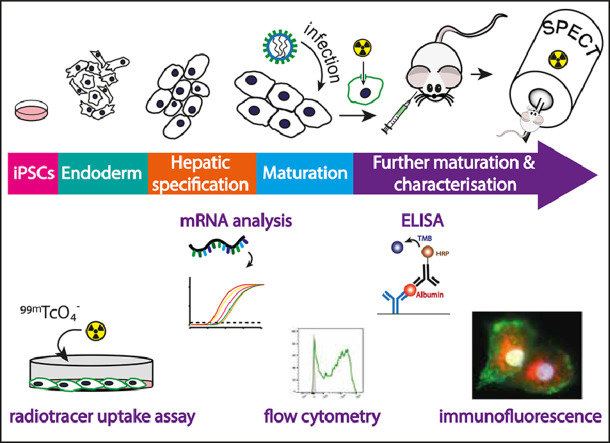
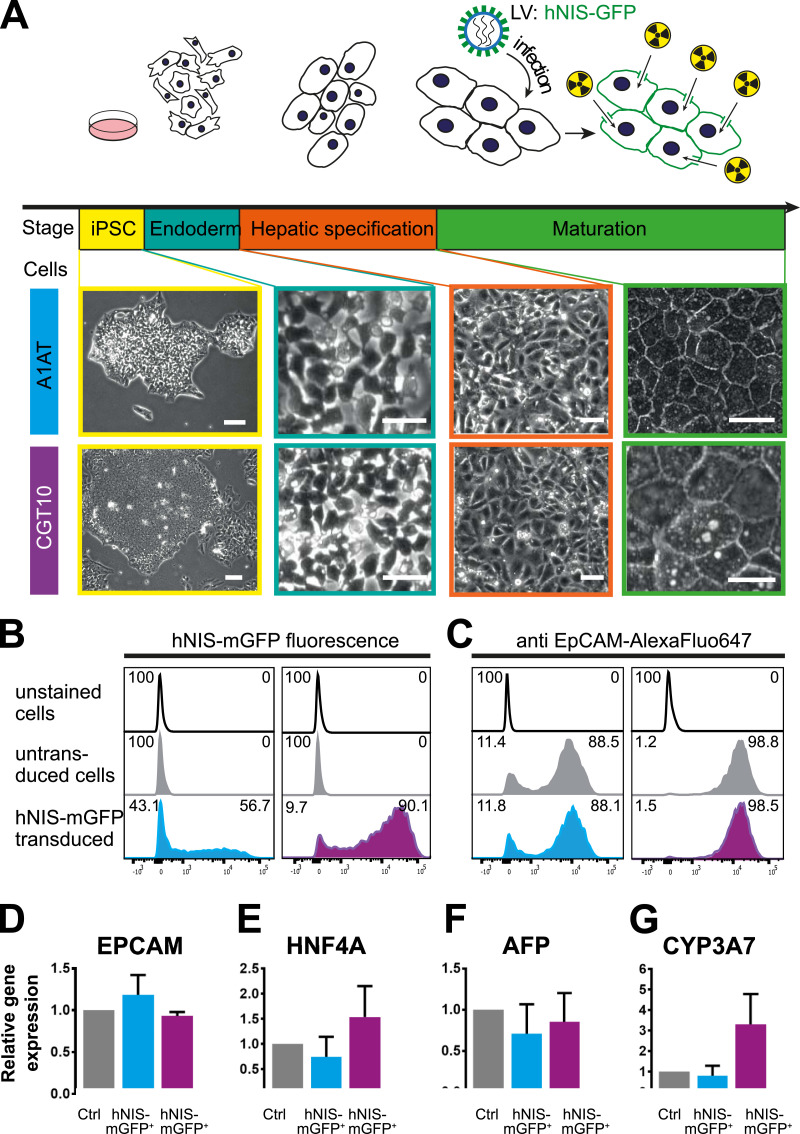
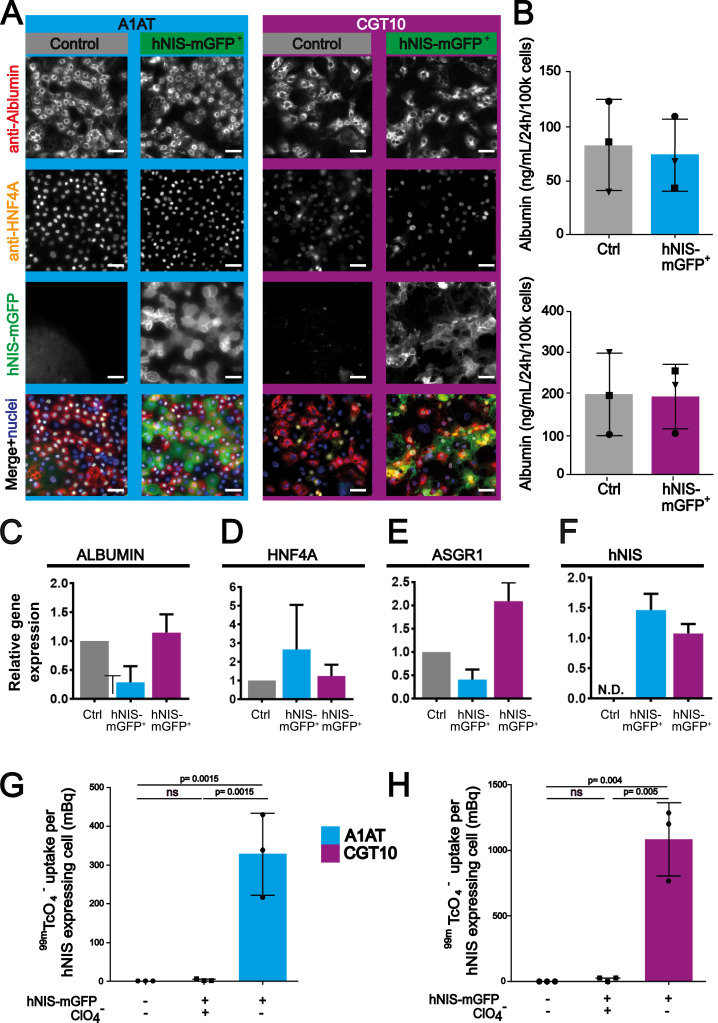
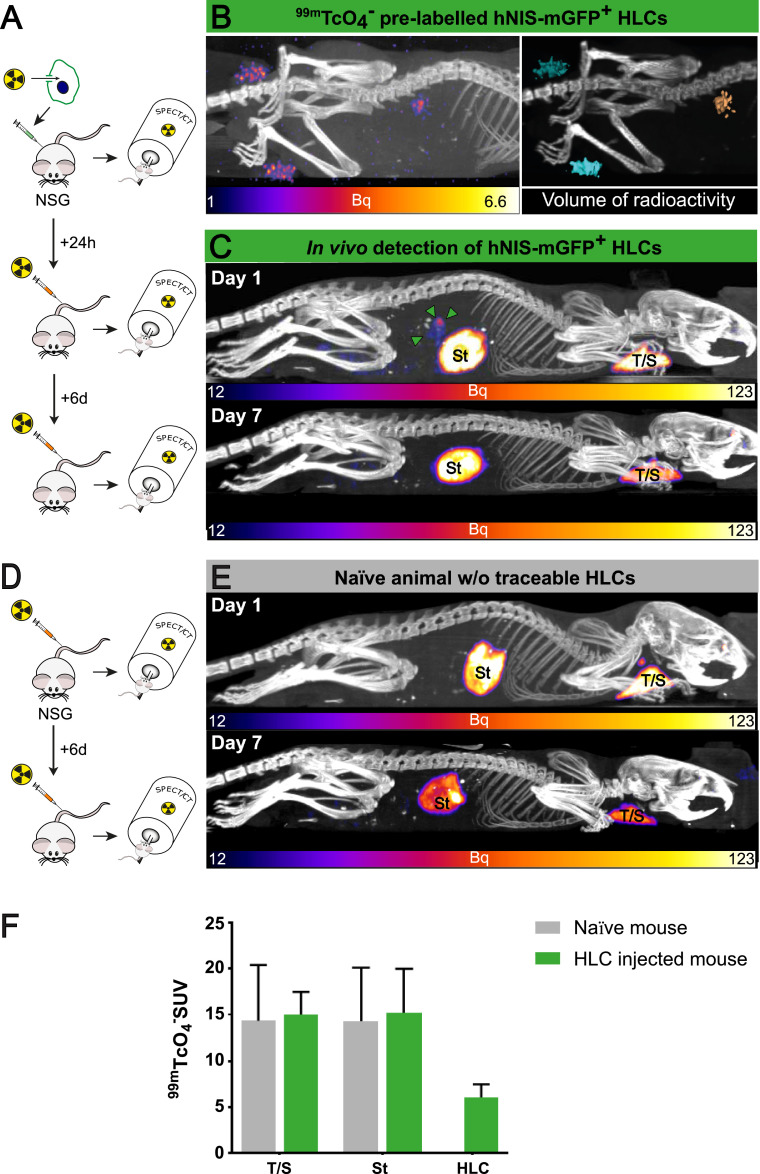
Primary hepatocyte transplantation (HTx) is a safe cell therapy for patients with liver disease, but wider application is circumvented by poor cell engraftment due to limitations in hepatocyte quality and transplantation strategies. Hepatocyte-like cells (HLCs) derived from human induced pluripotent stem cells (hiPSC) are considered a promising alternative but also require optimisation of transplantation and are often transplanted prior to full maturation. Whole-body in vivo imaging would be highly beneficial to assess engraftment non-invasively and monitor the transplanted cells in the short and long-term. Here we report a lentiviral transduction approach designed to engineer hiPSC-derived HLCs during differentiation. This strategy resulted in the successful production of sodium iodide symporter (NIS)-expressing HLCs that were functionally characterised, transplanted into mice, and subsequently imaged using radionuclide tomography.
原发性肝细胞移植(HTx)是一种针对肝病患者的安全细胞疗法,但由于肝细胞质量和移植策略的限制,细胞植入效果不佳,阻碍了其更广泛的应用。源自人类诱导多能干细胞(hiPSC)的肝细胞样细胞(HLC)被认为是一种有前景的替代方案,但也需要优化移植,并且通常在完全成熟之前进行移植。全身活体成像对于无创评估植入情况以及短期和长期监测移植细胞非常有益。在此,我们报告一种慢病毒转导方法,旨在在分化过程中对hiPSC来源的HLC进行工程改造。该策略成功产生了表达碘化钠同向转运体(NIS)的HLC,对其进行了功能表征,移植到小鼠体内,随后使用放射性核素断层扫描进行成像。