Department of Orthopaedics, The Second Affiliated Hospital and Yuying Children's Hospital of Wenzhou Medical University, 109, Xueyuanxi road, Wenzhou, Zhejiang 325027, China; Bone Research Institute, The Key Orthopaedic Laboratory of Zhejiang Province, 109, Xueyuanxi road, Wenzhou, Zhejiang 325027, China.
Department of Rehabilitation, The Second Affiliated Hospital and Yuying Children's Hospital of Wenzhou Medical University, 109, Xueyuanxi road, Wenzhou, Zhejiang 325027, China.
EBioMedicine. 2019 Dec;50:395-407. doi: 10.1016/j.ebiom.2019.10.054. Epub 2019 Nov 14.
Epigenetic mechanisms have been reported to play key roles in osteoarthritis (OA) development. P300/CBP-associated factor (PCAF) is a member of the histone acetyltransferases, which exhibits a strong relationship with endoplasmic reticulum (ER) stress and transcription factor nuclear factor kappa B (NF-κB) signals. Salidroside, a natural histone acetylation inhibitor, showed its anti-inflammatory and anti-apoptotic effects in lipopolysaccharide (LPS)-stimulated microglia cells in our previous study. However, whether Sal has a protective effect against OA remains unknown, and its relationships to PCAF, NF-κB, and the ER stress pathway should be explored further.
We identified the role of PCAF in the pathogenesis of OA and determined the chondroprotective effect of Sal on both tumor necrosis factor alpha (TNF-α)-treated human chondrocytes and a destabilized medial meniscus (DMM) mouse OA model.
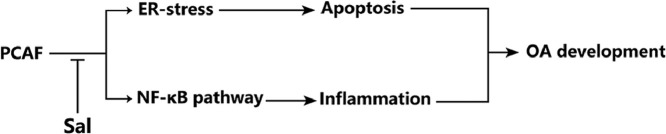
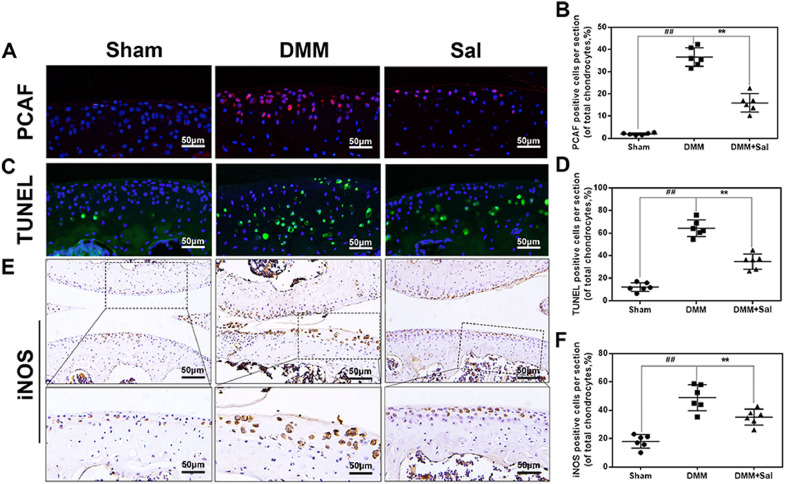
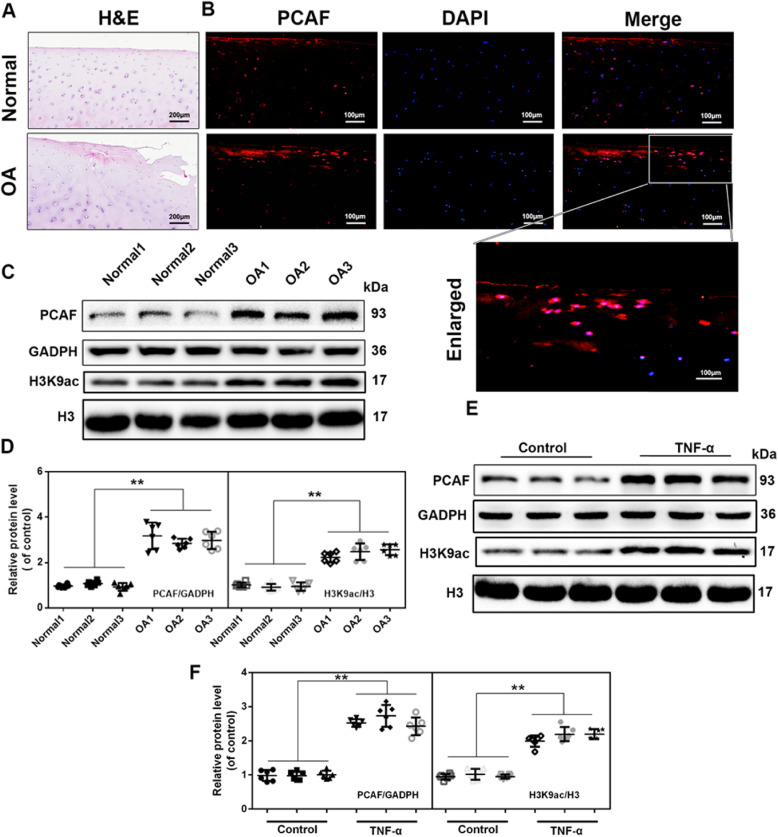
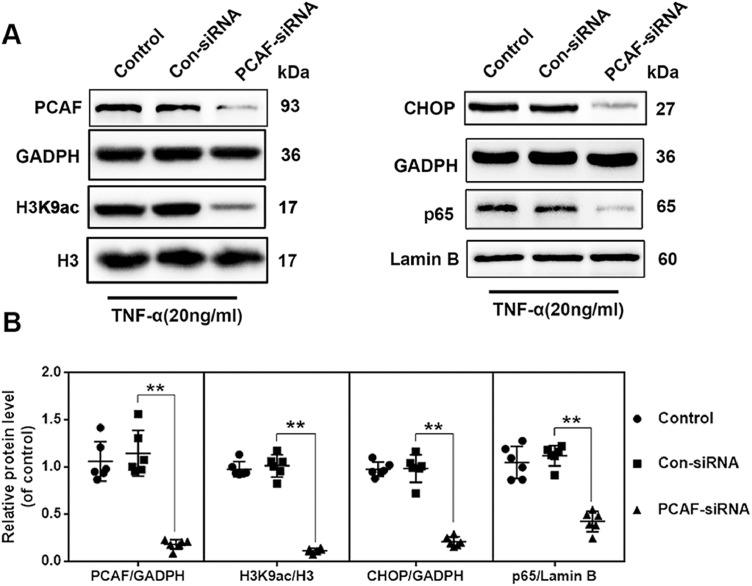
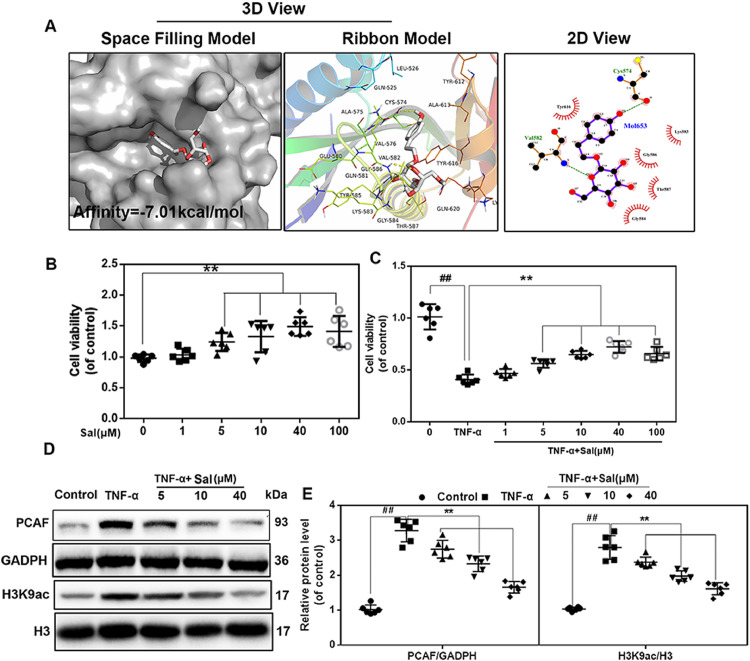
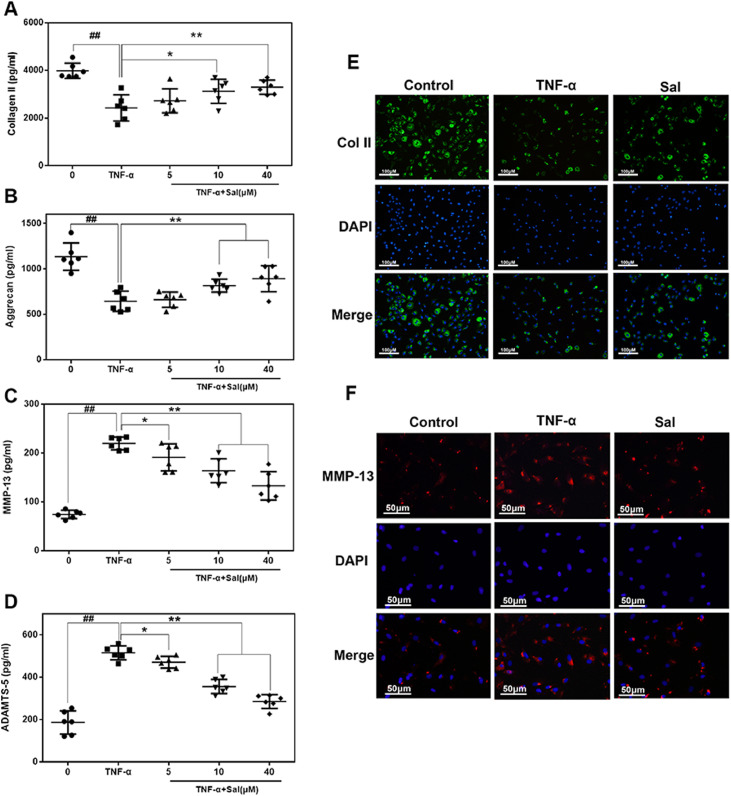
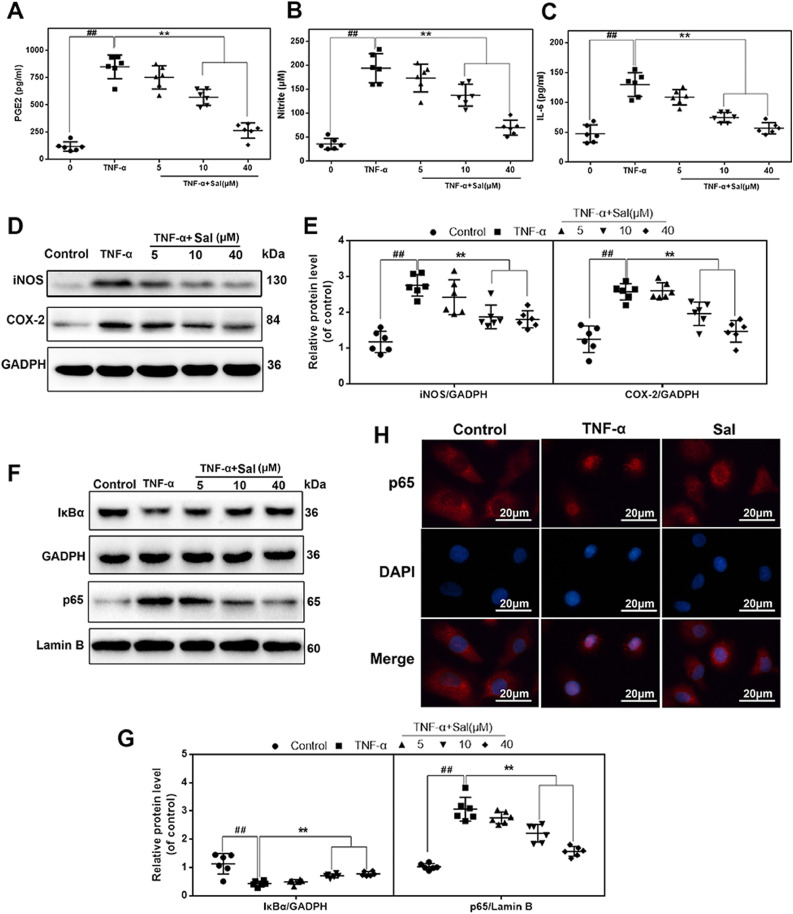
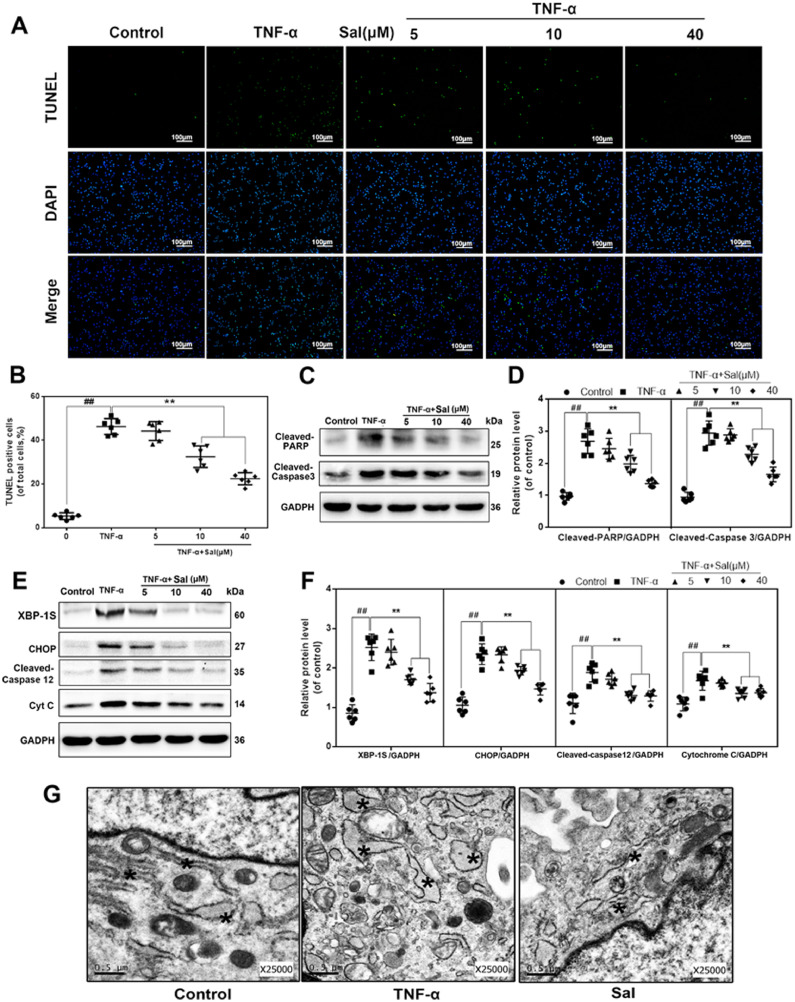
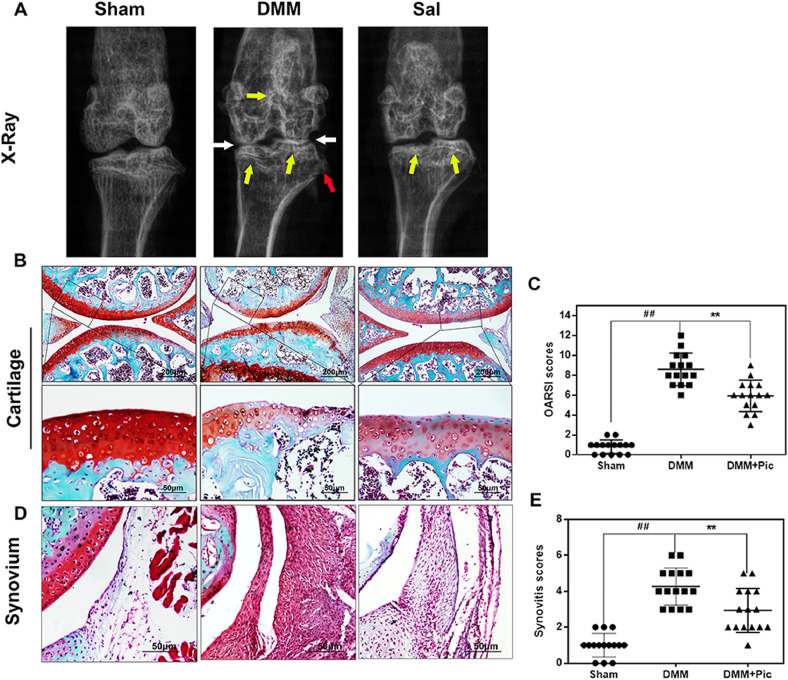
We found increased PCAF expression in human OA cartilage and TNF-α-driven chondrocytes. Meanwhile, silencing of PCAF attenuated nuclear p65 and C/EBP homologous protein levels in chondrocytes upon TNF-α stimulation. Furthermore, Sal was found to specifically bind to the inhibitory site of the PCAF protein structure, which subsequently reversed the TNF-α-induced activation of NF-κB signal and ER stress-related apoptosis in chondrocytes. In addition, the protective effect of Sal and its inhibitory effects on PCAF as well as inflammatory- and ER stress-related markers were also observed in the mouse DMM model.
Pharmacological blockade of PCAF by Sal ameliorates OA development via inhibition of inflammation and ER stress, which makes Sal a promising therapeutic agents for the treatment of OA.
表观遗传机制在骨关节炎(OA)的发展中起着关键作用。P300/CBP 相关因子(PCAF)是组蛋白乙酰转移酶的成员,与内质网(ER)应激和转录因子核因子κB(NF-κB)信号有很强的关系。我们之前的研究表明,红景天苷是一种天然的组蛋白乙酰化抑制剂,它在脂多糖(LPS)刺激的小胶质细胞中表现出抗炎和抗凋亡作用。然而,Salidroside 是否对 OA 有保护作用尚不清楚,其与 PCAF、NF-κB 和 ER 应激途径的关系需要进一步探讨。
我们确定了 PCAF 在 OA 发病机制中的作用,并确定了 Sal 对 TNF-α 处理的人软骨细胞和不稳定内侧半月板(DMM)小鼠 OA 模型的软骨保护作用。
我们发现人 OA 软骨和 TNF-α 驱动的软骨细胞中 PCAF 表达增加。同时,沉默 PCAF 可减弱 TNF-α 刺激下软骨细胞中的核 p65 和 C/EBP 同源蛋白水平。此外,我们发现 Sal 特异性结合 PCAF 蛋白结构的抑制性位点,随后逆转了 TNF-α 诱导的 NF-κB 信号和 ER 应激相关凋亡在软骨细胞中的激活。此外,在 DMM 小鼠模型中也观察到 Sal 的保护作用及其对 PCAF 以及炎症和 ER 应激相关标志物的抑制作用。
Salidroside 通过抑制炎症和 ER 应激来改善 OA 的发展,通过抑制 PCAF 的药理阻断作用,使其成为治疗 OA 的有前途的治疗剂。