Department of Orthopedics, The Eighth Affiliated Hospital of Sun Yat-sen University, 518003, Shenzhen, PR China.
Shenzhen Key Laboratory of Ankylosing Spondylitis, 518003, Shenzhen, PR China.
J Nanobiotechnology. 2023 Aug 19;21(1):280. doi: 10.1186/s12951-023-02012-z.
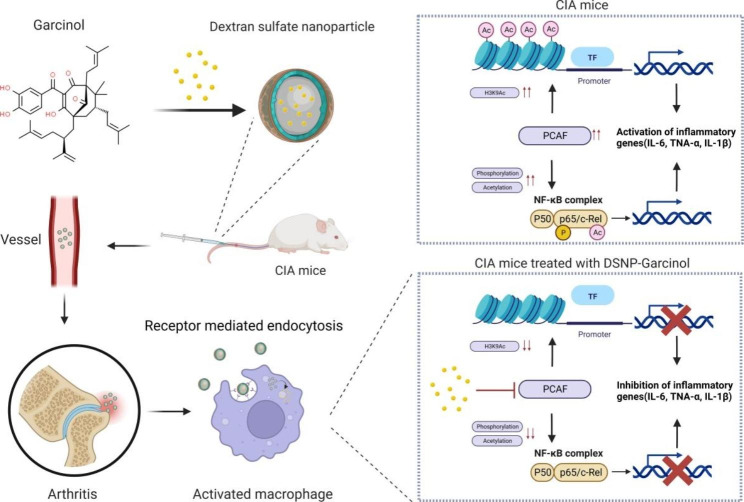
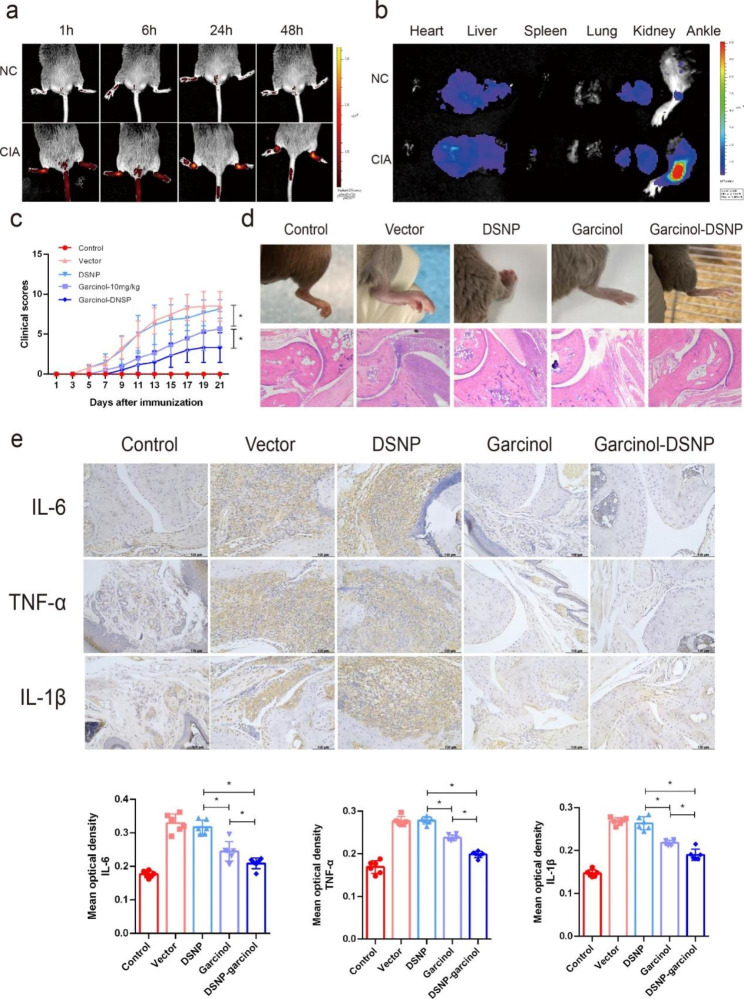
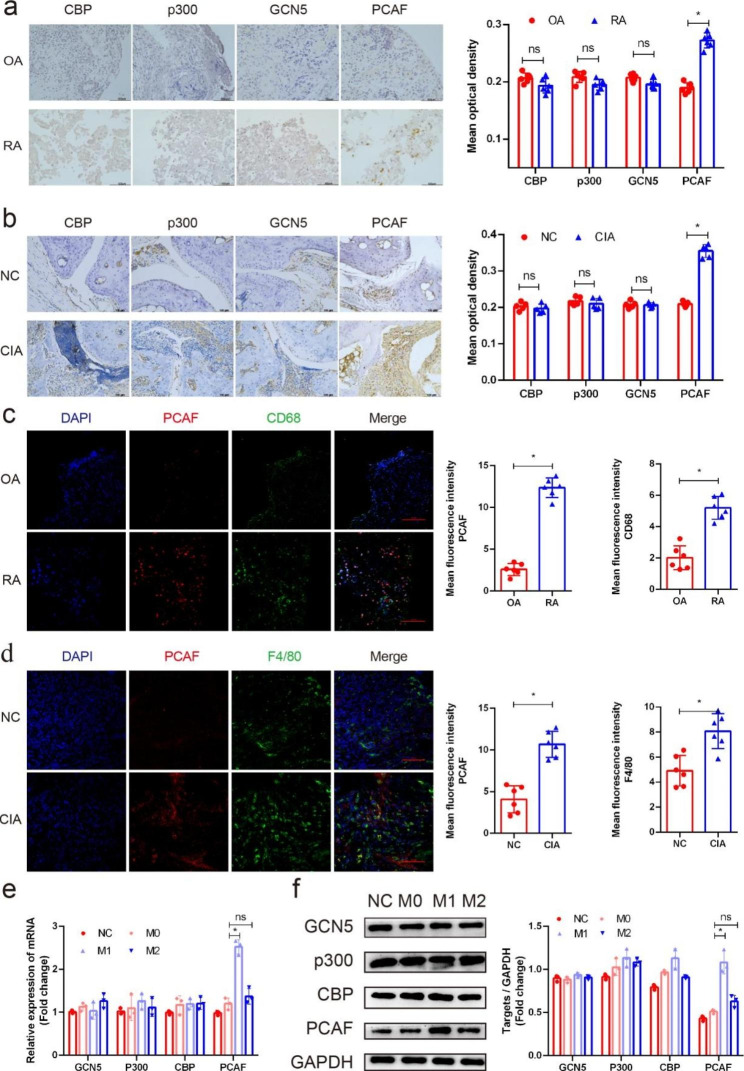
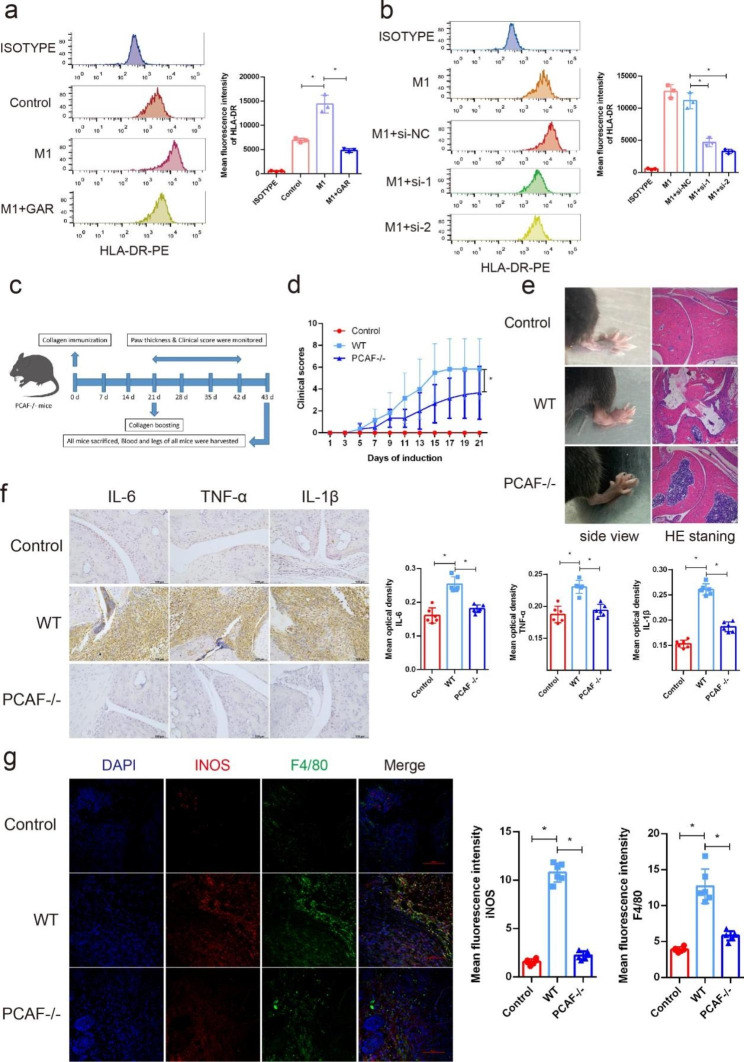
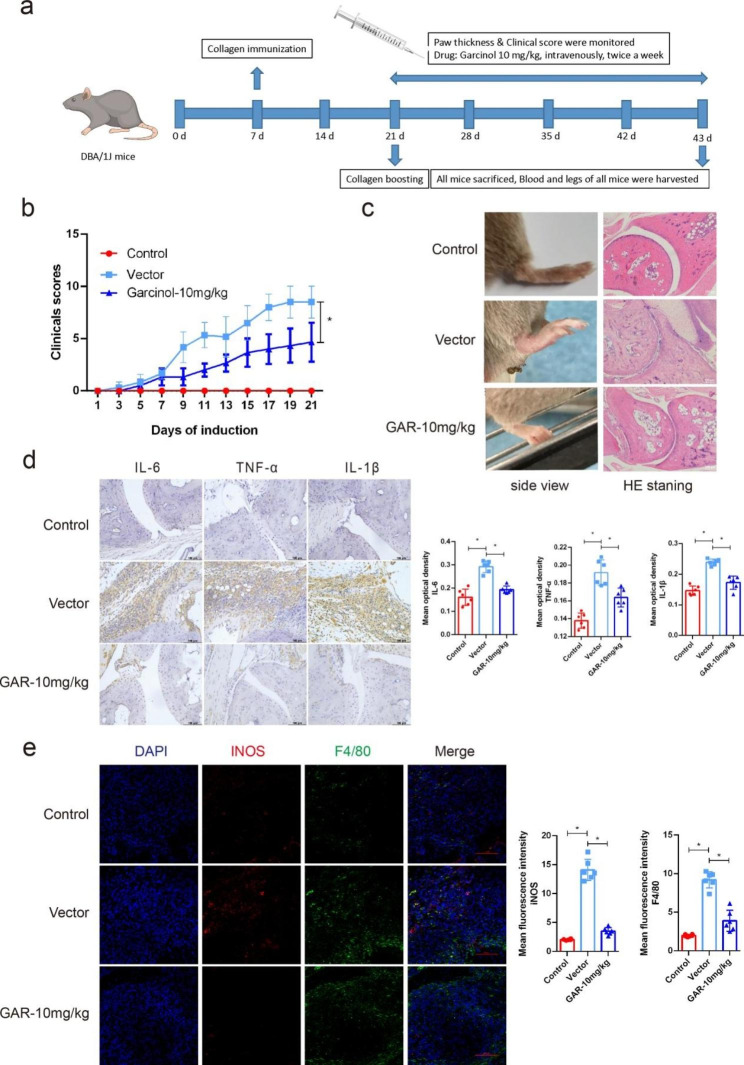
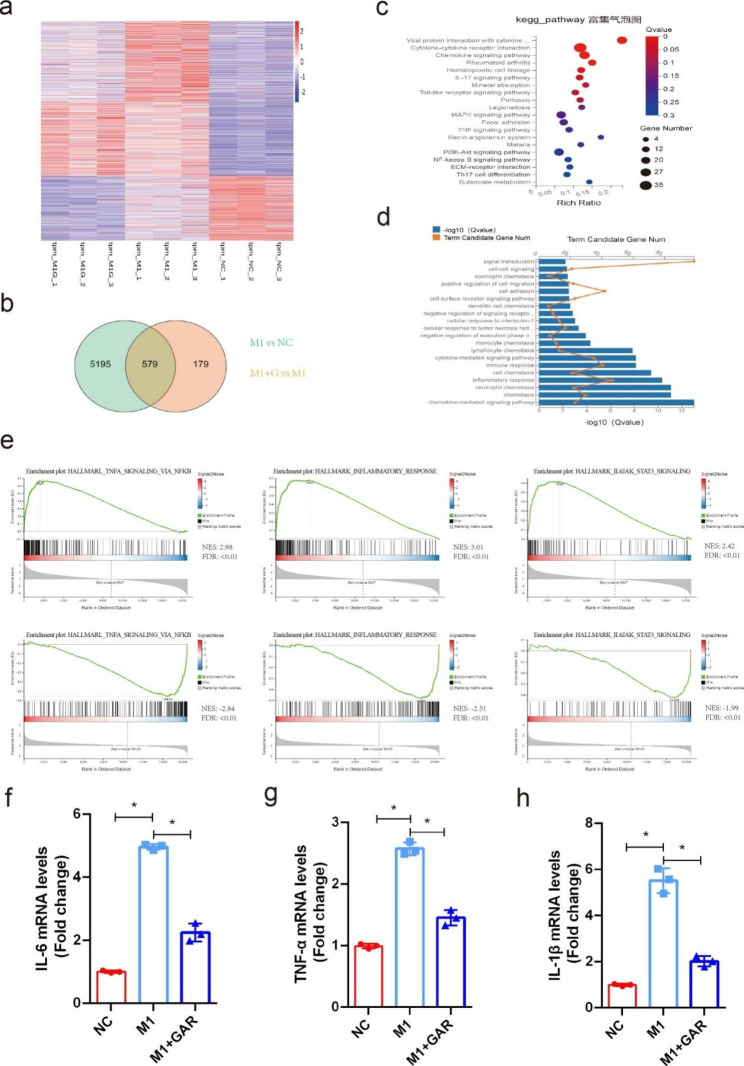
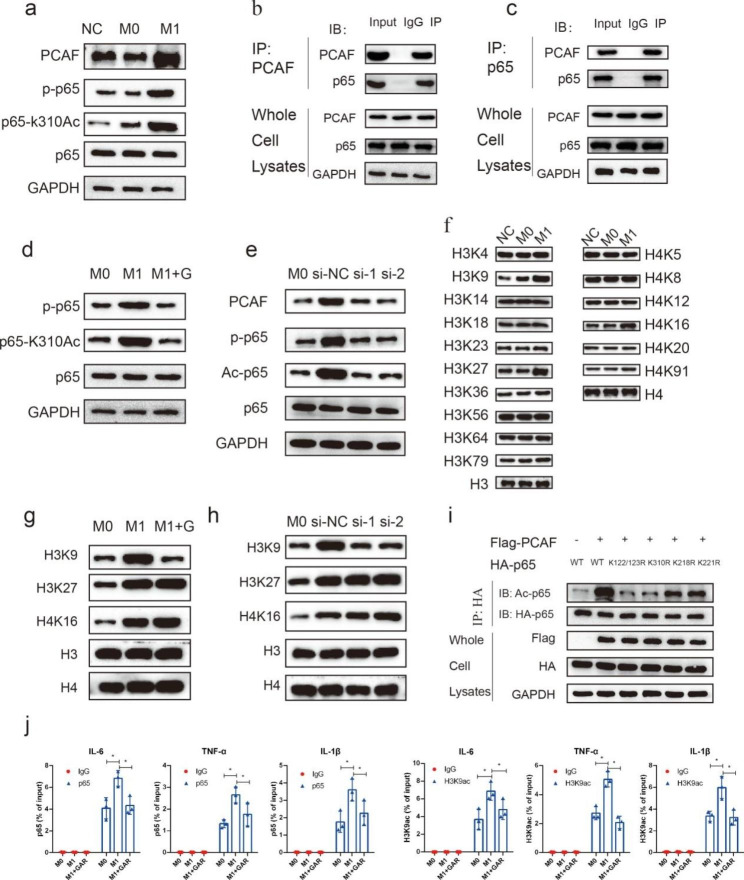
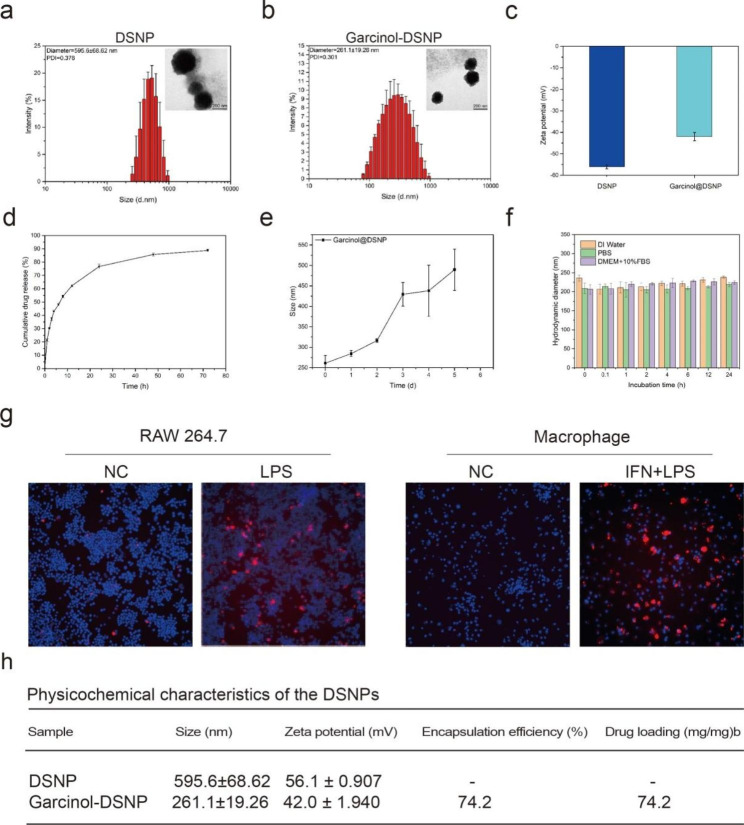
Sustained inflammatory invasion leads to joint damage and progressive disability in several autoimmune rheumatic diseases. In recent decades, targeting M1 macrophage polarization has been suggested as a promising therapeutic strategy for autoimmune arthritis. P300/CBP-associated factor (PCAF) is a histone acetyltransferase (HAT) that exhibits a strong positive relationship with the proinflammatory microenvironment. However, whether PCAF mediates M1 macrophage polarization remains poorly studied, and whether targeting PCAF can protect against autoimmune arthritis in vivo remains unclear. Commonly used drugs can cause serious side effects in patients because of their extensive and nonspecific distribution in the human body. One strategy for overcoming this challenge is to develop drug nanocarriers that target the drug to desirable regions and reduce the fraction of drug that reaches undesirable targets. In this study, we demonstrated that PCAF inhibition could effectively inhibit M1 polarization and alleviate arthritis in mice with collagen-induced arthritis (CIA) via synergistic NF-κB and H3K9Ac blockade. We further designed dextran sulfate (DS)-based nanoparticles (DSNPs) carrying garcinol (a PCAF inhibitor) to specifically target M1 macrophages in inflamed joints of the CIA mouse model via SR-A-SR-A ligand interactions. Compared to free garcinol, garcinol-loaded DSNPs selectively targeted M1 macrophages in inflamed joints and significantly improved therapeutic efficacy in vivo. In summary, our study indicates that targeted PCAF inhibition with nanoparticles might be a promising strategy for treating autoimmune arthritis via M1 macrophage polarization inhibition.
持续的炎症浸润可导致几种自身免疫性风湿病的关节损伤和进行性残疾。近几十年来,靶向 M1 巨噬细胞极化已被认为是治疗自身免疫性关节炎的一种有前途的治疗策略。P300/CBP 相关因子(PCAF)是一种组蛋白乙酰转移酶(HAT),与促炎微环境呈强正相关。然而,PCAF 是否介导 M1 巨噬细胞极化仍研究甚少,靶向 PCAF 是否能在体内预防自身免疫性关节炎尚不清楚。常用药物由于在人体内广泛且非特异性分布,可能会在患者中引起严重的副作用。克服这一挑战的一种策略是开发药物纳米载体,将药物靶向到理想的区域,并减少到达不理想靶点的药物比例。在这项研究中,我们通过协同 NF-κB 和 H3K9Ac 阻断,证明 PCAF 抑制可有效抑制胶原诱导关节炎(CIA)小鼠的 M1 极化并缓解关节炎。我们进一步设计了载 garcinol(一种 PCAF 抑制剂)的葡聚糖硫酸盐(DS)纳米颗粒(DSNPs),通过 SR-A-SR-A 配体相互作用,特异性靶向 CIA 小鼠模型炎症关节中的 M1 巨噬细胞。与游离 garcinol 相比,载 garcinol 的 DSNPs 选择性地靶向炎症关节中的 M1 巨噬细胞,并显著提高体内治疗效果。总之,我们的研究表明,通过纳米颗粒靶向 PCAF 抑制可能是通过抑制 M1 巨噬细胞极化来治疗自身免疫性关节炎的一种有前途的策略。