Department of Hepatobiliary Surgery, the Second Affiliated Hospital of Chongqing Medical University, Yuzhong District, Chongqing, 400010, People's Republic of China.
Department of General Surgery, the YongChuan Hospital of Chongqing Medical University, YongChuan District, Chongqing, 402160, People's Republic of China.
J Exp Clin Cancer Res. 2019 Nov 19;38(1):469. doi: 10.1186/s13046-019-1456-9.
The activation of tumour-associated macrophages (TAMs) contributes to the progression of hepatocellular carcinoma (HCC). SIRT4 acts as a tumour suppressor of tumour growth by regulating cell metabolism, inflammation, and anti-tumourigenesis. However, the involvement of SIRT4 in the activation of TAMs is unknown. Based on previous findings, the expression of SIRT4 in distinct groups of TAMs as well as the effect of SIRT4 silencing on macrophage polarization was investigated.
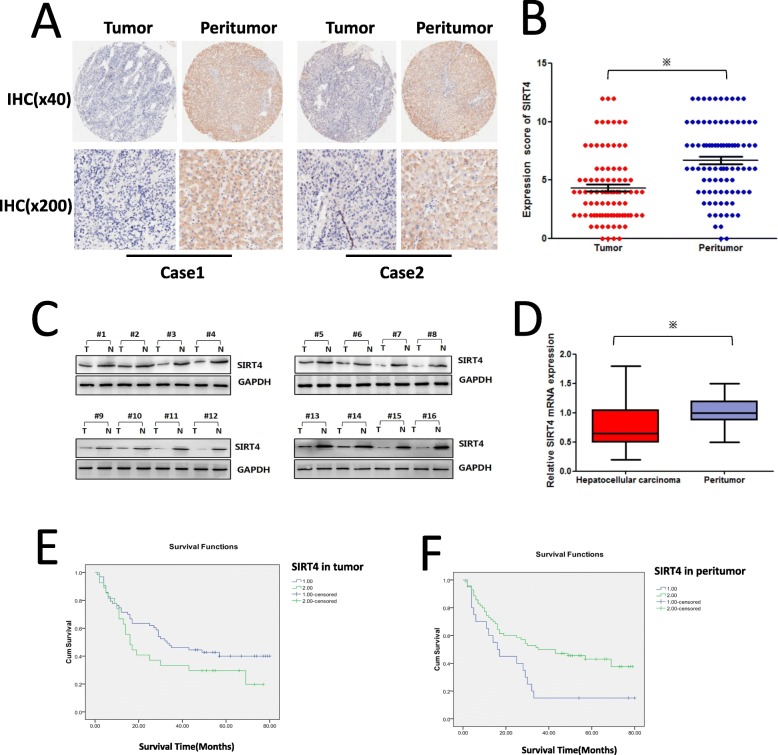
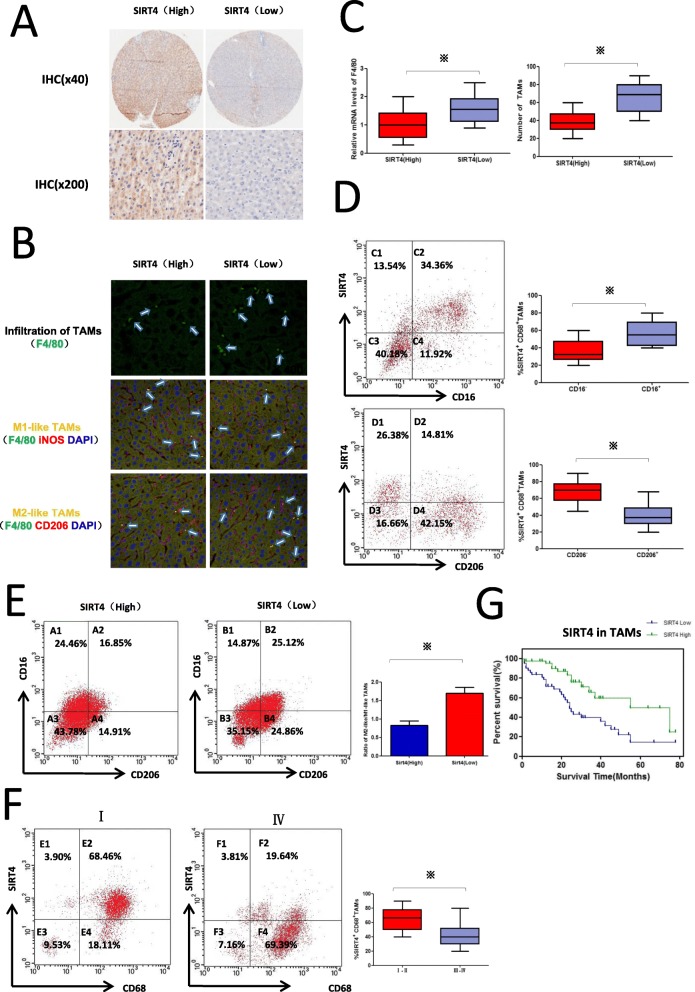
The expression of SIRT4 in HCC tissues and peritumour tissues was tested by qRT-PCR, western blotting and histological analysis. A Kaplan-Meier survival curve was generated based on the expression of SIRT4 in the HCC samples. Next, immunofluorescence staining was used to evaluate distinct groups of TAMs in human HCC samples, and the expression of SIRT4 in M1 and M2 TAMs was examined by flow cytometry. A homograft mouse model was used to assess the effect of SIRT4 silencing in TAMs on the development of HCC cells.
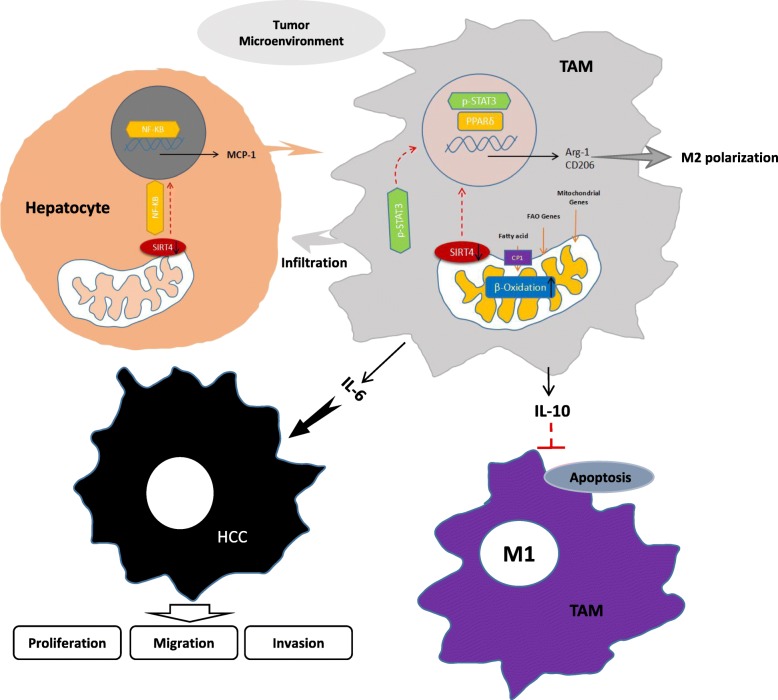
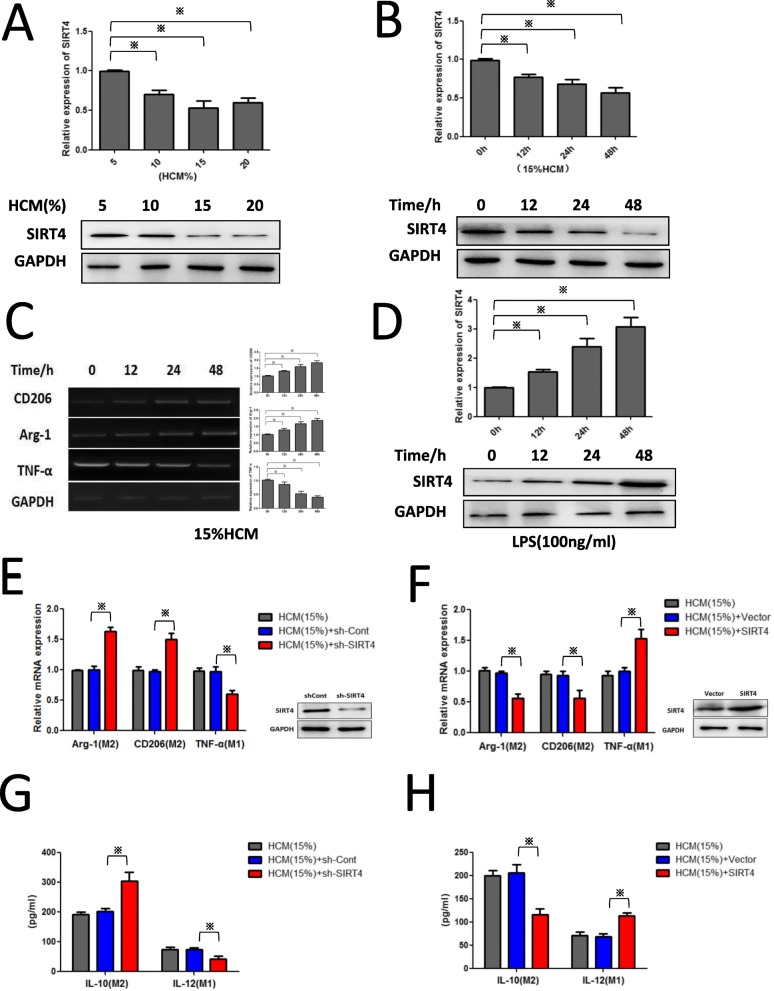
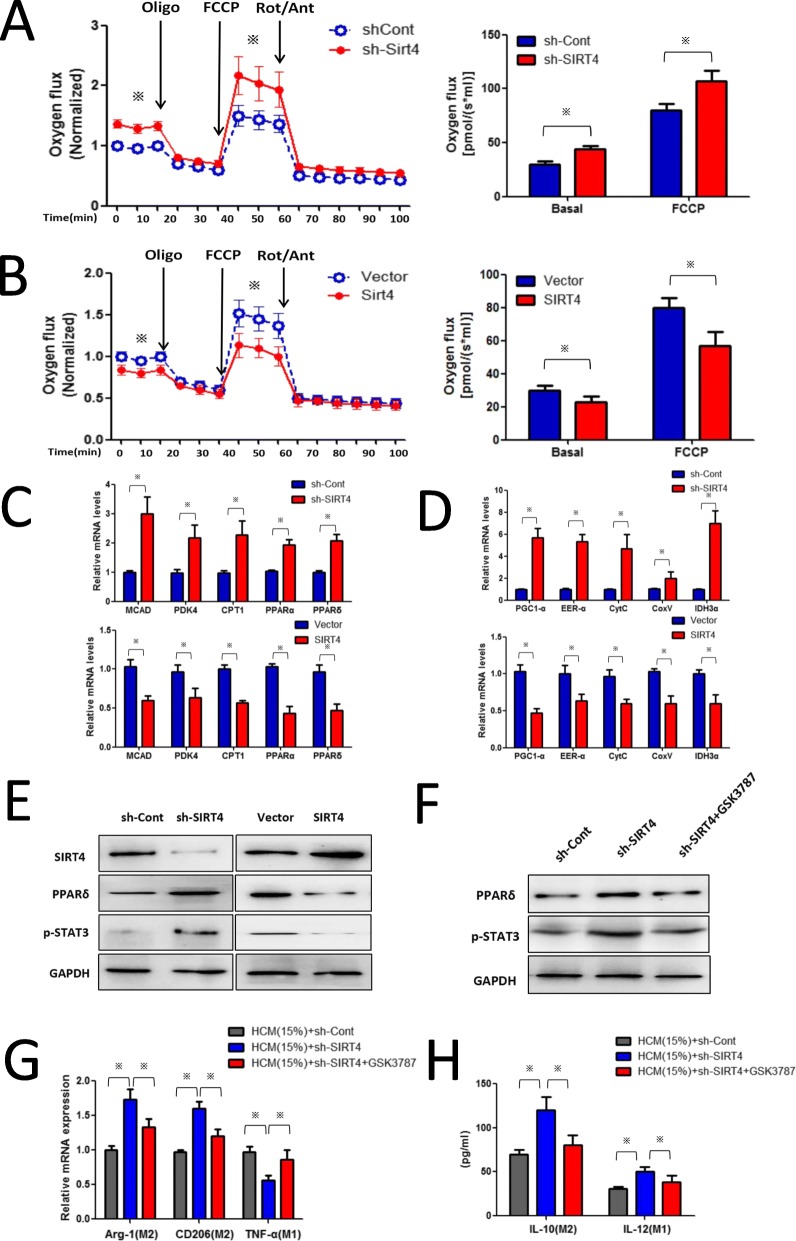
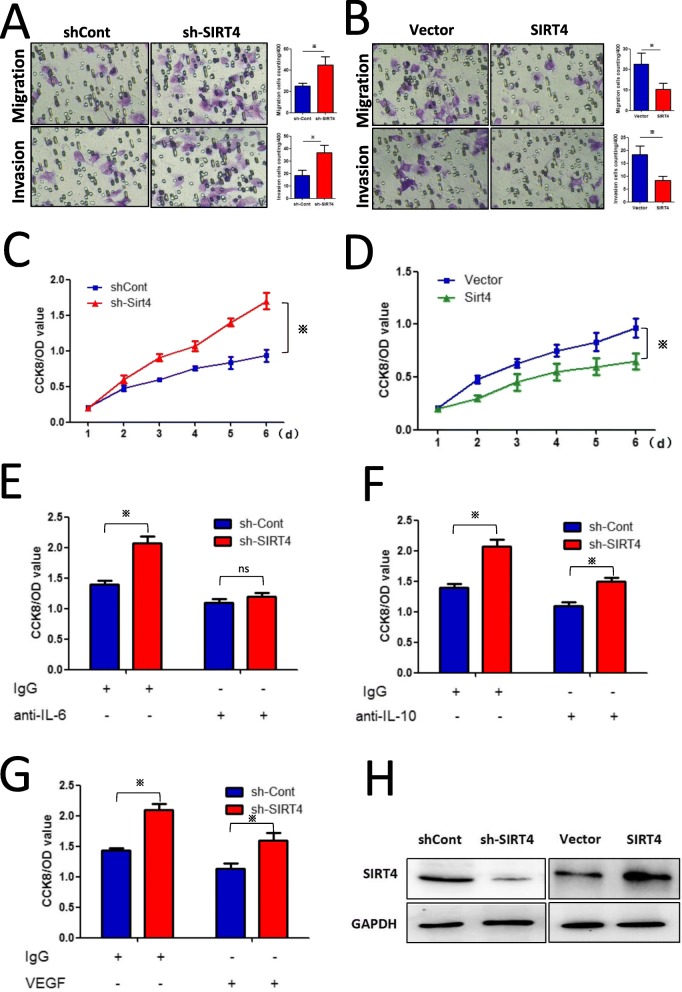
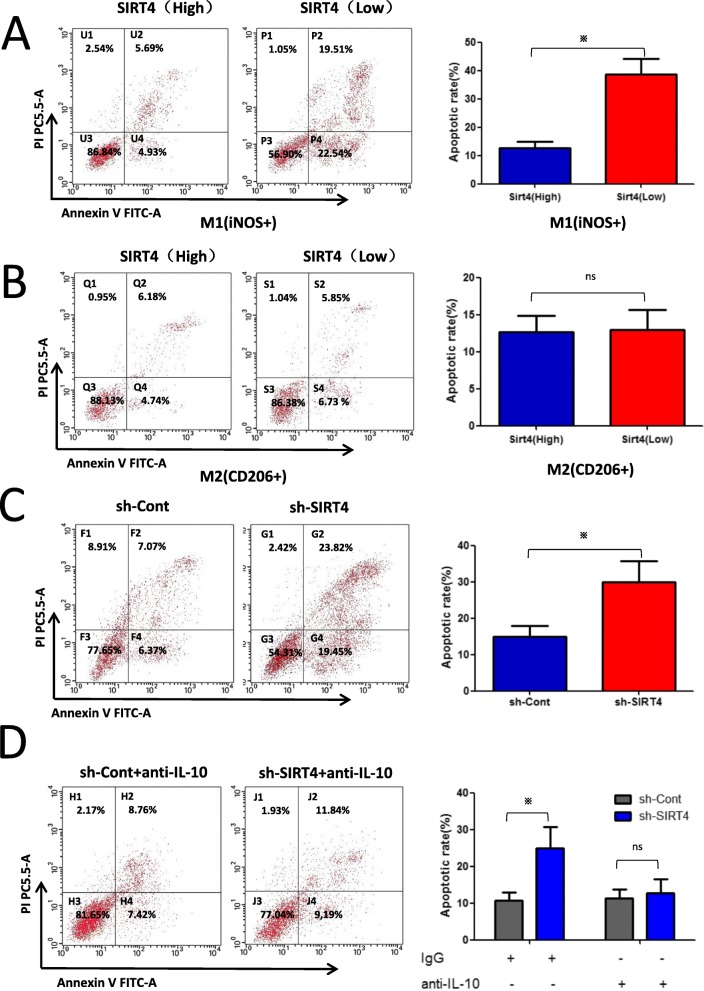
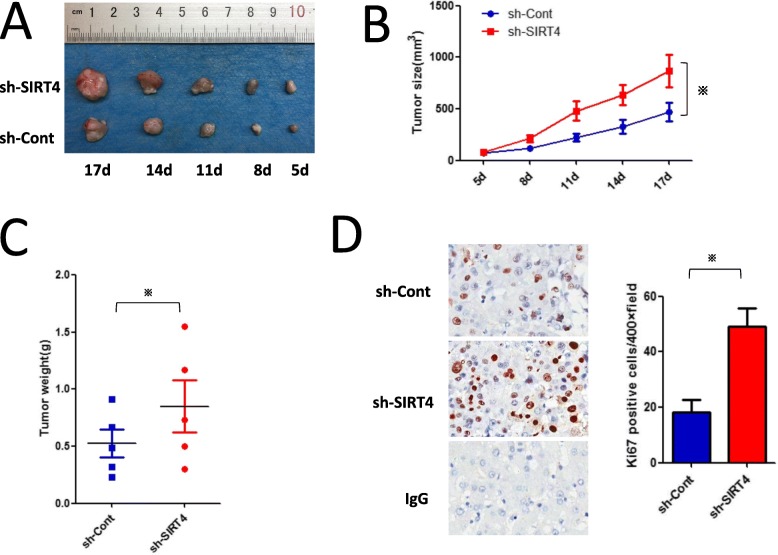
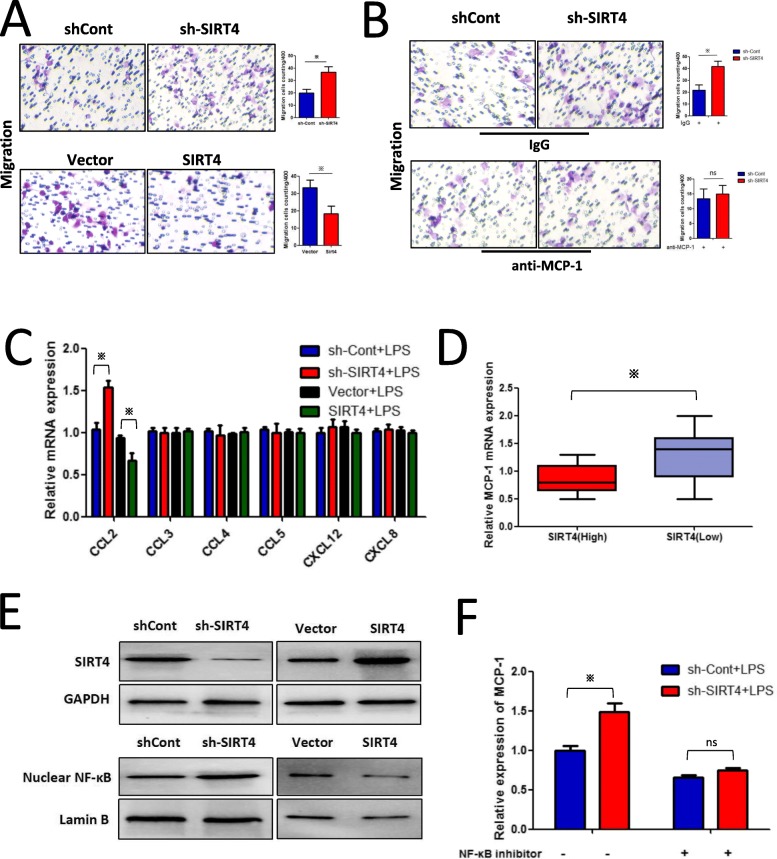
SIRT4 was significantly downregulated in HCC tumour tissues, and the expression of SIRT4 in peritumour tissues was positively associated with survival in patients. We further found that downregulation of SIRT4 was associated with increased macrophage infiltration and a high ratio of M2/M1 macrophages in HCC peritumour tissues. Using gene interference, we found that SIRT4 silencing in TAMs significantly modulated the alternative activation of macrophages and promoted in vitro and in vivo HCC cell growth. Mechanistically, we revealed that HCM restricted the expression of SIRT4 in macrophages and promoted alternative activation of macrophages via the FAO-PPARδ-STAT3 axis. Furthermore, we also revealed that elevated MCP-1 expression induced by SIRT4 downregulation was responsible for increased TAM infiltration in peritumour tissues.
Overall, our results demonstrate that downregulation of SIRT4 in TAMs modulates the alternative activation of macrophages and promotes HCC development via the FAO-PPARδ-STAT3 axis. These results could provide a new therapeutic target for the treatment of HCC.
肿瘤相关巨噬细胞(TAMs)的激活促进了肝细胞癌(HCC)的进展。SIRT4 通过调节细胞代谢、炎症和抗肿瘤生成,作为肿瘤生长的肿瘤抑制因子发挥作用。然而,SIRT4 是否参与 TAMs 的激活尚不清楚。基于先前的发现,研究了 SIRT4 在不同类型 TAMs 中的表达以及 SIRT4 沉默对巨噬细胞极化的影响。
通过 qRT-PCR、western blot 和组织学分析检测 HCC 组织和肿瘤周围组织中 SIRT4 的表达。根据 HCC 样本中 SIRT4 的表达生成 Kaplan-Meier 生存曲线。接下来,使用免疫荧光染色评估人 HCC 样本中的不同类型 TAMs,并用流式细胞术检测 M1 和 M2 TAMs 中的 SIRT4 表达。使用同种异体移植小鼠模型评估 SIRT4 沉默对 TAMs 中 HCC 细胞发育的影响。
SIRT4 在 HCC 肿瘤组织中显著下调,肿瘤周围组织中 SIRT4 的表达与患者的生存呈正相关。我们进一步发现,SIRT4 下调与 HCC 肿瘤周围组织中巨噬细胞浸润增加和 M2/M1 巨噬细胞比例升高有关。通过基因干扰,我们发现 SIRT4 在 TAMs 中的沉默显著调节巨噬细胞的替代激活,并促进体外和体内 HCC 细胞生长。机制上,我们揭示了 HCM 通过 FAO-PPARδ-STAT3 轴限制巨噬细胞中 SIRT4 的表达并促进巨噬细胞的替代激活。此外,我们还揭示了 SIRT4 下调诱导的 MCP-1 表达升高是肿瘤周围组织中 TAM 浸润增加的原因。
总的来说,我们的研究结果表明,TAMs 中 SIRT4 的下调通过 FAO-PPARδ-STAT3 轴调节巨噬细胞的替代激活,并促进 HCC 的发展。这些结果为 HCC 的治疗提供了一个新的治疗靶点。