Stanford Institute for Stem Cell Biology & Regenerative Medicine, Stanford-UC Berkeley Siebel Stem Cell Institute, Stanford University School of Medicine, Stanford, California.
Department of Developmental Biology, Bio-X, Cancer Institute, Cardiovascular Institute, ChEM-H, Diabetes Research Center, Maternal & Child Health Research Institute, Wu Tsai Neurosciences Institute, Stanford University School of Medicine, Stanford, California.
Wiley Interdiscip Rev Dev Biol. 2020 May;9(3):e368. doi: 10.1002/wdev.368. Epub 2019 Nov 19.
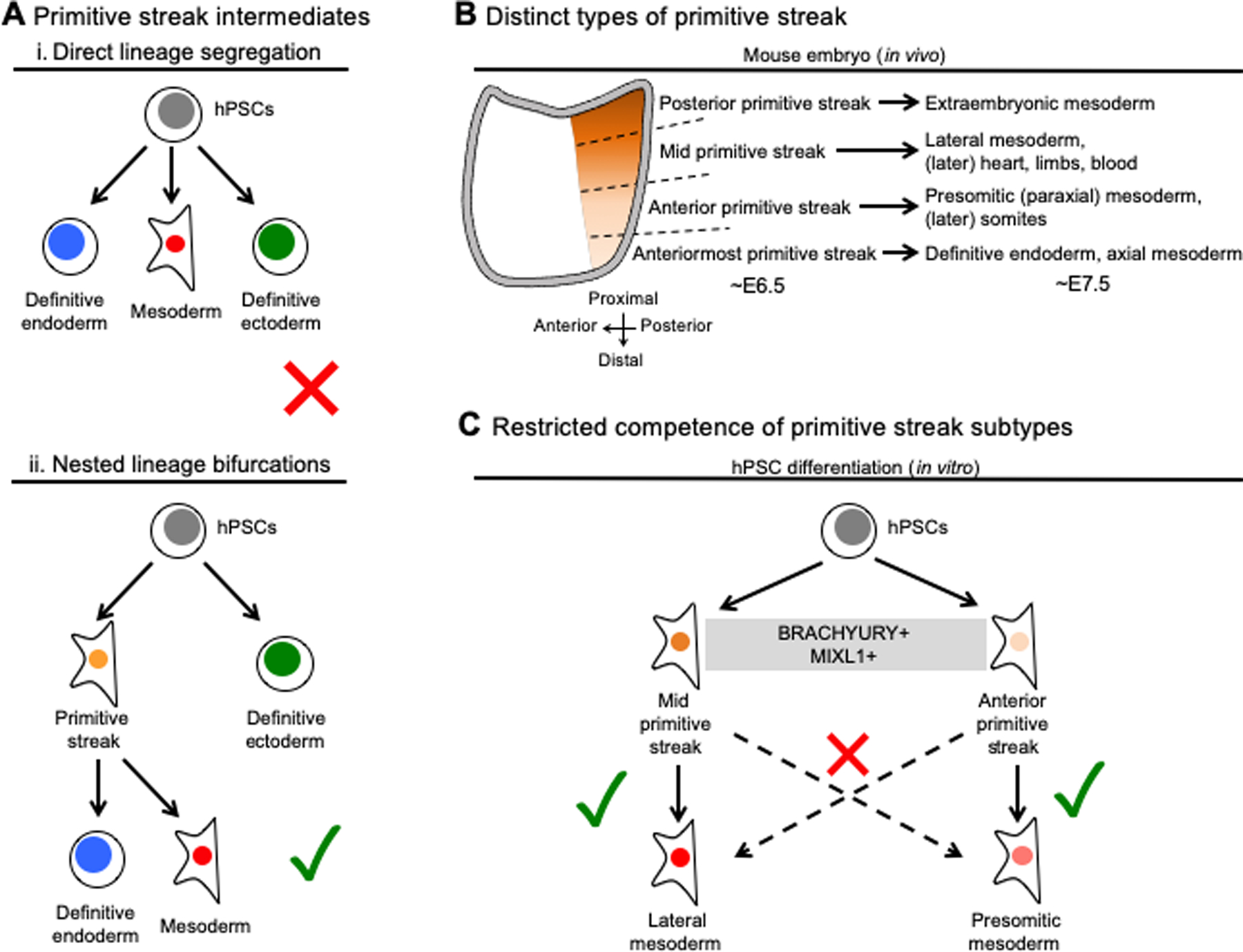
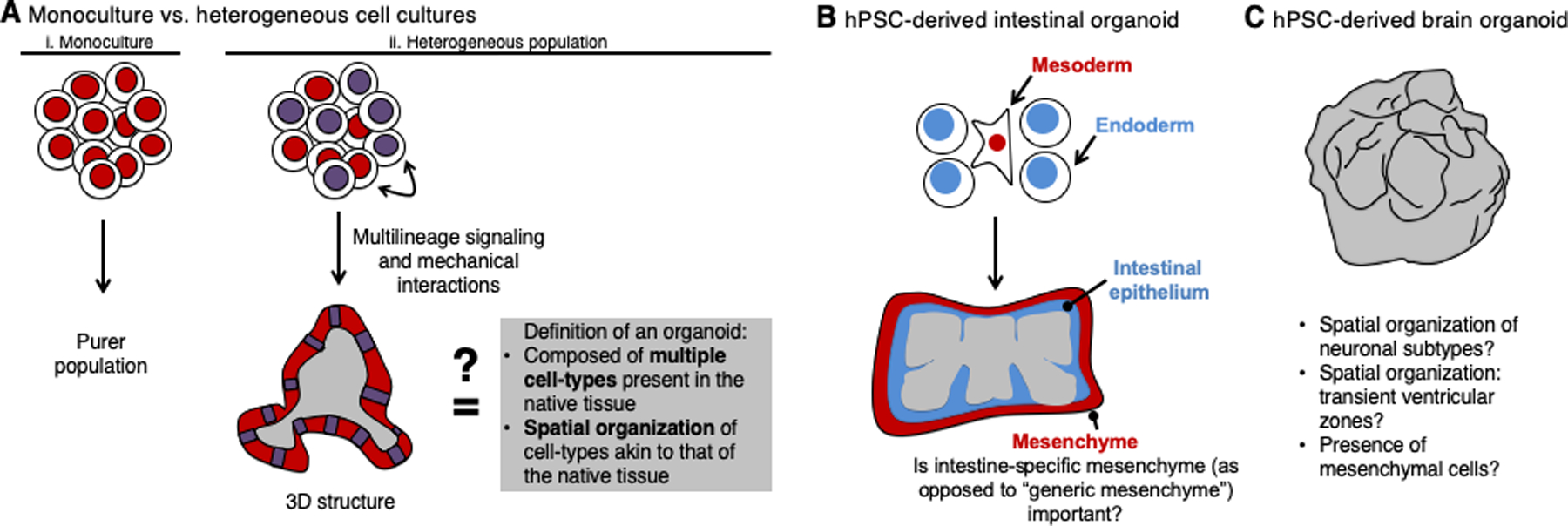
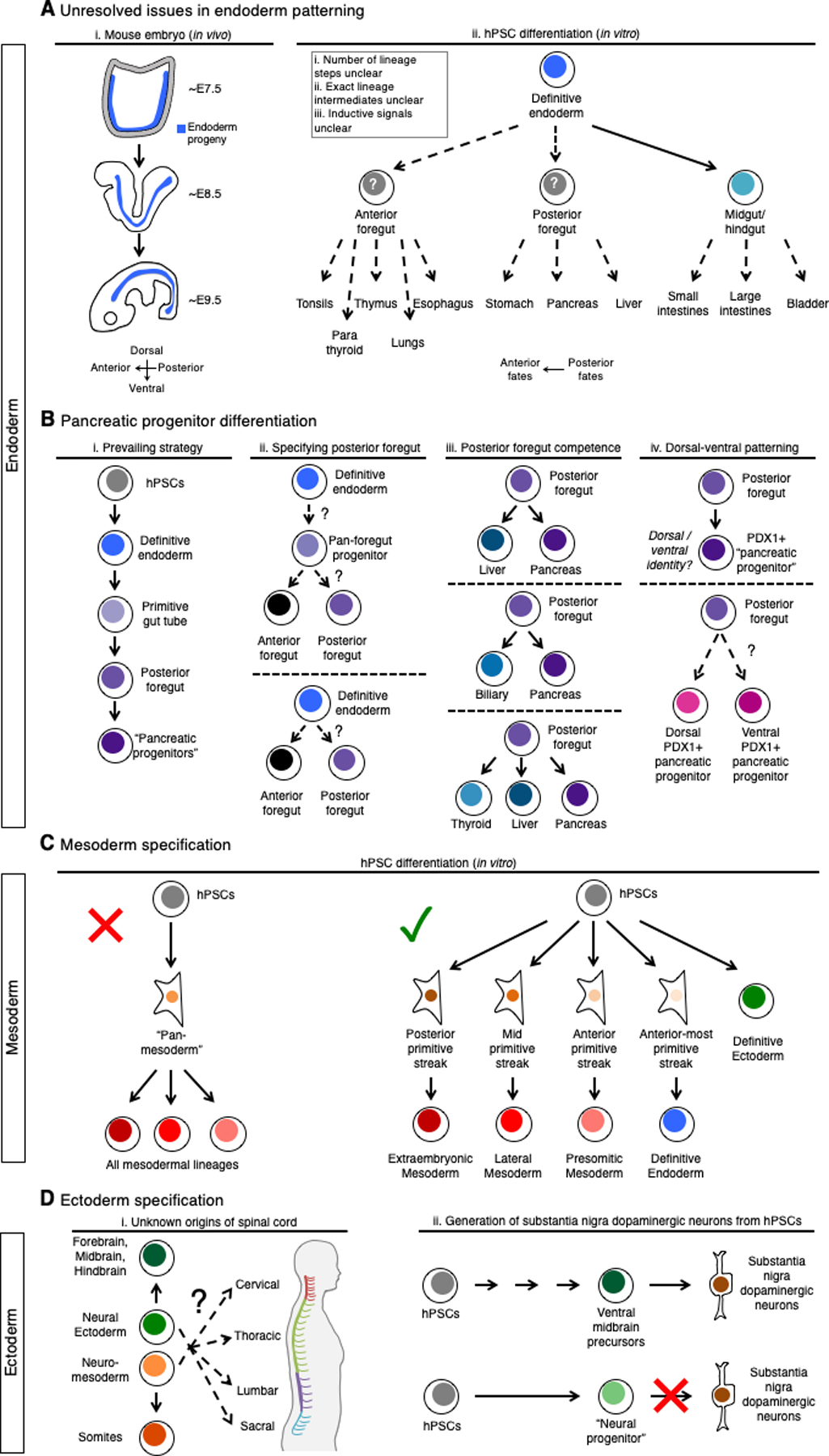
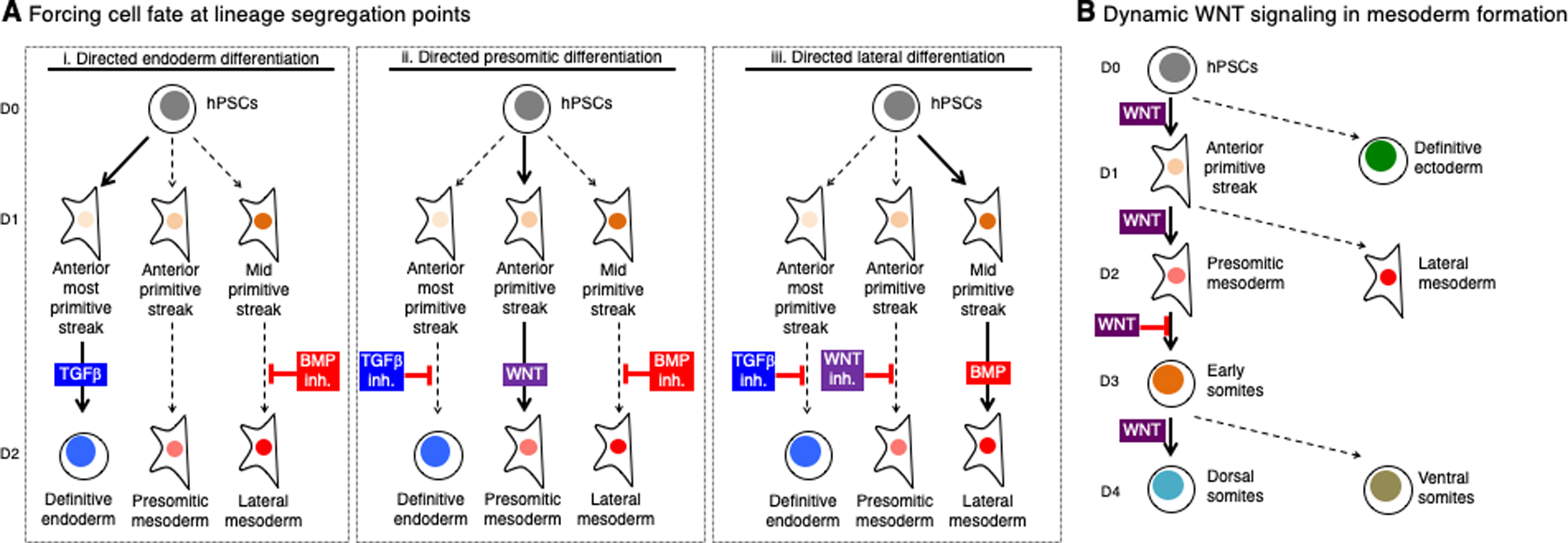
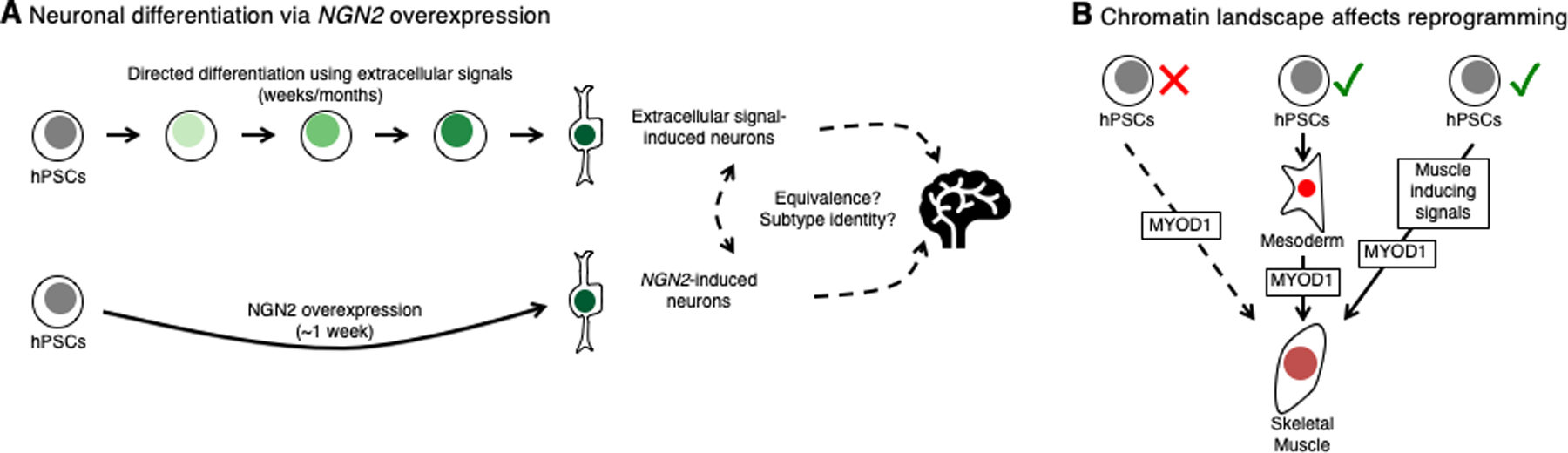
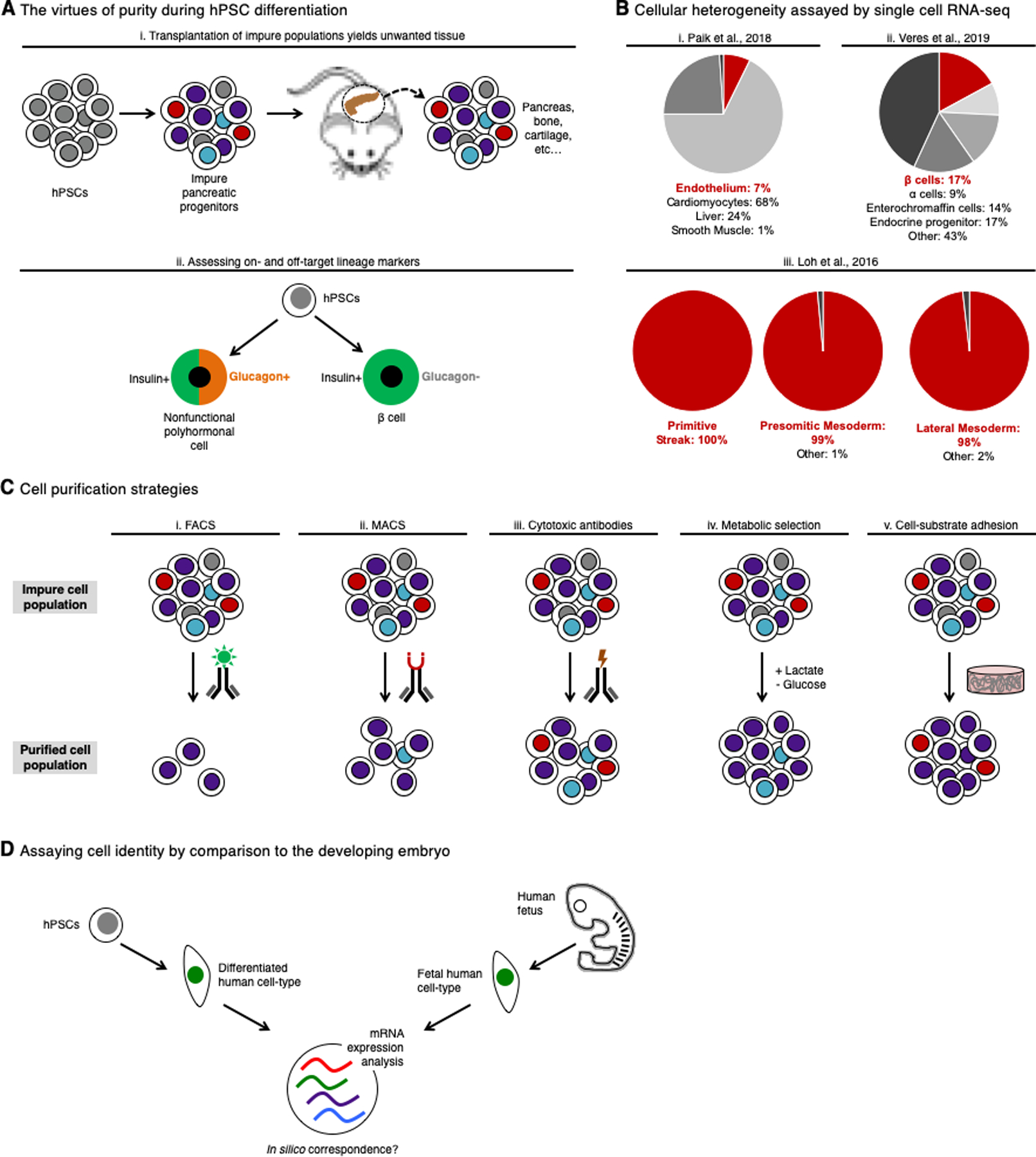
Too many choices can be problematic. This is certainly the case for human pluripotent stem cells (hPSCs): they harbor the potential to differentiate into hundreds of cell types; yet it is highly challenging to exclusively differentiate hPSCs into a single desired cell type. This review focuses on unresolved and fundamental questions regarding hPSC differentiation and critiquing the identity and purity of the resultant cell populations. These are timely issues in view of the fact that hPSC-derived cell populations have or are being transplanted into patients in over 30 ongoing clinical trials. While many in vitro differentiation protocols purport to "mimic development," the exact number and identity of intermediate steps that a pluripotent cell takes to differentiate into a given cell type in vivo remains largely unknown. Consequently, most differentiation efforts inevitably generate a heterogeneous cellular population, as revealed by single-cell RNA-sequencing and other analyses. The presence of unwanted cell types in differentiated hPSC populations does not portend well for transplantation therapies. This provides an impetus to precisely control differentiation to desired ends-for instance, by logically blocking the formation of unwanted cell types or by overexpressing lineage-specifying transcription factors-or by harnessing technologies to selectively purify desired cell types. Conversely, approaches to differentiate three-dimensional "organoids" from hPSCs intentionally generate heterogeneous cell populations. While this is intended to mimic the rich cellular diversity of developing tissues, whether all such organoids are spatially organized in a manner akin to native organs (and thus, whether they fully qualify as organoids) remains to be fully resolved. This article is categorized under: Adult Stem Cells > Tissue Renewal > Regeneration: Stem Cell Differentiation and Reversion Gene Expression > Transcriptional Hierarchies: Cellular Differentiation Early Embryonic Development: Gastrulation and Neurulation.
过多的选择可能会带来问题。这在人类多能干细胞(hPSC)中确实如此:它们具有分化为数百种细胞类型的潜力;然而,将 hPSC 专门分化为单一所需的细胞类型极具挑战性。本综述重点关注 hPSC 分化方面尚未解决的基本问题,并对所得细胞群体的身份和纯度提出批评。鉴于 hPSC 衍生细胞群体已或正在被移植到 30 多项正在进行的临床试验中的患者中,这些问题是及时的。虽然许多体外分化方案旨在“模拟发育”,但多能细胞在体内分化为特定细胞类型所经历的确切步骤的数量和身份在很大程度上仍是未知的。因此,正如单细胞 RNA 测序和其他分析所揭示的那样,大多数分化努力不可避免地会产生异质细胞群体。在分化的 hPSC 群体中存在不需要的细胞类型,这对移植疗法来说并不是好兆头。这促使人们精确地控制分化以达到预期的目的——例如,通过逻辑上阻止不需要的细胞类型的形成,或通过过表达谱系特异性转录因子,或利用技术选择性地纯化所需的细胞类型。相反,从 hPSC 分化三维“类器官”的方法有意地产生异质细胞群体。虽然这旨在模拟发育组织中丰富的细胞多样性,但所有这些类器官是否以类似于天然器官的方式在空间上组织(以及它们是否完全符合类器官的标准)仍有待充分解决。本文归入以下类别: 成体干细胞 > 组织更新 > 再生:干细胞分化和反转 基因表达 > 转录层次:细胞分化 早期胚胎发育:原肠胚形成和神经胚形成。