Department of Genetics, Institute of Biology, Eötvös Loránd University, Pázmány Péter stny. 1/C, H-1117 Budapest, Hungary.
Earlham Institute, Norwich NR4 7UZ, UK.
Int J Mol Sci. 2019 Nov 19;20(22):5815. doi: 10.3390/ijms20225815.
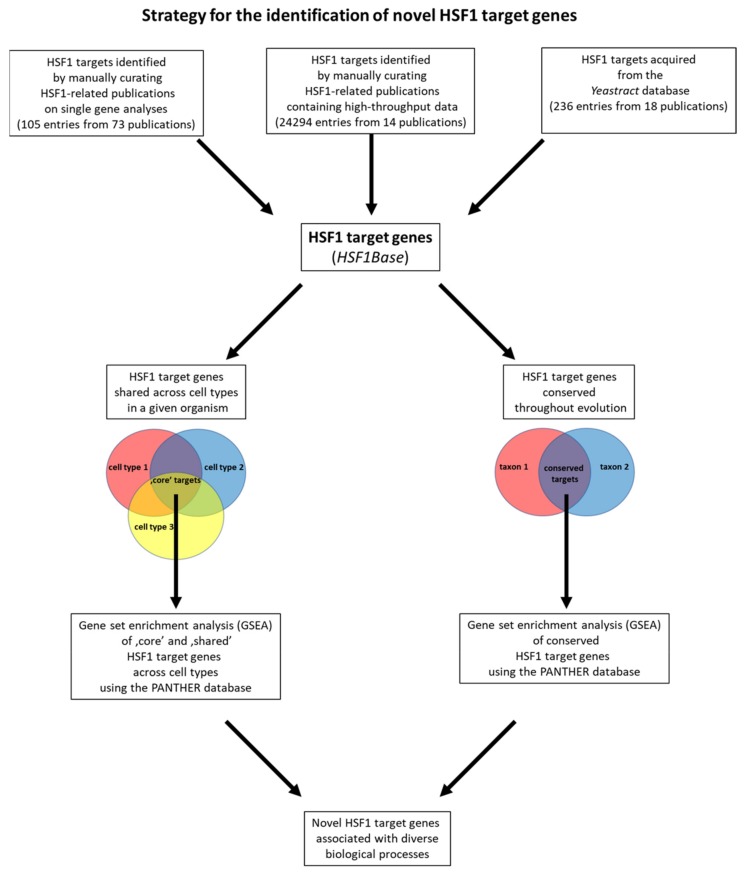
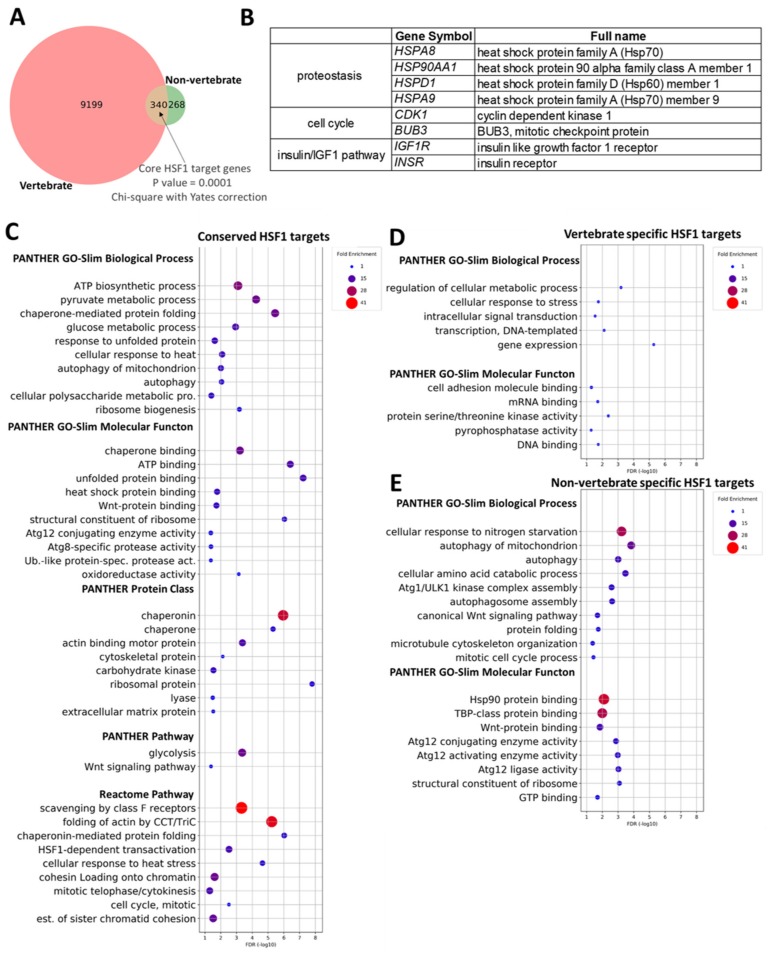
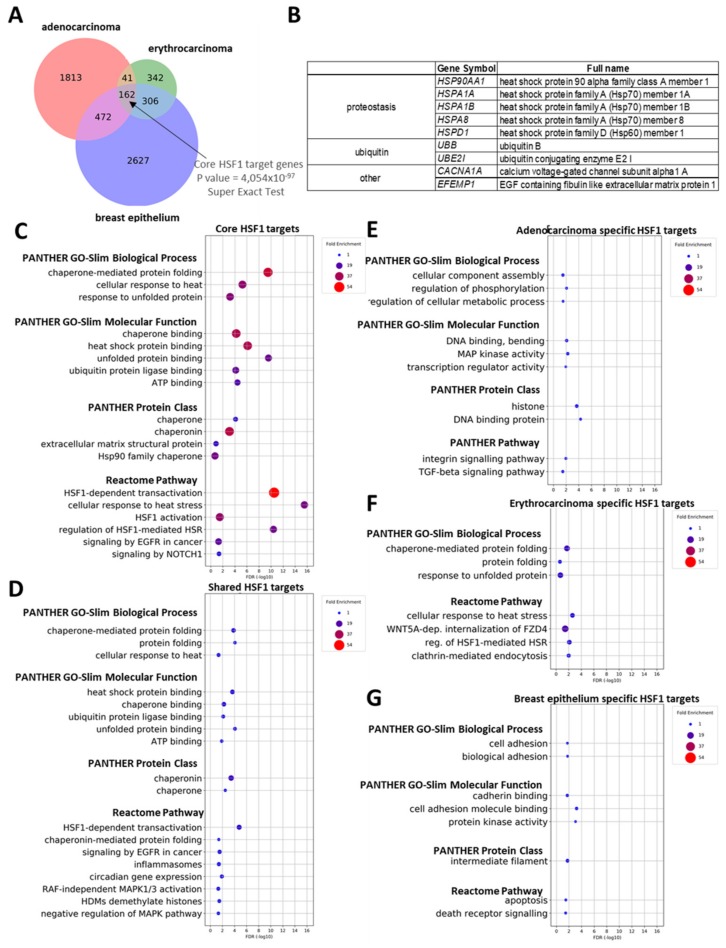
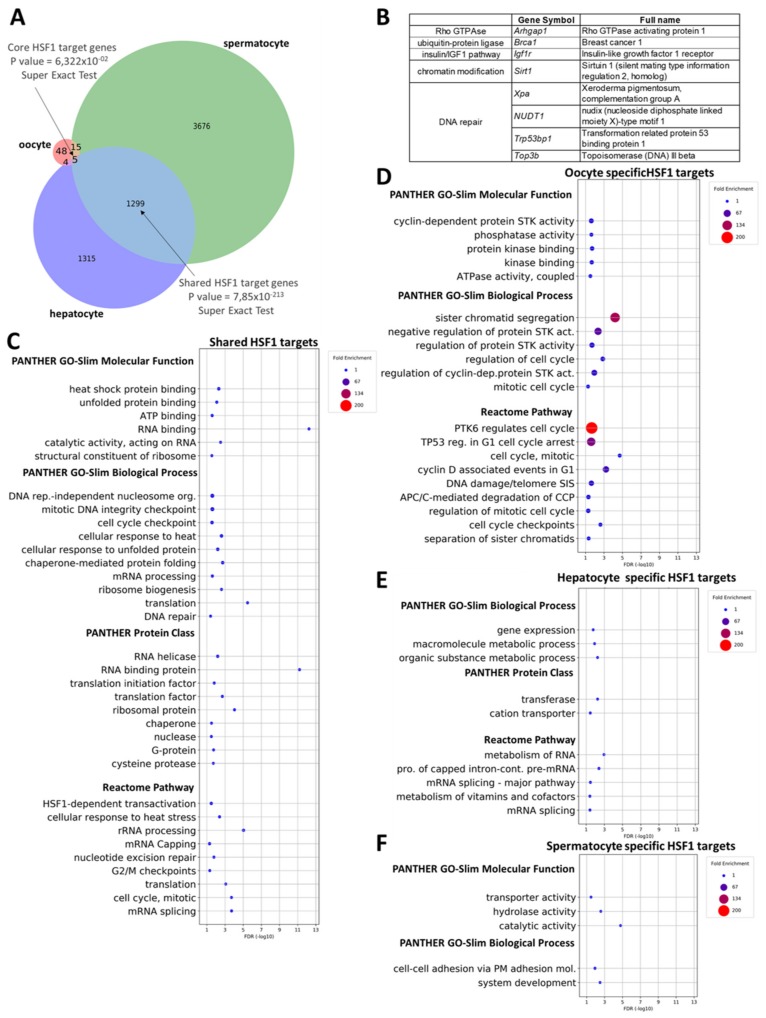
HSF1 (heat shock factor 1) is an evolutionarily conserved master transcriptional regulator of the heat shock response (HSR) in eukaryotic cells. In response to high temperatures, HSF1 upregulates genes encoding molecular chaperones, also called heat shock proteins, which assist the refolding or degradation of damaged intracellular proteins. Accumulating evidence reveals however that HSF1 participates in several other physiological and pathological processes such as differentiation, immune response, and multidrug resistance, as well as in ageing, neurodegenerative demise, and cancer. To address how HSF1 controls these processes one should systematically analyze its target genes. Here we present a novel database called HSF1Base (hsf1base.org) that contains a nearly comprehensive list of HSF1 target genes identified so far. The list was obtained by manually curating publications on individual HSF1 targets and analyzing relevant high throughput transcriptomic and chromatin immunoprecipitation data derived from the literature and the Yeastract database. To support the biological relevance of HSF1 targets identified by high throughput methods, we performed an enrichment analysis of (potential) HSF1 targets across different tissues/cell types and organisms. We found that general HSF1 functions (targets are expressed in all tissues/cell types) are mostly related to cellular proteostasis. Furthermore, HSF1 targets that are conserved across various animal taxa operate mostly in cellular stress pathways (e.g., autophagy), chromatin remodeling, ribosome biogenesis, and ageing. Together, these data highlight diverse roles for HSF1, expanding far beyond the HSR.
HSF1(热休克因子 1)是真核细胞热休克反应(HSR)中进化上保守的主要转录调控因子。响应高温时,HSF1 上调编码分子伴侣的基因,也称为热休克蛋白,它们有助于折叠或降解受损的细胞内蛋白质。然而,越来越多的证据表明 HSF1 参与了其他几个生理和病理过程,如分化、免疫反应和多药耐药性,以及衰老、神经退行性疾病和癌症。为了确定 HSF1 如何控制这些过程,应该系统地分析其靶基因。在这里,我们介绍了一个名为 HSF1Base(hsf1base.org)的新数据库,其中包含了迄今为止已经确定的 HSF1 靶基因的几乎完整列表。该列表是通过手动整理有关单个 HSF1 靶标的出版物,并分析从文献和 Yeastract 数据库中获得的相关高通量转录组学和染色质免疫沉淀数据来获得的。为了支持高通量方法鉴定的 HSF1 靶标的生物学相关性,我们对不同组织/细胞类型和生物体中的(潜在)HSF1 靶标进行了富集分析。我们发现,一般的 HSF1 功能(靶标在所有组织/细胞类型中表达)主要与细胞内蛋白质稳定有关。此外,在各种动物分类群中保守的 HSF1 靶标主要在细胞应激途径(如自噬)、染色质重塑、核糖体生物发生和衰老中起作用。这些数据一起强调了 HSF1 的多种作用,远远超出了 HSR。