Division of Newborn Medicine, Department of Pediatrics, Massachusetts General Hospital, Harvard Medical School, Boston, MA, 02114, USA.
Fetal Neonatal Neuroimaging and Developmental Science Center (FNNDSC), Boston Children's Hospital, Harvard Medical School, 401 Park Drive, Landmark Center 7022, Boston, MA, 02115, USA.
J Transl Med. 2019 Nov 21;17(1):385. doi: 10.1186/s12967-019-2119-5.
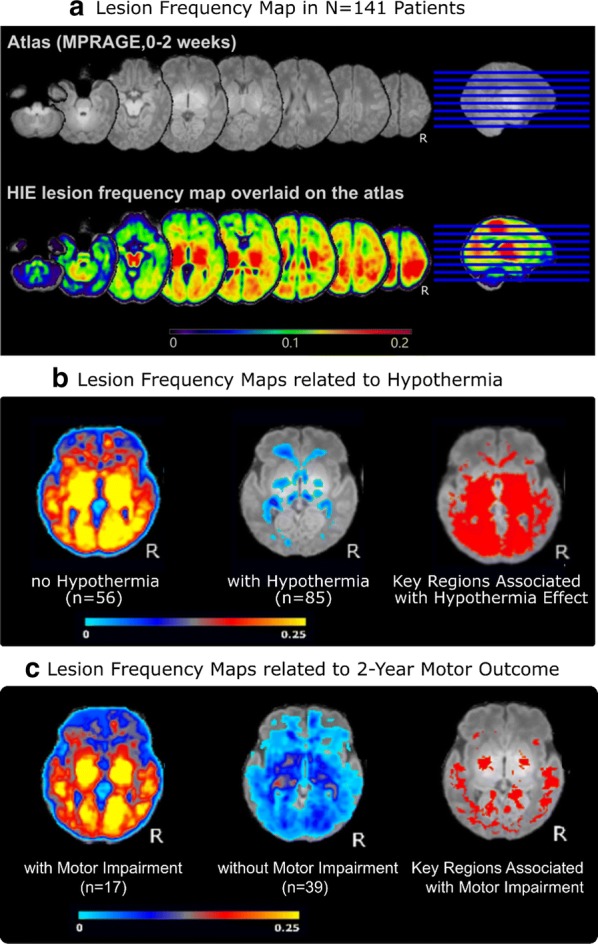
Secondary and retrospective use of hospital-hosted clinical data provides a time- and cost-efficient alternative to prospective clinical trials for biomarker development. This study aims to create a retrospective clinical dataset of Magnetic Resonance Images (MRI) and clinical records of neonatal hypoxic ischemic encephalopathy (HIE), from which clinically-relevant analytic algorithms can be developed for MRI-based HIE lesion detection and outcome prediction.
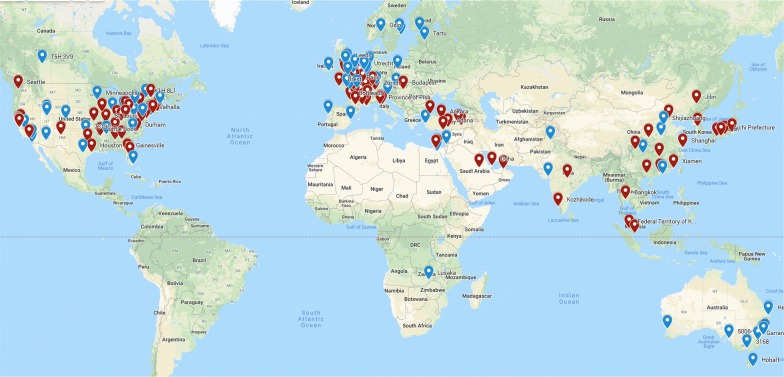
This retrospective study will use clinical registries and big data informatics tools to build a multi-site dataset that contains structural and diffusion MRI, clinical information including hospital course, short-term outcomes (during infancy), and long-term outcomes (~ 2 years of age) for at least 300 patients from multiple hospitals.
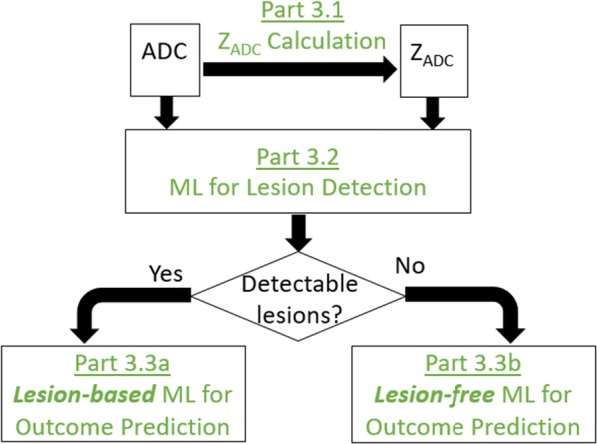
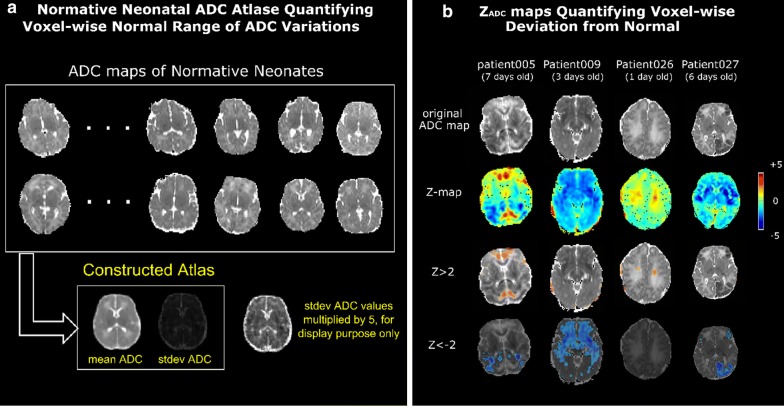
Within machine learning frameworks, we will test whether the quantified deviation from our recently-developed normative brain atlases can detect abnormal regions and predict outcomes for individual patients as accurately as, or even more accurately, than human experts. Trial Registration Not applicable. This study protocol mines existing clinical data thus does not meet the ICMJE definition of a clinical trial that requires registration.
利用医院托管的临床数据进行二次和回顾性使用,为生物标志物开发提供了一种比前瞻性临床试验更省时、更经济的替代方案。本研究旨在创建一个新生儿缺氧缺血性脑病(HIE)的磁共振成像(MRI)和临床记录的回顾性临床数据集,从中可以开发出基于 MRI 的 HIE 病变检测和结果预测的临床相关分析算法。
本回顾性研究将使用临床注册和大数据信息学工具来构建一个多站点数据集,该数据集包含结构和扩散 MRI、临床信息,包括住院过程、短期结果(婴儿期)和至少 300 名来自多家医院的患者的长期结果(~2 岁)。
在机器学习框架内,我们将测试从我们最近开发的规范化脑图谱中量化的偏差是否可以像人类专家一样准确,甚至更准确地检测个体患者的异常区域并预测其结果。
试验注册 不适用。本研究方案挖掘现有的临床数据,因此不符合需要注册的 ICMJE 临床试验定义。