García-Aranda Marilina, Redondo Maximino
Research Unit, Hospital Costa del Sol, Autovía A-7, km 187 29603 Marbella, Spain.
Research Network in Health Services in Chronic Diseases (Red de Investigación en Servicios de Salud en Enfermedades Crónicas, REDISSEC), Carlos III Health Institute (Instituto de Salud Carlos III). Av. de Monforte de Lemos, 5. 28029 Madrid, Spain.
Cancers (Basel). 2019 Nov 20;11(12):1822. doi: 10.3390/cancers11121822.
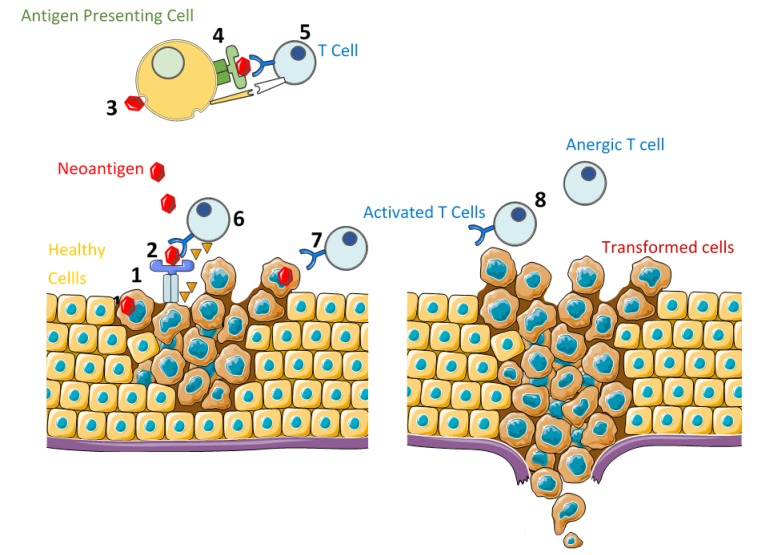
Breast cancer is the most commonly diagnosed cancer in women and is a leading cause of cancer death in women worldwide. Despite the significant benefit of the use of conventional chemotherapy and monoclonal antibodies in the prognosis of breast cancer patients and although the recent approval of the anti-PD-L1 antibody atezolizumab in combination with chemotherapy has been a milestone for the treatment of patients with metastatic triple-negative breast cancer, immunologic treatment of breast tumors remains a great challenge. In this review, we summarize current breast cancer classification and standard of care, the main obstacles that hinder the success of immunotherapies in breast cancer patients, as well as different approaches that could be useful to enhance the response of breast tumors to immunotherapies.
乳腺癌是女性中最常被诊断出的癌症,也是全球女性癌症死亡的主要原因。尽管传统化疗和单克隆抗体在乳腺癌患者预后方面具有显著益处,并且尽管抗PD-L1抗体阿特珠单抗联合化疗最近获批是转移性三阴性乳腺癌患者治疗的一个里程碑,但乳腺肿瘤的免疫治疗仍然是一个巨大的挑战。在这篇综述中,我们总结了当前乳腺癌的分类和治疗标准、阻碍乳腺癌患者免疫治疗成功的主要障碍,以及可能有助于增强乳腺肿瘤对免疫治疗反应的不同方法。