Quach Darin, Parameswaran Narayanan, McCabe Laura, Britton Robert A
Department of Microbiology and Molecular Genetics, Michigan State University, East Lansing, MI, USA.
Department of Physiology, Michigan State University, East Lansing, MI, USA.
Bone Rep. 2019 Nov 2;11:100227. doi: 10.1016/j.bonr.2019.100227. eCollection 2019 Dec.
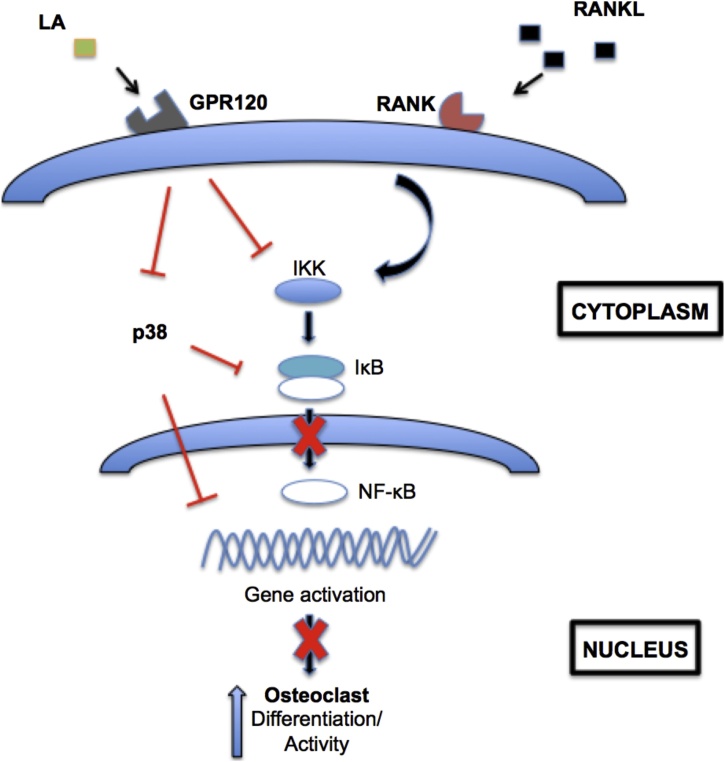
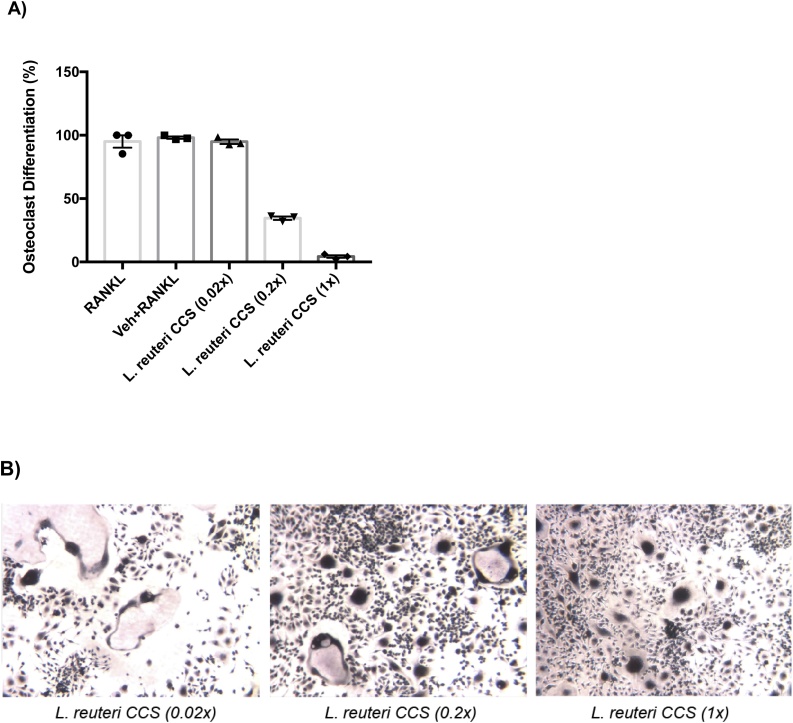
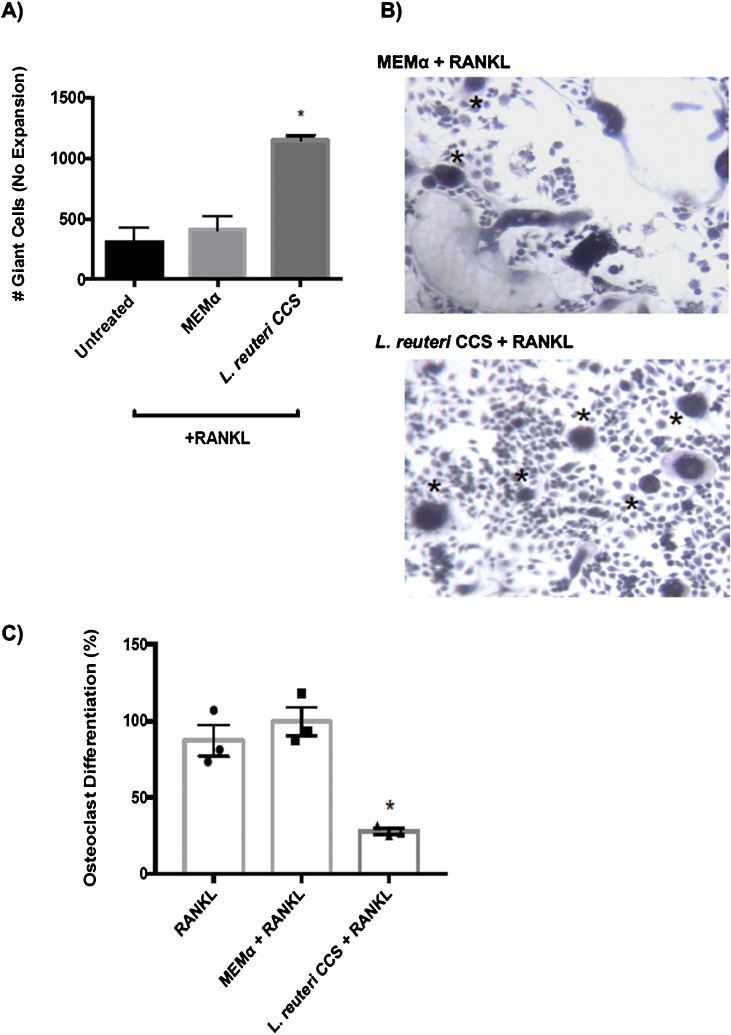
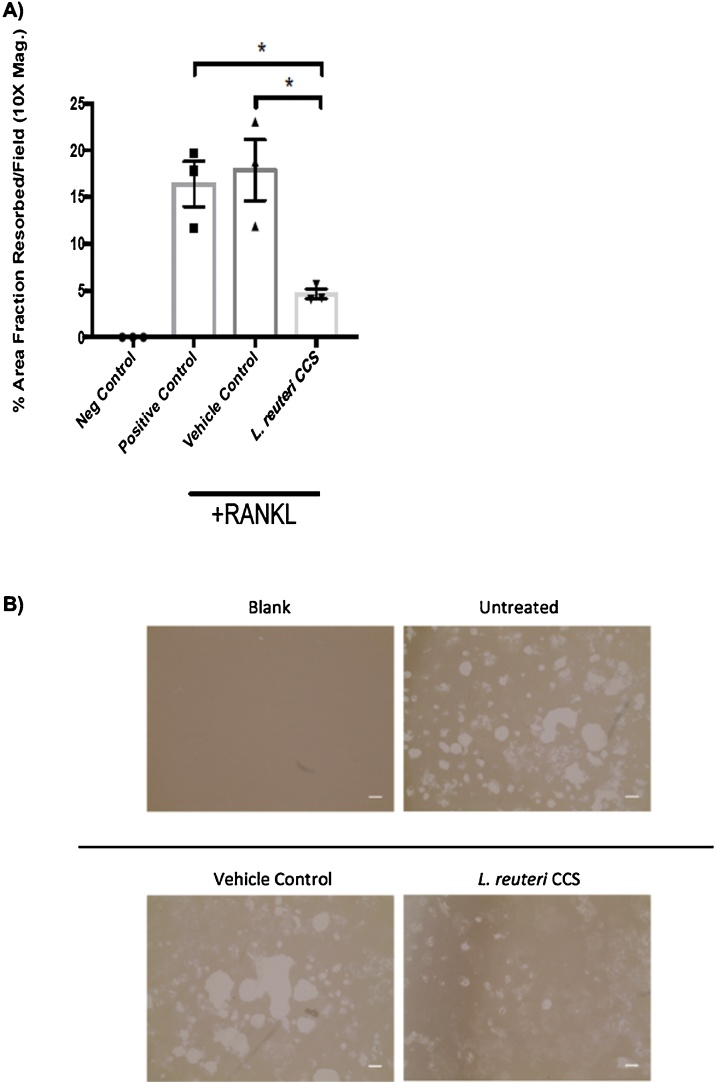
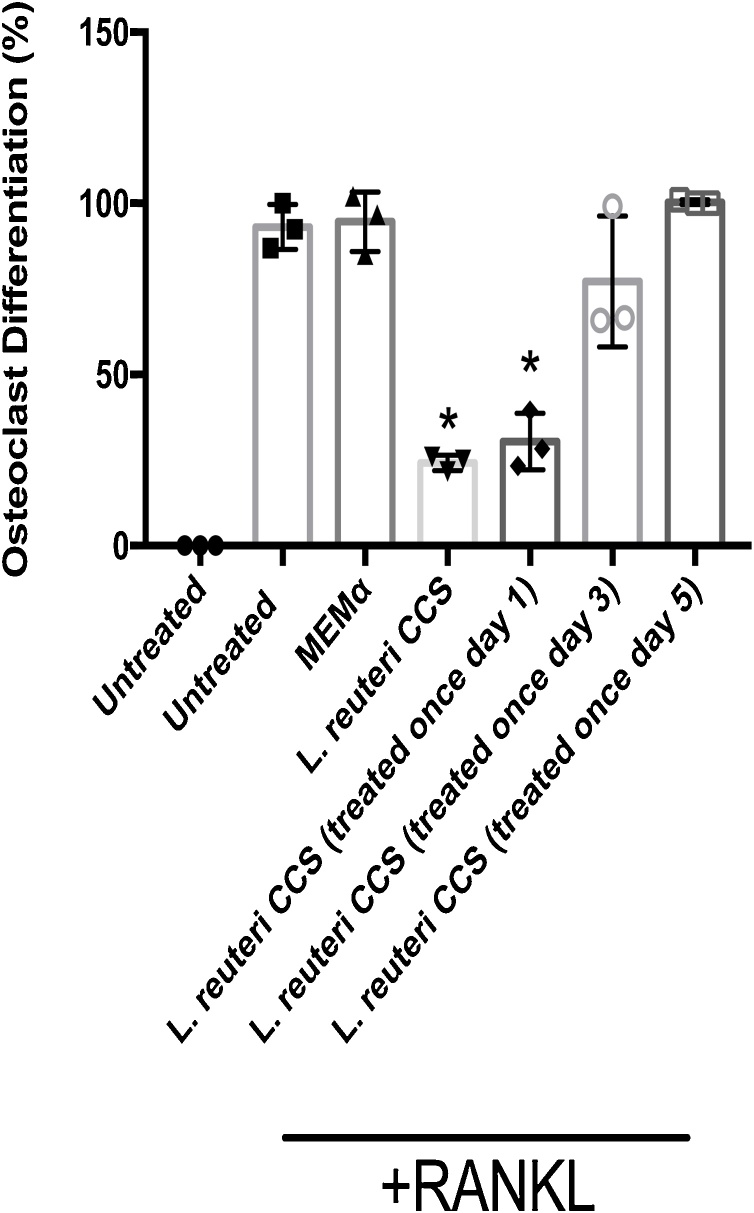
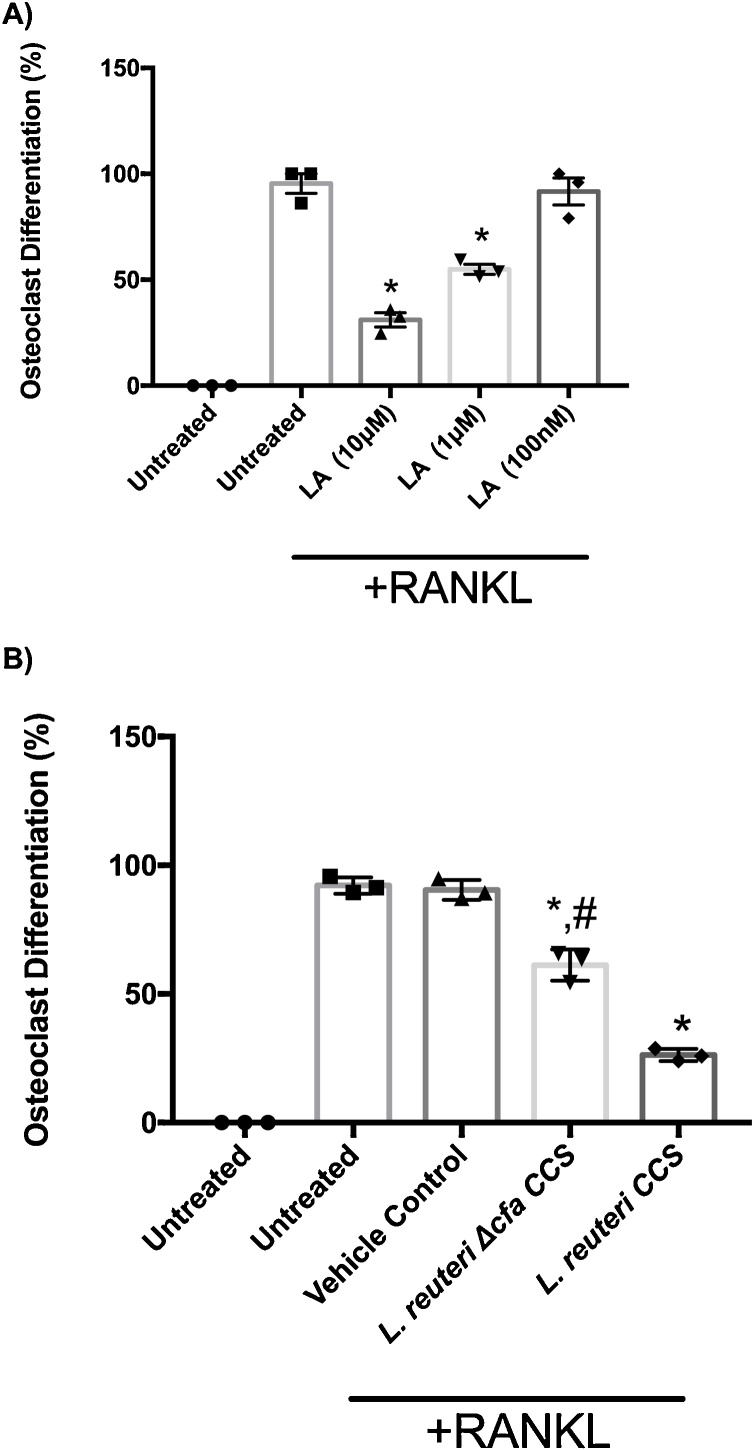
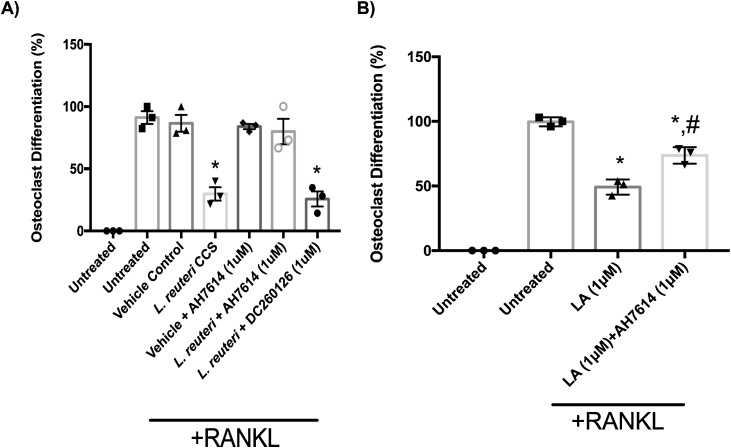
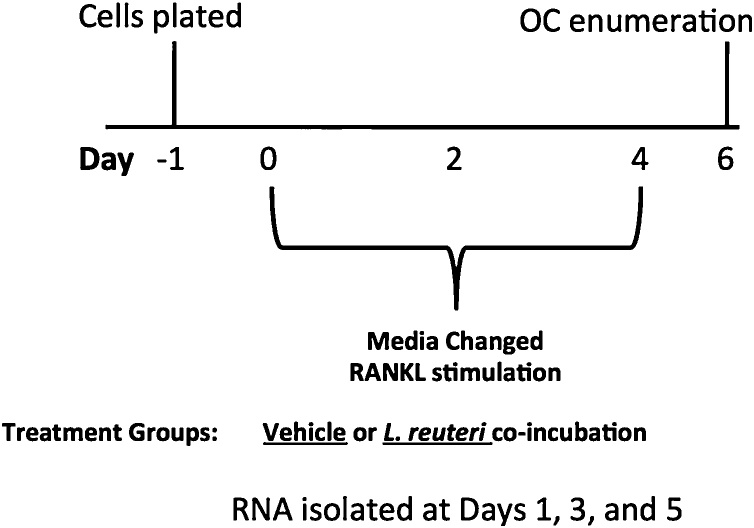
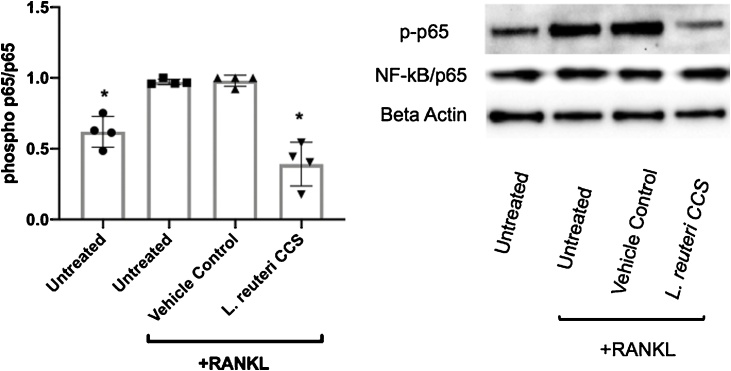
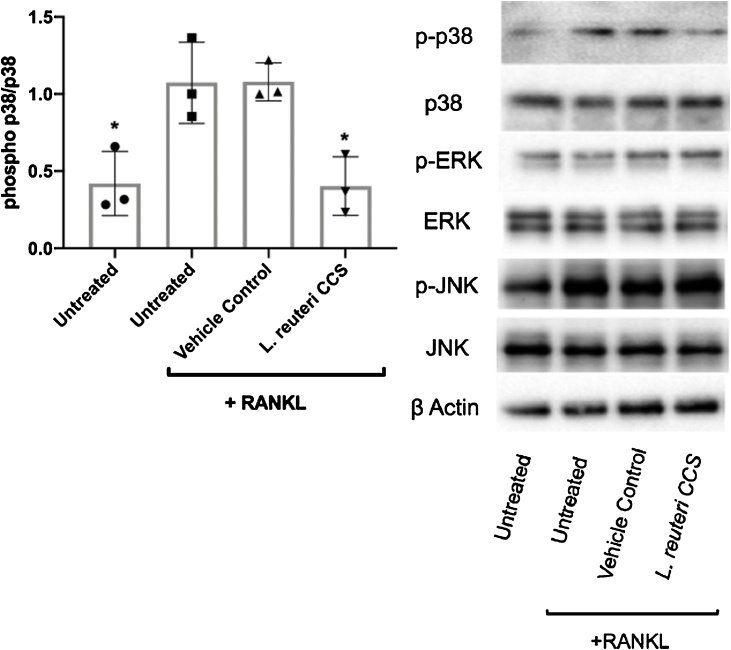
Osteoporosis is a disease that impacts over 200 million people worldwide. Taking into consideration the side effects stemming from medications used to treat this illness, investigators have increased their efforts to develop novel therapeutics for osteoporosis. In a previous study, we demonstrated that ovariectomy-induced bone loss in mice was prevented by treatment with the probiotic bacterium 6475 (, an effect that correlated with reduced osteoclastogenesis in the bone marrow of treated mice. We also demonstrated that directly inhibited osteoclastogenesis . To better understand how impacts osteoclast formation, we used additional analyses to identify that conditioned supernatant from inhibited osteoclastogenesis at the intermediate stage of fused polykaryons. To elucidate the effect of treatment on host cell physiology, we performed RNAseq at multiple time points during osteoclastogenesis and established that downregulated several KEGG pathways including osteoclast differentiation as well as TNF-α, NF-κB, and MAP kinase signaling. These results were consistent with Western Blot data demonstrating that NF-κB and p38 activation were decreased by treatment. We further identified that lactobacillic acid (LA), a cyclopropane fatty acid produced by , contributed significantly to the suppression of osteoclastogenesis. Additionally, we demonstrated that is signaling through the long chain fatty acid receptor, GPR120, to impact osteoclastogenesis. Overall, these studies provide both bacterial and host mechanisms by which impacts osteoclastogenesis and suggest that long chain fatty acid receptors could be targets for preventing osteoclastogenesis.
骨质疏松症是一种影响全球超过2亿人的疾病。考虑到用于治疗这种疾病的药物所产生的副作用,研究人员加大了开发新型骨质疏松症治疗方法的力度。在之前的一项研究中,我们证明用益生菌6475治疗可预防小鼠卵巢切除诱导的骨质流失,这一效果与治疗小鼠骨髓中破骨细胞生成减少相关。我们还证明6475直接抑制破骨细胞生成。为了更好地理解6475如何影响破骨细胞形成,我们使用了额外的分析来确定6475的条件上清液在多核融合的中间阶段抑制破骨细胞生成。为了阐明6475治疗对宿主细胞生理学的影响,我们在破骨细胞生成的多个时间点进行了RNA测序,并确定6475下调了包括破骨细胞分化以及TNF-α、NF-κB和丝裂原活化蛋白激酶信号传导在内的多个KEGG通路。这些结果与蛋白质免疫印迹数据一致,表明6475治疗可降低NF-κB和p38的激活。我们进一步确定,由6475产生的环丙烷脂肪酸乳杆菌酸(LA)对破骨细胞生成的抑制有显著贡献。此外,我们证明6475通过长链脂肪酸受体GPR120发出信号来影响破骨细胞生成。总体而言,这些研究提供了6475影响破骨细胞生成的细菌和宿主机制,并表明长链脂肪酸受体可能是预防破骨细胞生成的靶点。