Institute of Medical Microbiology, Semmelweis University, Nagyvárad tér 4, Budapest, H-1089, Hungary.
Institute of Laboratory Medicine, Semmelweis University, Budapest, Hungary.
BMC Infect Dis. 2019 Nov 28;19(1):1009. doi: 10.1186/s12879-019-4626-7.
Although Streptococcus agalactiae is the leading causative agent of neonatal sepsis and meningitis, recently it is increasingly isolated from non-pregnant adults. The relation between its presence in the genitourinary tract and manifested clinical symptoms of STD patients remains an open question. In this study, a complex epidemiological investigation of GBS isolates from a venerology clinic was performed.
Ninety-six GBS isolates were serotyped and their genetic relatedness determined by PFGE. MLST was also performed for a subset of 20 isolates. The antibiotic susceptibility was tested with agar dilution. Surface proteins and the ST-17 hypervirulent clone was detected by PCR.
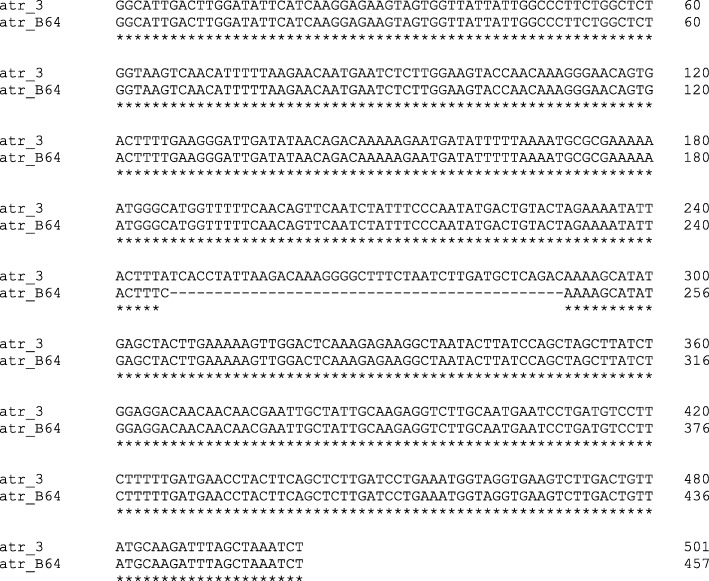
The serotype prevalence was the following: V (29.2%), III (27.1%), Ia (22.9%), IV (10.4%), II (5.2%) and Ib (4.2%). A strong association was demonstrated between surface protein genes and serotypes. All isolates were fully susceptible to penicillin, but erythromycin and clindamycin resistance was high (41.7 and 35.4%, respectively), and 8 phenotypically macrolide sensitive isolates carried the ermB gene. 21.9% of all strains belonged to the hypervirulent ST17 clone, most being of serotype III and all were rib +. We found a few serotype IV isolates belonging to several STs and one serotype V/ST110 strain, containing a 44-bp deletion in the atr allele.
The presence of silent ermB genes is of worry, as their expression upon macrolide exposure could lead to unforeseen therapeutic failure, while clindamycin is used for intrapartum antibiotic prophylaxis, in case of penicillin allergy. The other alarming result is the high prevalence of ST17 among these strains from STD patients, who could be sources of further infections. This is the first report from Hungary providing both serotyping and genotyping data of GBS isolates. These results could be helpful for vaccine production as the major vaccine candidates are capsular antigens or surface proteins.
尽管无乳链球菌是导致新生儿败血症和脑膜炎的主要病原体,但最近它越来越多地从非孕妇成年人中分离出来。其在泌尿生殖道中的存在与表现出性病患者临床症状之间的关系仍然是一个悬而未决的问题。在这项研究中,对一家性病诊所的 GBS 分离株进行了复杂的流行病学调查。
对 96 株 GBS 分离株进行血清型分型,并通过 PFGE 确定其遗传相关性。还对 20 株分离株的一部分进行了 MLST。琼脂稀释法检测抗生素敏感性。通过 PCR 检测表面蛋白和 ST-17 高毒力克隆。
血清型流行率如下:V(29.2%)、III(27.1%)、Ia(22.9%)、IV(10.4%)、II(5.2%)和 Ib(4.2%)。表面蛋白基因与血清型之间存在很强的相关性。所有分离株均对青霉素完全敏感,但对红霉素和克林霉素的耐药率较高(分别为 41.7%和 35.4%),8 株表型上对大环内酯类敏感的分离株携带 ermB 基因。所有菌株中有 21.9%属于高毒力 ST17 克隆,其中大多数为血清型 III,均为 rib+。我们发现一些血清型 IV 分离株属于多个 ST,还有一株血清型 V/ST110 菌株,其 atr 等位基因缺失 44bp。
沉默 ermB 基因的存在令人担忧,因为它们在大环内酯类暴露时的表达可能导致意想不到的治疗失败,而克林霉素用于青霉素过敏的产时抗生素预防。另一个令人震惊的结果是,这些性病患者的 ST17 在这些菌株中的高流行率,他们可能是进一步感染的来源。这是匈牙利首次提供 GBS 分离株的血清型和基因分型数据的报告。这些结果对于疫苗生产可能有帮助,因为主要的疫苗候选物是荚膜抗原或表面蛋白。