Department of Surgery, Yonsei University College of Medicine, Seoul, Korea.
Department of Human Biology and Genomics, Brain Korea 21 PLUS Project for Medical Sciences, Yonsei University College of Medicine, Seoul, Korea.
PLoS One. 2019 Dec 10;14(12):e0225082. doi: 10.1371/journal.pone.0225082. eCollection 2019.
A patient-derived xenograft (PDX) model is an in vivo animal model which provides biological and genomic profiles similar to a primary tumor. The characterization of factors that influence the establishment of PDX is crucial. Furthermore, PDX models can provide a platform for chemosensitivity tests to evaluate the effectiveness of a target agent before applying it in clinical trials.
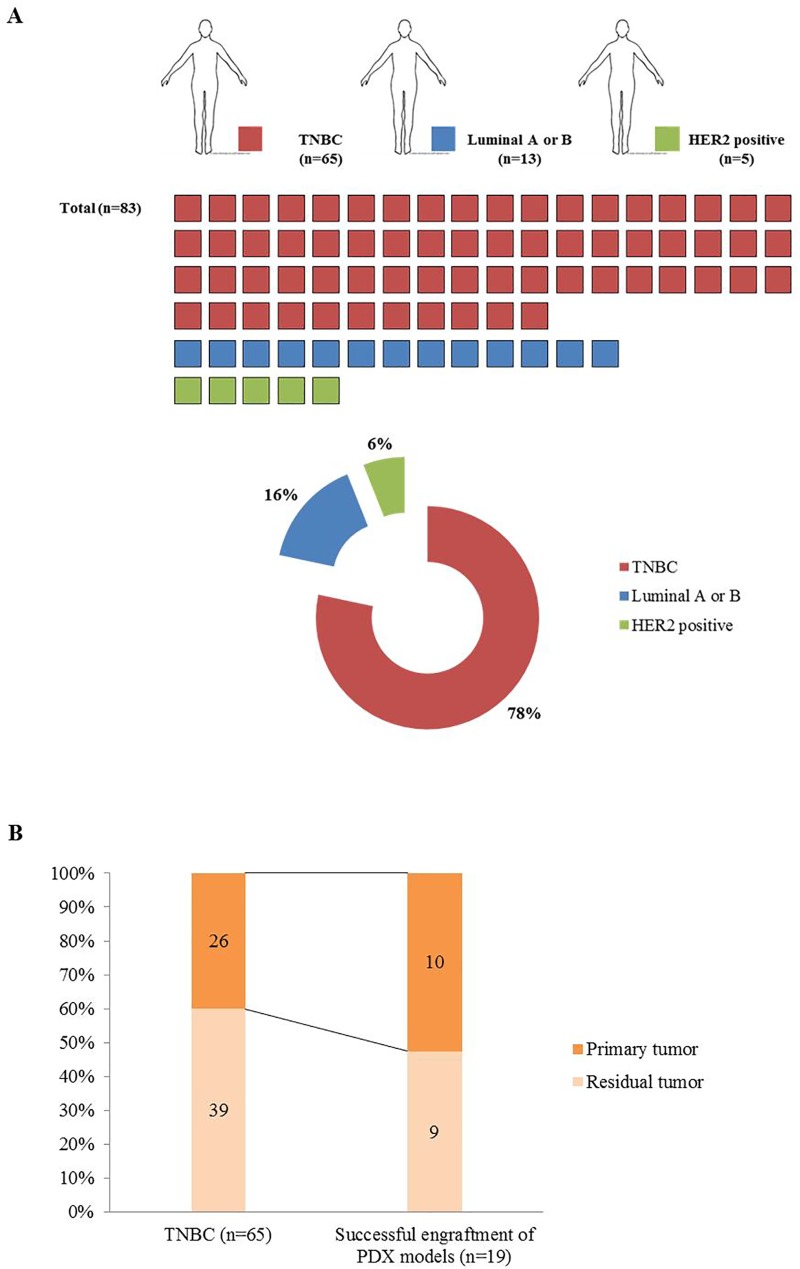
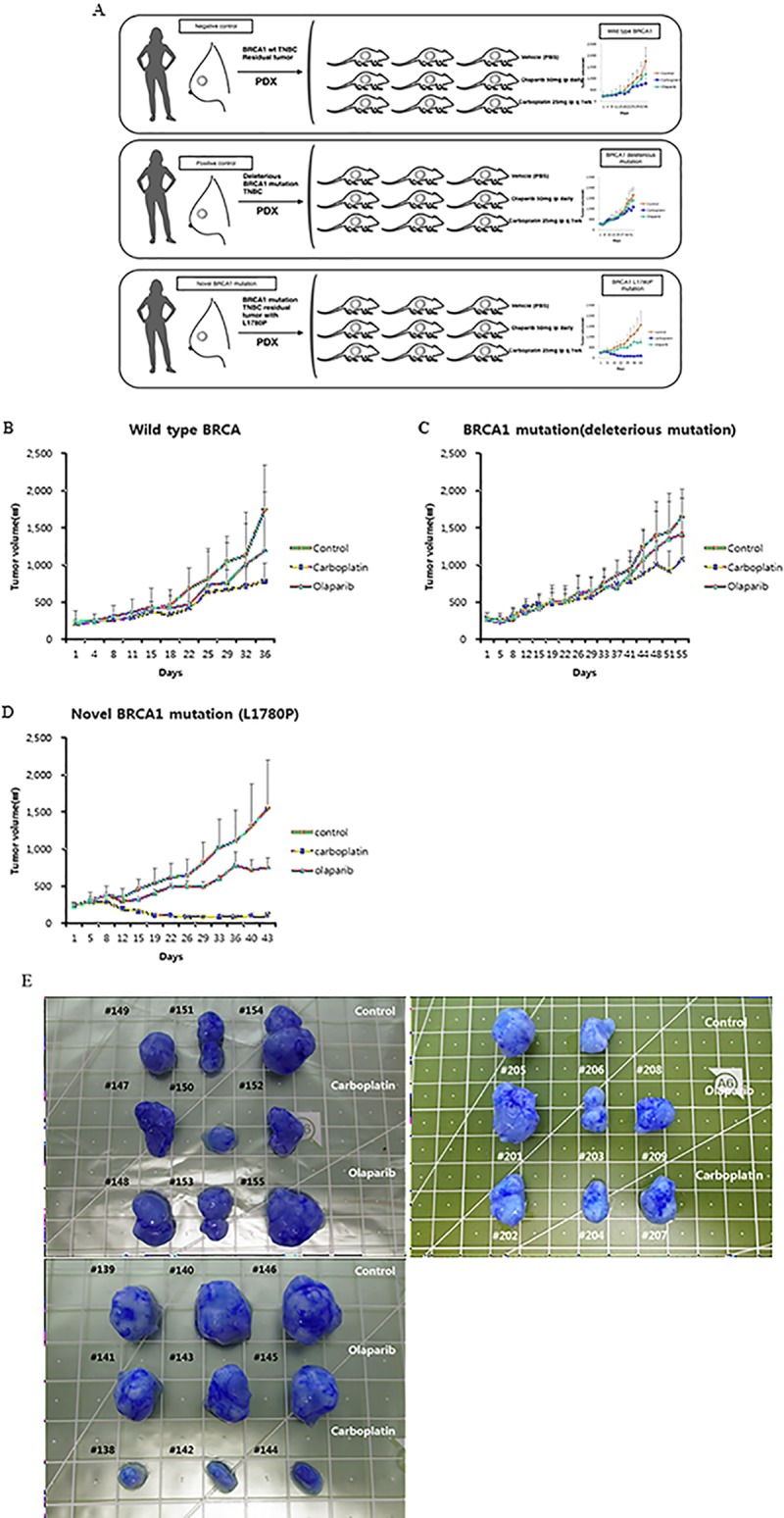
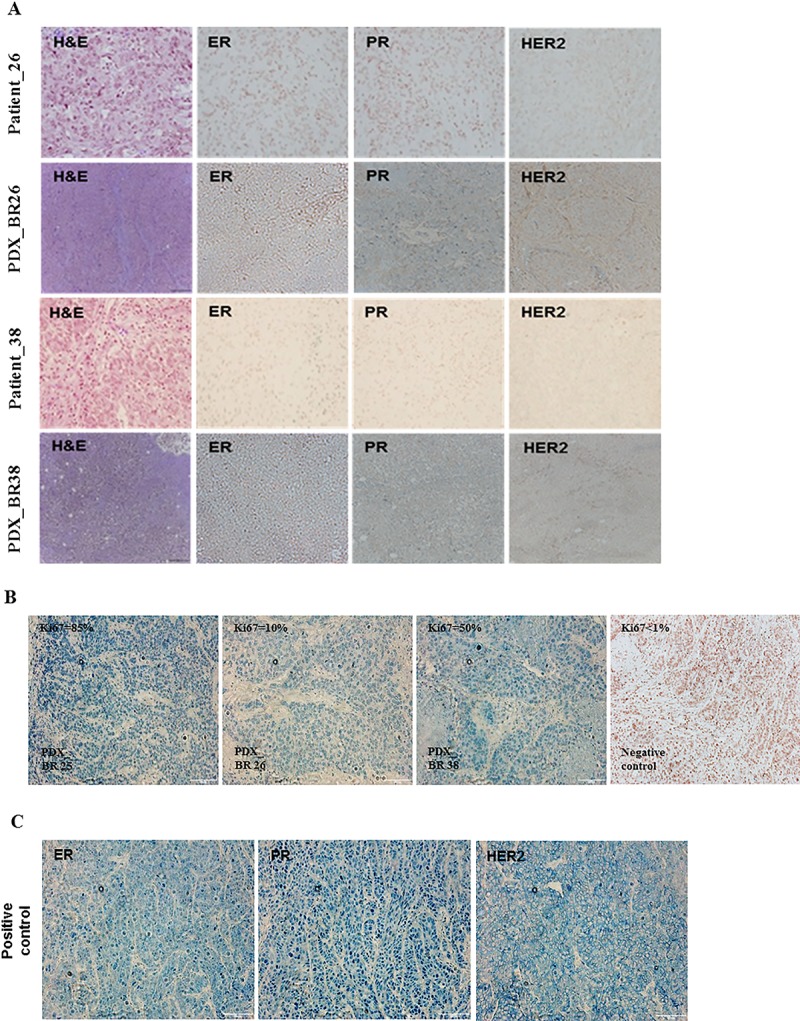
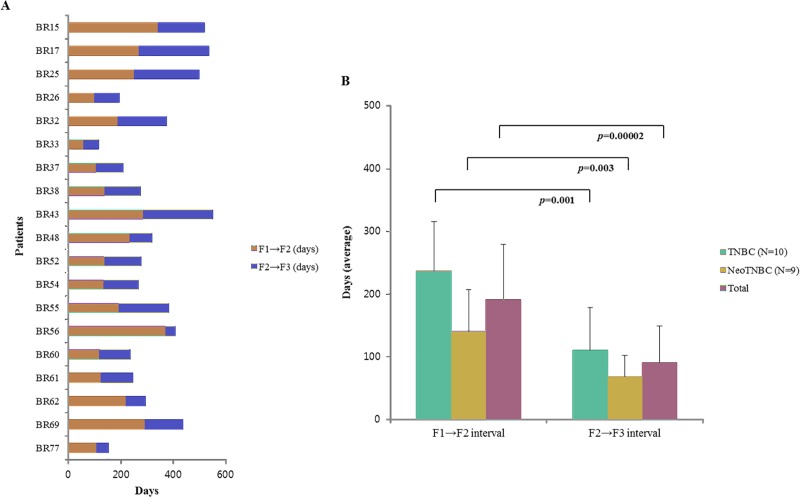
We implanted 83 cases of breast cancer into NOD.Cg-Prkdcscid Il2rgtm1Sug/Jic mice, to develop PDX models. Clinicopathological factors of primary tumors were reviewed to identify the factors affecting engraftment success rates. After the establishment of PDX models, we performed olaparib and carboplatin chemosensitivity tests. We used PDX models from triple-negative breast cancer (TNBC) with neoadjuvant chemotherapy and/or germline BRCA1 mutations in chemosensitivity tests.
The univariate analyses (p<0.05) showed factors which were significantly associated with successful engraftment of PDX models include poor histologic grade, presence of BRCA mutation, aggressive diseases, and death. Factors which were independently associated with successful engraftment of PDX models on multivariate analyses include poor histologic grade and aggressive diseases status. In chemosensitivity tests, a PDX model with the BRCA1 L1780P mutation showed partial response to olaparib and complete response to carboplatin.
Successful engraftment of PDX models was significantly associated with aggressive diseases. Patients who have aggressive diseases status, large tumors, and poor histologic grade are ideal candidates for developing successful PDX models. Chemosensitivity tests using the PDX models provide additional information about alternative treatment strategies for residual TNBC after neoadjuvant chemotherapy.
患者来源的异种移植(PDX)模型是一种体内动物模型,提供与原发肿瘤相似的生物学和基因组特征。因此,对影响 PDX 建立的因素进行特征分析至关重要。此外,PDX 模型可提供化疗敏感性测试平台,用于在临床试验中应用前评估靶标药物的有效性。
我们将 83 例乳腺癌病例植入 NOD.Cg-Prkdcscid Il2rgtm1Sug/Jic 小鼠中,以建立 PDX 模型。回顾原发肿瘤的临床病理因素,以确定影响种植成功率的因素。建立 PDX 模型后,我们进行奥拉帕利和卡铂化疗敏感性测试。我们在化疗敏感性测试中使用了新辅助化疗和/或种系 BRCA1 突变的三阴性乳腺癌(TNBC)的 PDX 模型。
单因素分析(p<0.05)显示与 PDX 模型成功种植显著相关的因素包括组织学分级差、BRCA 突变、侵袭性疾病和死亡。多因素分析显示与 PDX 模型成功种植独立相关的因素包括组织学分级差和侵袭性疾病状态。在化疗敏感性测试中,具有 BRCA1 L1780P 突变的 PDX 模型对奥拉帕利表现出部分反应,对卡铂完全反应。
PDX 模型的成功种植与侵袭性疾病显著相关。具有侵袭性疾病状态、大肿瘤和组织学分级差的患者是成功建立 PDX 模型的理想人选。使用 PDX 模型进行化疗敏感性测试可提供新辅助化疗后残留 TNBC 的替代治疗策略的额外信息。