Department of Cell and Molecular Biology, Box 596, BMC, Uppsala University, SE 751 24, Uppsala, Sweden.
Sci Rep. 2019 Dec 17;9(1):19259. doi: 10.1038/s41598-019-55464-5.
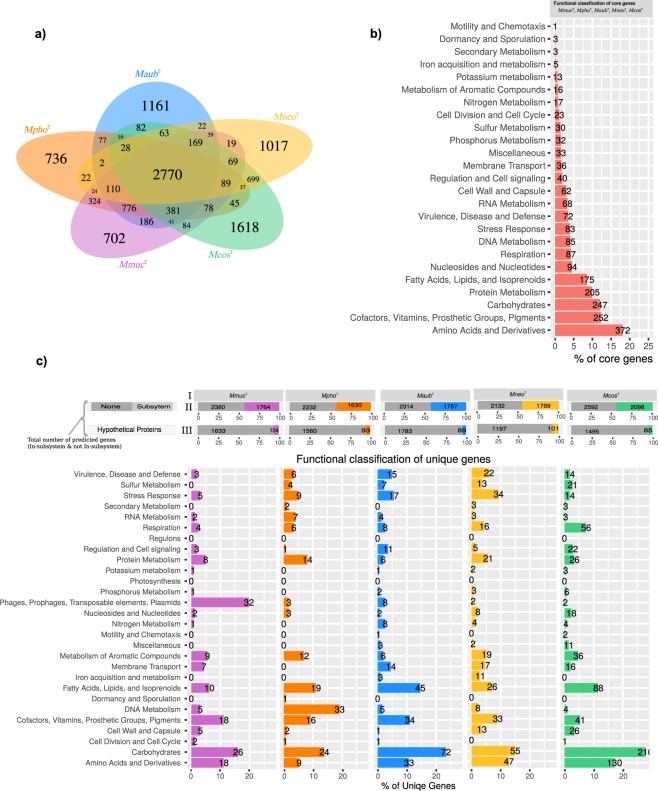
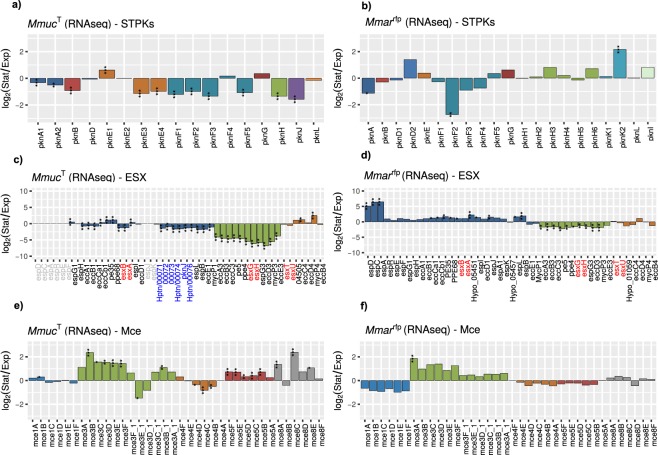
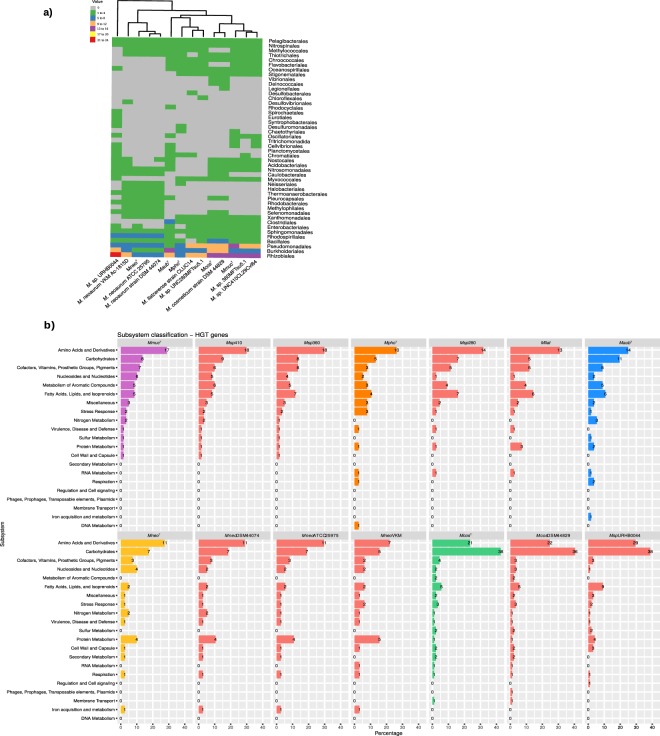
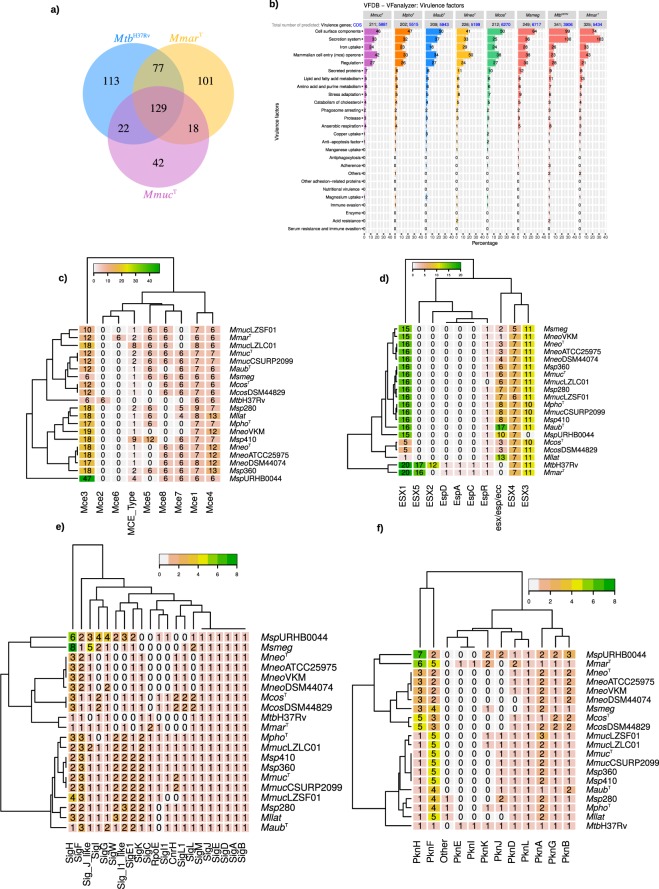
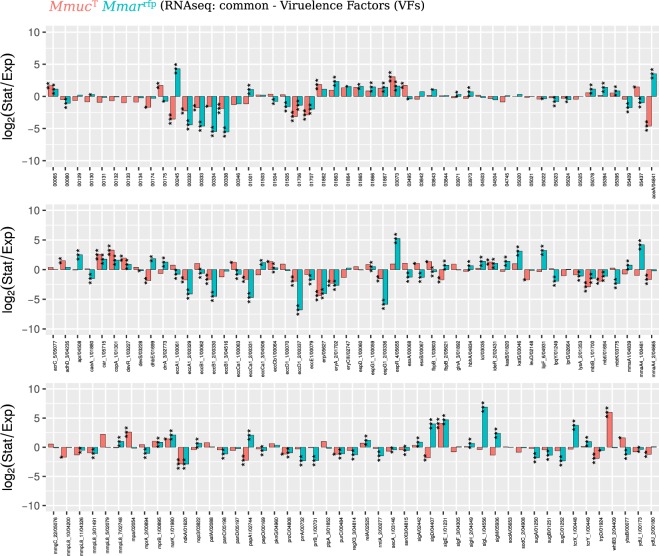
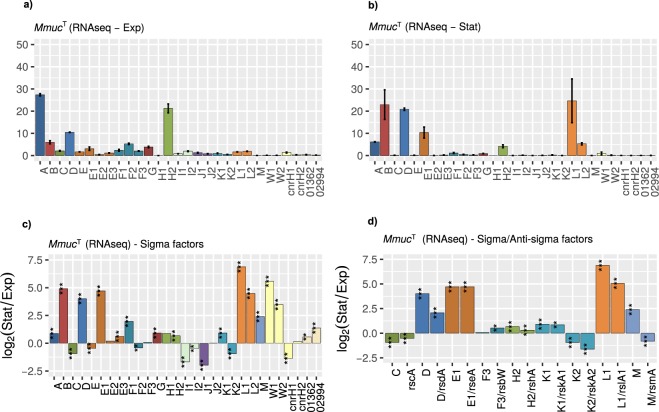
Nontuberculous mycobacteria, NTM, are of growing concern and among these members of the Mycobacterium mucogenicum (Mmuc) and Mycobacterium neoaurum (Mneo) clades can cause infections in humans and they are resistant to first-line anti-tuberculosis drugs. They can be isolated from different ecological niches such as soil, tap water and ground water. Mycobacteria, such as Mmuc and Mneo, are classified as rapid growing mycobacteria, RGM, while the most familiar, Mycobacterium tuberculosis, belongs to the slow growing mycobacteria, SGM. Modern "omics" approaches have provided new insights into our understanding of the biology and evolution of this group of bacteria. Here we present comparative genomics data for seventeen NTM of which sixteen belong to the Mmuc- and Mneo-clades. Focusing on virulence genes, including genes encoding sigma/anti-sigma factors, serine threonine protein kinases (STPK), type VII (ESX genes) secretion systems and mammalian cell entry (Mce) factors we provide insight into their presence as well as phylogenetic relationship in the case of the sigma/anti-sigma factors and STPKs. Our data further suggest that these NTM lack ESX-5 and Mce2 genes, which are known to affect virulence. In this context, Mmuc- and Mneo-clade members lack several of the genes in the glycopeptidolipid (GLP) locus, which have roles in colony morphotype appearance and virulence. For the M. mucogenicum type strain, Mmuc, we provide RNASeq data focusing on mRNA levels for sigma factors, STPK, ESX proteins and Mce proteins. These data are discussed and compared to in particular the SGM and fish pathogen Mycobacterium marinum. Finally, we provide insight into as to why members of the Mmuc- and Mneo-clades show resistance to rifampin and isoniazid, and why Mmuc forms a rough colony morphotype.
非结核分枝杆菌(Nontuberculous mycobacteria,NTM)日益受到关注,其中分枝杆菌粘质亚种(Mycobacterium mucogenicum,Mmuc)和新金色分枝杆菌(Mycobacterium neoaurum,Mneo)能够引起人类感染,并且对一线抗结核药物具有耐药性。它们可以从不同的生态位中分离出来,如土壤、自来水和地下水。分枝杆菌,如 Mmuc 和 Mneo,被归类为快速生长分枝杆菌(rapid growing mycobacteria,RGM),而最常见的结核分枝杆菌(Mycobacterium tuberculosis)则属于缓慢生长分枝杆菌(slow growing mycobacteria,SGM)。现代“组学”方法为我们理解该细菌群的生物学和进化提供了新的见解。在这里,我们展示了 17 种非结核分枝杆菌的比较基因组学数据,其中 16 种属于 Mmuc 和 Mneo 分支。我们重点关注毒力基因,包括编码 sigma/anti-sigma 因子、丝氨酸-苏氨酸蛋白激酶(STPK)、VII 型(ESX 基因)分泌系统和哺乳动物细胞进入(Mce)因子的基因,深入了解它们在 sigma/anti-sigma 因子和 STPK 中的存在和系统发育关系。我们的数据进一步表明,这些 NTM 缺乏 ESX-5 和 Mce2 基因,这些基因已知会影响毒力。在这种情况下,Mmuc 和 Mneo 分支成员缺乏糖肽脂(GLP)基因座中的多个基因,这些基因在菌落形态和毒力方面发挥作用。对于 M. mucogenicum 模式株 Mmuc,我们提供了聚焦于 sigma 因子、STPK、ESX 蛋白和 Mce 蛋白的 mRNA 水平的 RNASeq 数据。这些数据进行了讨论,并与特别是 SGM 和鱼类病原体海洋分枝杆菌进行了比较。最后,我们深入了解了 Mmuc 和 Mneo 分支成员对利福平(rifampin)和异烟肼(isoniazid)耐药的原因,以及 Mmuc 形成粗糙菌落形态的原因。