Department of Cell and Molecular Biology, Box 596, Biomedical Centre, SE-751 24, Uppsala, Sweden.
Department of Biology, University of Louisiana, Lafayette, Louisiana, USA.
Sci Rep. 2019 Mar 14;9(1):4603. doi: 10.1038/s41598-019-40922-x.
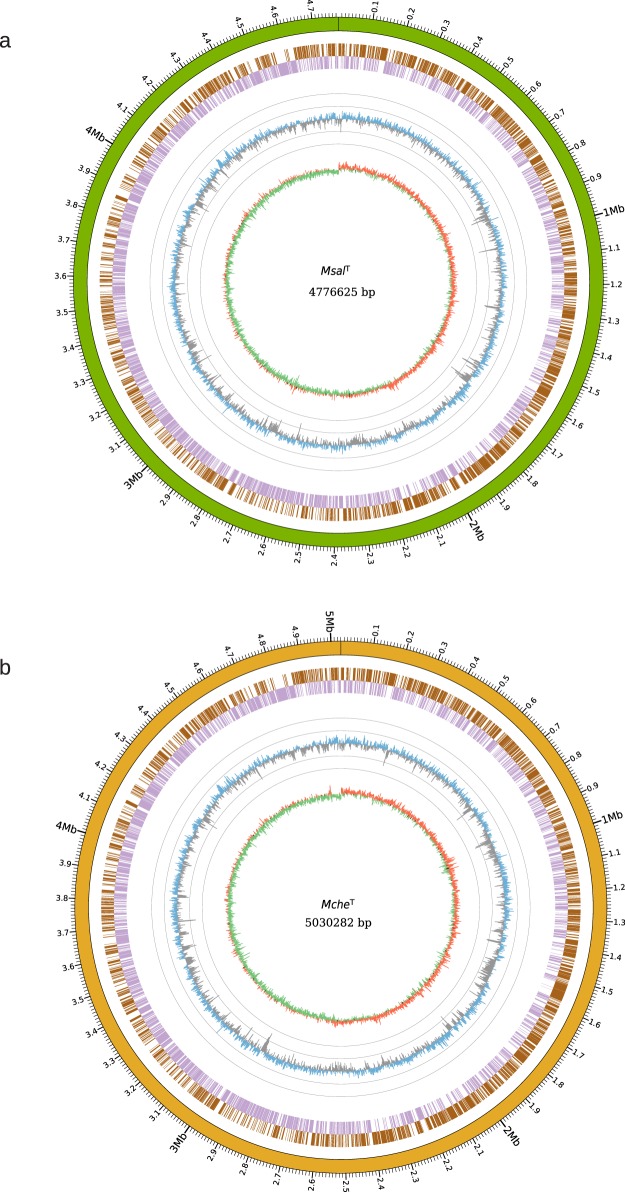
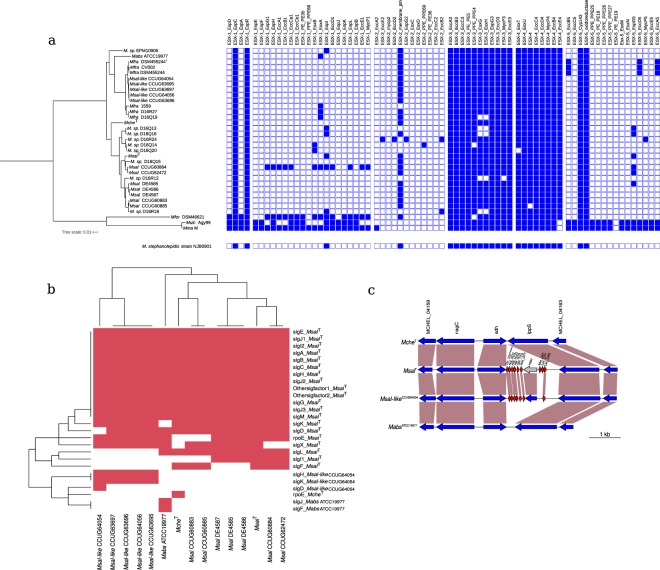
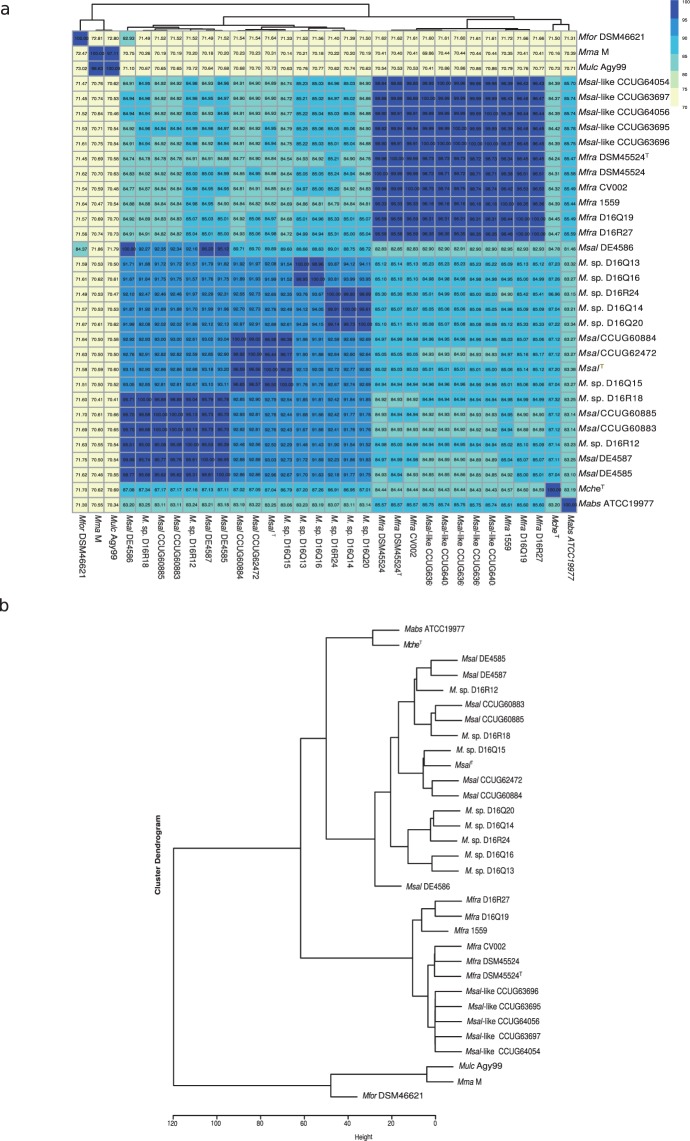
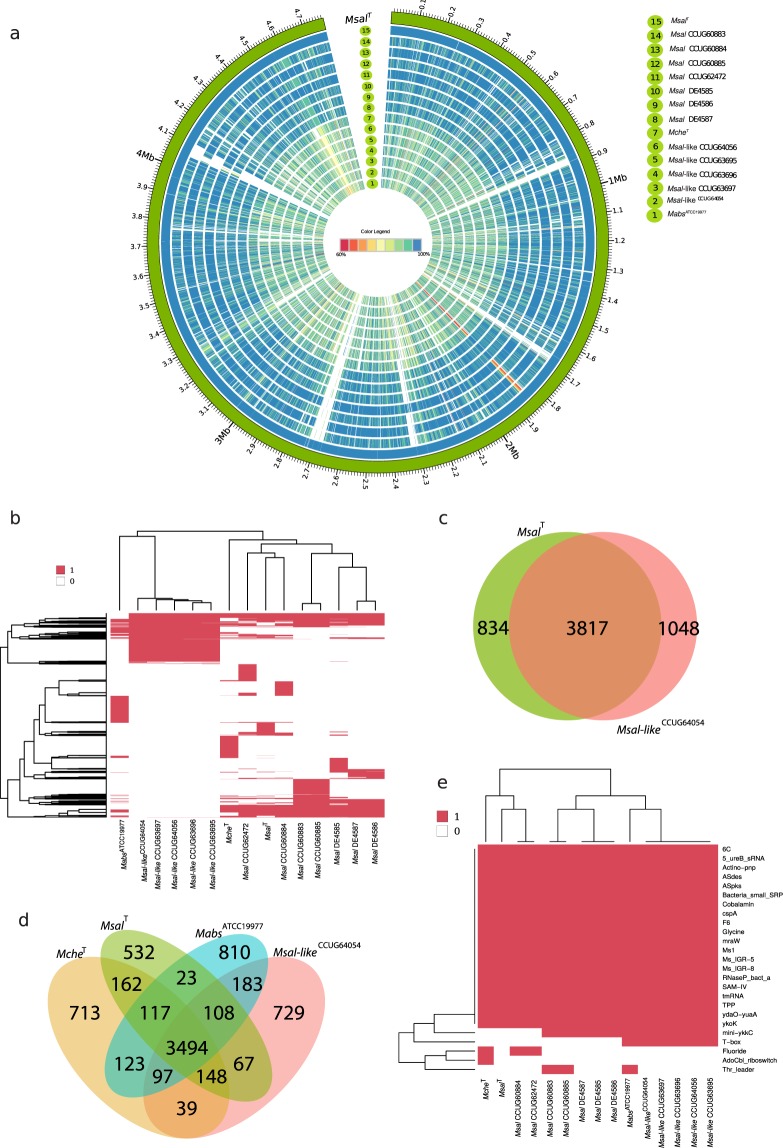
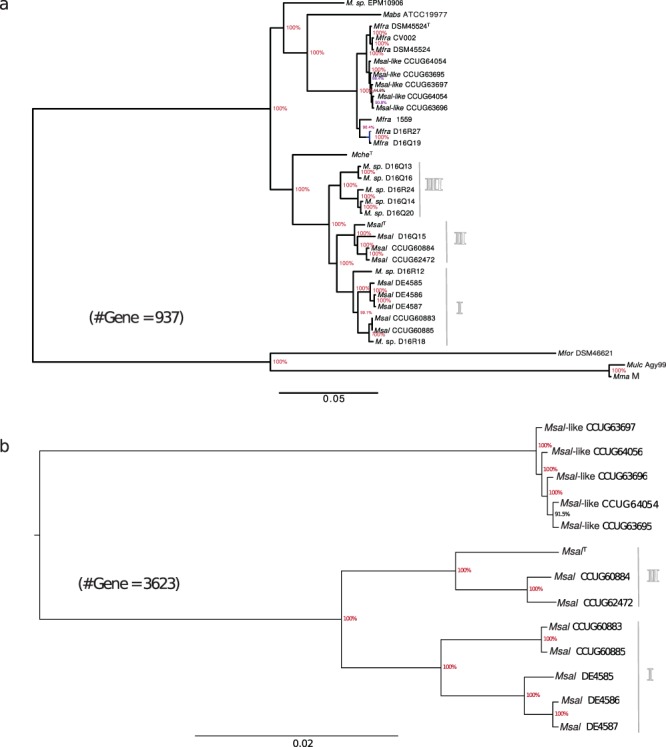
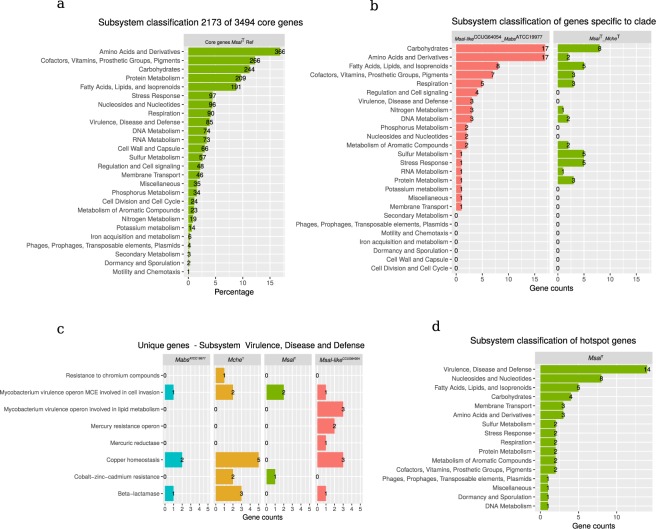
Members of the Mycobacterium chelonae-abscessus complex (MCAC) are close to the mycobacterial ancestor and includes both human, animal and fish pathogens. We present the genomes of 14 members of this complex: the complete genomes of Mycobacterium salmoniphilum and Mycobacterium chelonae type strains, seven M. salmoniphilum isolates, and five M. salmoniphilum-like strains including strains isolated during an outbreak in an animal facility at Uppsala University. Average nucleotide identity (ANI) analysis and core gene phylogeny revealed that the M. salmoniphilum-like strains are variants of the human pathogen Mycobacterium franklinii and phylogenetically close to Mycobacterium abscessus. Our data further suggested that M. salmoniphilum separates into three branches named group I, II and III with the M. salmoniphilum type strain belonging to group II. Among predicted virulence factors, the presence of phospholipase C (plcC), which is a major virulence factor that makes M. abscessus highly cytotoxic to mouse macrophages, and that M. franklinii originally was isolated from infected humans make it plausible that the outbreak in the animal facility was caused by a M. salmoniphilum-like strain. Interestingly, M. salmoniphilum-like was isolated from tap water suggesting that it can be present in the environment. Moreover, we predicted the presence of mutational hotspots in the M. salmoniphilum isolates and 26% of these hotspots overlap with genes categorized as having roles in virulence, disease and defense. We also provide data about key genes involved in transcription and translation such as sigma factor, ribosomal protein and tRNA genes.
分支杆菌 Chelonae-abscessus 复合体(MCAC)的成员与分枝杆菌的祖先关系密切,包括人类、动物和鱼类病原体。我们展示了该复合体的 14 个成员的基因组:完整的鲑鱼分枝杆菌和 Chelonae 分枝杆菌标准菌株基因组,7 个鲑鱼分枝杆菌分离株,以及包括在乌普萨拉大学动物设施暴发期间分离的 5 个鲑鱼分枝杆菌样株。平均核苷酸同一性(ANI)分析和核心基因系统发育表明,鲑鱼分枝杆菌样株是人类病原体弗兰克氏分枝杆菌的变体,与脓肿分枝杆菌在系统发育上密切相关。我们的数据进一步表明,鲑鱼分枝杆菌分为三个分支,分别命名为 I 组、II 组和 III 组,鲑鱼分枝杆菌标准株属于 II 组。在预测的毒力因子中,存在磷脂酶 C(plcC),这是一种主要的毒力因子,使脓肿分枝杆菌对小鼠巨噬细胞具有高度细胞毒性,而弗兰克氏分枝杆菌最初是从感染人类的患者中分离出来的,这表明动物设施的暴发是由鲑鱼分枝杆菌样株引起的。有趣的是,从自来水样中分离出了鲑鱼分枝杆菌样株,表明它可能存在于环境中。此外,我们预测了鲑鱼分枝杆菌分离株中存在突变热点,其中 26%的热点与被归类为具有毒力、疾病和防御作用的基因重叠。我们还提供了有关转录和翻译中涉及的关键基因的数据,如 sigma 因子、核糖体蛋白和 tRNA 基因。