Barbadoro Pamela, Dichiara Arianna, Arsego Daniele, Ponzio Elisa, Savini Sandra, Manso Esther, D'Errico Marcello M
Dipartimento Scienze Biomediche e Sanità Pubblica, Facoltà di Medicina e Chirurgia, Università Politecnica delle Marche, 60122 Ancona, Italy.
SOD Igiene Ospedaliera, AOU, Ospedali Riuniti, 60126 Ancona, Italy.
Microorganisms. 2019 Dec 23;8(1):37. doi: 10.3390/microorganisms8010037.
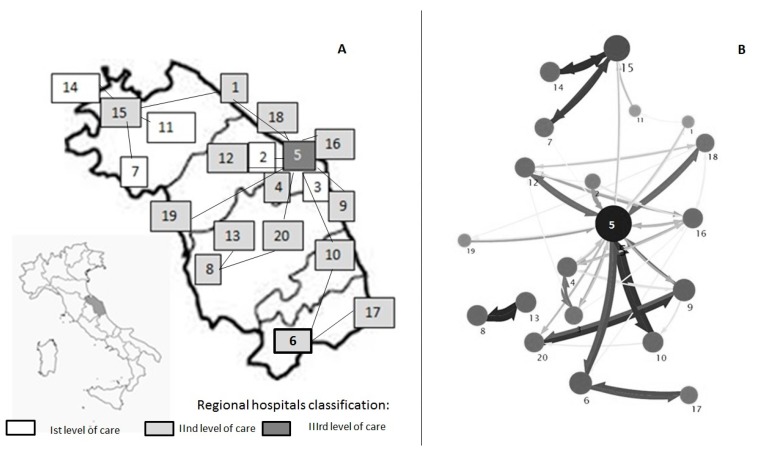
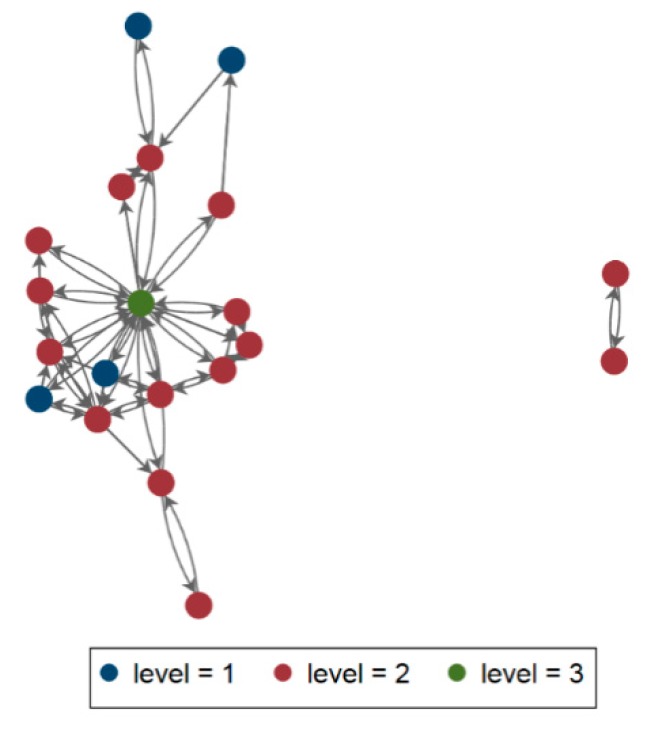
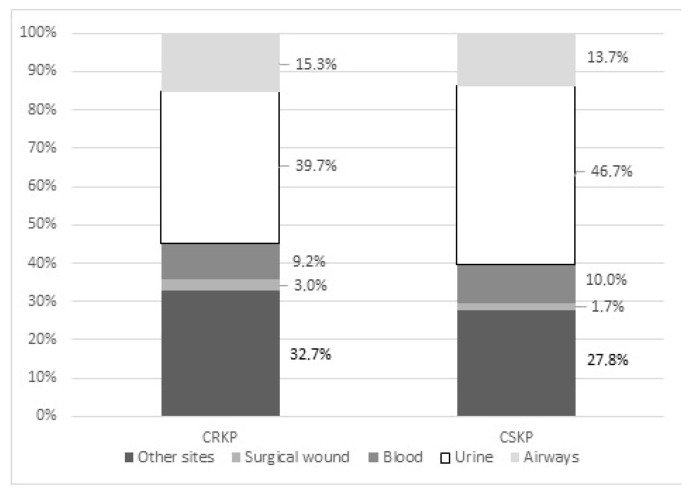
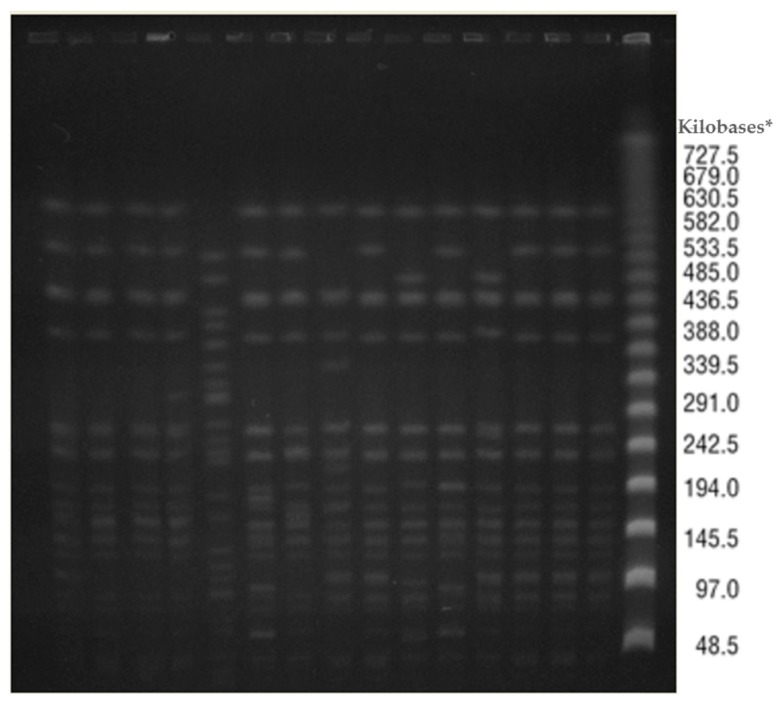
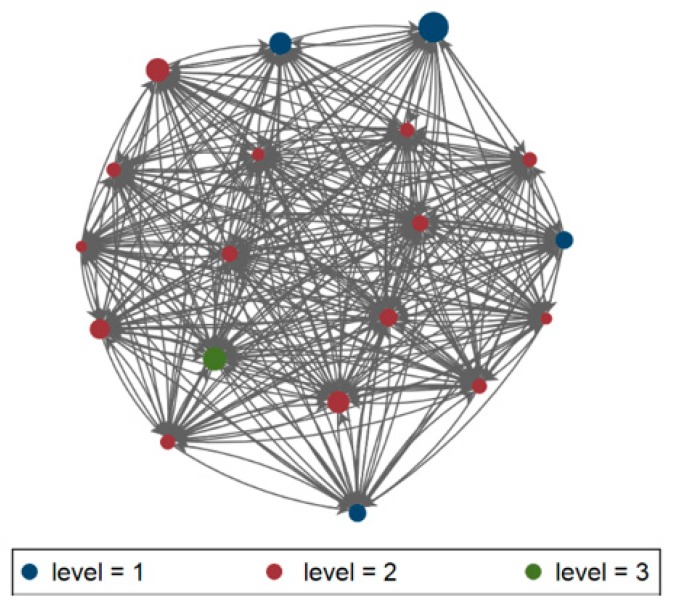
The study describes the spread of carbapenem-resistant (CRKP) in a regional healthcare network in Italy. The project included several stages: (1) Establishment of a laboratory-based regional surveillance network, including all the acute care hospitals of the Marches Region ( = 20). (2) Adoption of a shared protocol for the surveillance of Multi-Drug Resistant Organisms (MDROs). Only the first CRKP isolate for each patient has been included in the surveillance in each hospital. The anonymous tracking of patients, and their subsequent microbial records within the hospital network, allowed detection of networks of inter-hospital exchange of CRKP and its comparison with transfer of patients within the hospital network. Pulsed-Field Gel Electrophoresis (PFGE) analysis has been used to study selected isolates belonging to different hospitals. 371,037 admitted patients have been included in the surveillance system. CRKP has shown an overall incidence rate of 41.0 per 100,000 days of stay (95% confidence interval, CI 38.5-43.5/100,000 DOS), a CRKP incidence rate of isolation in blood of 2.46/100,000 days of stay (95% CI 1.89-3.17/100,000 days of stay (DOS) has been registered; significant variability has been registered in facilities providing different levels of care. The network of CRKP patients' exchange was correlated to that of the healthcare organization, with some inequalities and the identification of bridges in CRKP transfers. More than 73% of isolates were closely related. Patients' exchange was an important route of spread of antimicrobial resistance, highlighting the pivotal role played by the hub, and selected institution to be used in prioritizing infection control efforts.
该研究描述了耐碳青霉烯类肺炎克雷伯菌(CRKP)在意大利一个区域医疗网络中的传播情况。该项目包括几个阶段:(1)建立一个基于实验室的区域监测网络,涵盖马尔凯大区所有的急症医院(共20家)。(2)采用多药耐药菌(MDROs)监测的共享方案。每家医院仅将每位患者的首个CRKP分离株纳入监测。对患者进行匿名追踪及其在医院网络内的后续微生物记录,得以检测CRKP的医院间传播网络,并将其与医院网络内患者的转诊情况进行比较。脉冲场凝胶电泳(PFGE)分析已用于研究来自不同医院的选定分离株。371,037名入院患者被纳入监测系统。CRKP的总体发病率为每100,000住院日41.0例(95%置信区间,CI 38.5 - 43.5/100,000住院日),血液中CRKP的分离发病率为每100,000住院日2.46例(95% CI 1.89 - 3.17/100,000住院日);在提供不同护理水平的机构中观察到显著差异。CRKP患者交流网络与医疗组织网络相关,在CRKP传播方面存在一些不平等现象,并识别出了传播桥梁。超过73%的分离株密切相关。患者交流是抗菌药物耐药性传播的重要途径,突出了枢纽机构以及选定用于优先开展感染控制工作的机构所发挥的关键作用。