• 文献检索
  • 文档翻译
  • 深度研究
  • 学术资讯
  • Suppr Zotero 插件Zotero 插件
  • 邀请有礼
  • 套餐&价格
  • 历史记录
应用&插件
Suppr Zotero 插件Zotero 插件浏览器插件Mac 客户端Windows 客户端微信小程序
定价
高级版会员购买积分包购买API积分包
服务
文献检索文档翻译深度研究API 文档MCP 服务
关于我们
关于 Suppr公司介绍联系我们用户协议隐私条款
关注我们

Suppr 超能文献

核心技术专利:CN118964589B侵权必究
粤ICP备2023148730 号-1Suppr @ 2026

文献检索

告别复杂PubMed语法,用中文像聊天一样搜索,搜遍4000万医学文献。AI智能推荐,让科研检索更轻松。

立即免费搜索

文件翻译

保留排版,准确专业,支持PDF/Word/PPT等文件格式,支持 12+语言互译。

免费翻译文档

深度研究

AI帮你快速写综述,25分钟生成高质量综述,智能提取关键信息,辅助科研写作。

立即免费体验

CGP1 定位的腺体控制棉花腺体的色素沉着和棉酚的积累。

The gland localized CGP1 controls gland pigmentation and gossypol accumulation in cotton.

机构信息

State Key Laboratory of Cotton Biology, School of Life Science, Henan University, Kaifeng, China.

State Key Laboratory of Crop Stress Adaptation and Improvement, Henan University, Kaifeng, China.

出版信息

Plant Biotechnol J. 2020 Jul;18(7):1573-1584. doi: 10.1111/pbi.13323. Epub 2020 Jan 21.

DOI:10.1111/pbi.13323
PMID:31883409
原文链接:https://pmc.ncbi.nlm.nih.gov/articles/PMC7292540/
Abstract

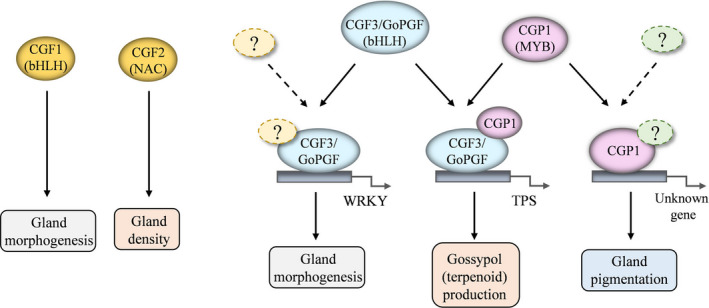
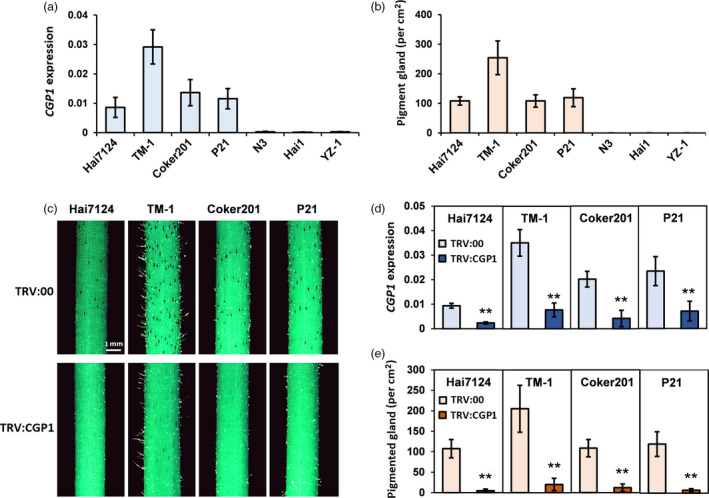
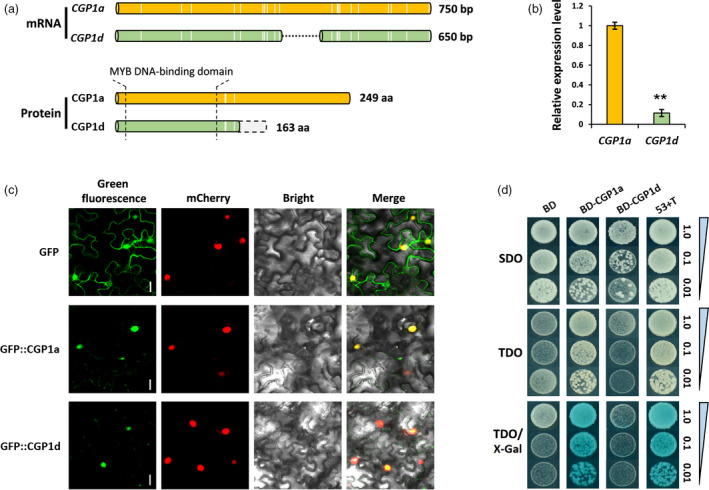
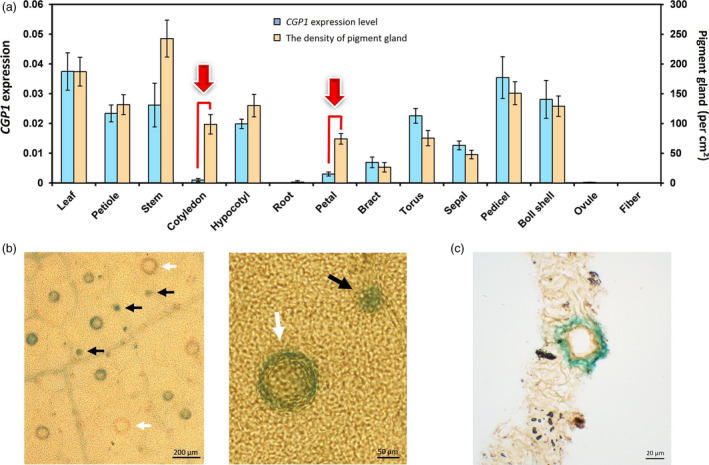
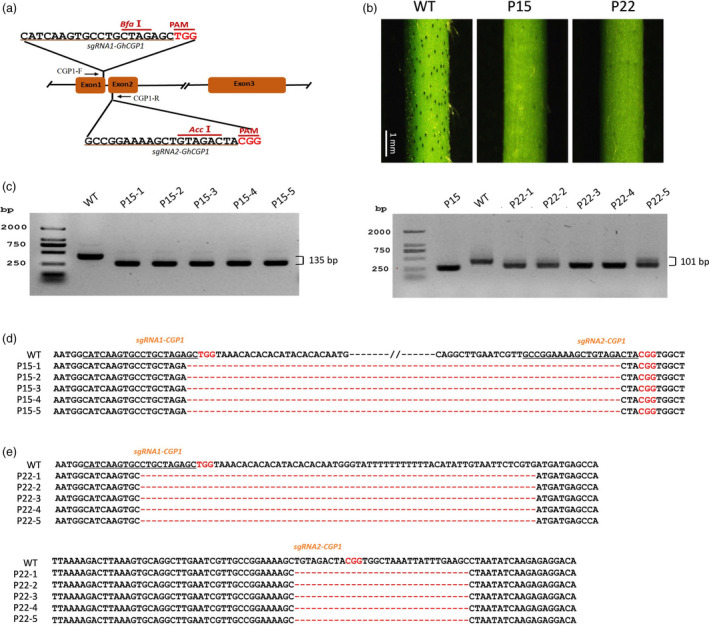
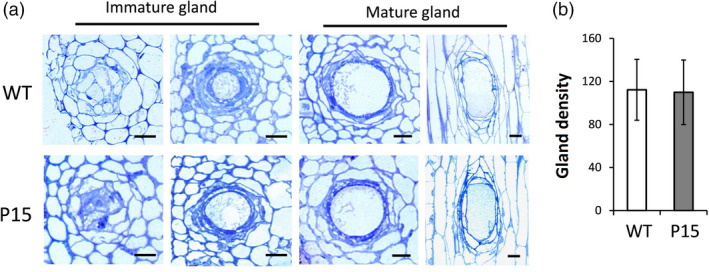
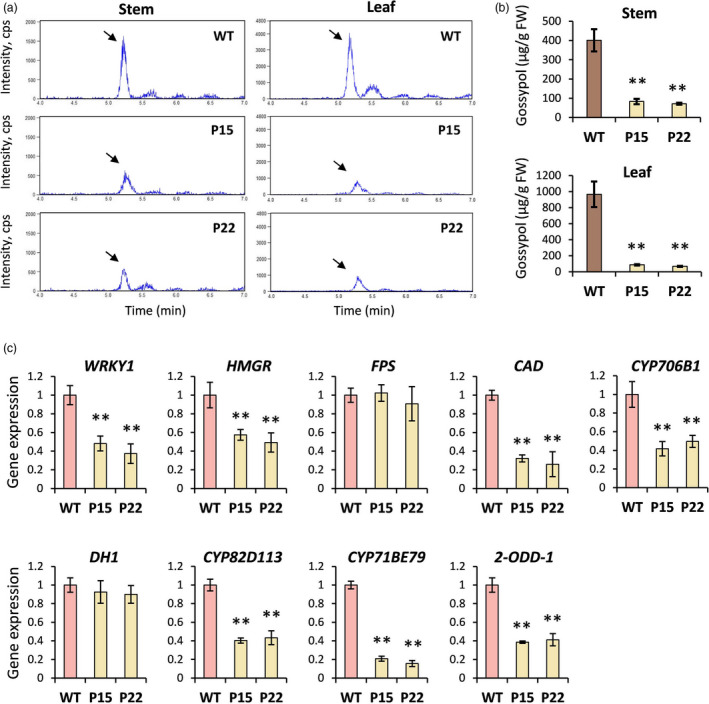
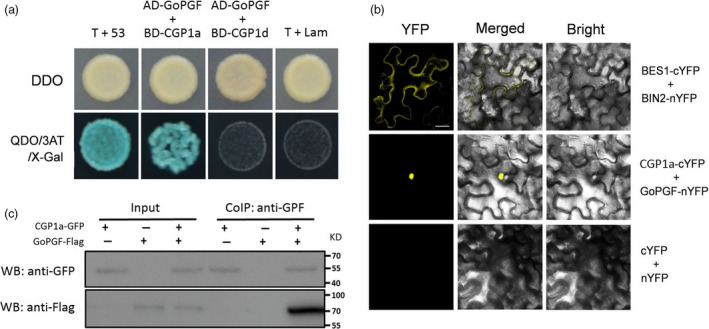
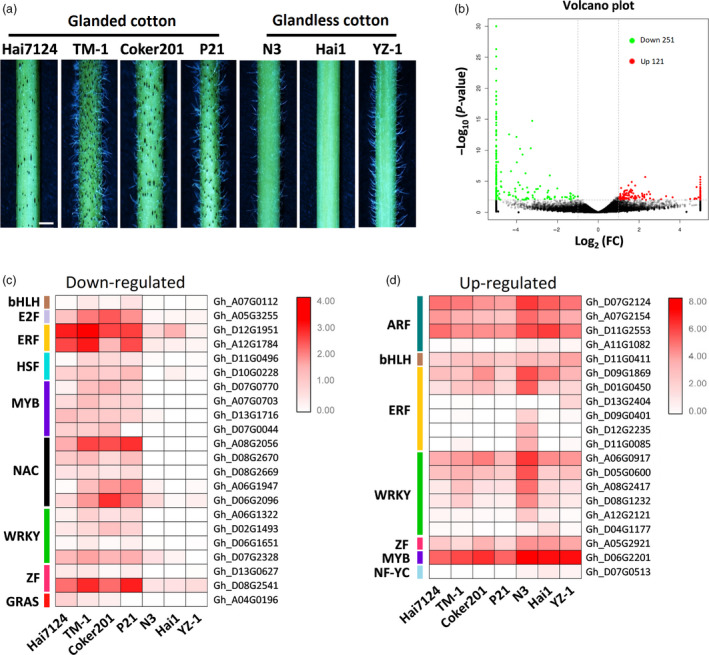
Pigment glands, also known as black glands or gossypol glands, are specific for Gossypium spp. These glands strictly confine large amounts of secondary metabolites to the lysigenous cavity, leading to the glands' intense colour and providing defence against pests and pathogens. This study performed a comparative transcriptome analysis of glanded versus glandless cotton cultivars. Twenty-two transcription factors showed expression patterns associated with pigment glands and were characterized. Phenotypic screening of the genes, via virus-induced gene silencing, showed an apparent disappearance of pigmented glands after the silencing of a pair of homologous MYB-encoding genes in the A and D genomes (designated as CGP1). Further study showed that CGP1a encodes an active transcription factor, which is specifically expressed in the gland structure, while CGP1d encodes a non-functional protein due to a fragment deletion, which causes premature termination. RNAi-mediated silencing and CRISPR knockout of CGP1 in glanded cotton cultivars generated a glandless-like phenotype, similar to the dominant glandless mutant Gl . Microscopic analysis showed that CGP1 knockout did not affect gland structure or density, but affected gland pigmentation. The levels of gossypol and related terpenoids were significantly decreased in cgp1 mutants, and a number of gossypol biosynthetic genes were strongly down-regulated. CGP1 is located in the nucleus where it interacts with GoPGF, a critical transcription factor for gland development and gossypol synthesis. Our data suggest that CGP1 and GoPGF form heterodimers to control the synthesis of gossypol and other secondary metabolites in cotton.

摘要

色素腺体,也称为黑腺体或棉酚腺体,是棉属植物特有的。这些腺体严格将大量次生代谢物限制在溶生性腔中,导致腺体颜色鲜艳,并为抵御害虫和病原体提供了保护。本研究对有腺体和无腺体棉花品种进行了比较转录组分析。22 个转录因子表现出与色素腺体相关的表达模式,并进行了特征描述。通过病毒诱导的基因沉默对这些基因进行表型筛选,发现 A 和 D 基因组中一对同源 MYB 编码基因(命名为 CGP1)沉默后,色素腺体明显消失。进一步研究表明,CGP1a 编码一个活性转录因子,特异性表达在腺体结构中,而 CGP1d 由于片段缺失而编码一个无功能蛋白,导致翻译提前终止。在有腺体棉花品种中,通过 RNAi 介导的 CGP1 沉默和 CRISPR 敲除,产生了无腺体样表型,类似于显性无腺体突变体 Gl。显微镜分析表明,CGP1 敲除不影响腺体结构或密度,但影响腺体色素沉着。cgp1 突变体中棉酚和相关萜类化合物的水平显著降低,许多棉酚生物合成基因强烈下调。CGP1 位于细胞核内,与 GoPGF 相互作用,GoPGF 是腺体发育和棉酚合成的关键转录因子。我们的数据表明,CGP1 和 GoPGF 形成异源二聚体,以控制棉花中棉酚和其他次生代谢物的合成。
https://cdn.ncbi.nlm.nih.gov/pmc/blobs/6543/7292540/d62fda3bf67a/PBI-18-1573-g009.jpg
https://cdn.ncbi.nlm.nih.gov/pmc/blobs/6543/7292540/87ab4391bf57/PBI-18-1573-g001.jpg
https://cdn.ncbi.nlm.nih.gov/pmc/blobs/6543/7292540/b2f12f5ee15e/PBI-18-1573-g002.jpg
https://cdn.ncbi.nlm.nih.gov/pmc/blobs/6543/7292540/daaf551dd865/PBI-18-1573-g003.jpg
https://cdn.ncbi.nlm.nih.gov/pmc/blobs/6543/7292540/47cf23ba5e34/PBI-18-1573-g004.jpg
https://cdn.ncbi.nlm.nih.gov/pmc/blobs/6543/7292540/317f16e3ba1c/PBI-18-1573-g005.jpg
https://cdn.ncbi.nlm.nih.gov/pmc/blobs/6543/7292540/58ce2a40011b/PBI-18-1573-g006.jpg
https://cdn.ncbi.nlm.nih.gov/pmc/blobs/6543/7292540/8c7a57cba92a/PBI-18-1573-g007.jpg
https://cdn.ncbi.nlm.nih.gov/pmc/blobs/6543/7292540/581b9fd0b61e/PBI-18-1573-g008.jpg
https://cdn.ncbi.nlm.nih.gov/pmc/blobs/6543/7292540/d62fda3bf67a/PBI-18-1573-g009.jpg
https://cdn.ncbi.nlm.nih.gov/pmc/blobs/6543/7292540/87ab4391bf57/PBI-18-1573-g001.jpg
https://cdn.ncbi.nlm.nih.gov/pmc/blobs/6543/7292540/b2f12f5ee15e/PBI-18-1573-g002.jpg
https://cdn.ncbi.nlm.nih.gov/pmc/blobs/6543/7292540/daaf551dd865/PBI-18-1573-g003.jpg
https://cdn.ncbi.nlm.nih.gov/pmc/blobs/6543/7292540/47cf23ba5e34/PBI-18-1573-g004.jpg
https://cdn.ncbi.nlm.nih.gov/pmc/blobs/6543/7292540/317f16e3ba1c/PBI-18-1573-g005.jpg
https://cdn.ncbi.nlm.nih.gov/pmc/blobs/6543/7292540/58ce2a40011b/PBI-18-1573-g006.jpg
https://cdn.ncbi.nlm.nih.gov/pmc/blobs/6543/7292540/8c7a57cba92a/PBI-18-1573-g007.jpg
https://cdn.ncbi.nlm.nih.gov/pmc/blobs/6543/7292540/581b9fd0b61e/PBI-18-1573-g008.jpg
https://cdn.ncbi.nlm.nih.gov/pmc/blobs/6543/7292540/d62fda3bf67a/PBI-18-1573-g009.jpg

相似文献

1
The gland localized CGP1 controls gland pigmentation and gossypol accumulation in cotton.CGP1 定位的腺体控制棉花腺体的色素沉着和棉酚的积累。
Plant Biotechnol J. 2020 Jul;18(7):1573-1584. doi: 10.1111/pbi.13323. Epub 2020 Jan 21.
2
Genes regulating gland development in the cotton plant.调控棉花植株中腺体发育的基因。
Plant Biotechnol J. 2019 Jun;17(6):1142-1153. doi: 10.1111/pbi.13044. Epub 2018 Dec 21.
3
Genetic basis for glandular trichome formation in cotton.棉花腺毛形成的遗传基础。
Nat Commun. 2016 Jan 22;7:10456. doi: 10.1038/ncomms10456.
4
Molecular cloning and characterization of GhERF105, a gene contributing to the regulation of gland formation in upland cotton (Gossypium hirsutum L.).GhERF105 的分子克隆与特征分析,一个参与陆地棉(Gossypium hirsutum L.)腺体形成调控的基因。
BMC Plant Biol. 2021 Feb 18;21(1):102. doi: 10.1186/s12870-021-02846-5.
5
The dual role of GoPGF reveals that the pigment glands are synthetic sites of gossypol in aerial parts of cotton.GoPGF 的双重作用揭示了色素腺体是棉花地上部分棉酚的合成部位。
New Phytol. 2024 Jan;241(1):314-328. doi: 10.1111/nph.19331. Epub 2023 Oct 22.
6
Identification of MYB gene family and functional analysis of GhMYB4 in cotton (Gossypium spp.).棉花(棉属)中MYB基因家族的鉴定及GhMYB4的功能分析。
Mol Genet Genomics. 2023 May;298(3):755-766. doi: 10.1007/s00438-023-02005-5. Epub 2023 Apr 7.
7
Comparative Transcriptome Analysis Reveals Genes Associated with the Gossypol Synthesis and Gland Morphogenesis in .比较转录组分析揭示与棉酚合成和腺体形态发生相关的基因。
Genes (Basel). 2022 Aug 15;13(8):1452. doi: 10.3390/genes13081452.
8
Comparative Transcriptome Analysis Revealed Key Genes Regulating Gossypol Synthesis in Tetraploid Cultivated Cotton.比较转录组分析揭示了调控四倍体栽培棉棉酚合成的关键基因。
Genes (Basel). 2023 May 24;14(6):1144. doi: 10.3390/genes14061144.
9
Identification and characteristics of a novel gland-forming gene in cotton.鉴定和分析棉花中新的腺形成基因。
Plant J. 2021 Nov;108(3):781-792. doi: 10.1111/tpj.15477. Epub 2021 Sep 21.
10
Development of the engineered "glanded plant and glandless seed" cotton.转基因“有腺体植株和无腺体种子”棉花的培育
Food Chem (Oxf). 2022 Aug 9;5:100130. doi: 10.1016/j.fochms.2022.100130. eCollection 2022 Dec 30.

引用本文的文献

1
Breeding triple-advantage cottonseed with higher yield, enhanced nutrition, and reduced toxicity by redirecting terpenoid metabolism to astaxanthin.通过将萜类代谢重定向到虾青素,培育具有更高产量、增强营养和降低毒性的三重优势棉籽。
Plant Biotechnol J. 2025 Jul;23(7):2839-2851. doi: 10.1111/pbi.70116. Epub 2025 Apr 29.
2
Identification and functional characterization of the SCL gene related to gland formation in upland cotton (Gossypium hirsutum L.).陆地棉(Gossypium hirsutum L.)中与腺体形成相关的SCL基因的鉴定及功能表征
Planta. 2025 Apr 17;261(5):114. doi: 10.1007/s00425-025-04691-4.
3
Dephenolization Methods, Quality Characteristics, Applications, and Advancements of Dephenolized Cottonseed Protein: Review.

本文引用的文献

1
Transcriptome analysis reveals differentially expressed ERF transcription factors associated with salt response in cotton.转录组分析揭示了与棉花盐响应相关的差异表达 ERF 转录因子。
Plant Sci. 2019 Apr;281:72-81. doi: 10.1016/j.plantsci.2019.01.012. Epub 2019 Jan 18.
2
Genes regulating gland development in the cotton plant.调控棉花植株中腺体发育的基因。
Plant Biotechnol J. 2019 Jun;17(6):1142-1153. doi: 10.1111/pbi.13044. Epub 2018 Dec 21.
3
Characterization of gossypol biosynthetic pathway.棉酚生物合成途径的表征。
脱酚棉籽蛋白的脱酚方法、品质特性、应用及研究进展:综述
Foods. 2025 Feb 13;14(4):628. doi: 10.3390/foods14040628.
4
The 4Fs of cotton: genome editing of cotton for fiber, food, feed, and fuel to achieve zero hunger.棉花的4F:对棉花进行基因组编辑以用于纤维、食物、饲料和燃料,实现零饥饿。
Front Genome Ed. 2024 Sep 12;6:1401088. doi: 10.3389/fgeed.2024.1401088. eCollection 2024.
5
AaMYC3 bridges the regulation of glandular trichome density and artemisinin biosynthesis in Artemisia annua.AaMYC3在青蒿中连接了腺毛密度调控与青蒿素生物合成。
Plant Biotechnol J. 2025 Feb;23(2):315-332. doi: 10.1111/pbi.14449. Epub 2024 Aug 27.
6
Exploiting viral vectors to deliver genome editing reagents in plants.利用病毒载体在植物中递送基因组编辑试剂。
aBIOTECH. 2024 May 8;5(2):247-261. doi: 10.1007/s42994-024-00147-7. eCollection 2024 Jun.
7
Regulation of Glandular Size and Phytoalexin Biosynthesis by a Negative Feedback Loop in Cotton.棉花中通过负反馈环调控腺体大小和植保素生物合成。
Adv Sci (Weinh). 2024 Aug;11(30):e2403059. doi: 10.1002/advs.202403059. Epub 2024 Jun 5.
8
Positive roles of the Ca sensors GbCML45 and GbCML50 in improving cotton Verticillium wilt resistance.GbCML45 和 GbCML50 钙传感器在提高棉花黄萎病抗性中的积极作用。
Mol Plant Pathol. 2024 Jun;25(6):e13483. doi: 10.1111/mpp.13483.
9
Comparative Transcriptome Analysis Revealed Key Genes Regulating Gossypol Synthesis in Tetraploid Cultivated Cotton.比较转录组分析揭示了调控四倍体栽培棉棉酚合成的关键基因。
Genes (Basel). 2023 May 24;14(6):1144. doi: 10.3390/genes14061144.
10
Identification of MYB gene family and functional analysis of GhMYB4 in cotton (Gossypium spp.).棉花(棉属)中MYB基因家族的鉴定及GhMYB4的功能分析。
Mol Genet Genomics. 2023 May;298(3):755-766. doi: 10.1007/s00438-023-02005-5. Epub 2023 Apr 7.
Proc Natl Acad Sci U S A. 2018 Jun 5;115(23):E5410-E5418. doi: 10.1073/pnas.1805085115. Epub 2018 May 21.
4
Calcium-dependent protein kinases in cotton: insights into early plant responses to salt stress.棉花中钙依赖型蛋白激酶:揭示植物早期响应盐胁迫的机制
BMC Plant Biol. 2018 Jan 17;18(1):15. doi: 10.1186/s12870-018-1230-8.
5
Transcriptomic repertoires depict the initiation of lint and fuzz fibres in cotton (Gossypium hirsutum L.).转录组谱描绘了棉花(Gossypium hirsutum L.) lint 和 fuzz 纤维的起始。
Plant Biotechnol J. 2018 May;16(5):1002-1012. doi: 10.1111/pbi.12844. Epub 2017 Oct 18.
6
Genome Editing in Cotton with the CRISPR/Cas9 System.利用CRISPR/Cas9系统对棉花进行基因组编辑
Front Plant Sci. 2017 Aug 3;8:1364. doi: 10.3389/fpls.2017.01364. eCollection 2017.
7
High efficient multisites genome editing in allotetraploid cotton (Gossypium hirsutum) using CRISPR/Cas9 system.利用 CRISPR/Cas9 系统在异源四倍体棉花(Gossypium hirsutum)中进行高效的多位点基因组编辑。
Plant Biotechnol J. 2018 Jan;16(1):137-150. doi: 10.1111/pbi.12755. Epub 2017 Jun 20.
8
Histone deacetylase HDA6 enhances brassinosteroid signaling by inhibiting the BIN2 kinase.组蛋白去乙酰化酶HDA6通过抑制BIN2激酶增强油菜素内酯信号传导。
Proc Natl Acad Sci U S A. 2016 Sep 13;113(37):10418-23. doi: 10.1073/pnas.1521363113. Epub 2016 Aug 25.
9
Fine mapping and candidate gene analysis of the dominant glandless gene Gl 2 (e) in cotton (Gossypium spp.).棉花显性无腺体基因 Gl 2(e)的精细定位和候选基因分析。
Theor Appl Genet. 2016 Jul;129(7):1347-1355. doi: 10.1007/s00122-016-2707-1. Epub 2016 Apr 6.
10
Genetic basis for glandular trichome formation in cotton.棉花腺毛形成的遗传基础。
Nat Commun. 2016 Jan 22;7:10456. doi: 10.1038/ncomms10456.