Department of Biological Chemistry, Howard Hughes Medical Institute, University of California, Los Angeles, Los Angeles, United States.
UCLA-DOE Institute, University of California, Los Angeles, Los Angeles, United States.
Elife. 2020 Jan 2;9:e46775. doi: 10.7554/eLife.46775.
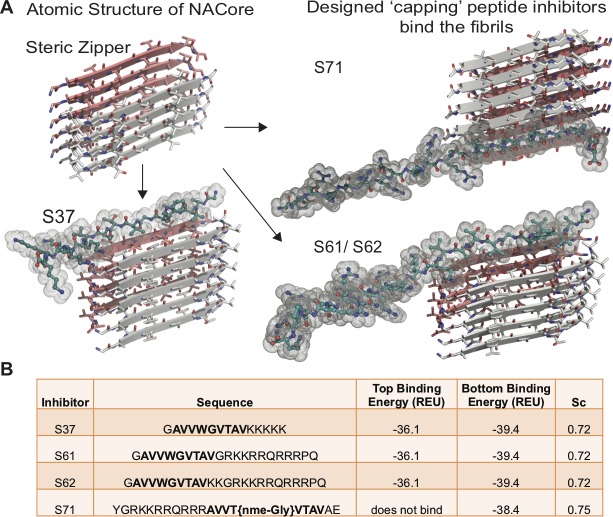
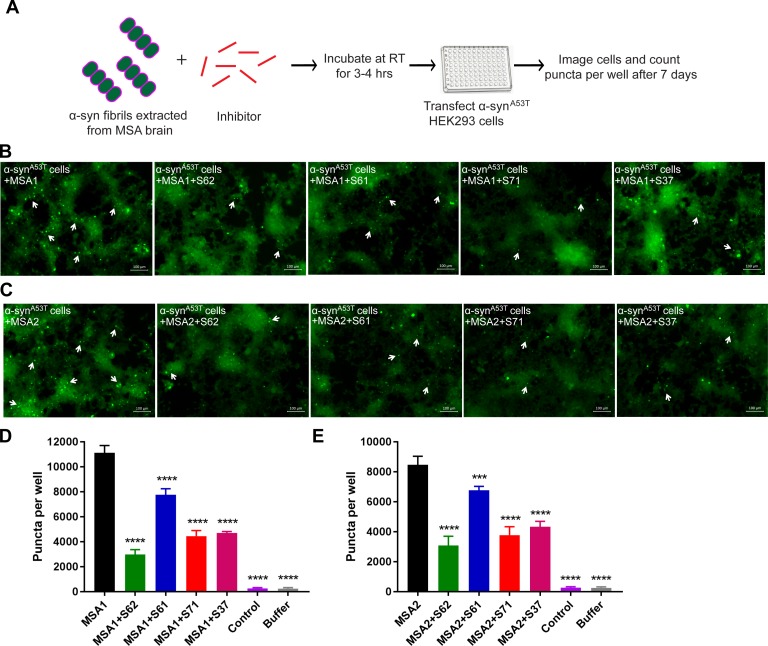
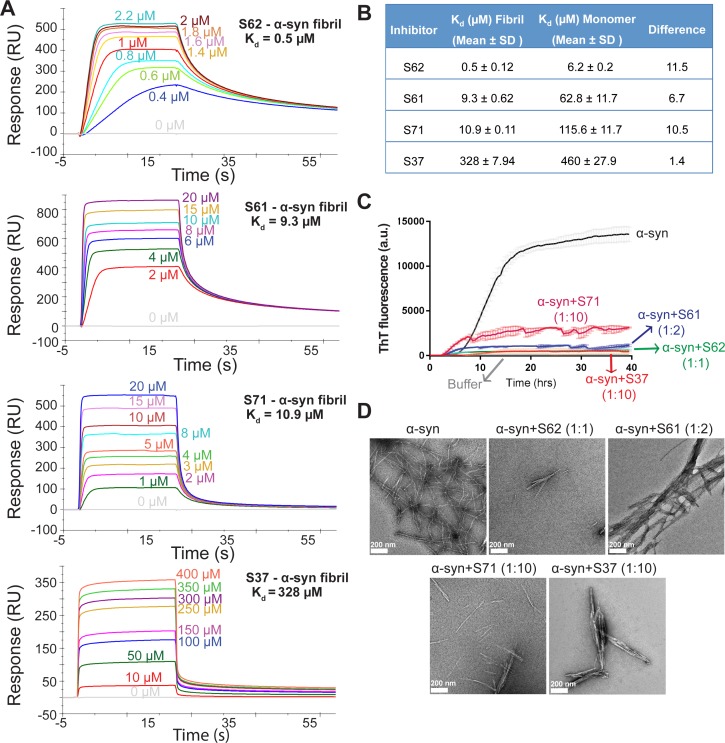
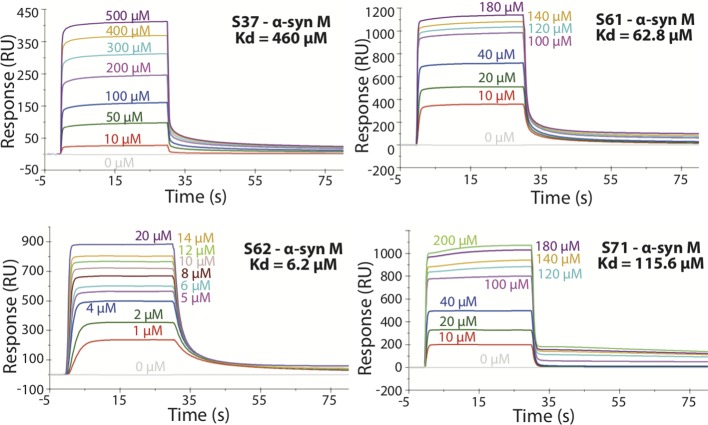
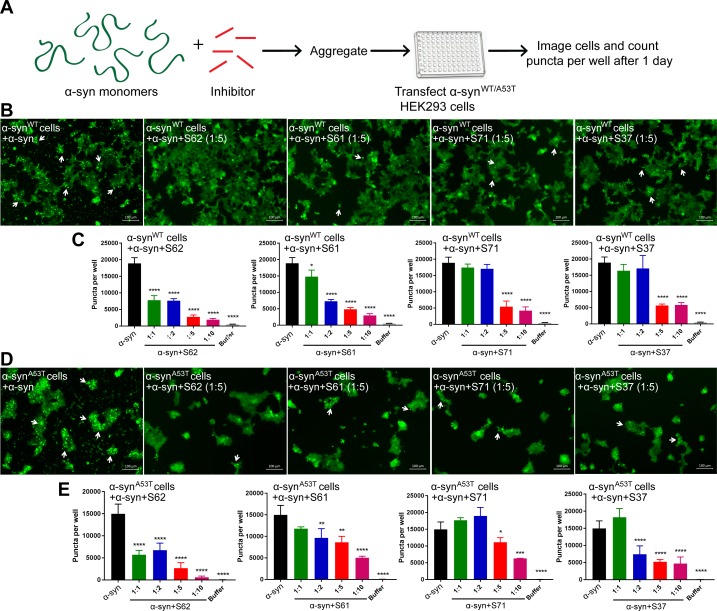
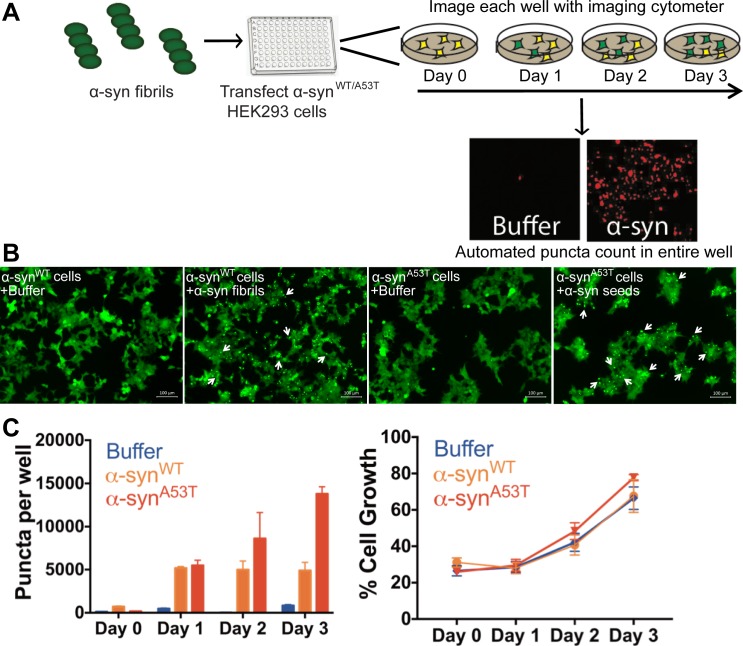
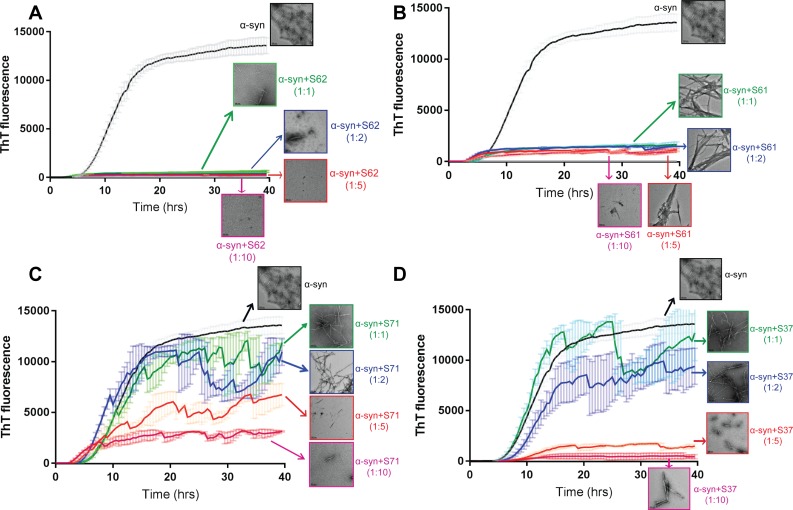
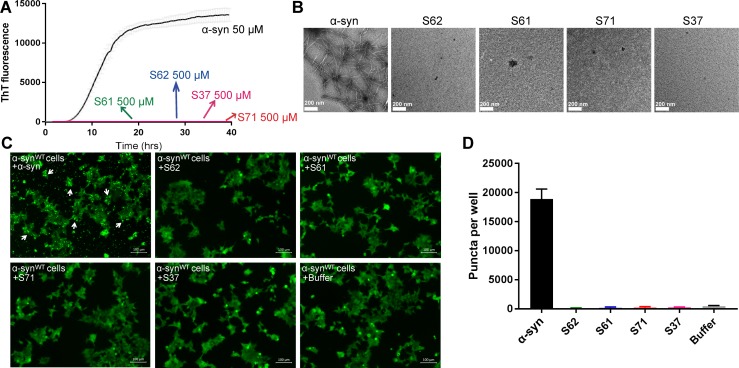
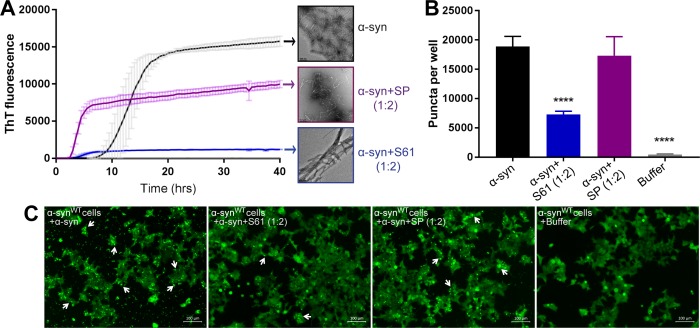
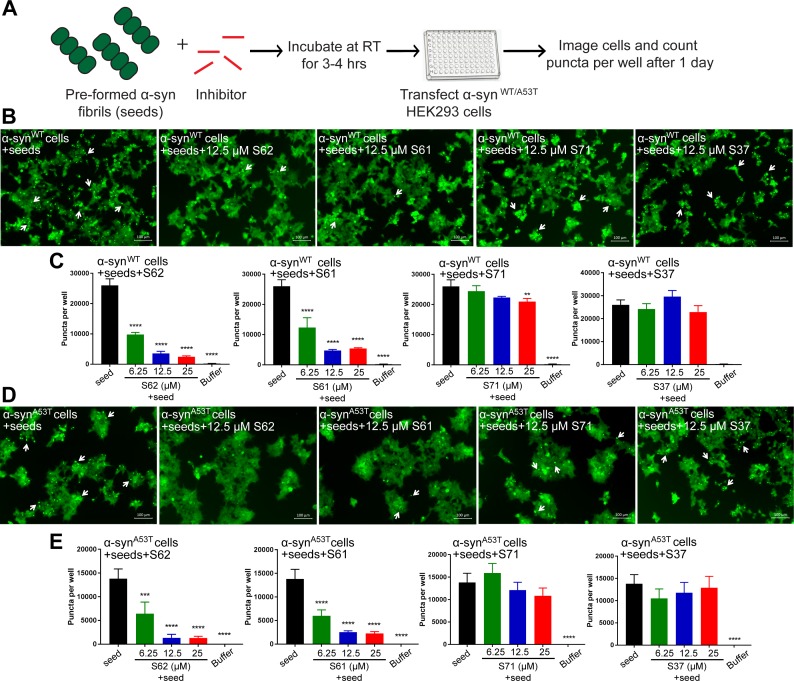
Seeding, in the context of amyloid disease, is the sequential transfer of pathogenic protein aggregates from cell-to-cell within affected tissues. The structure of pathogenic seeds provides the molecular basis and enables rapid conversion of soluble protein into fibrils. To date, there are no inhibitors that specifically target seeding of Parkinson's disease (PD)-associated α-synuclein (α-syn) fibrils, in part, due to lack of information of the structural properties of pathological seeds. Here we design small peptidic inhibitors based on the atomic structure of the core of α-syn fibrils. The inhibitors prevent α-syn aggregation in vitro and in cell culture models with binding affinities of 0.5 μM to α-syn fibril seeds. The inhibitors also show efficacy in preventing seeding by human patient-derived α-syn fibrils. Our results suggest that pathogenic seeds of α-syn contain steric zippers and suggest a therapeutic approach targeted at the spread and progression that may be applicable for PD and related synucleinopathies.
在淀粉样疾病中,“播种”是指在受影响组织内,致病性蛋白聚集体从一个细胞到另一个细胞的连续转移。致病性种子的结构为其提供了分子基础,并使其能够迅速将可溶性蛋白转化为原纤维。迄今为止,尚无专门针对帕金森病(PD)相关α-突触核蛋白(α-syn)原纤维播种的抑制剂,部分原因是缺乏对病理性种子结构特性的信息。在这里,我们基于α-syn 原纤维核心的原子结构设计了小肽抑制剂。这些抑制剂以 0.5μM 的亲和力与α-syn 原纤维种子结合,可防止α-syn 在体外和细胞培养模型中的聚集。抑制剂还显示出在预防人类患者来源的α-syn 原纤维播种方面的功效。我们的结果表明,α-syn 的致病性种子包含空间拉链,并提示了一种针对传播和进展的治疗方法,该方法可能适用于 PD 和相关的突触核蛋白病。