Department of Physiology, Universidade de São Paulo, 05508-090 São Paulo, Brazil.
Cells. 2020 Jan 2;9(1):113. doi: 10.3390/cells9010113.
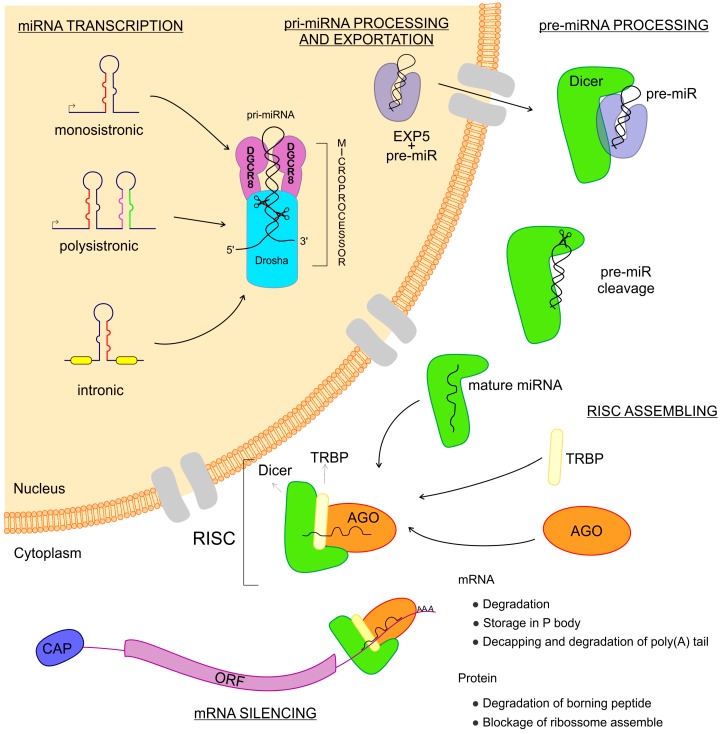
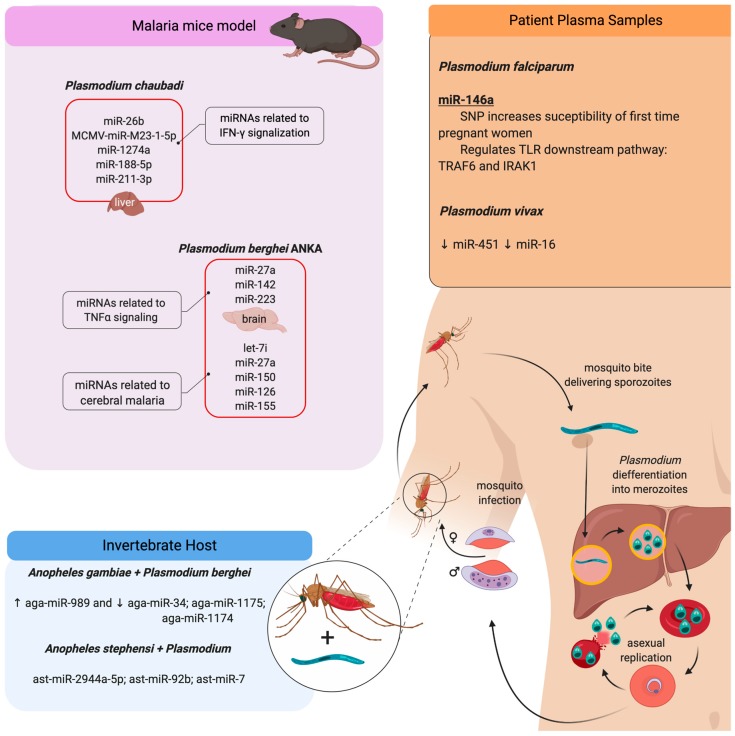
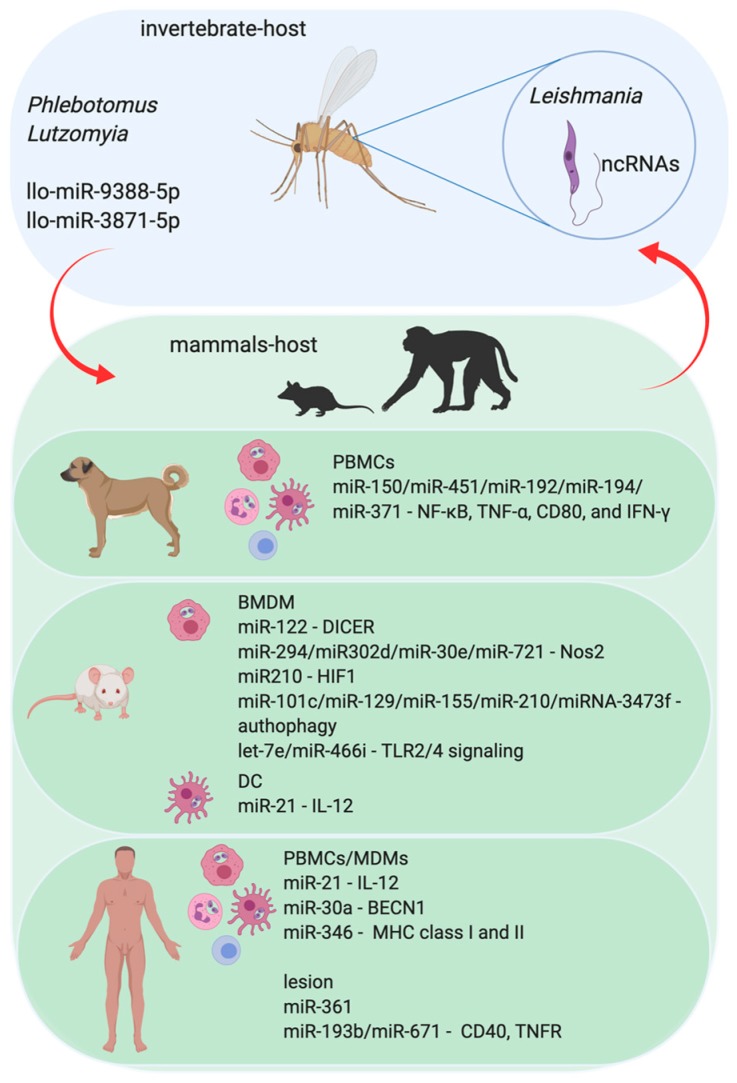
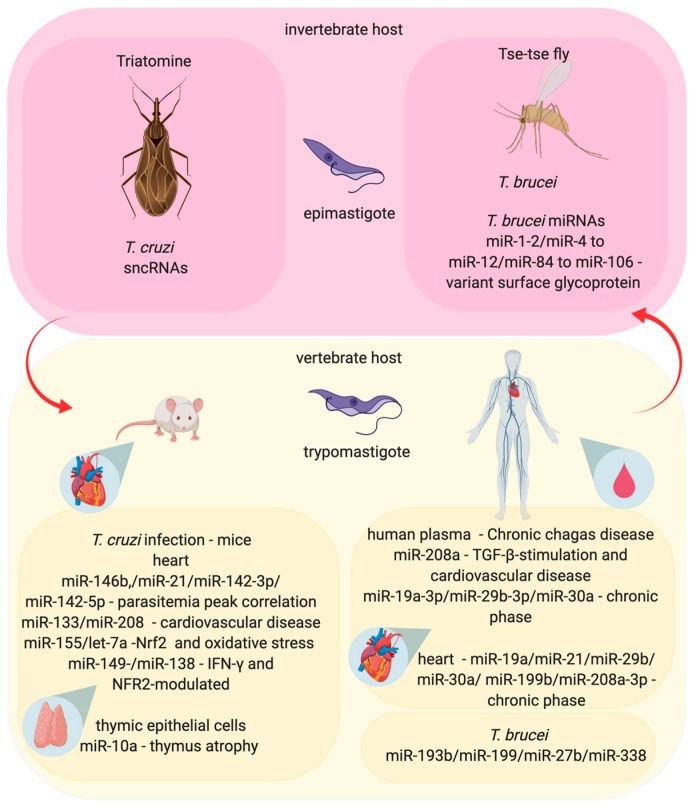
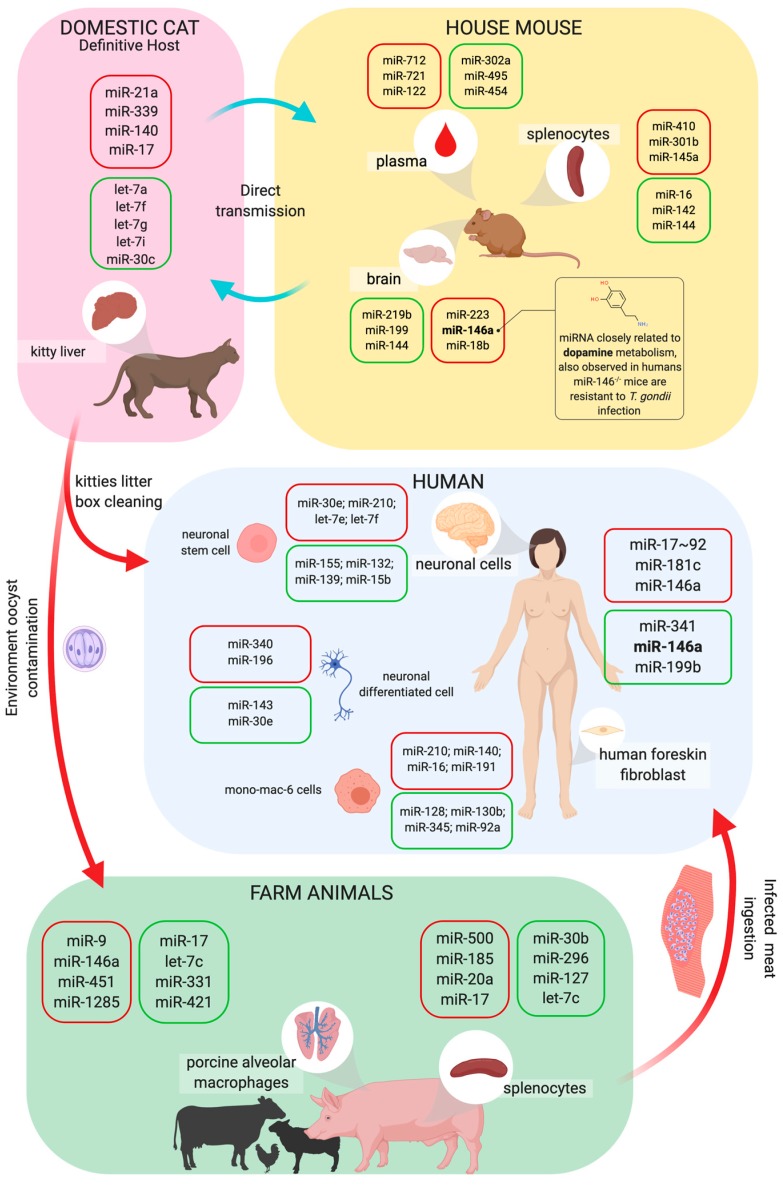
An inflammatory response is essential for combating invading pathogens. Several effector components, as well as immune cell populations, are involved in mounting an immune response, thereby destroying pathogenic organisms such as bacteria, fungi, viruses, and parasites. In the past decade, microRNAs (miRNAs), a group of noncoding small RNAs, have emerged as functionally significant regulatory molecules with the significant capability of fine-tuning biological processes. The important role of miRNAs in inflammation and immune responses is highlighted by studies in which the regulation of miRNAs in the host was shown to be related to infectious diseases and associated with the eradication or susceptibility of the infection. Here, we review the biological aspects of microRNAs, focusing on their roles as regulators of gene expression during pathogen-host interactions and their implications in the immune response against , , , and infectious diseases.
炎症反应对于抵御入侵病原体至关重要。几种效应器成分以及免疫细胞群体参与了免疫反应的启动,从而破坏了细菌、真菌、病毒和寄生虫等病原体。在过去的十年中,microRNAs(miRNAs)作为一组非编码小分子 RNA,已经成为具有精细调节生物过程重要功能的有意义的调控分子。miRNAs 在炎症和免疫反应中的重要作用在宿主中 miRNA 调节与传染病相关并与感染的消除或易感性相关的研究中得到了强调。在这里,我们综述了 microRNAs 的生物学方面,重点介绍了它们在病原体-宿主相互作用过程中作为基因表达调节剂的作用,以及它们在针对 、 、 和 感染性疾病的免疫反应中的意义。