Neural and Cognitive Engineering Group, Center for Automation and Robotics, Spanish National Research Council, Arganda del Rey, Spain.
Department of Physiology, Northwestern University, Chicago, IL, USA.
Nat Neurosci. 2020 Feb;23(2):260-270. doi: 10.1038/s41593-019-0555-4. Epub 2020 Jan 6.
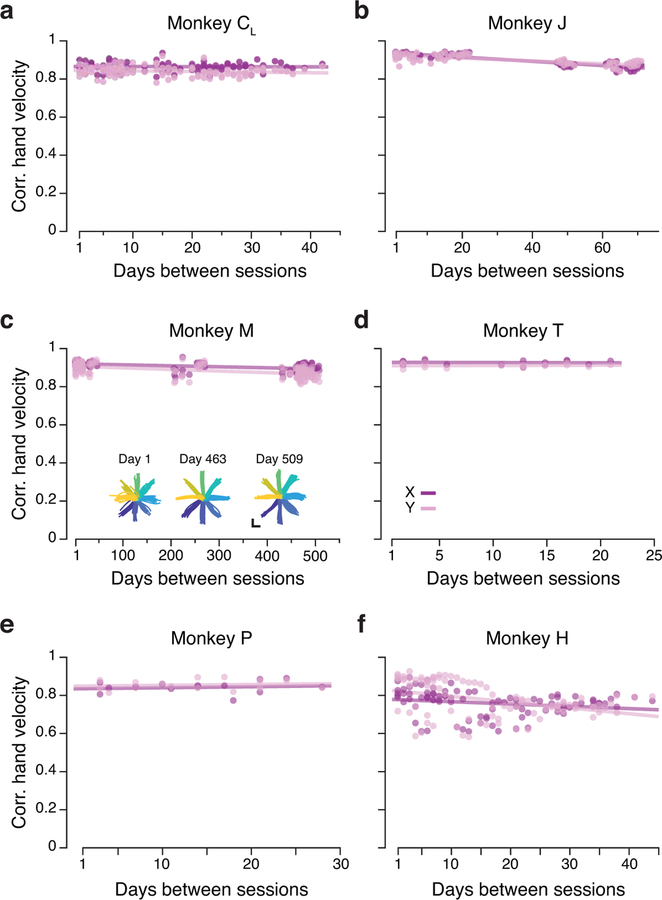
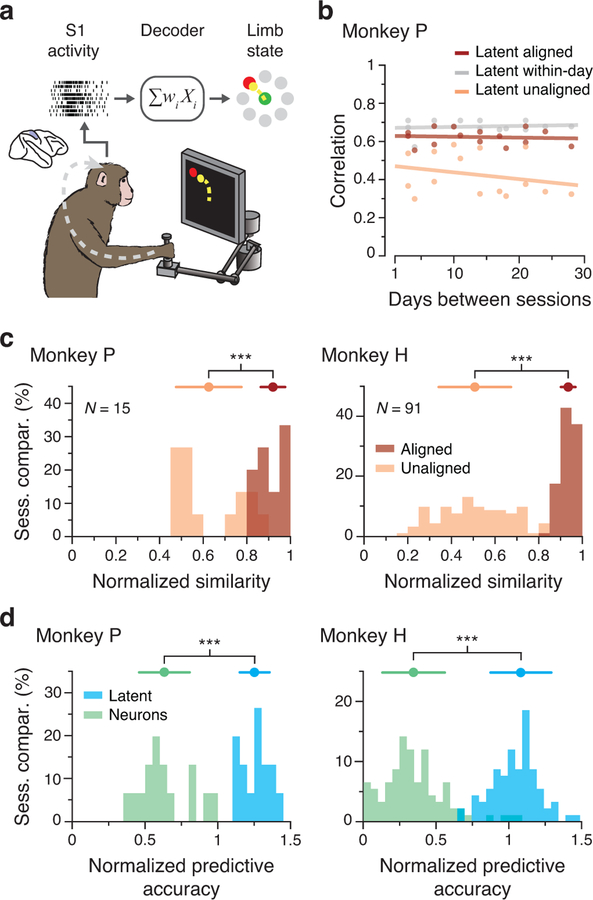
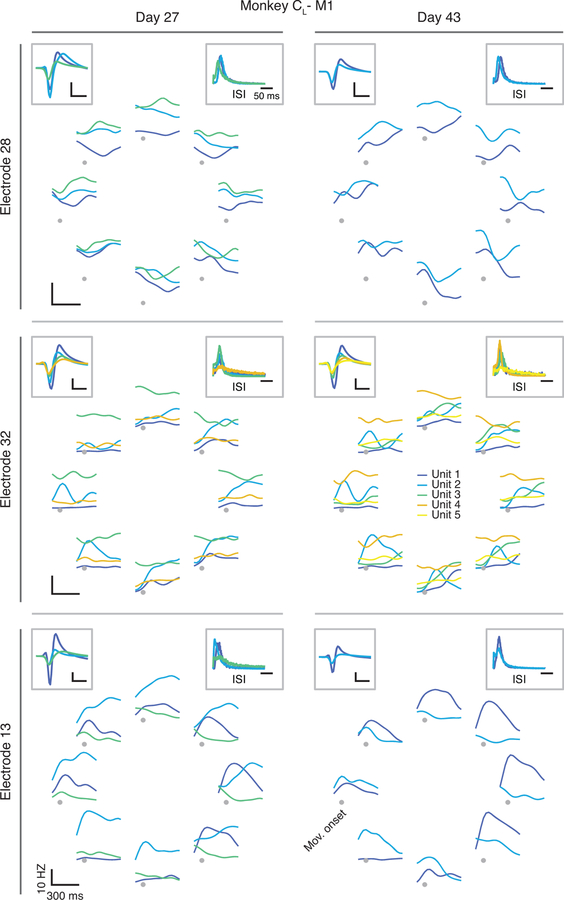
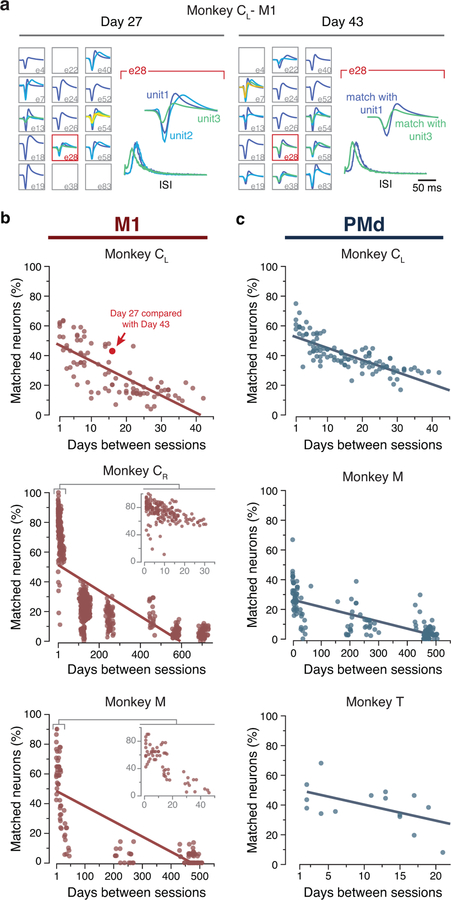
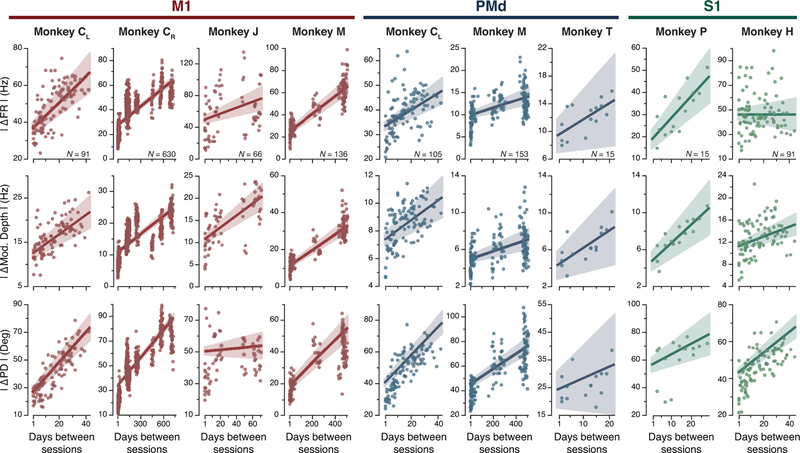
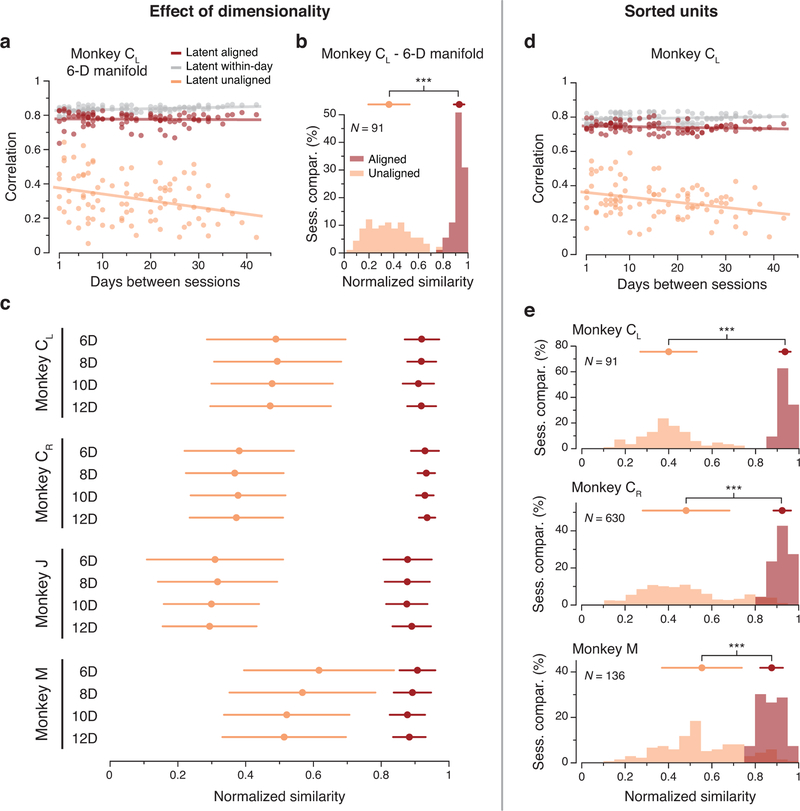
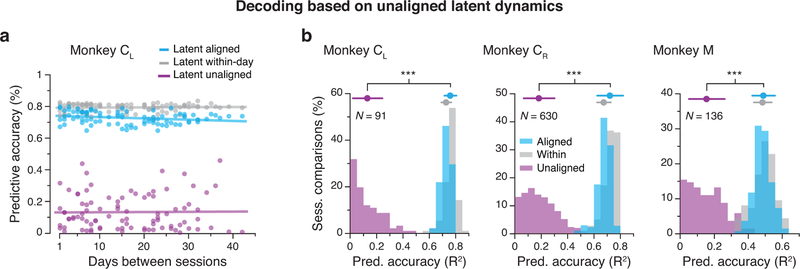
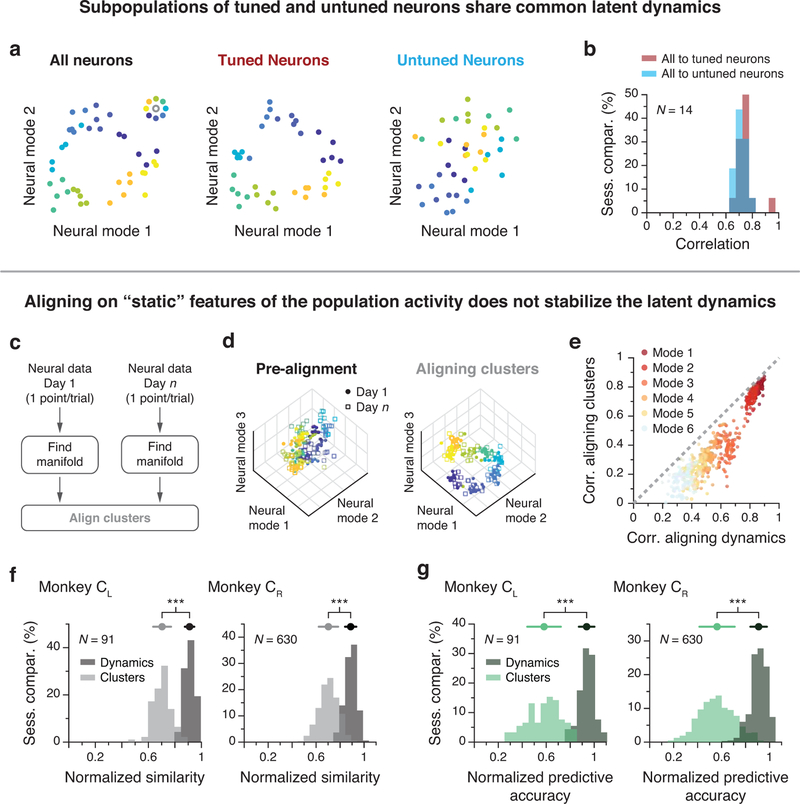
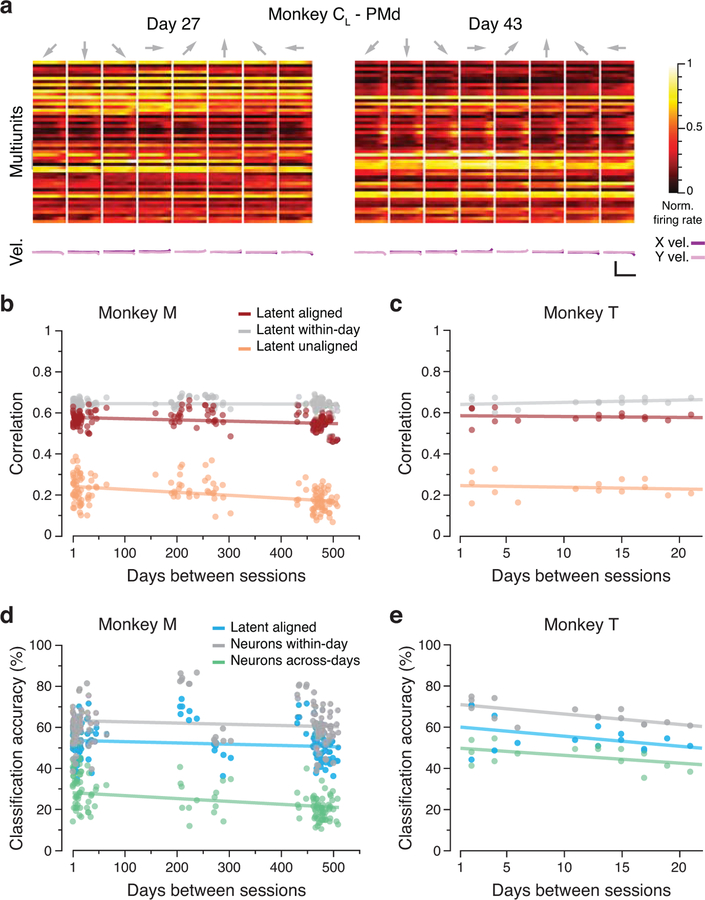
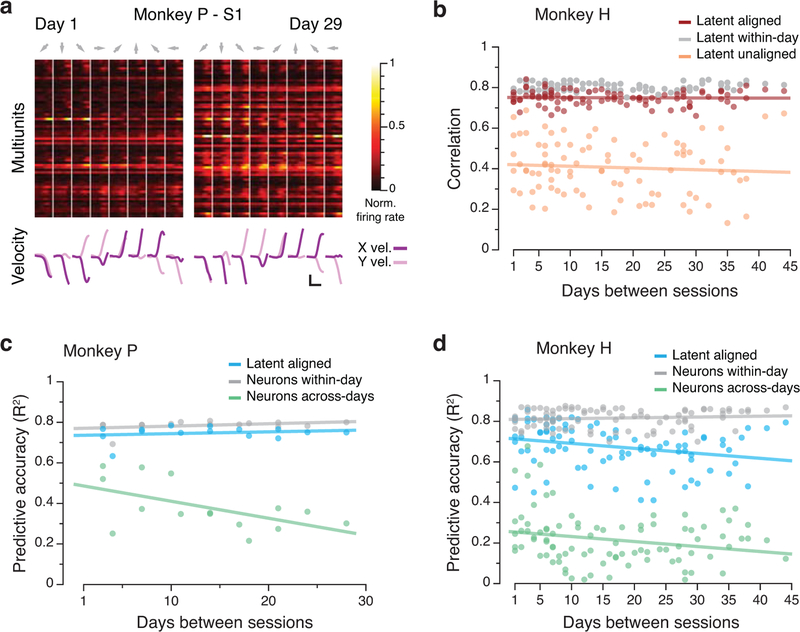
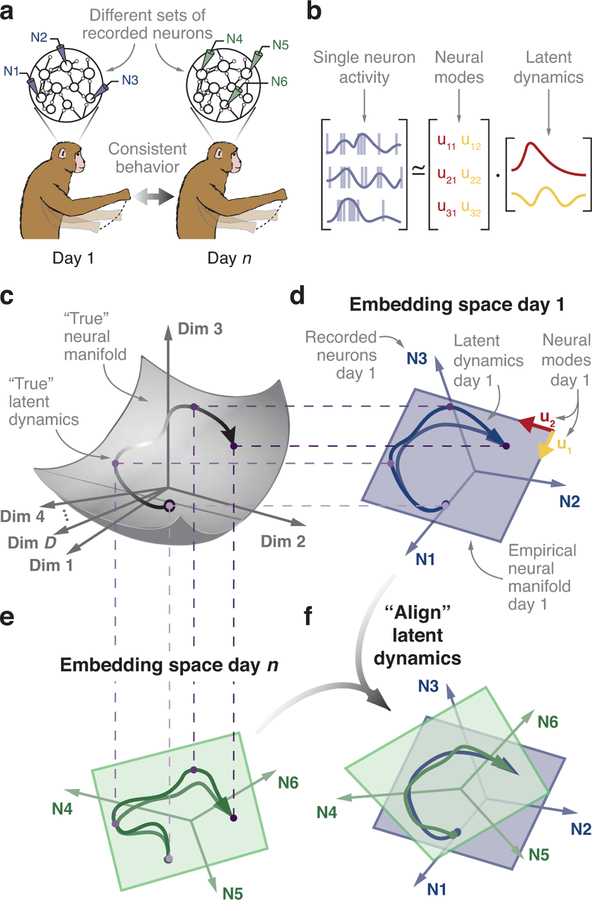
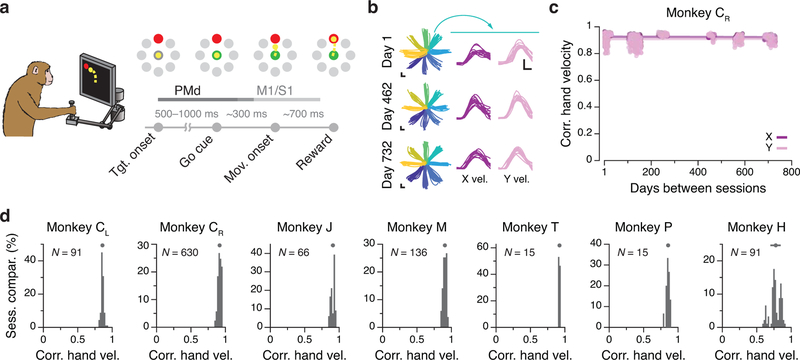
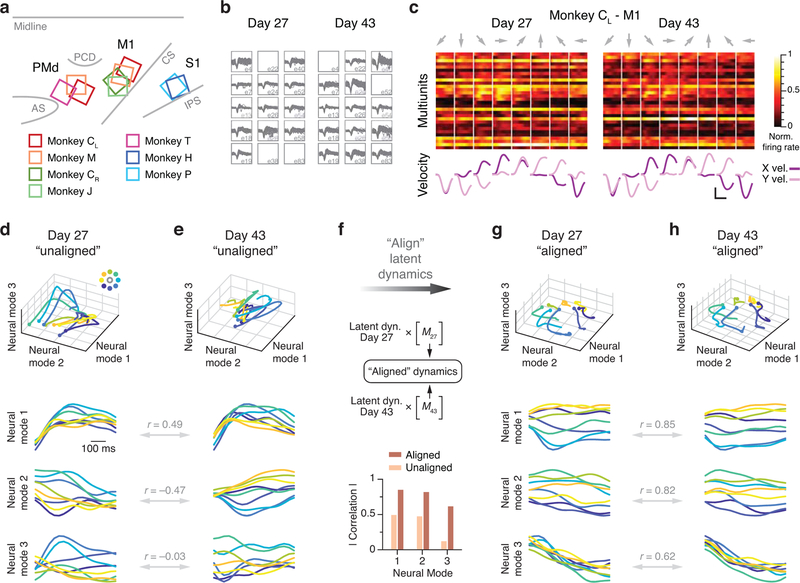
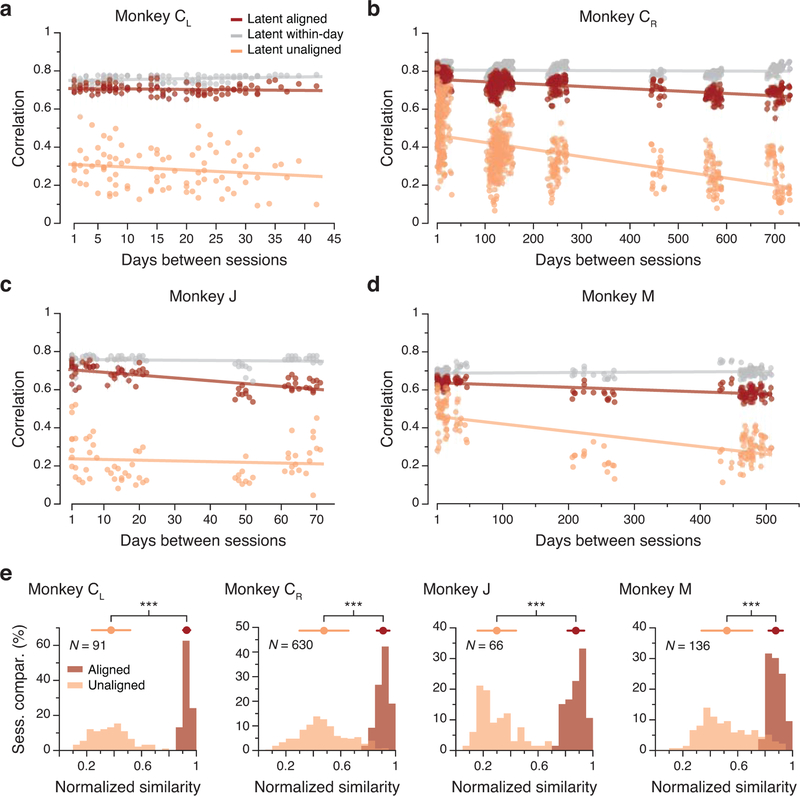
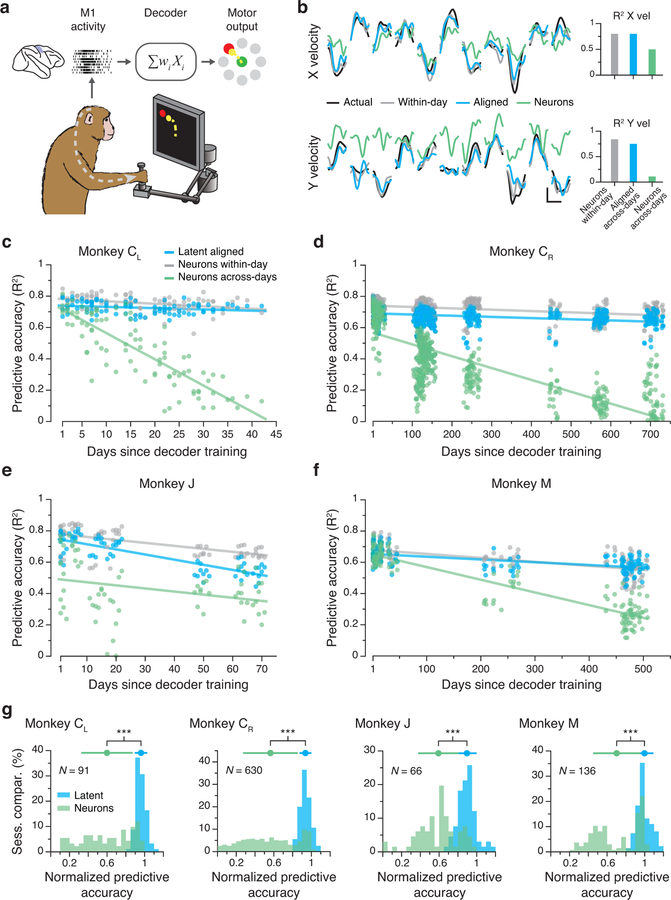
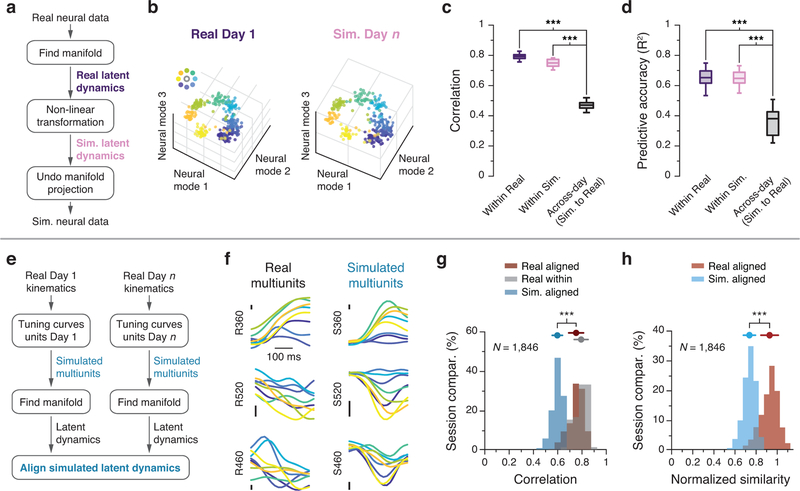
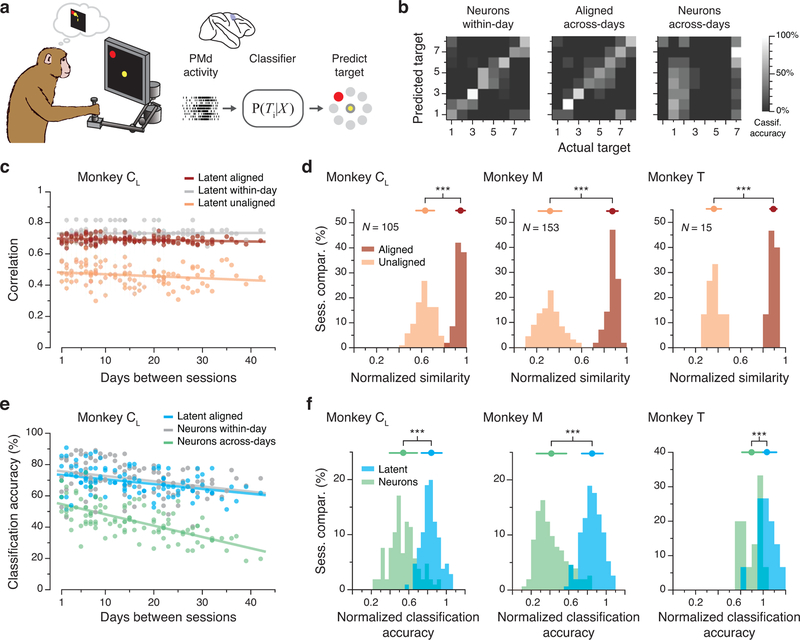
Animals readily execute learned behaviors in a consistent manner over long periods of time, and yet no equally stable neural correlate has been demonstrated. How does the cortex achieve this stable control? Using the sensorimotor system as a model of cortical processing, we investigated the hypothesis that the dynamics of neural latent activity, which captures the dominant co-variation patterns within the neural population, must be preserved across time. We recorded from populations of neurons in premotor, primary motor and somatosensory cortices as monkeys performed a reaching task, for up to 2 years. Intriguingly, despite a steady turnover in the recorded neurons, the low-dimensional latent dynamics remained stable. The stability allowed reliable decoding of behavioral features for the entire timespan, while fixed decoders based directly on the recorded neural activity degraded substantially. We posit that stable latent cortical dynamics within the manifold are the fundamental building blocks underlying consistent behavioral execution.
动物能够长时间以一致的方式执行习得的行为,但尚未证明存在同样稳定的神经相关物。大脑皮层如何实现这种稳定的控制?我们使用感觉运动系统作为皮层处理的模型,研究了这样一个假设,即神经潜在活动的动力学(捕捉神经群体中的主要协变模式)必须在时间上保持不变。当猴子执行伸展任务时,我们从运动前皮层、初级运动皮层和躯体感觉皮层的神经元群体中进行记录,持续时间长达 2 年。有趣的是,尽管记录的神经元不断更替,但低维潜在动力学仍然保持稳定。这种稳定性允许对整个时间段的行为特征进行可靠解码,而直接基于记录的神经活动的固定解码器则会大幅降级。我们假设,流形内稳定的潜在皮层动力学是一致执行行为的基础构建块。