MRC Cancer Unit, University of Cambridge, Cambridge, UK.
Department of Histopathology, Papworth Hospital NHS Trust, Cambridge, UK.
Nat Genet. 2020 Jan;52(1):74-83. doi: 10.1038/s41588-019-0551-3. Epub 2020 Jan 6.
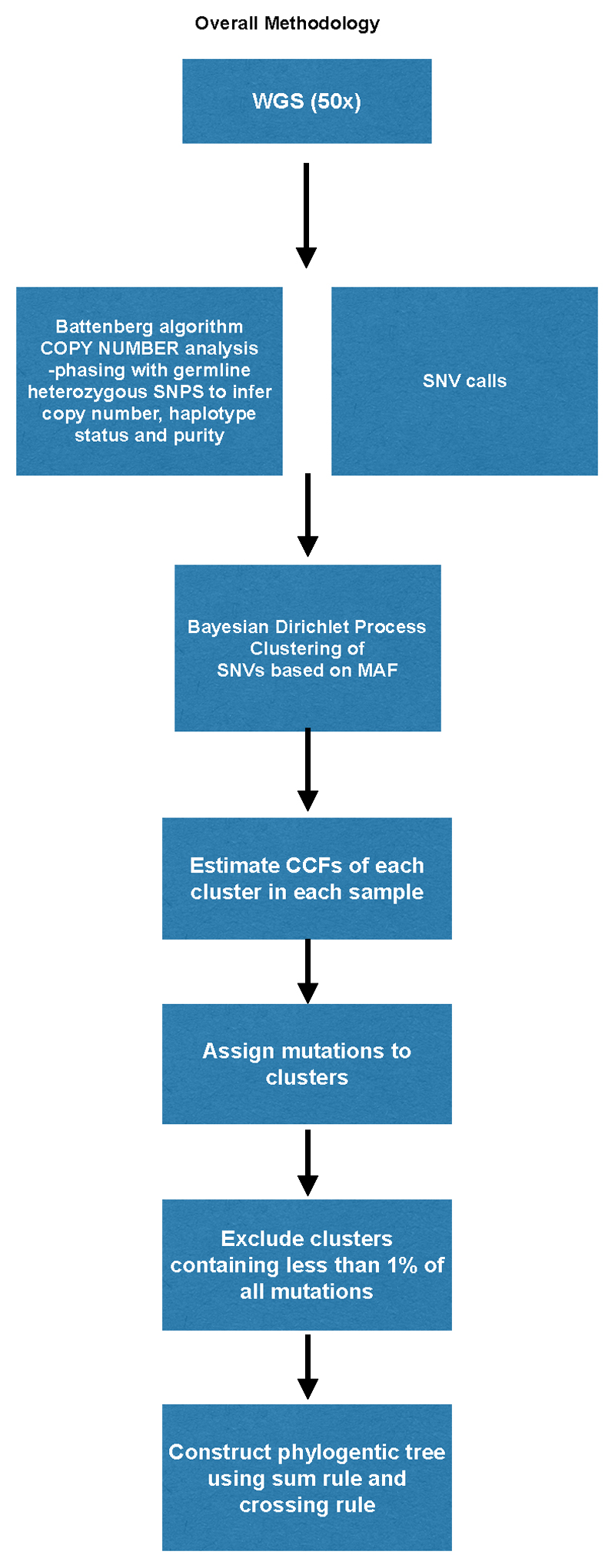
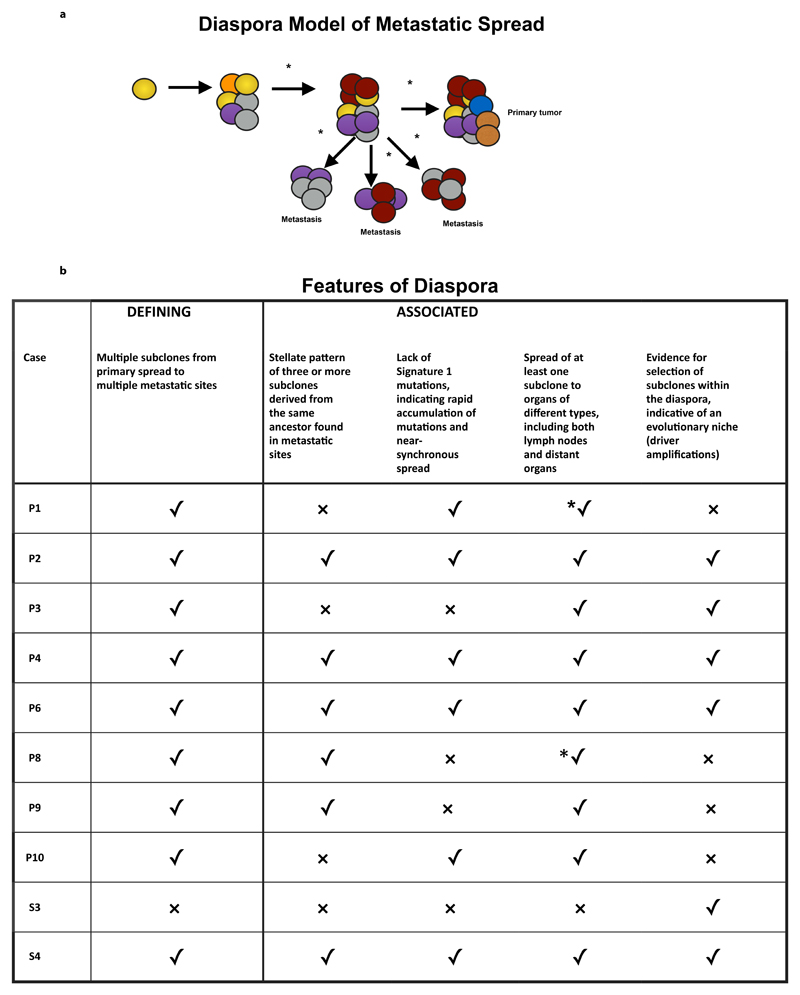
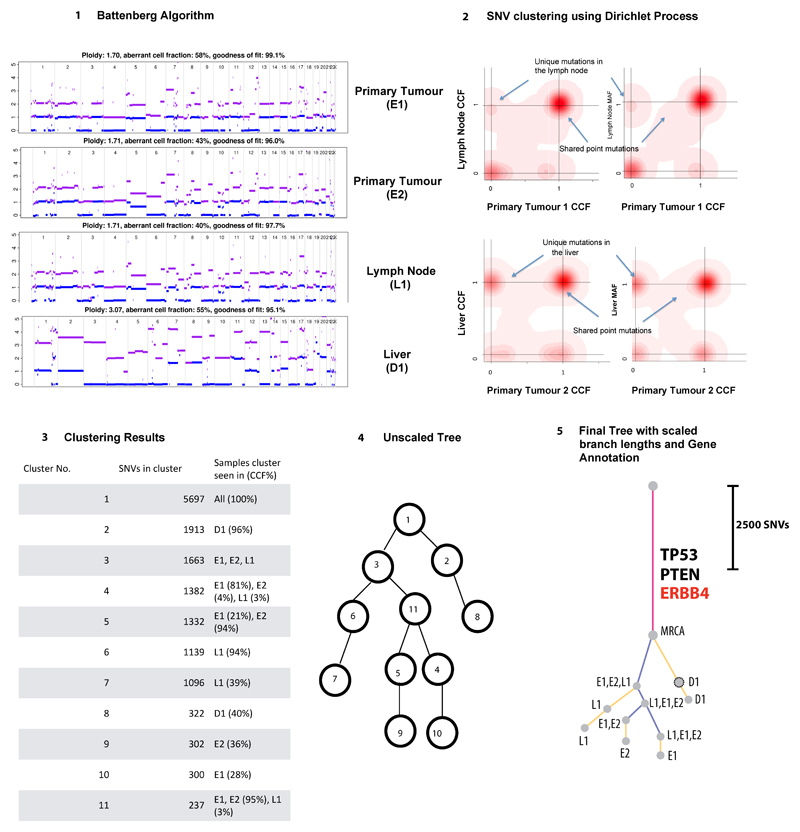
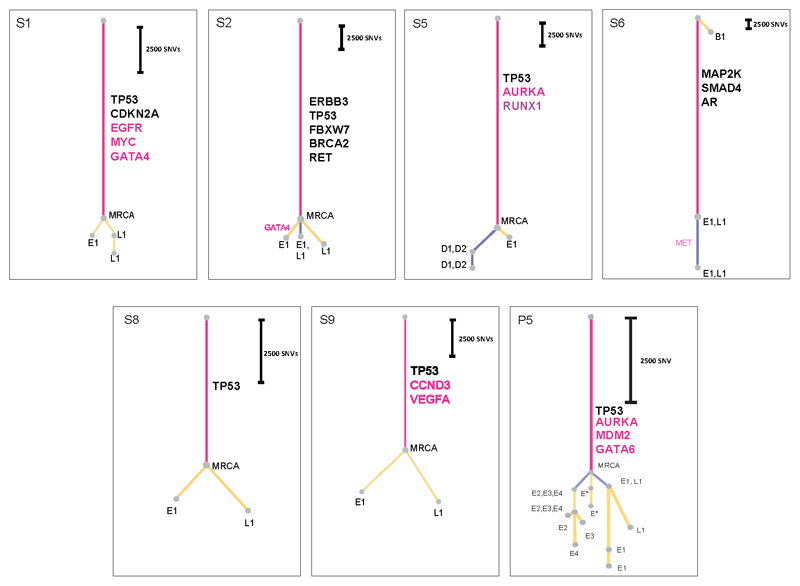
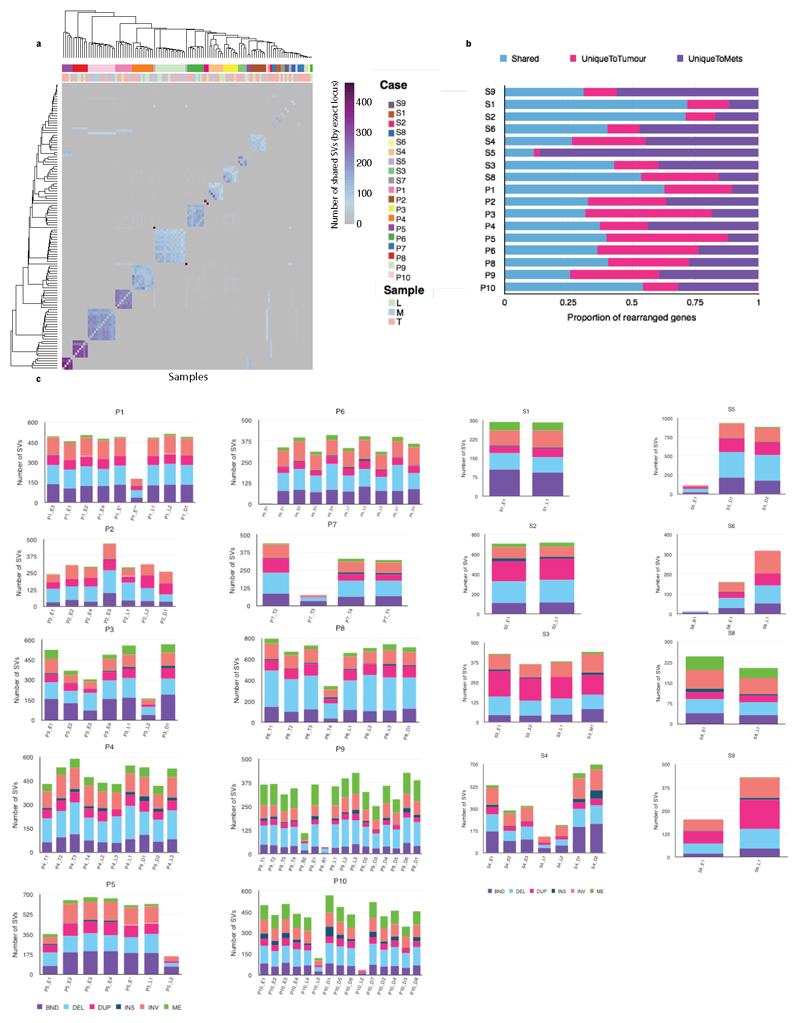
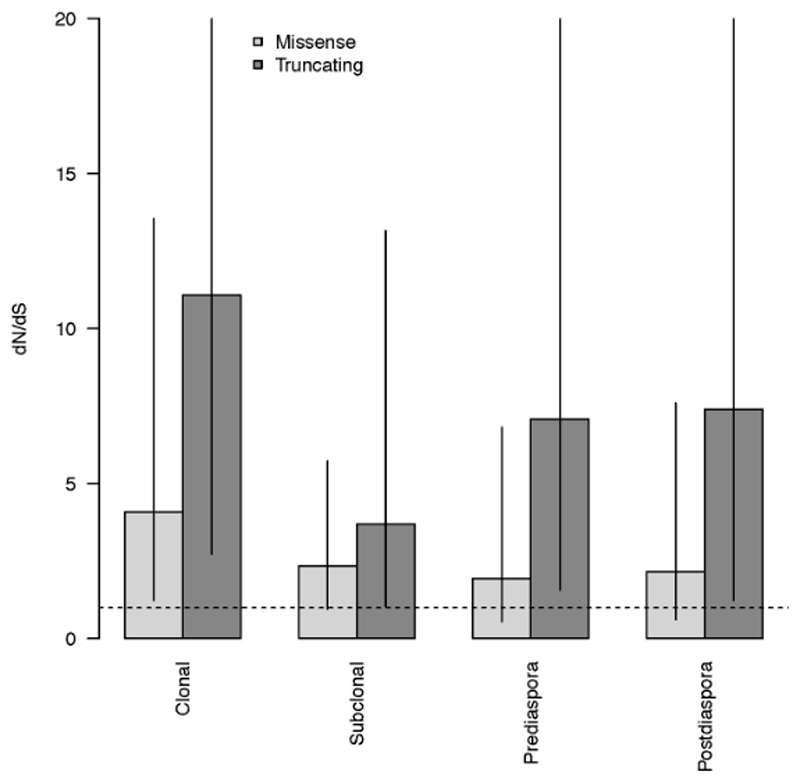
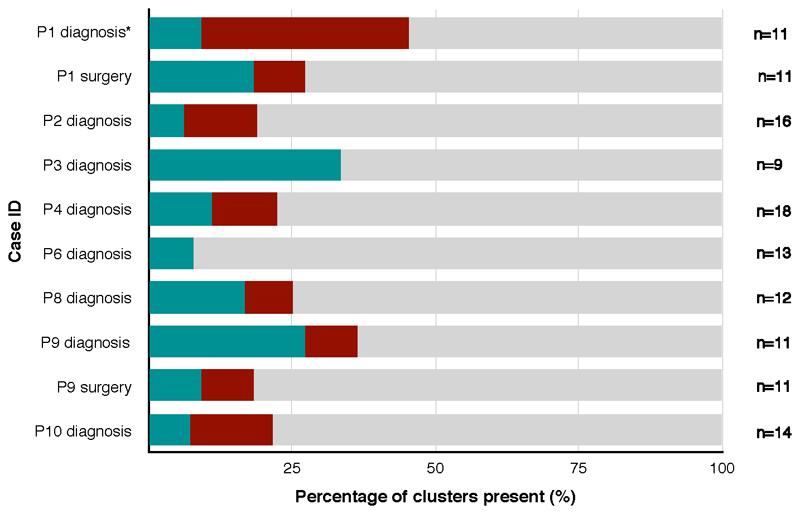
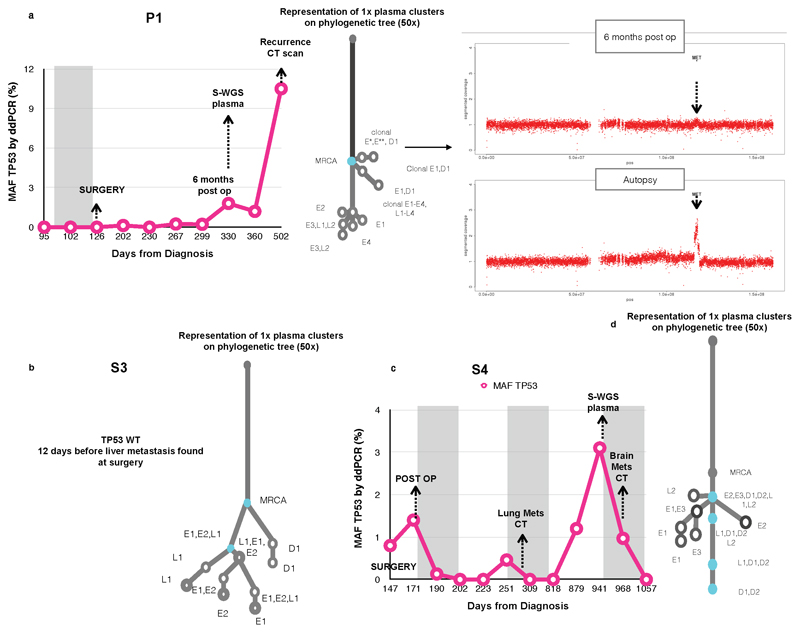
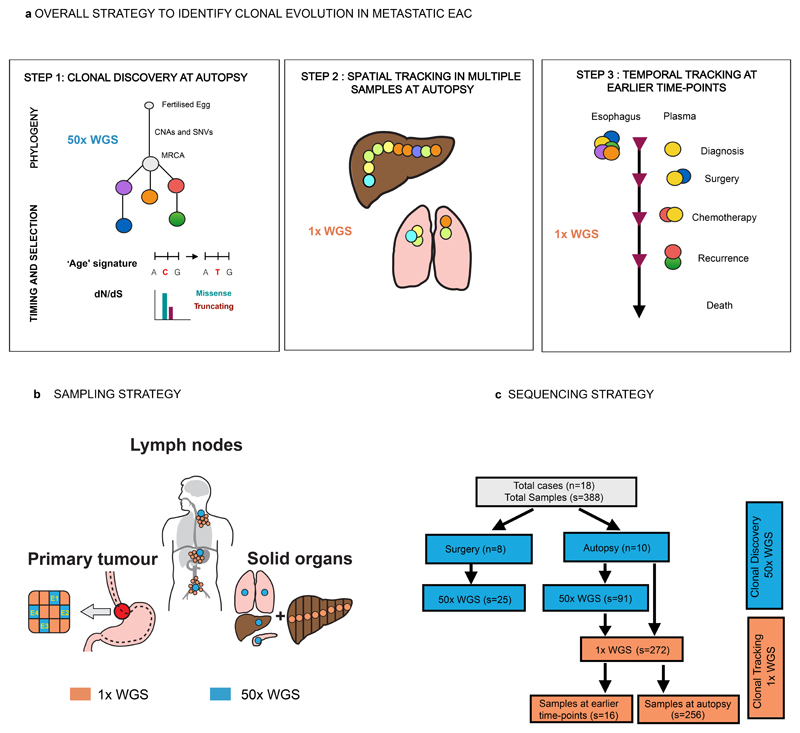
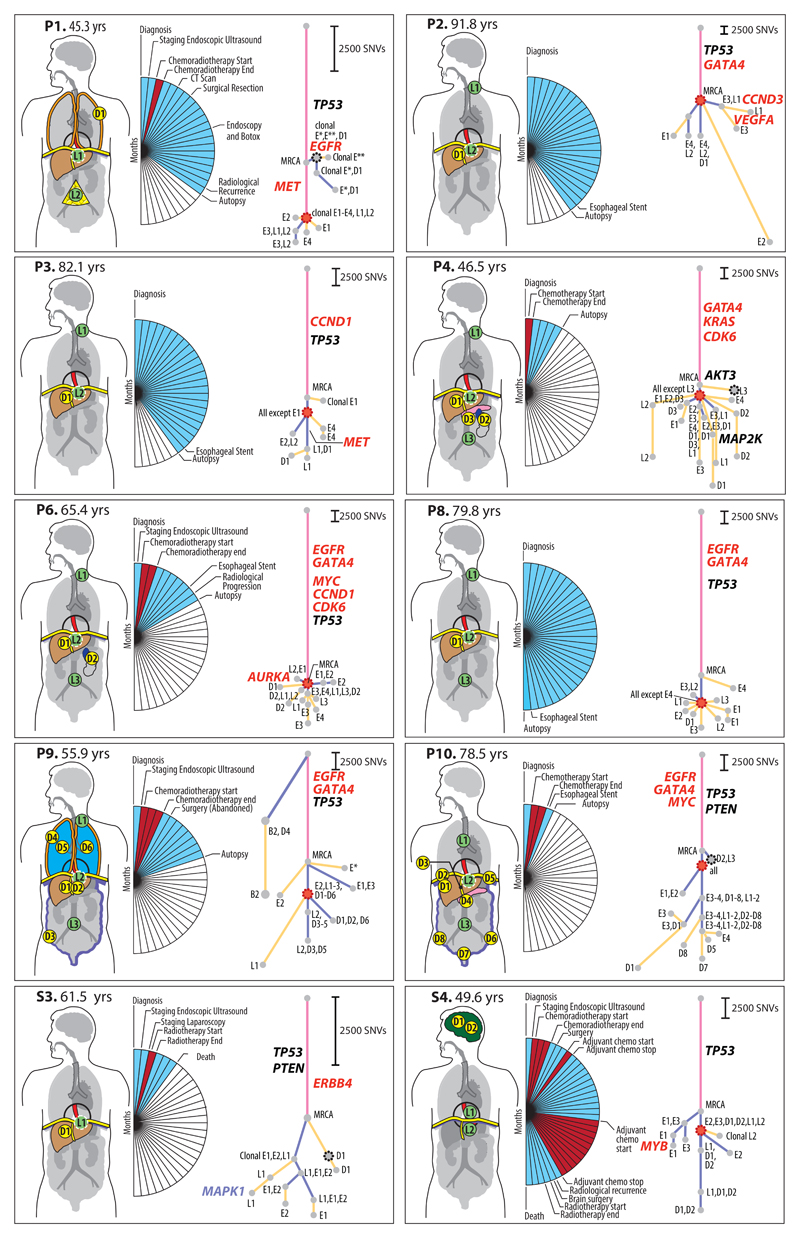
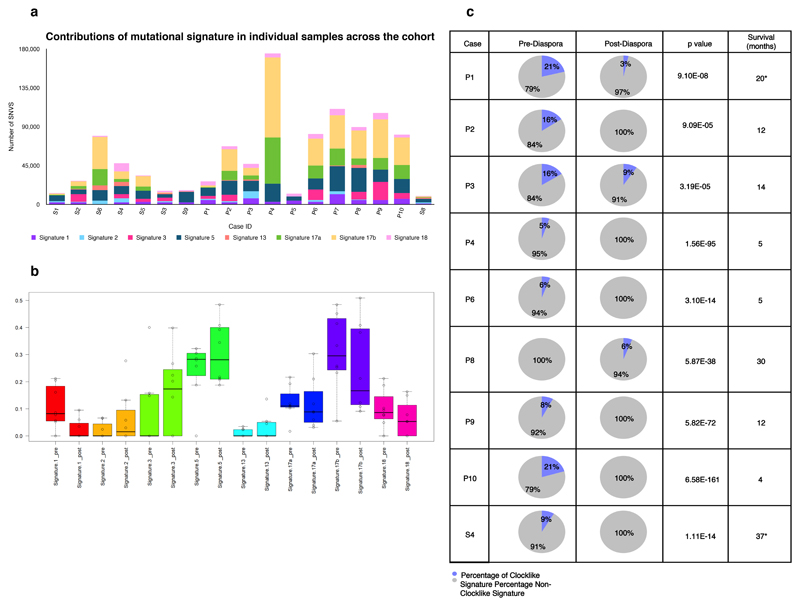
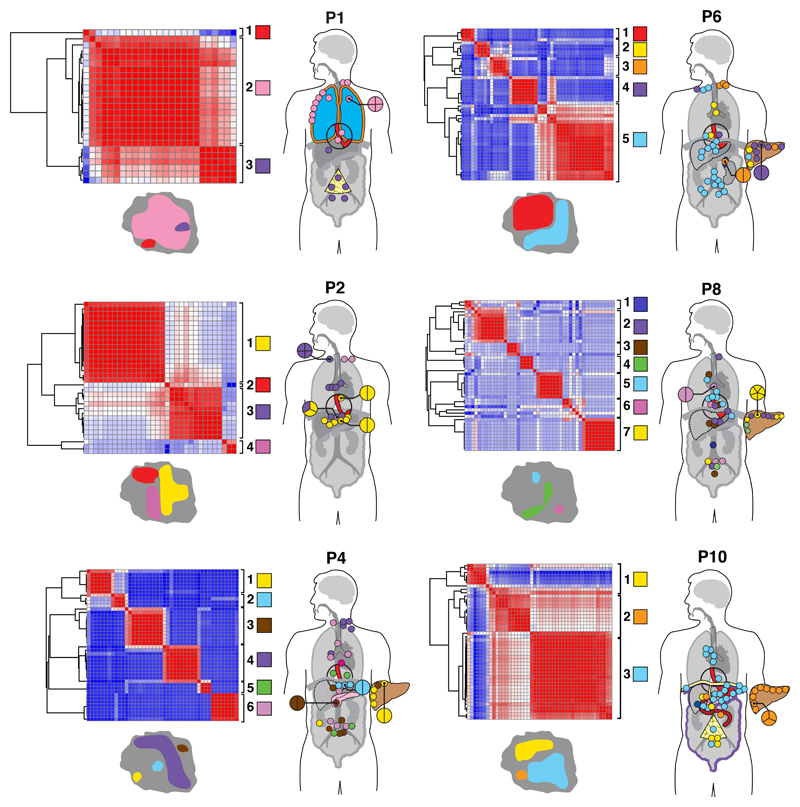
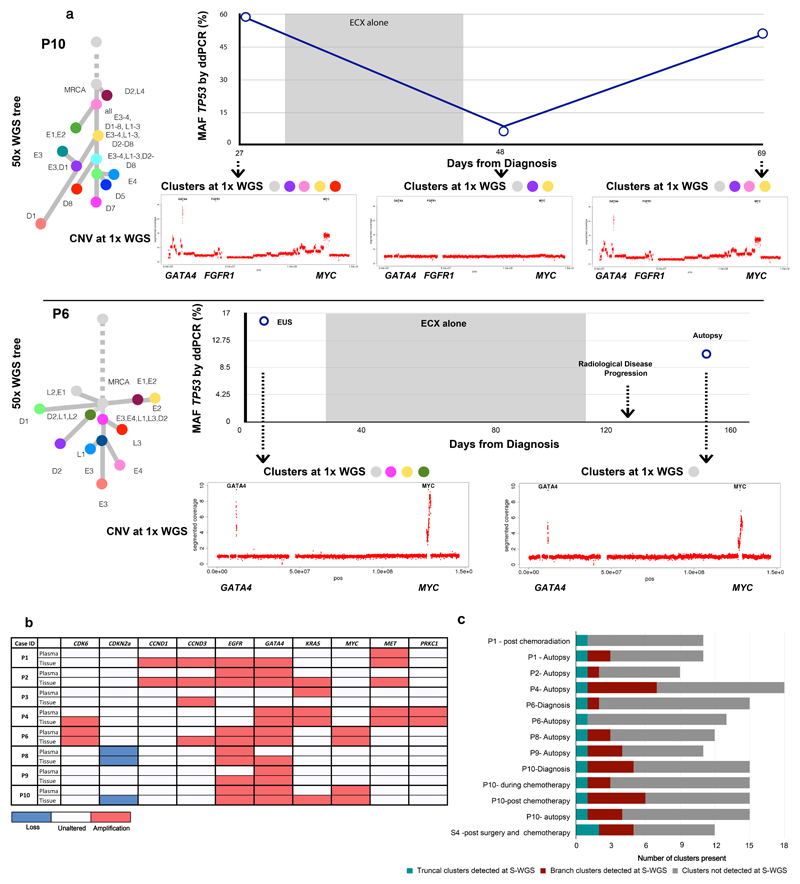
The poor outcomes in esophageal adenocarcinoma (EAC) prompted us to interrogate the pattern and timing of metastatic spread. Whole-genome sequencing and phylogenetic analysis of 388 samples across 18 individuals with EAC showed, in 90% of patients, that multiple subclones from the primary tumor spread very rapidly from the primary site to form multiple metastases, including lymph nodes and distant tissues-a mode of dissemination that we term 'clonal diaspora'. Metastatic subclones at autopsy were present in tissue and blood samples from earlier time points. These findings have implications for our understanding and clinical evaluation of EAC.
食管腺癌 (EAC) 的预后不良促使我们探究转移扩散的模式和时间。对 18 名 EAC 患者的 388 个样本进行全基因组测序和系统发育分析表明,在 90%的患者中,原发肿瘤的多个亚克隆从原发部位迅速扩散,形成多个转移灶,包括淋巴结和远处组织——我们称之为“克隆离散”的播散模式。尸检时的转移亚克隆存在于更早时间点的组织和血液样本中。这些发现对我们理解和临床评估 EAC 具有重要意义。