Jeyaraj Priya
Commanding Officer Military Dental Centre (Gough Lines), Secunderabad, Telangana, India.
Ann Maxillofac Surg. 2019 Jul-Dec;9(2):261-282. doi: 10.4103/ams.ams_151_19.
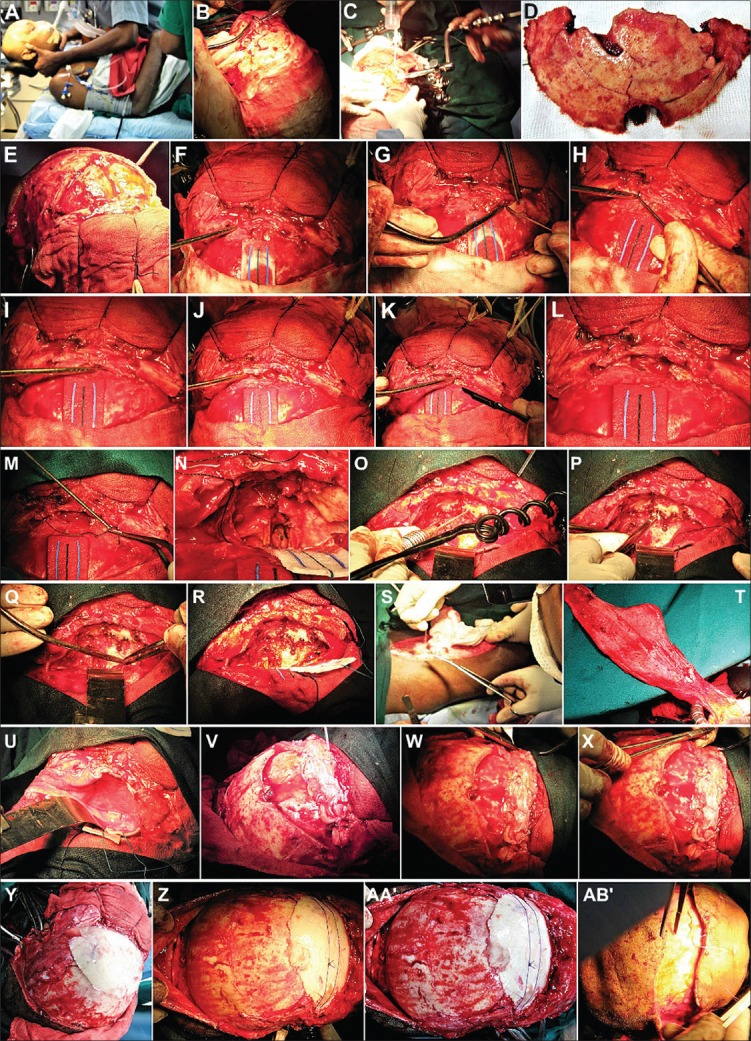
Timely, expeditious and appropriate management of Frontal bone fractures and associated Frontal Sinus (FS) injuries are both crucial as well as challenging. Treatment options vary considerably, depending upon the nature, extent and severity of these injuries as well as operator skill, expertise and experience. In cases of posterior table fractures of the Frontal Sinus, literature reports have in general, propounded direct visualization and exploration of the sinus via a bifrontal craniotomy, followed by sinus cranialization.
To review the standard protocols of management of Frontal bone fractures and Frontal Sinus injuries. To assess the efficacy of a more conservative approach in the management of outer and inner table fractures of the FS.
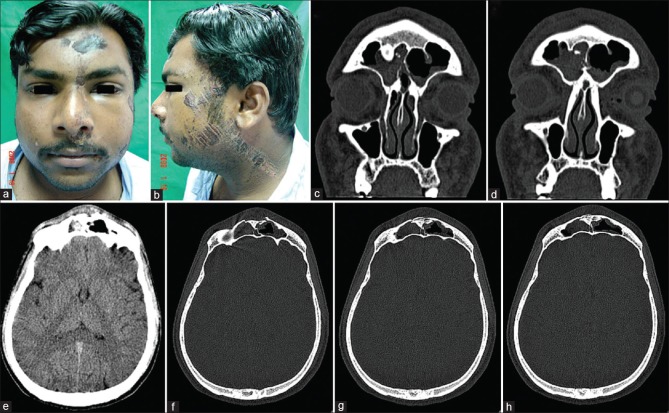
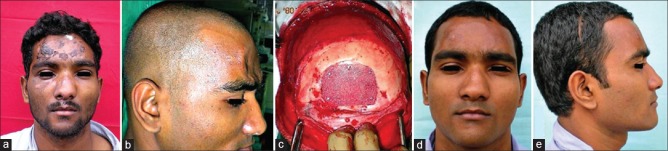
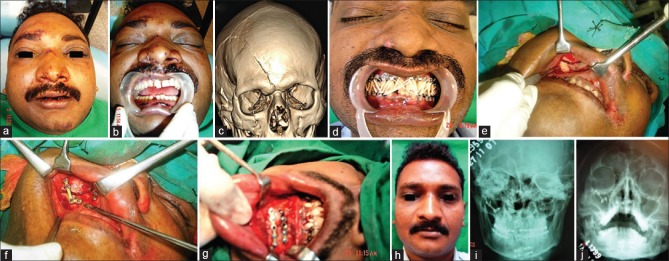
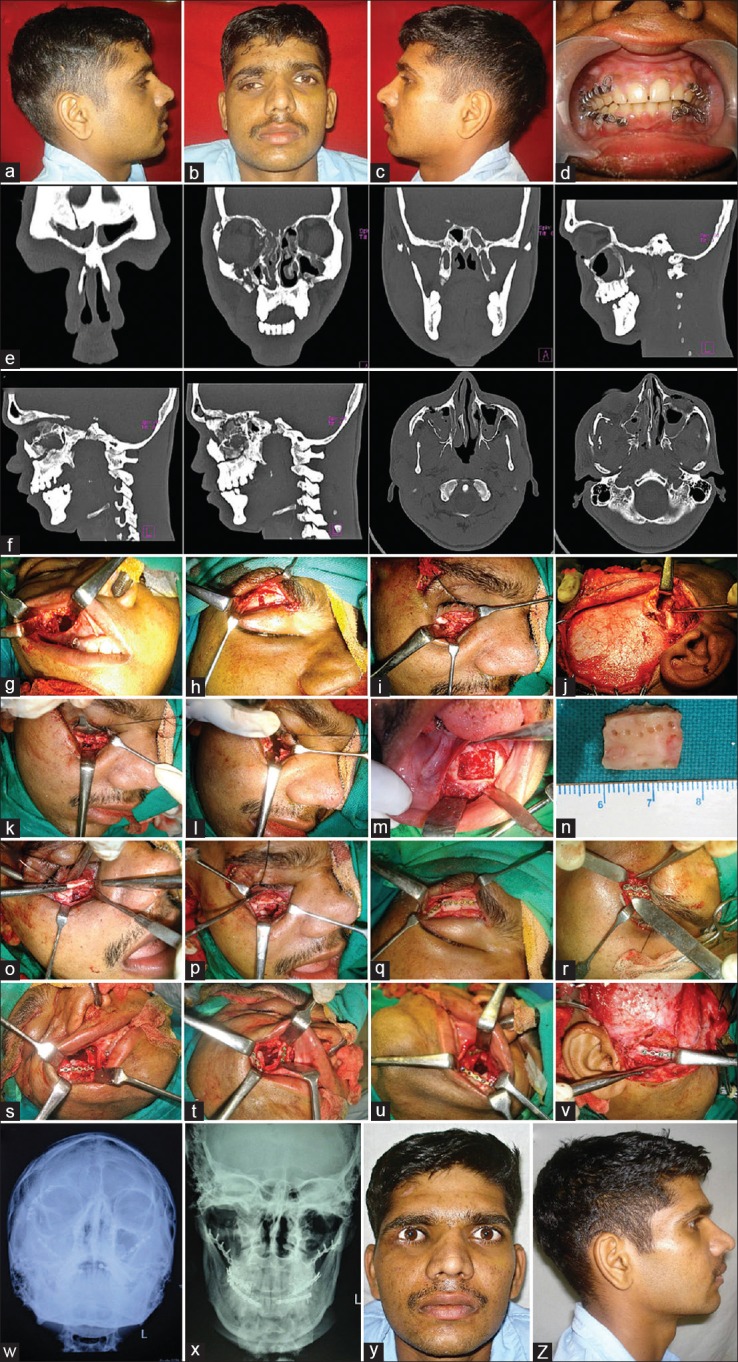
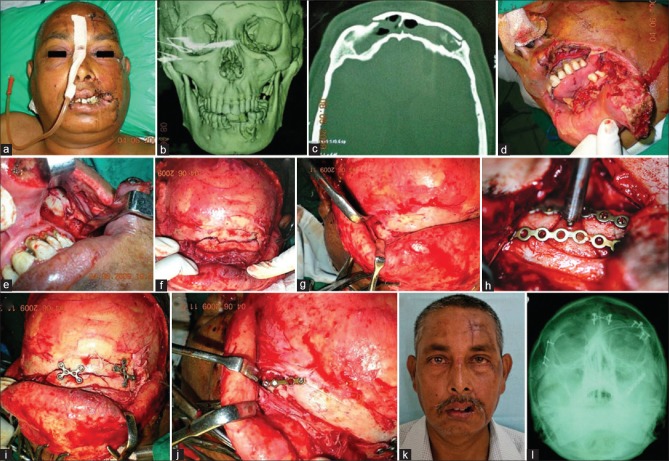
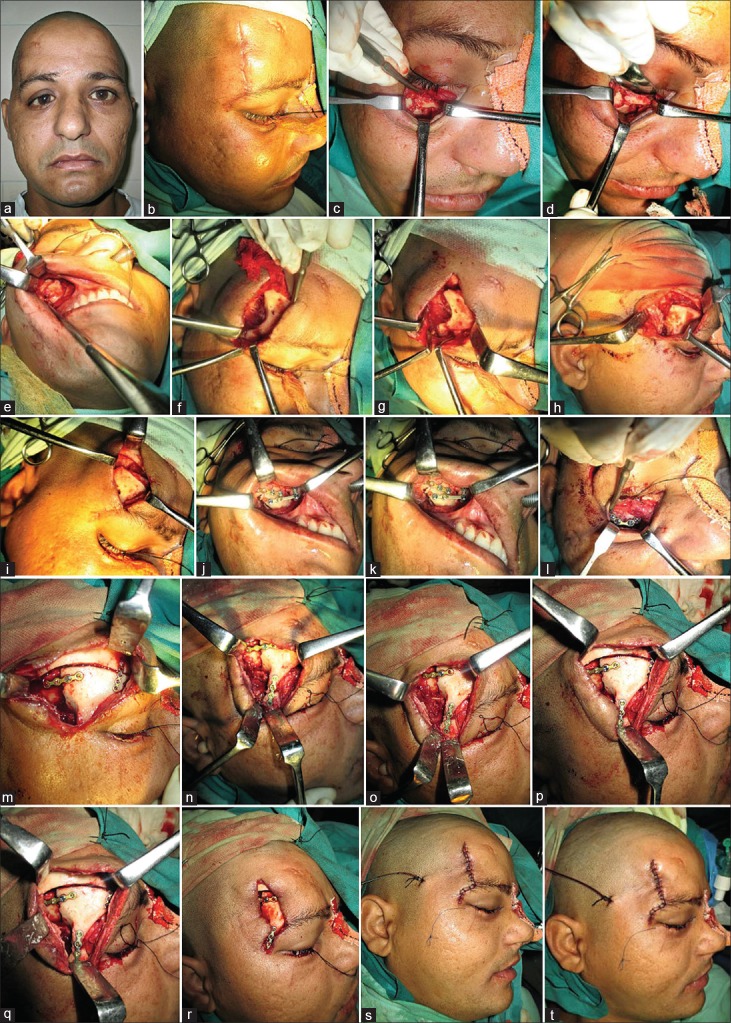
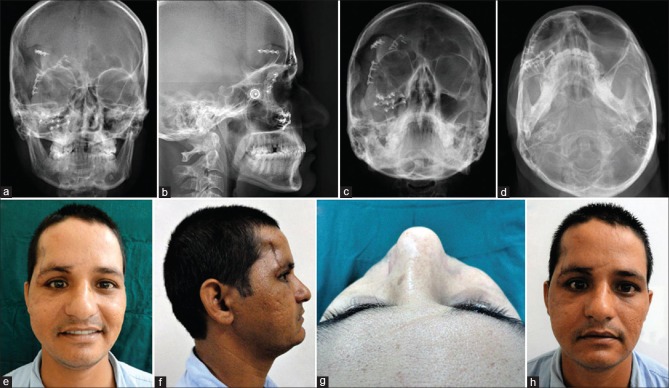
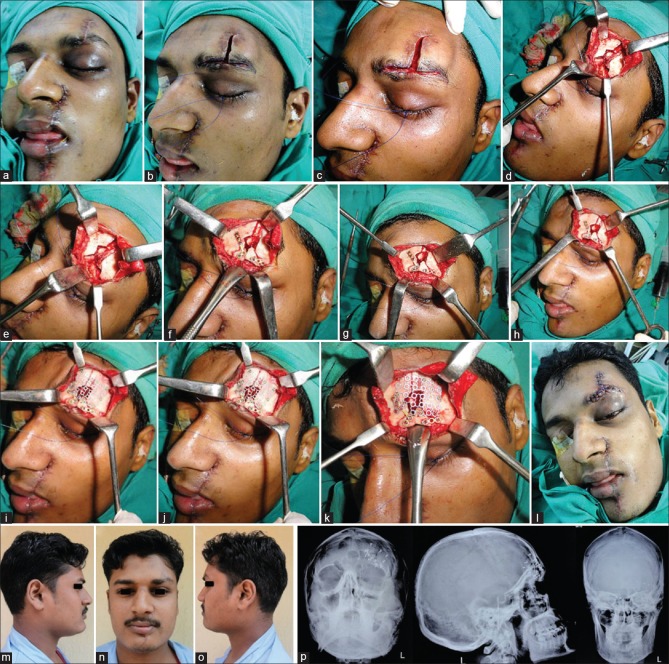
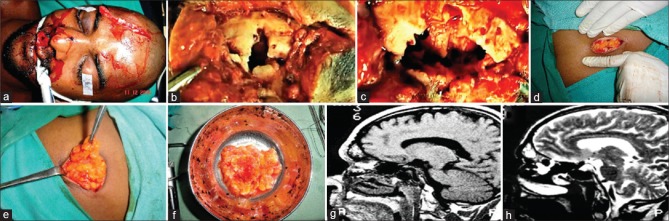
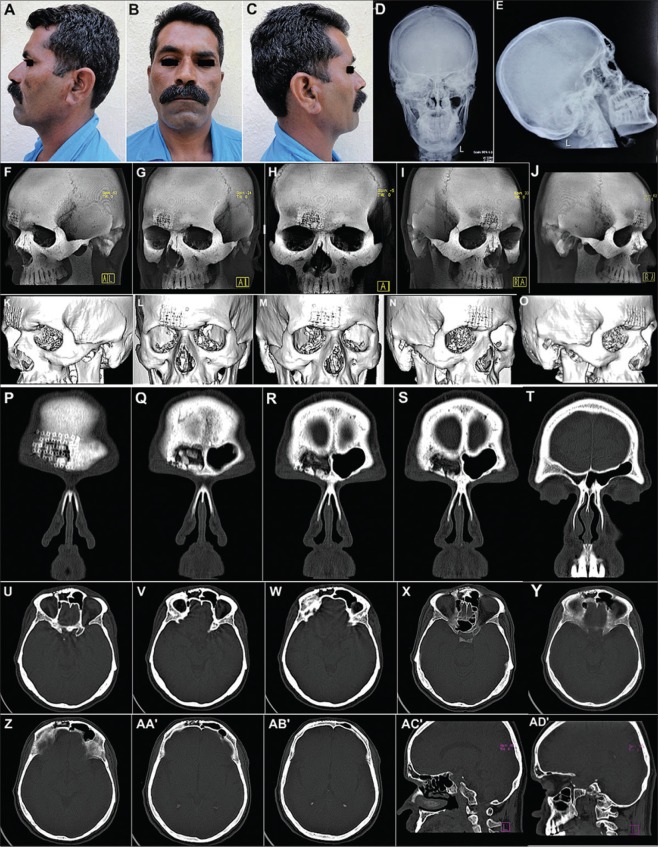
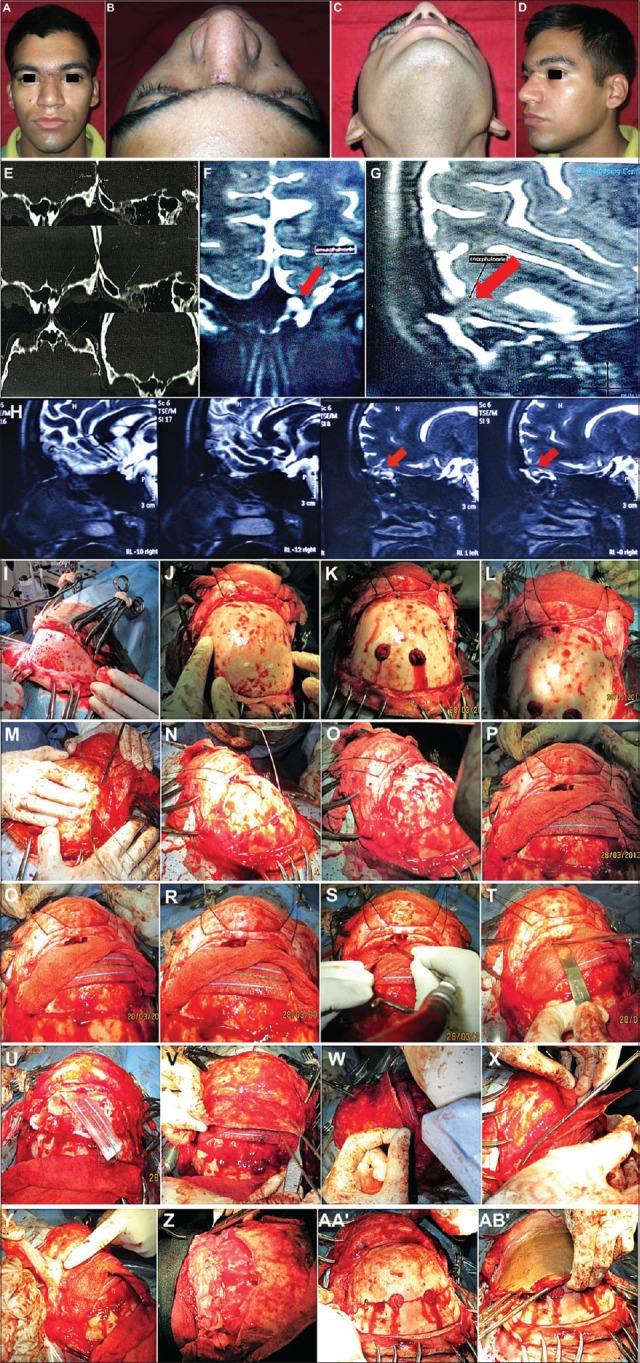
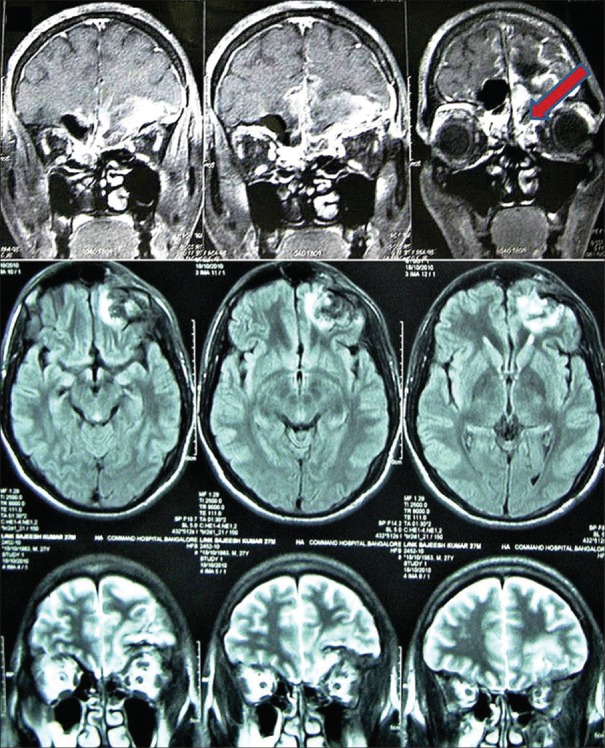
Contemporary and evolving management protocols and changing treatment paradigms of different types and severities of frontal bone fractures and frontal sinus injuries, have been presented in this case series. A useful Treatment Algorithm has been proposed to efficiently and effectively manage these injuries.
In the present case series, effective and satisfactory results could be achieved in cases of significantly displaced inner and outer table fractures of the Frontal sinus by a more conservative protocol comprising of open reduction and internal fixation carried out via the existing scar of injury, without having to resort to the more radical intracranial approach and sinus cranialization. Nevertheless, presence of complicating factors such as cerebrospinal fluid rhinorrhea, evidence of meningitis or the development of encephalomeningocoeles necessitated the standard protocol of sinus exploration and its cranialization or obliteration.
Management protocols of Frontal Sinus injuries vary, based on aspects such as the timing of presentation and intervention, degree of injury sustained, concomitant associated Craniomaxillofacial injuries present, presence of complicating factors or Secondary/Residual deformities & Functional debility, and need to be decided upon on a case to case basis.
及时、迅速且恰当地处理额骨骨折及相关的额窦(FS)损伤既至关重要又具有挑战性。治疗方案差异很大,取决于这些损伤的性质、范围和严重程度以及术者的技能、专业知识和经验。对于额窦后板骨折的病例,文献报道一般主张通过双额开颅术直接观察和探查鼻窦,随后进行鼻窦颅骨化。
回顾额骨骨折和额窦损伤的标准处理方案。评估一种更保守的方法在处理额窦内外板骨折中的疗效。
本病例系列展示了当代不断发展的处理方案以及不同类型和严重程度的额骨骨折和额窦损伤不断变化的治疗模式。提出了一种有用的治疗算法,以有效且高效地处理这些损伤。
在本病例系列中,对于额窦内外板明显移位骨折的病例,通过一种更保守的方案,即经现有损伤瘢痕进行切开复位内固定,可取得有效且满意的结果,而无需采用更激进的颅内入路和鼻窦颅骨化。然而,存在脑脊液鼻漏、脑膜炎证据或脑膨出等复杂因素时,需要采用鼻窦探查及其颅骨化或闭塞的标准方案。
额窦损伤的处理方案因就诊和干预时机、所受损伤程度、同时存在的颅颌面联合损伤、复杂因素或继发性/残余畸形及功能障碍等方面的不同而有所差异,需要根据具体病例来决定。