Gao Yuhua, Zhang Ranxi, Wei Guanghe, Dai Shanshan, Zhang Xue, Yang Wancai, Li Xiangchen, Bai Chunyu
Institute of Precision Medicine, School of Clinical Medicine, Jining Medical University, Jining, China.
Institute of Animal Sciences, Chinese Academy of Agricultural Sciences, Beijing, China.
Front Cell Dev Biol. 2019 Dec 23;7:342. doi: 10.3389/fcell.2019.00342. eCollection 2019.
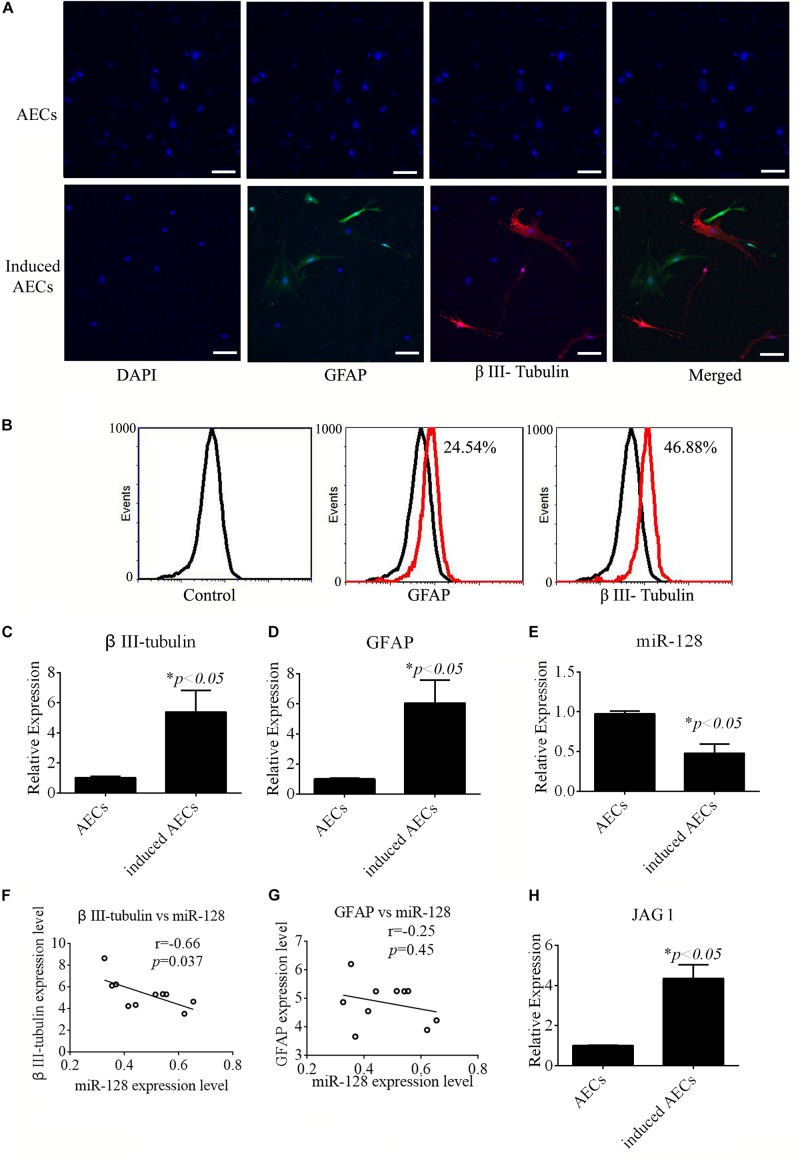
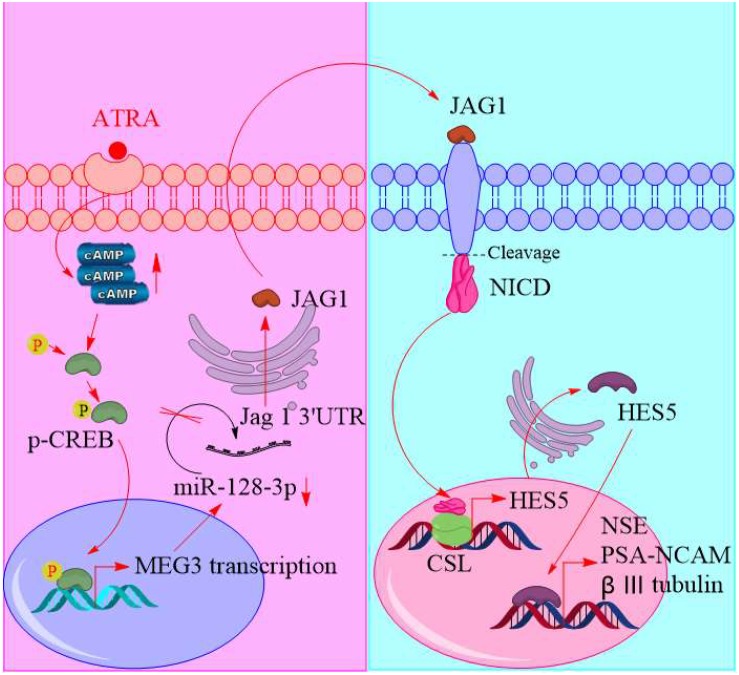
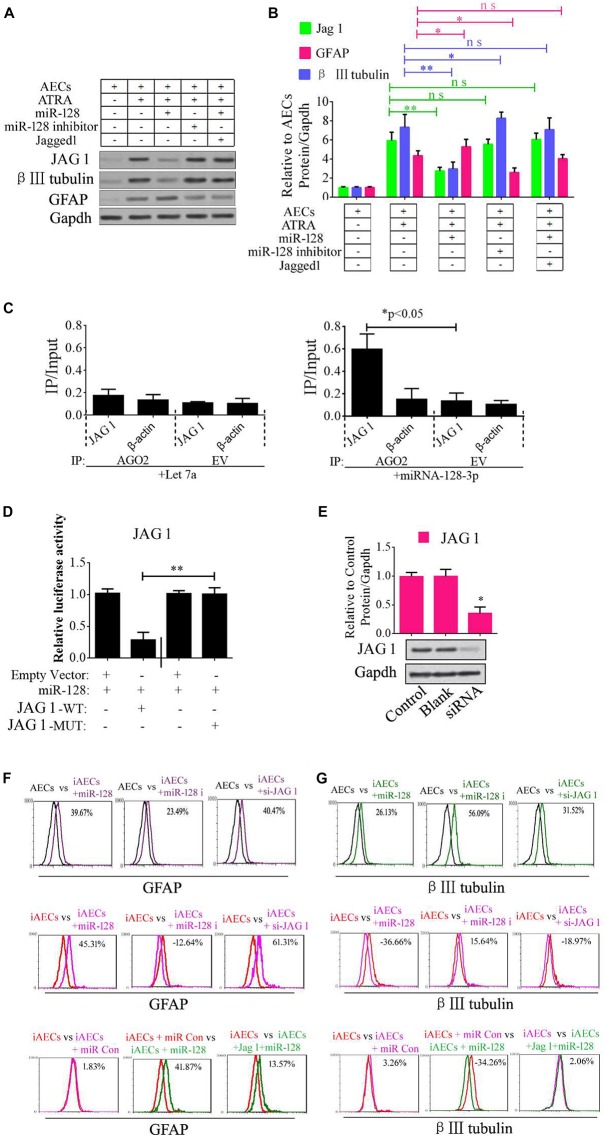
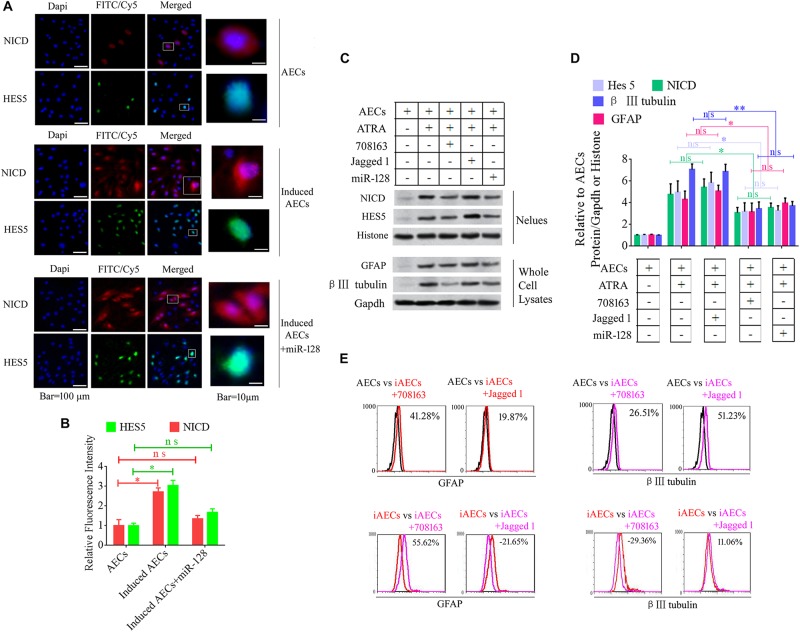
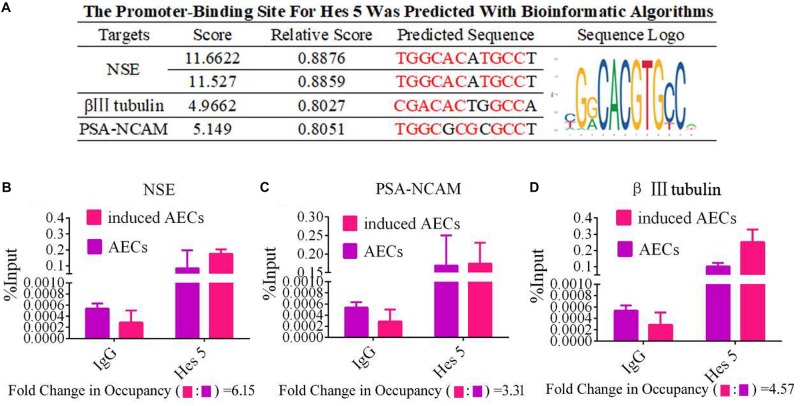
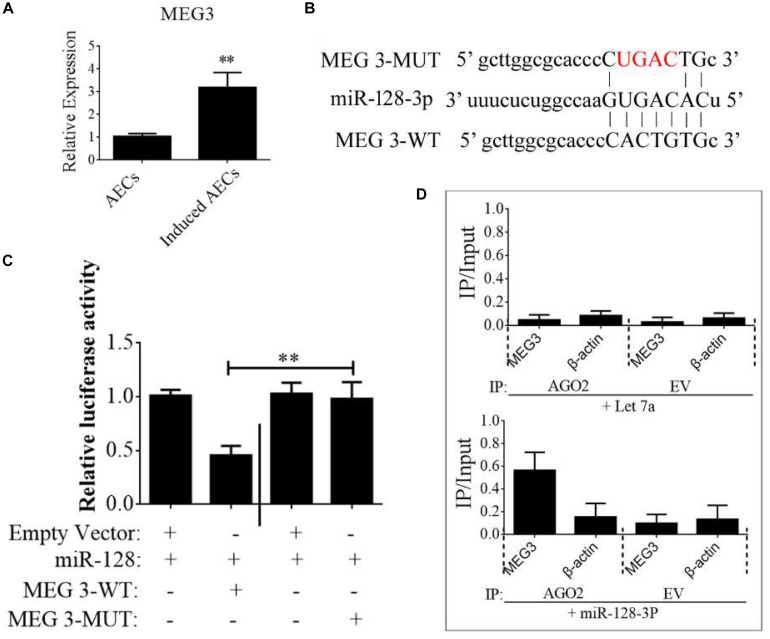
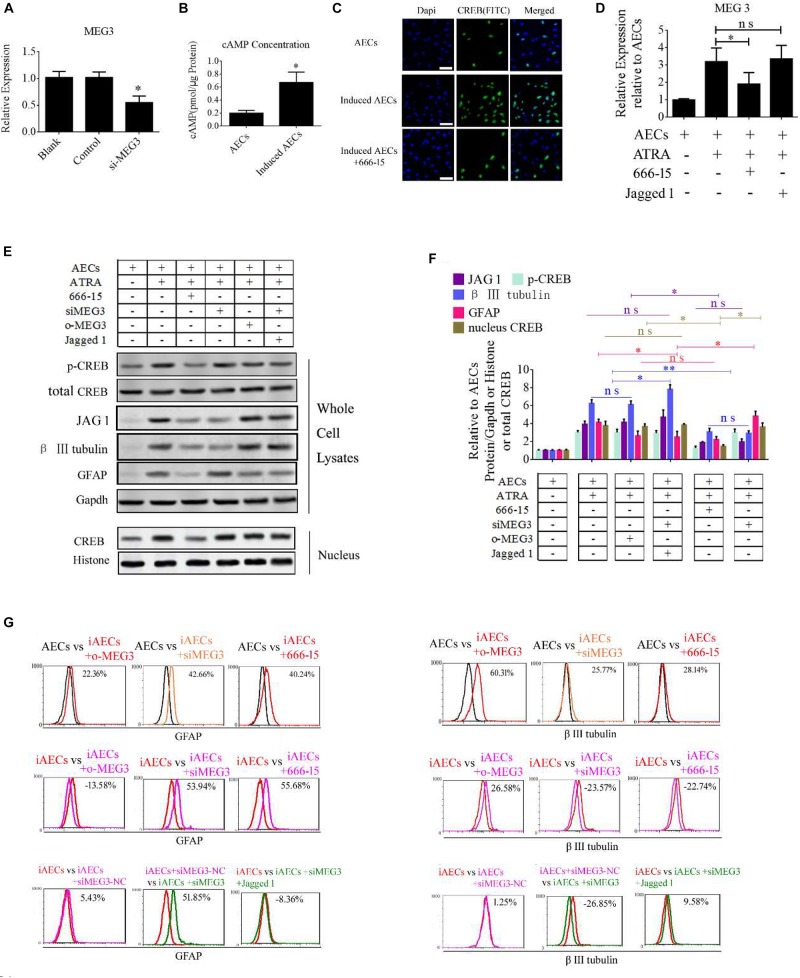
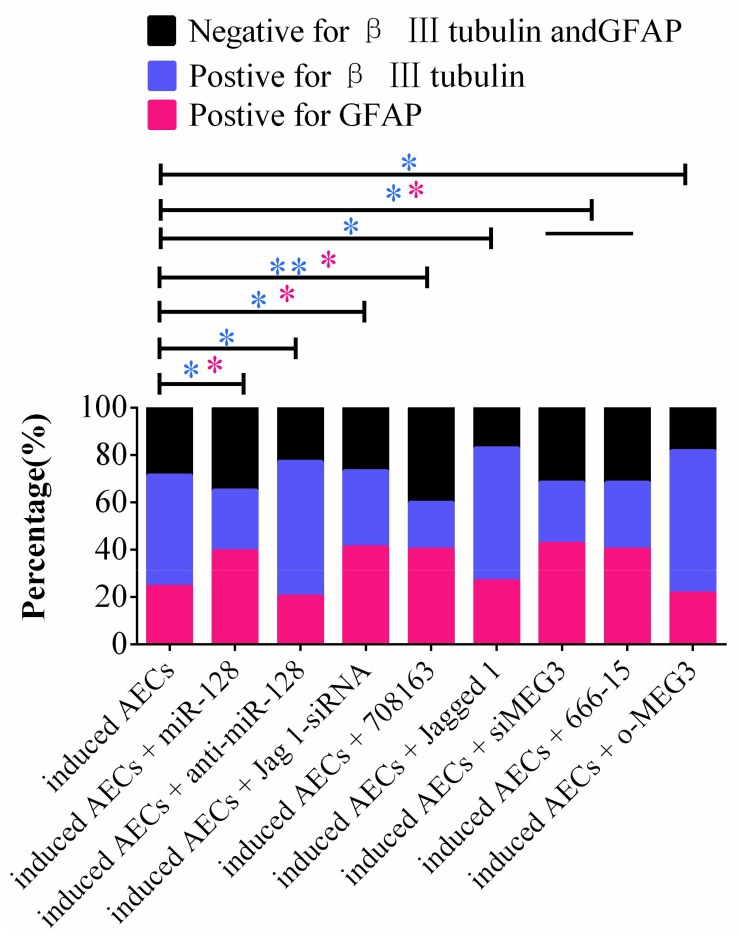
MicroRNA (miR)-128-3p is a brain-enriched miRNA that participates in the regulation of neural cell differentiation and the protection of neurons, but the mechanisms by which miR-128-3p regulates its target and downstream genes to influence cell fate from adult stem cells are poorly understood. In this study, we show down-regulation of miR-128-3p during all-trans retinoic acid (ATRA)-induced neurogenic differentiation from amniotic epithelial cells (AECs). We investigated miR-128-3p in both the Notch pathway and in the expression of neuron-specific genes predicted to be involved in miR-128-3p signaling to elucidate its role in the genetic regulation of downstream neurogenic differentiation. Our results demonstrate that miR-128-3p is a negative regulator for the transcription of the neuron-specific genes β III-tubulin, neuron-specific enolase (NSE), and polysialic acid-neural cell adhesion molecule (PSA-NCAM) via targeting Jagged 1 to inhibit activation of the Notch signaling pathway. We also used bioinformatics algorithms to screen for miR-128-3p interactions with long non-coding (lnc) RNA and circular RNA as competing endogenous RNAs to further elucidate underlying down-regulated molecular mechanisms. The lncRNA maternally expressed 3 is up-regulated by the ATRA/cAMP/CREB pathway, and it, in turn, is directly down-regulated by miR-128-3p to increase the amount of neuron differentiation. Endogenous miRNAs are, therefore, involved in neurogenic differentiation from AECs and should be considered during the development of effective cell transplant therapies for the treatment of neurodegenerative disease.
微小RNA(miR)-128-3p是一种在大脑中高度富集的微小RNA,参与神经细胞分化的调控和神经元的保护,但miR-128-3p调节其靶基因和下游基因以影响成体干细胞细胞命运的机制尚不清楚。在本研究中,我们发现全反式维甲酸(ATRA)诱导羊膜上皮细胞(AECs)发生神经源性分化过程中miR-128-3p表达下调。我们研究了miR-128-3p在Notch信号通路以及预测参与miR-128-3p信号传导的神经元特异性基因表达中的作用,以阐明其在下游神经源性分化基因调控中的作用。我们的结果表明,miR-128-3p通过靶向Jagged 1抑制Notch信号通路的激活,从而对神经元特异性基因β III-微管蛋白、神经元特异性烯醇化酶(NSE)和多唾液酸神经细胞粘附分子(PSA-NCAM)的转录起负调节作用。我们还使用生物信息学算法筛选miR-128-3p与长链非编码(lnc)RNA和环状RNA作为竞争性内源性RNA的相互作用,以进一步阐明潜在的下调分子机制。lncRNA母系表达基因3通过ATRA/cAMP/CREB途径上调,而它又直接被miR-128-3p下调,从而增加神经元分化的数量。因此,内源性微小RNA参与了AECs的神经源性分化,在开发用于治疗神经退行性疾病的有效细胞移植疗法时应予以考虑。