State Key Laboratory of Medicinal Chemical Biology, Nankai University, Tianjin, China.
Department of Chemistry, Yale University, New Haven, CT, USA.
Drug Deliv. 2019 Dec;26(1):551-565. doi: 10.1080/10717544.2019.1616235.
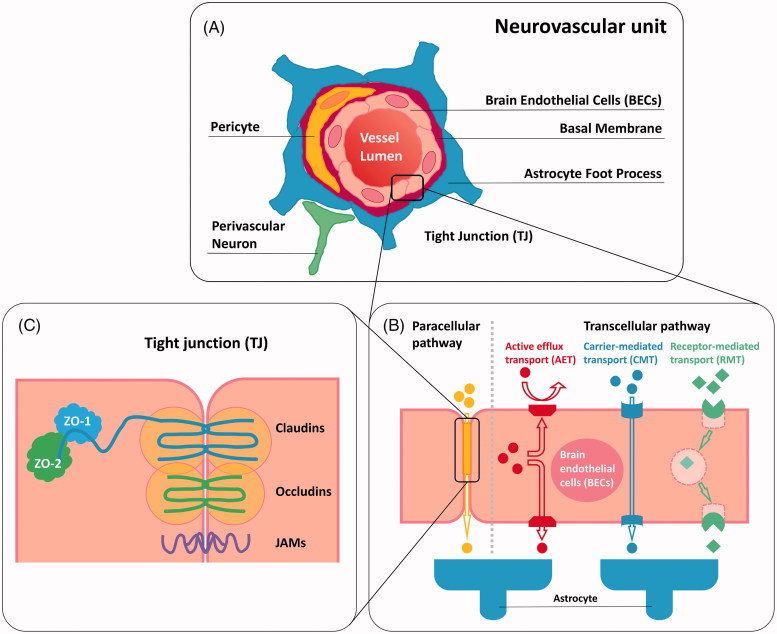
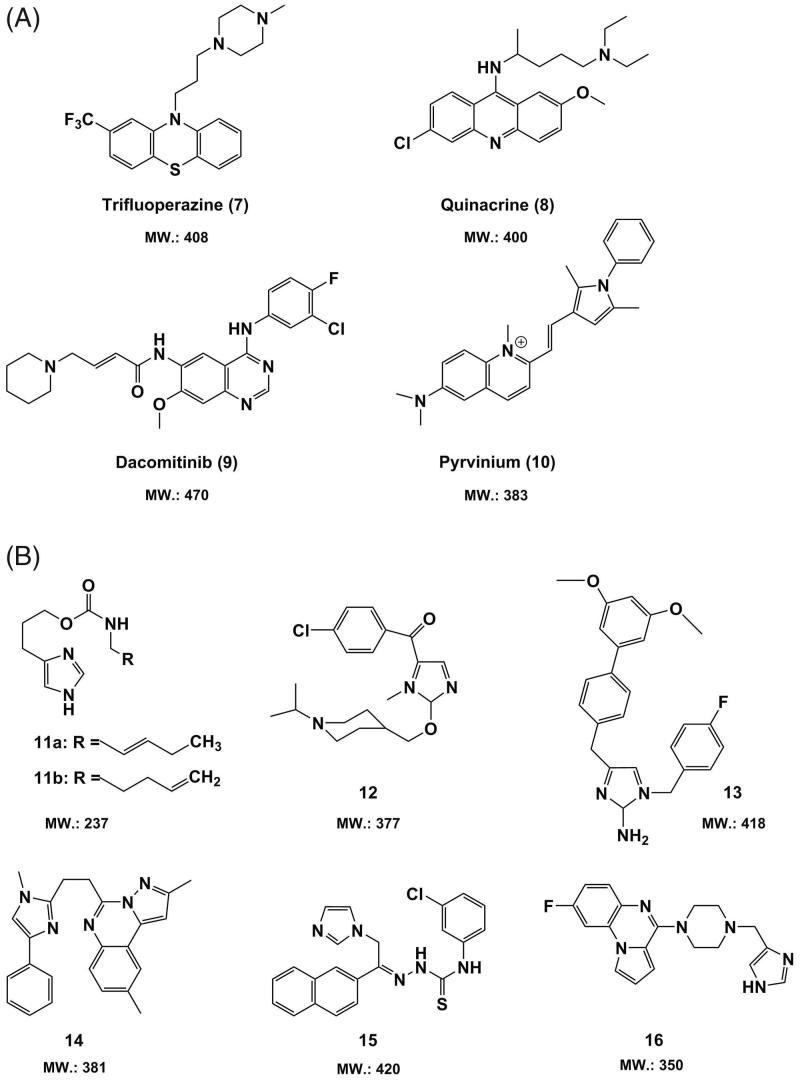
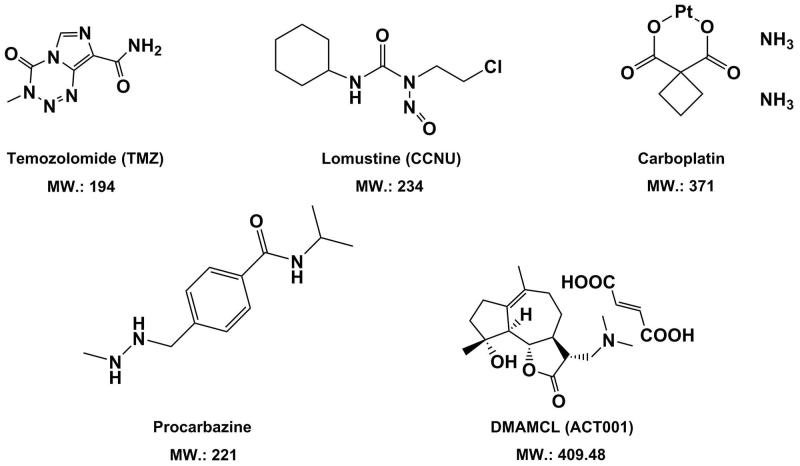
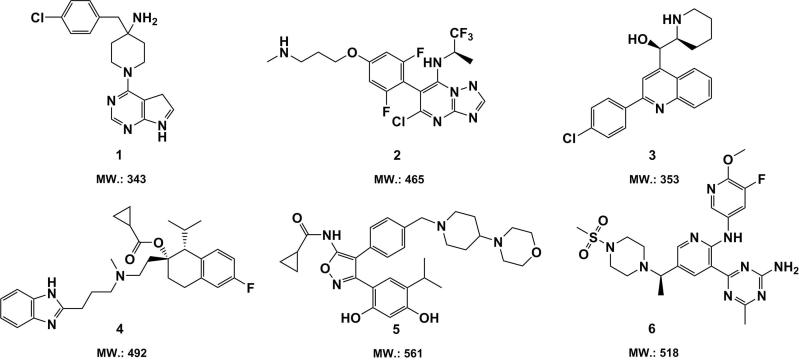
Glioblastoma (GBM) is the most common and lethal primary brain tumor which is highly resistant to conventional radiotherapy and chemotherapy, and cannot be effectively controlled by surgical resection. Due to inevitable recurrence of GBM, it remains essentially incurable with a median overall survival of less than 18 months after diagnosis. A great challenge in current therapies lies in the abrogated delivery of most of the chemotherapeutic agents to the tumor location in the presence of blood-brain barrier (BBB) and blood-brain tumor barrier (BBTB). These protective barriers serve as a selectively permeable hurdle reducing the efficacy of anti-tumor drugs in GBM therapy. This work systematically gives a comprehensive review on: (i) the characteristics of the BBB and the BBTB, (ii) the influence of BBB/BBTB on drug delivery and the screening strategy of small-molecule chemotherapeutic agents with promising BBB/BBTB-permeable potential, (iii) the strategies to overcome the BBB/BBTB as well as the techniques which can lead to transient BBB/BBTB opening or disruption allowing for improving BBB/BBTB-penetration of drugs. It is hoped that this review provide practical guidance for the future development of small BBB/BBTB-permeable agents against GBM as well as approaches enhancing drug delivery across the BBB/BBTB to GBM.
胶质母细胞瘤(GBM)是最常见和最致命的原发性脑肿瘤,对常规放疗和化疗具有高度抗性,手术切除也无法有效控制。由于 GBM 不可避免地复发,因此在诊断后,中位总生存期不到 18 个月,基本上无法治愈。目前治疗的一个巨大挑战在于,在血脑屏障(BBB)和血脑肿瘤屏障(BBTB)存在的情况下,大多数化疗药物无法有效递送到肿瘤部位。这些保护屏障作为一种选择性渗透障碍,降低了抗脑肿瘤药物在 GBM 治疗中的疗效。这项工作系统地综述了:(i)BBB 和 BBTB 的特征,(ii)BBB/BBTB 对药物递送的影响,以及具有潜在 BBB/BBTB 渗透性的小分子化疗药物的筛选策略,(iii)克服 BBB/BBTB 的策略以及可导致 BBB/BBTB 短暂开放或破坏的技术,从而提高药物对 BBB/BBTB 的渗透性。希望本综述为未来开发针对 GBM 的小 BBB/BBTB 渗透性药物以及增强药物递送至 GBM 的 BBB/BBTB 的方法提供实用指导。