Department of Experimental Medicine, University of Genova, Viale Benedetto XV, 3, 16132 Genoa, Italy.
Center for Synaptic Neuroscience and Technology, Istituto Italiano di Tecnologia, Largo Rosanna Benzi 10, 16132 Genoa, Italy.
Int J Mol Sci. 2020 Jan 12;21(2):482. doi: 10.3390/ijms21020482.
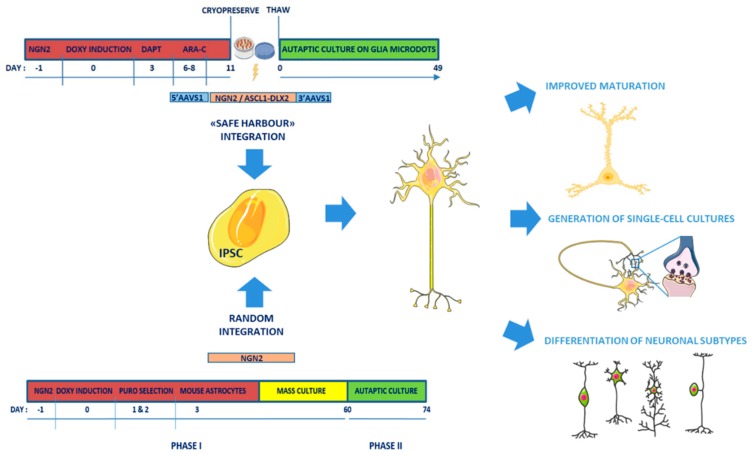
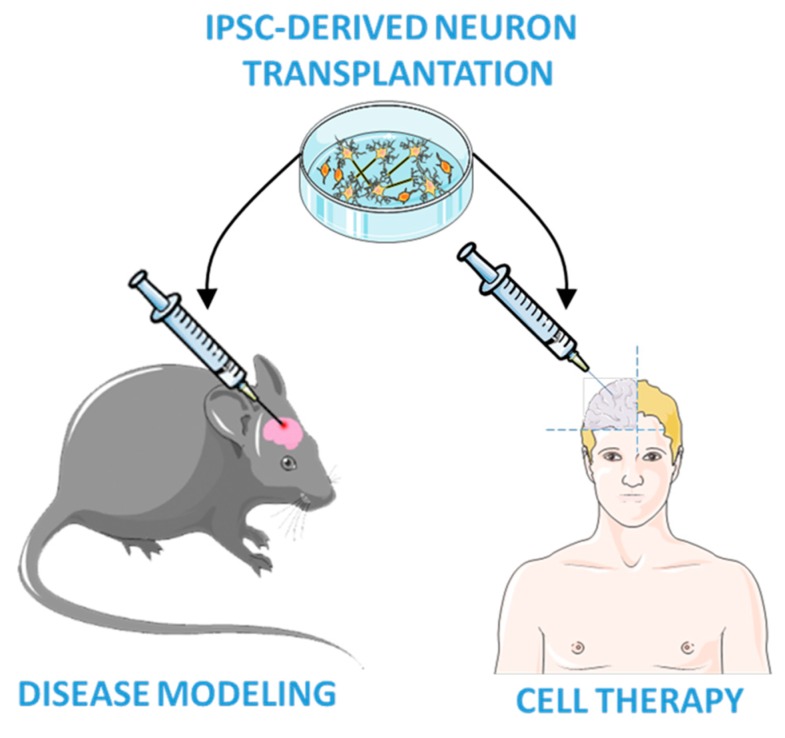
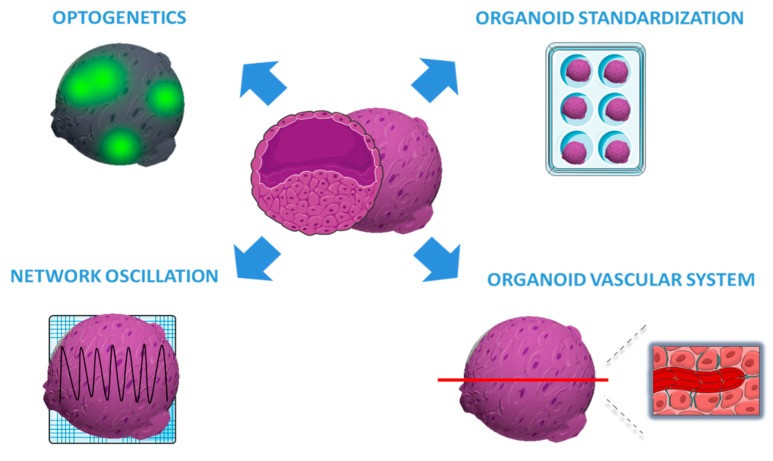
The study of the pathomechanisms by which gene mutations lead to neurological diseases has benefit from several cellular and animal models. Recently, induced Pluripotent Stem Cell (iPSC) technologies have made possible the access to human neurons to study nervous system disease-related mechanisms, and are at the forefront of the research into neurological diseases. In this review, we will focalize upon genetic epilepsy, and summarize the most recent studies in which iPSC-based technologies were used to gain insight on the molecular bases of epilepsies. Moreover, we discuss the latest advancements in epilepsy cell modeling. At the two dimensional (2D) level, single-cell models of iPSC-derived neurons lead to a mature neuronal phenotype, and now allow a reliable investigation of synaptic transmission and plasticity. In addition, functional characterization of cerebral organoids enlightens neuronal network dynamics in a three-dimensional (3D) structure. Finally, we discuss the use of iPSCs as the cutting-edge technology for cell therapy in epilepsy.
基因突变导致神经疾病的病理机制研究得益于几种细胞和动物模型。最近,诱导多能干细胞(iPSC)技术使得研究与神经系统疾病相关机制的人类神经元成为可能,并且处于神经疾病研究的前沿。在这篇综述中,我们将重点关注遗传性癫痫,并总结最近使用基于 iPSC 的技术来深入了解癫痫分子基础的研究。此外,我们还讨论了癫痫细胞建模的最新进展。在二维(2D)水平上,源自 iPSC 的神经元的单细胞模型可诱导出成熟的神经元表型,现在可以可靠地研究突触传递和可塑性。此外,类器官的功能特征阐明了三维(3D)结构中的神经元网络动力学。最后,我们讨论了使用 iPSC 作为癫痫细胞治疗的前沿技术。