Department of Electronic Engineering, College of Information Science and Technology, Jinan University, Guangzhou, China.
Biological Physics Group, School of Physics & Astronomy, The University of Manchester, Manchester, United Kingdom.
Sci Rep. 2020 Jan 15;10(1):305. doi: 10.1038/s41598-019-57246-5.
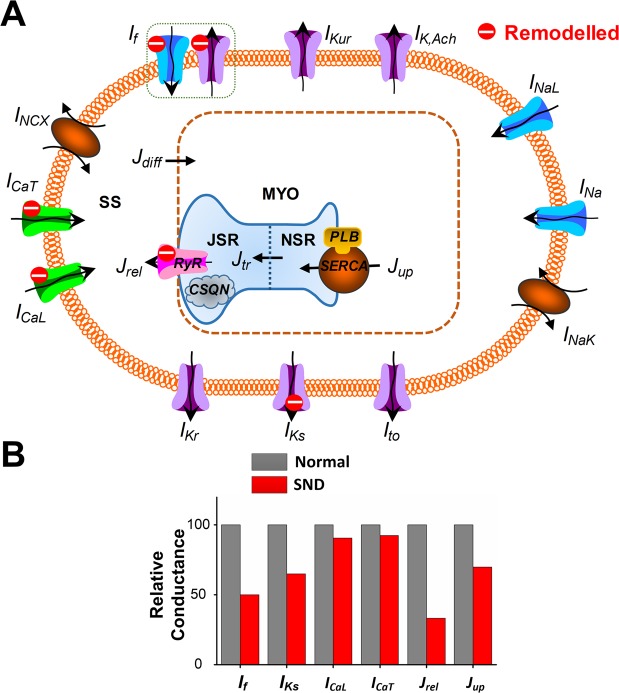
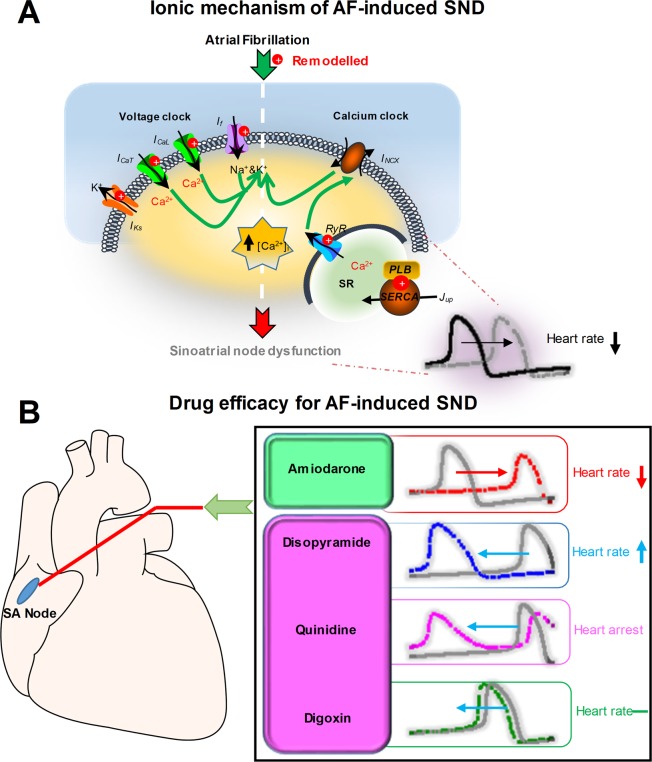
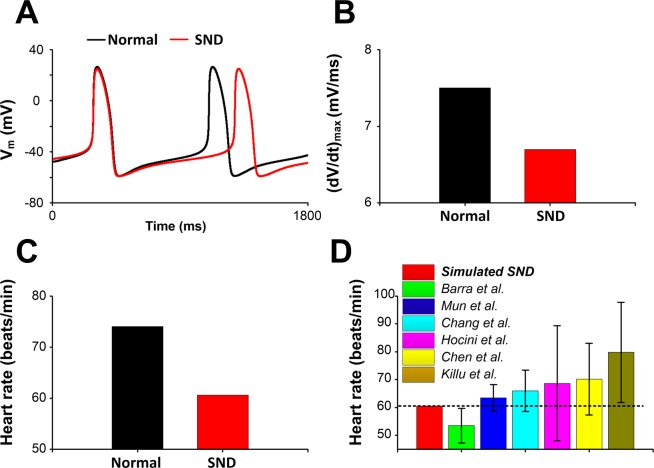
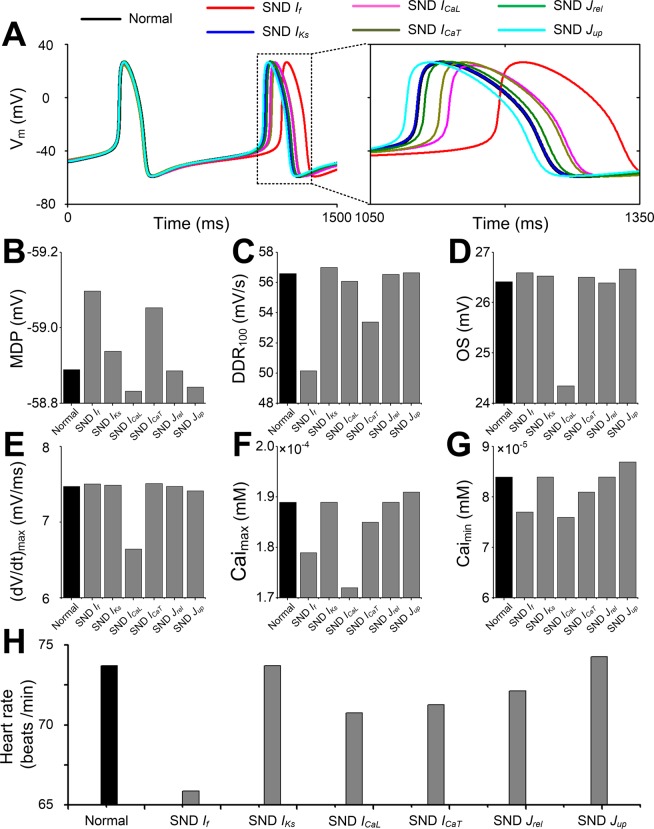
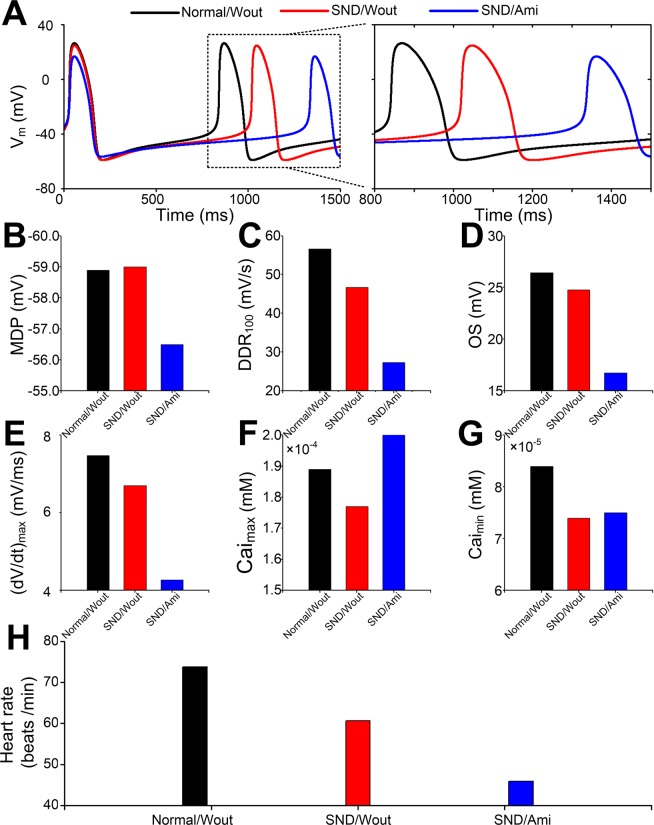
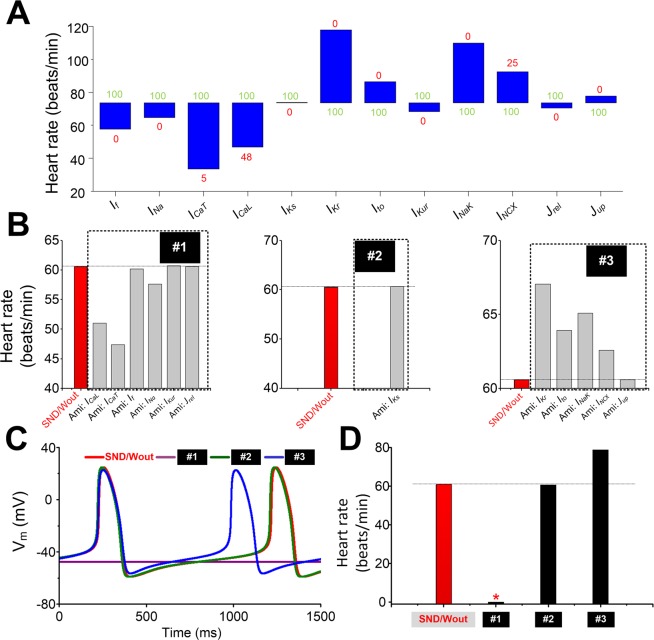
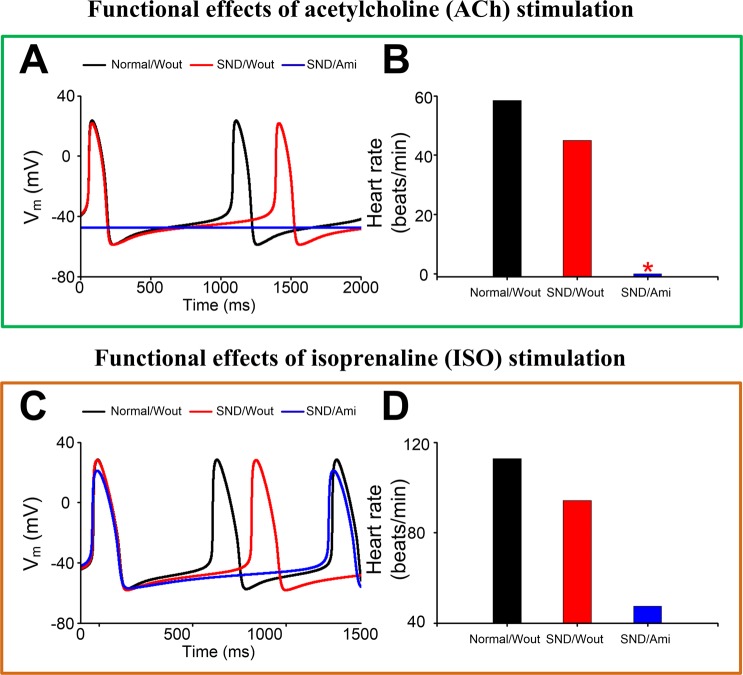
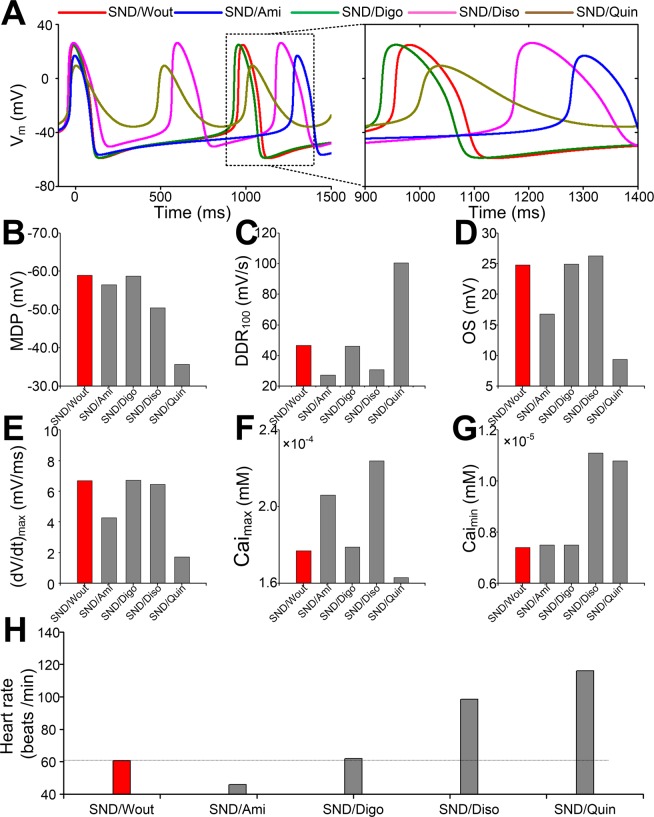
Sinus node dysfunction (SND) is often associated with atrial fibrillation (AF). Amiodarone is the most frequently used agent for maintaining sinus rhythm in patients with AF, but it impairs the sinoatrial node (SAN) function in one-third of AF patients. This study aims to gain mechanistic insights into the effects of the antiarrhythmic agents in the setting of AF-induced SND. We have adapted a human SAN model to characterize the SND conditions by incorporating experimental data on AF-induced electrical remodelling, and then integrated actions of drugs into the modified model to assess their efficacy. Reductions in pacing rate upon the implementation of AF-induced electrical remodelling associated with SND agreed with the clinical observations. And the simulated results showed the reduced funny current (I) in these remodelled targets mainly contributed to the heart rate reduction. Computational drug treatment simulations predicted a further reduction in heart rate during amiodarone administration, indicating that the reduction was the result of actions of amiodarone on I, I, I, I, I and beta-adrenergic receptors. However, the heart rate was increased in the presence of disopyramide. We concluded that disopyramide may be a desirable choice in reversing the AF-induced SND phenotype.
窦房结功能障碍 (SND) 常与心房颤动 (AF) 相关。胺碘酮是 AF 患者维持窦性心律最常用的药物,但它会使三分之一的 AF 患者的窦房结 (SAN) 功能受损。本研究旨在深入了解在 AF 诱导的 SND 情况下抗心律失常药物的作用机制。我们通过纳入关于 AF 诱导的电重构的实验数据,调整了人类 SAN 模型以对 SND 条件进行特征描述,然后将药物的作用整合到改良模型中以评估其疗效。与临床观察一致,实施 AF 诱导的电重构后,起搏率的降低与 SND 相关。模拟结果表明,这些重构靶点中 funny 电流 (I) 的减少主要导致心率降低。计算药物治疗模拟预测在胺碘酮给药期间心率进一步降低,表明降低是胺碘酮对 I、I、I、I、I 和β-肾上腺素能受体作用的结果。然而,在存在双异丙吡胺的情况下,心率增加。我们得出结论,双异丙吡胺可能是逆转 AF 诱导的 SND 表型的理想选择。