Sanes José, Sánchez Cristian, Pamies Ramón, Avilés María-Dolores, Bermúdez María-Dolores
Grupo de Ciencia de Materiales e Ingeniería Metalúrgica, Campus de la Muralla del Mar, Universidad Politécnica de Cartagena, 30202 Cartagena, Spain.
Materials (Basel). 2020 Jan 23;13(3):549. doi: 10.3390/ma13030549.
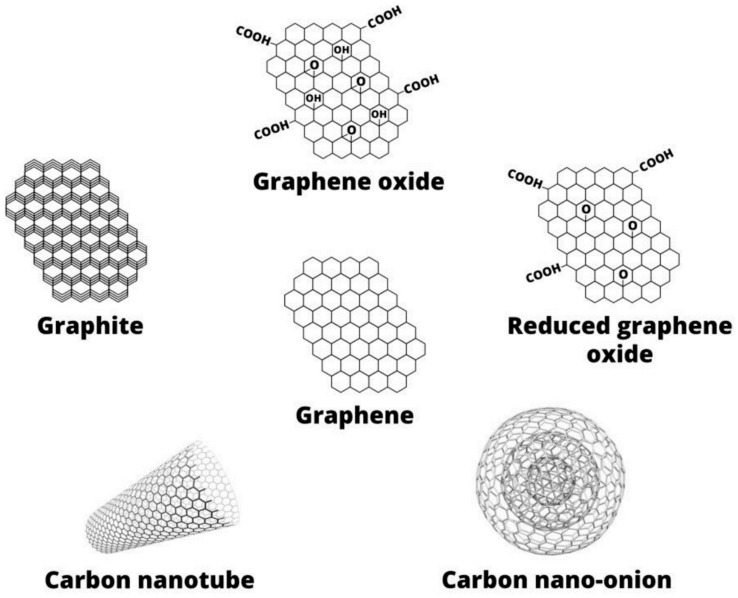
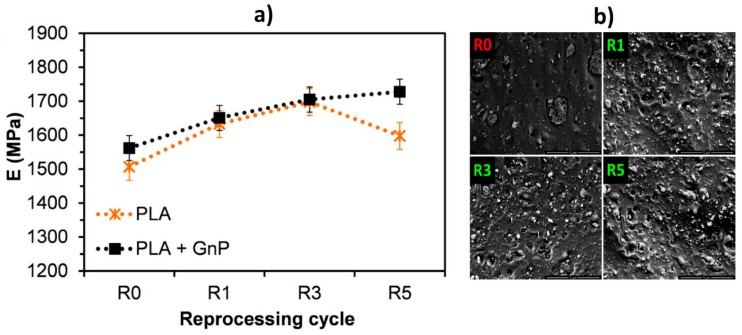
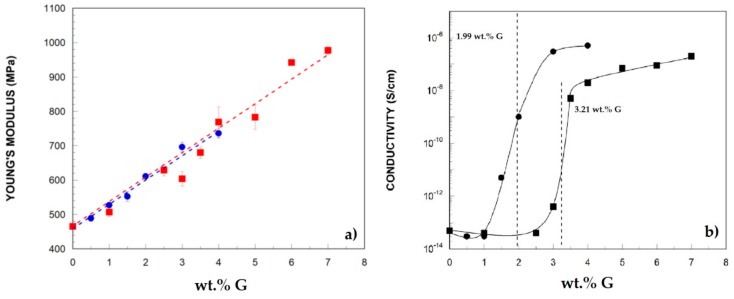
This review is focused on the recent developments of nanocomposite materials that combine a thermoplastic matrix with different forms of graphene or graphene oxide nanofillers. In all cases, the manufacturing method of the composite materials has been melt-processing, in particular, twin-screw extrusion, which can then be followed by injection molding. The advantages of this processing route with respect to other alternative methods will be highlighted. The results point to an increasing interest in biodegradable matrices such as polylactic acid (PLA) and graphene oxide or reduced graphene oxide, rather than graphene. The reasons for this will also be discussed.
本综述聚焦于将热塑性基体与不同形式的石墨烯或氧化石墨烯纳米填料相结合的纳米复合材料的最新进展。在所有情况下,复合材料的制造方法均为熔融加工,特别是双螺杆挤出,随后可进行注塑成型。将突出这种加工路线相对于其他替代方法的优势。结果表明,人们对聚乳酸(PLA)等可生物降解基体以及氧化石墨烯或还原氧化石墨烯而非石墨烯的兴趣与日俱增。还将讨论其背后的原因。