Shanghai OB/GYN Hospital, Fudan University, Shanghai, 200011, China.
Shanghai Key Laboratory of Female Reproductive Endocrine-Related Diseases, Fudan University, Shanghai, 200011, China.
Sci Rep. 2020 Jan 28;10(1):1281. doi: 10.1038/s41598-020-57997-6.
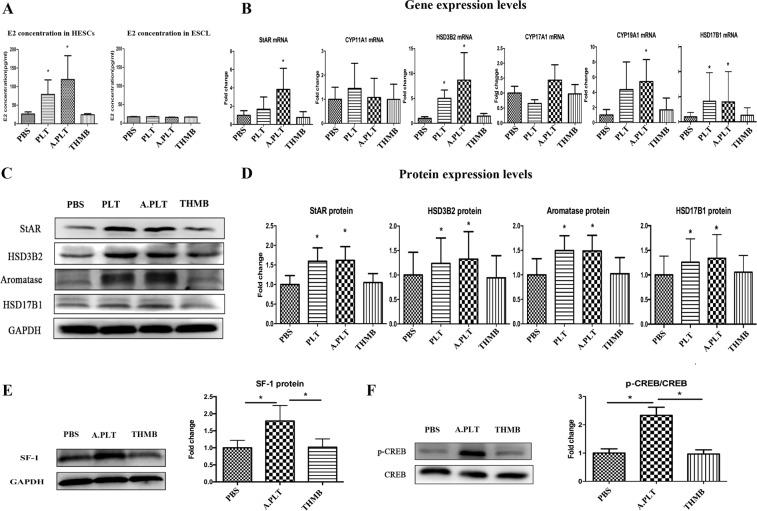
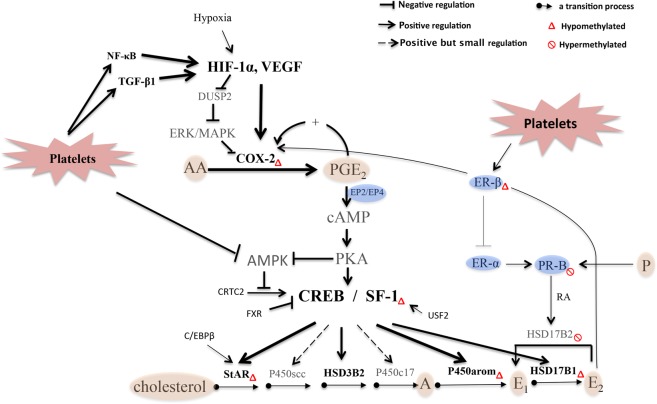
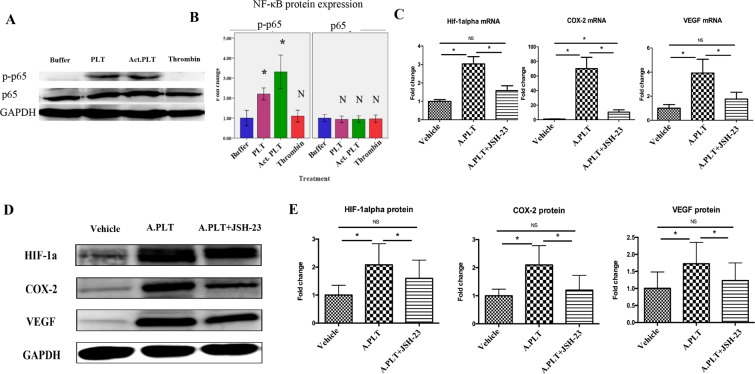
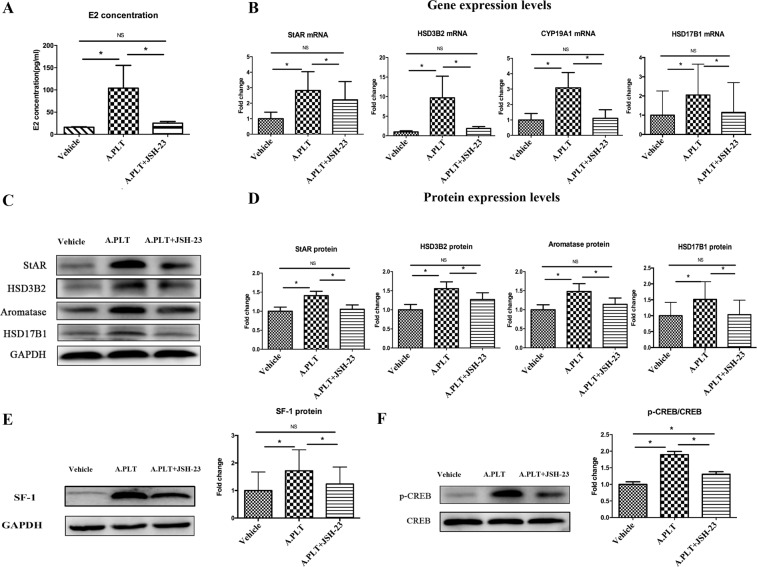
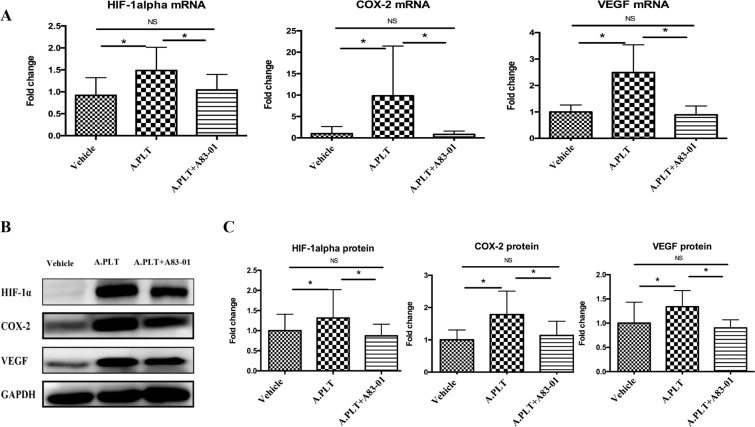
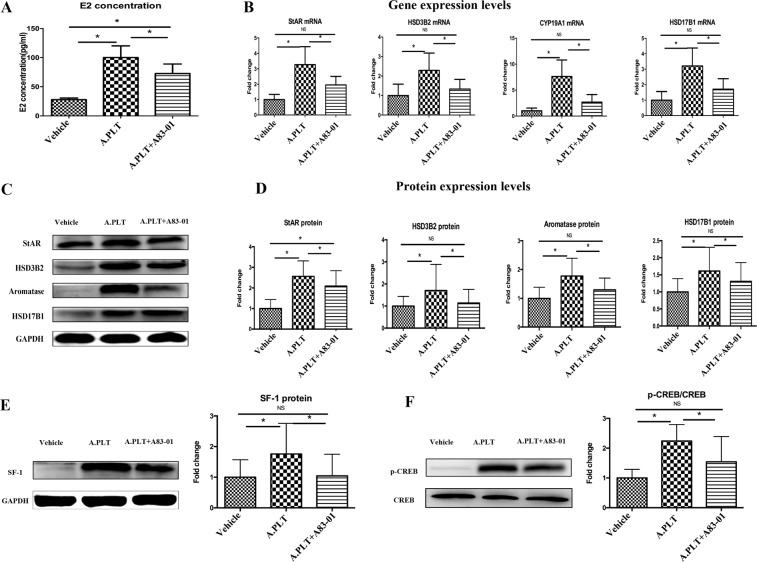
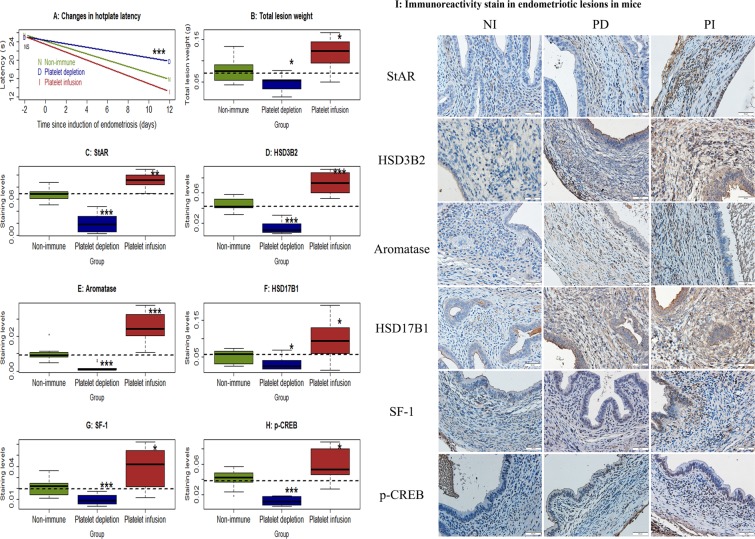
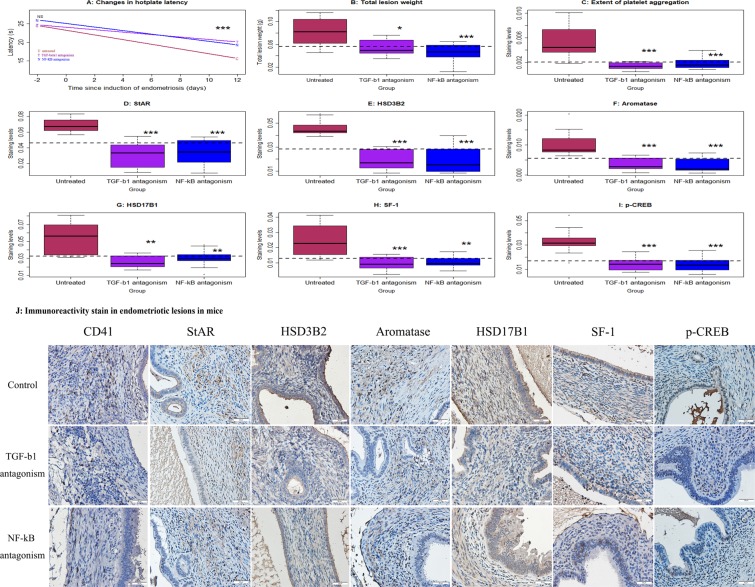
Endometriosis is estrogen-dependent disorder. Two theories provide the explanations for the increased estrogen production. One is the feed-forward loop model linking inflammation and estrogen production. The more recent model evokes the tissue hypoxia resulting from endometrial debris detached and then regurgitated to the peritoneal cavity. Both models tacitly assume that everything occurs within the endometriotic stromal cells, seemingly without the need for exogenous factors. This study was undertaken to investigate as whether platelets may be responsible for local estrogen overproduction. We employed in vitro experimentation that evaluated the 17β-estradiol (E) levels in endometriotic stromal cells treated with activated platelets, and the genes and protein expression levels of StAR, HSD3B2, aromatase, and HSD17B1, as well as their upstream genes/proteins such as NF-κB, TGF-β1, HIF-1α, SF-1 and phosphorylated CREB. In addition, we conducted 2 animal experimentations using platelet depletion/infusion and also neutralization of NF-κB and TGF-β1, followed by immunohistochemistry analysis of involved in StAR, HSD3B2, aromatase, and HSD17B1, as well as SF-1 and p-CREB. We found that treatment of endometriotic stromal cells by activated platelets increase the E production by 4.5 fold, and concomitant with increased gene and protein expression of StAR, HSD3B2, aromatase, and HSD17B1, the four genes/enzymes important to estrogen synthesis, along with their upstream genes HIF-1α, SF-1 and phosphorylated CREB. Moreover, platelets activate these genes through the activation of NF-κB and/or TGF-β1, and antagonism of either signaling pathway can abolish the induction of the 4 genes and thus increased estrogen production. The two animal experimentations confirmed these changes. Thus, platelets increase the E production in endometriotic stromal cells through upregulation of StAR, HSD3B2, aromatase, and HSD17B1 via the activation of NF-κB and/or TGF-β1. These findings provide a yet another compelling piece of evidence that endometriotic lesions are indeed wounds undergoing repeated tissue injury and repair. They strongly indicate that non-hormonal therapeutics for endometriosis is theoretically viable, with anti-platelet therapy being one promising avenue.
子宫内膜异位症是一种雌激素依赖性疾病。有两种理论解释了雌激素产生增加的原因。一种是炎症和雌激素产生之间的前馈环模型。最近的模型则唤起了子宫内膜碎片脱落并回流到腹腔时导致的组织缺氧。这两种模型都默认一切都发生在子宫内膜间质细胞内,似乎不需要外源性因素。本研究旨在探讨血小板是否可能导致局部雌激素过度产生。我们进行了体外实验,评估了用激活的血小板处理的子宫内膜间质细胞中的 17β-雌二醇(E)水平,以及 StAR、HSD3B2、芳香酶和 HSD17B1 的基因和蛋白表达水平,以及它们的上游基因/蛋白,如 NF-κB、TGF-β1、HIF-1α、SF-1 和磷酸化 CREB。此外,我们进行了两项动物实验,使用血小板耗竭/输注以及 NF-κB 和 TGF-β1 的中和,然后对涉及 StAR、HSD3B2、芳香酶和 HSD17B1 以及 SF-1 和 p-CREB 的蛋白进行免疫组织化学分析。我们发现,激活的血小板处理子宫内膜间质细胞可使 E 的产生增加 4.5 倍,同时伴随着 StAR、HSD3B2、芳香酶和 HSD17B1 的基因和蛋白表达增加,这四个基因/酶对雌激素合成很重要,以及它们的上游基因 HIF-1α、SF-1 和磷酸化 CREB。此外,血小板通过激活 NF-κB 和/或 TGF-β1 来激活这些基因,拮抗任何一种信号通路都可以消除这 4 个基因的诱导,从而增加雌激素的产生。两项动物实验证实了这些变化。因此,血小板通过激活 NF-κB 和/或 TGF-β1 上调 StAR、HSD3B2、芳香酶和 HSD17B1,从而增加子宫内膜间质细胞中的 E 产生。这些发现提供了另一个令人信服的证据,即子宫内膜异位症病变确实是反复组织损伤和修复的伤口。它们强烈表明,针对子宫内膜异位症的非激素治疗在理论上是可行的,抗血小板治疗是一种很有前途的途径。