Sanderson Joseph P, Crowley Darragh J, Wiedermann Guy E, Quinn Laura L, Crossland Katherine L, Tunbridge Helen M, Cornforth Terri V, Barnes Christopher S, Ahmed Tina, Howe Karen, Saini Manoj, Abbott Rachel J, Anderson Victoria E, Tavano Barbara, Maroto Miguel, Gerry Andrew B
Preclinical Research, Adaptimmune, Abingdon, UK.
Translational Sciences, Adaptimmune, Abingdon, UK.
Oncoimmunology. 2019 Nov 24;9(1):1682381. doi: 10.1080/2162402X.2019.1682381. eCollection 2020.
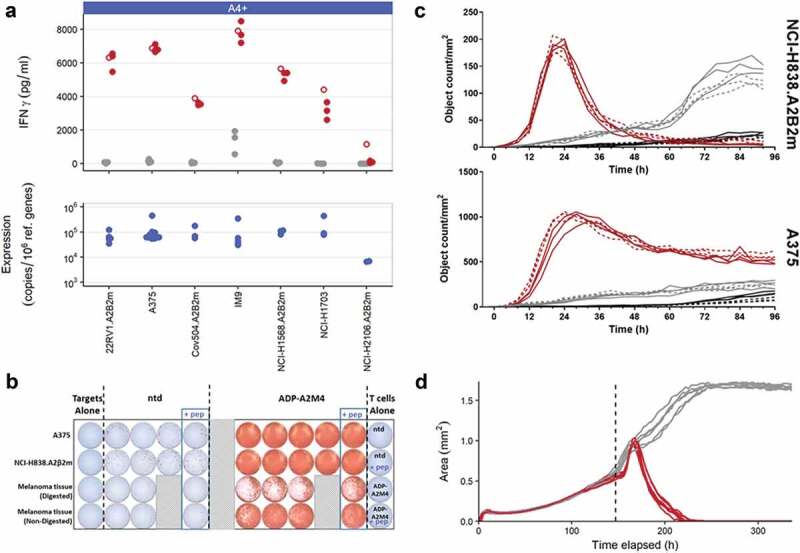
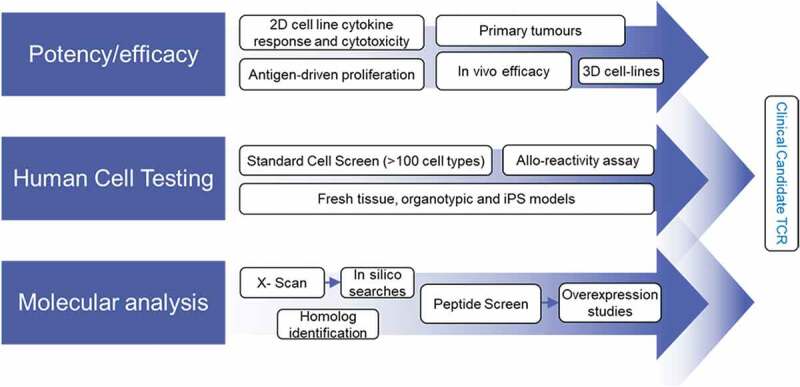
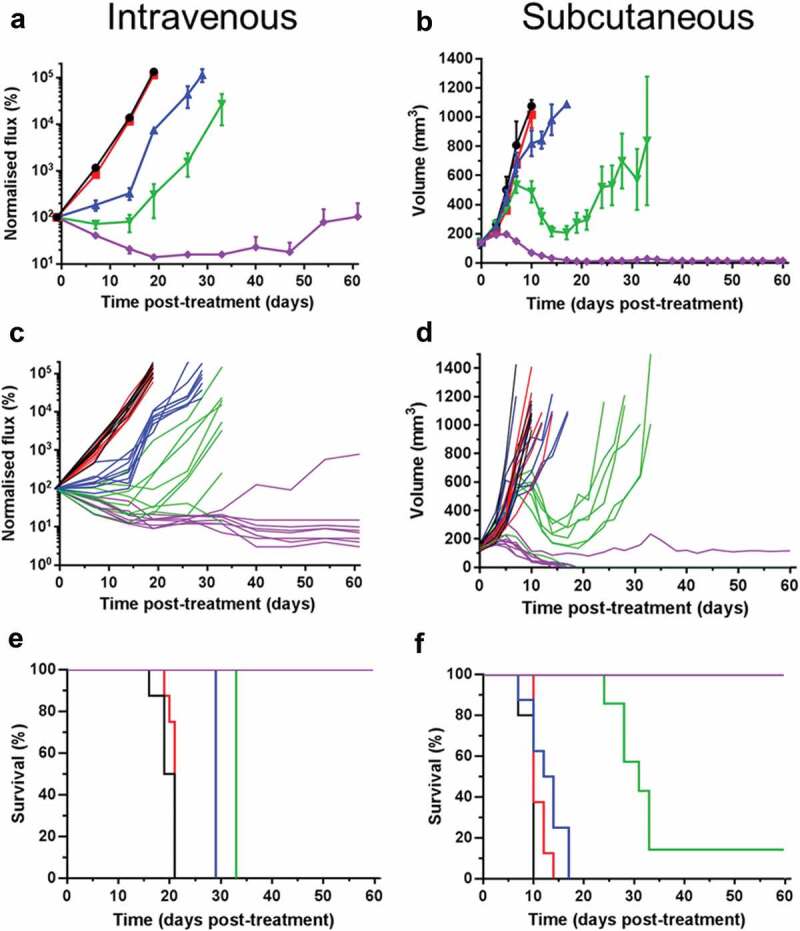
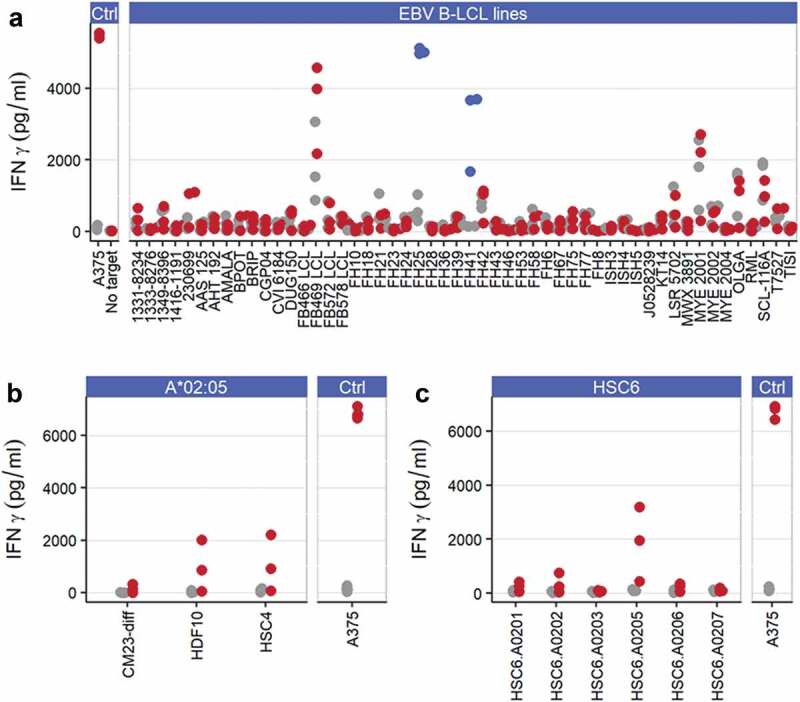
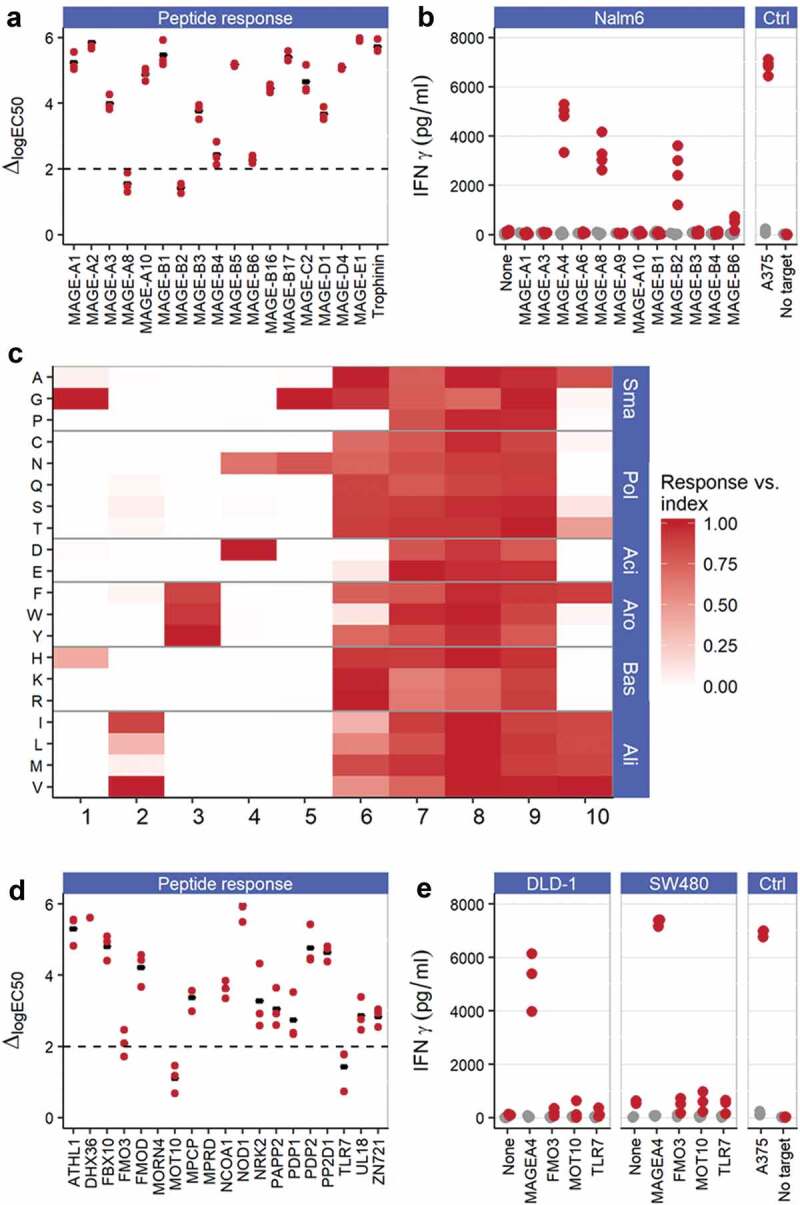
A substantial obstacle to the success of adoptive T cell-based cancer immunotherapy is the sub-optimal affinity of T-cell receptors (TCRs) for most tumor antigens. Genetically engineered TCRs that have enhanced affinity for specific tumor peptide-MHC complexes may overcome this barrier. However, this enhancement risks increasing weak TCR cross-reactivity to other antigens expressed by normal tissues, potentially leading to clinical toxicities. To reduce the risk of such adverse clinical outcomes, we have developed an extensive preclinical testing strategy, involving potency testing using 2D and 3D human cell cultures and primary tumor material, and safety testing using human primary cell and cell-line cross-reactivity screening and molecular analysis to predict peptides recognized by the affinity-enhanced TCR. Here, we describe this strategy using a developmental T-cell therapy, ADP-A2M4, which recognizes the HLA-A2-restricted MAGE-A4 peptide GVYDGREHTV. ADP-A2M4 demonstrated potent anti-tumor activity in the absence of major off-target cross-reactivity against a range of human primary cells and cell lines. Identification and characterization of peptides recognized by the affinity-enhanced TCR also revealed no cross-reactivity. These studies demonstrated that this TCR is highly potent and without major safety concerns, and as a result, this TCR is now being investigated in two clinical trials (NCT03132922, NCT04044768).
基于过继性T细胞的癌症免疫疗法取得成功的一个重大障碍是T细胞受体(TCR)对大多数肿瘤抗原的亲和力欠佳。对特定肿瘤肽 - MHC复合物具有增强亲和力的基因工程TCR可能会克服这一障碍。然而,这种增强存在增加TCR与正常组织表达的其他抗原发生弱交叉反应的风险,这可能会导致临床毒性。为降低此类不良临床结果的风险,我们开发了一种广泛的临床前测试策略,包括使用二维和三维人类细胞培养物及原发性肿瘤材料进行效力测试,以及使用人类原代细胞和细胞系交叉反应筛选及分子分析来预测亲和力增强的TCR识别的肽段,以进行安全性测试。在此,我们使用一种开发中的T细胞疗法ADP - A2M4来描述这一策略,该疗法识别HLA - A2限制性MAGE - A4肽GVYDGREHTV。ADP - A2M4在对一系列人类原代细胞和细胞系不存在主要脱靶交叉反应的情况下表现出强大的抗肿瘤活性。对亲和力增强的TCR识别的肽段进行鉴定和表征也未发现交叉反应。这些研究表明,这种TCR效力很高且不存在重大安全问题,因此,这种TCR目前正在两项临床试验(NCT03132922,NCT04044768)中进行研究。