Department of Anesthesiology, Chang Gung Memorial Hospital, Kweishan, Taoyuan, Taiwan.
School of Medicine, College of Medicine, Chang Gung University, Kweishan, Taoyuan, Taiwan.
J Nanobiotechnology. 2020 Jan 31;18(1):25. doi: 10.1186/s12951-020-0583-y.
Oleic acid (OA) is reported to show anti-inflammatory activity toward activated neutrophils. It is also an important material in nanoparticles for increased stability and cellular internalization. We aimed to evaluate the anti-inflammatory activity of injectable OA-based nanoparticles for treating lung injury. Different sizes of nanocarriers were prepared to explore the effect of nanoparticulate size on inflammation inhibition.
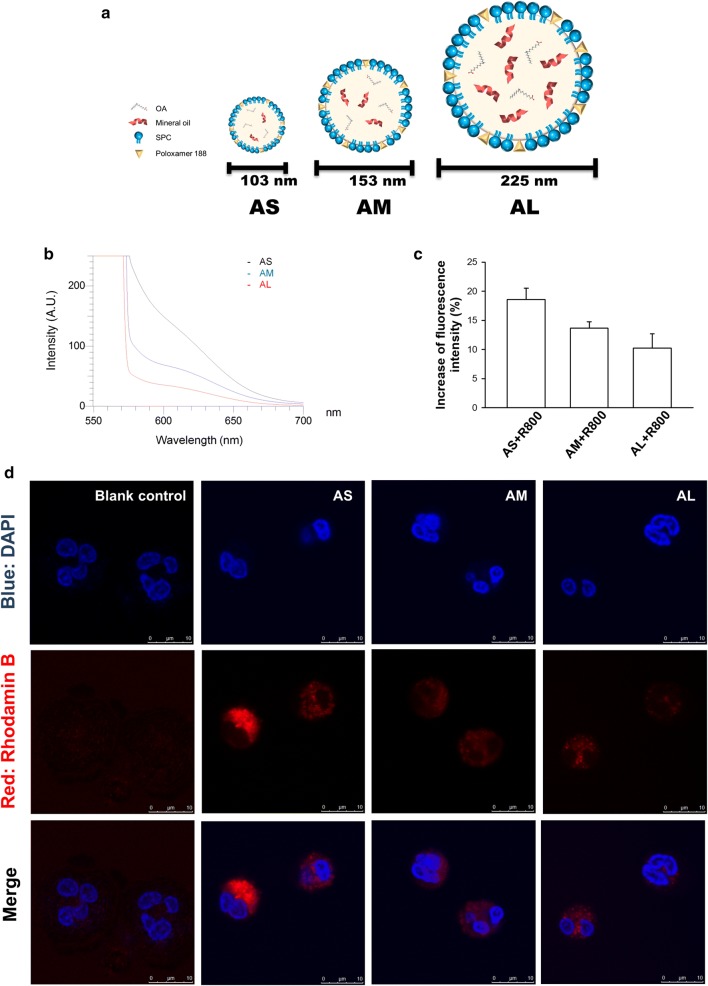
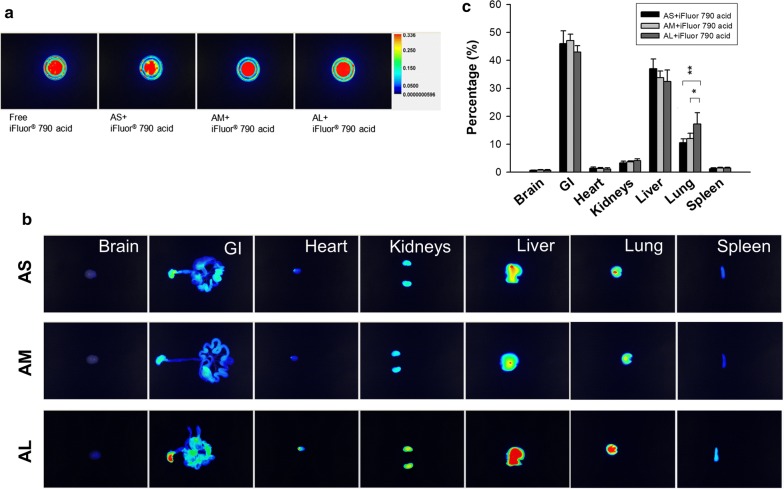
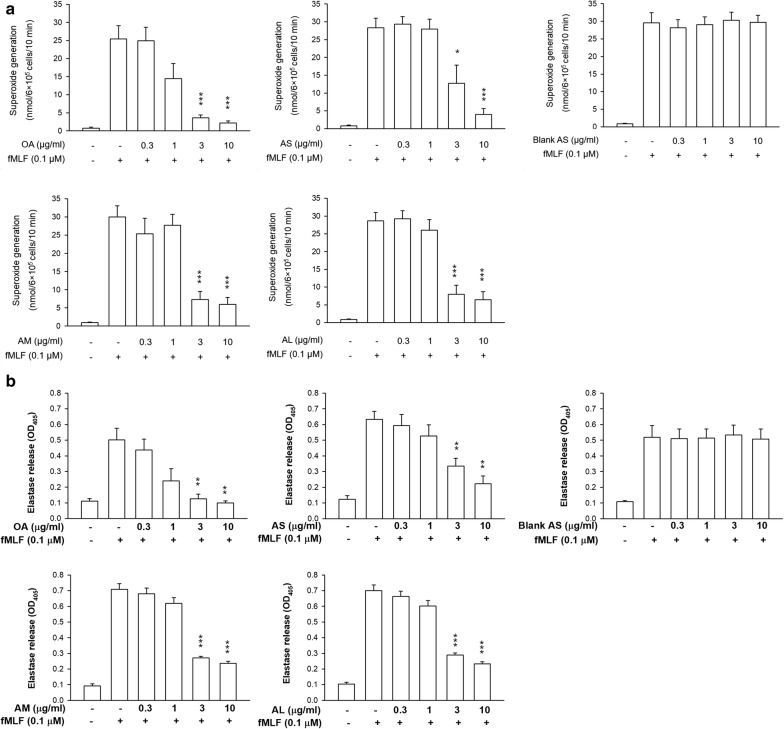
The nanoparticles were fabricated with the mean diameters of 105, 153, and 225 nm. The nanocarriers were ingested by isolated human neutrophils during a 5-min period, with the smaller sizes exhibiting greater uptake. The size reduction led to the decrease of cell viability and the intracellular calcium level. The OA-loaded nanosystems dose-dependently suppressed the superoxide anion and elastase produced by the stimulated neutrophils. The inhibition level was comparable for the nanoparticles of different sizes. In the ex vivo biodistribution study, the pulmonary accumulation of nanoparticles increased following the increase of particle size. The nanocarriers were mainly excreted by the liver and bile clearance. Mice were exposed to intratracheal lipopolysaccharide (LPS) to induce acute respiratory distress syndrome (ARDS), like lung damage. The lipid-based nanocarriers mitigated myeloperoxidase (MPO) and cytokines more effectively as compared to OA solution. The larger nanoparticles displayed greater reduction on MPO, TNF-α, and IL-6 than the smaller ones. The histology confirmed the decreased pulmonary neutrophil recruitment and lung-architecture damage after intravenous administration of larger nanoparticles.
Nanoparticulate size, an essential property governing the anti-inflammatory effect and lung-injury therapy, had different effects on activated neutrophil inhibition and in vivo therapeutic efficacy.
据报道,油酸(OA)对激活的中性粒细胞具有抗炎活性。它也是纳米粒子的重要材料,可提高稳定性和细胞内化。我们旨在评估基于 OA 的可注射纳米粒子治疗肺损伤的抗炎活性。制备了不同大小的纳米载体,以探讨纳米颗粒大小对炎症抑制的影响。
纳米载体的平均直径分别为 105、153 和 225nm。纳米载体在 5 分钟内被分离的人中性粒细胞摄取,较小的尺寸表现出更大的摄取量。尺寸减小导致细胞活力和细胞内钙水平降低。载 OA 的纳米系统剂量依赖性地抑制刺激中性粒细胞产生的超氧阴离子和弹性蛋白酶。不同大小的纳米粒子的抑制水平相当。在离体生物分布研究中,随着颗粒尺寸的增加,纳米载体在肺部的积累增加。纳米载体主要通过肝脏和胆汁清除排泄。用气管内脂多糖(LPS)处理小鼠诱导急性呼吸窘迫综合征(ARDS),如肺损伤。与 OA 溶液相比,脂质纳米载体更有效地减轻髓过氧化物酶(MPO)和细胞因子。与较小的纳米粒子相比,较大的纳米粒子对 MPO、TNF-α 和 IL-6 的降低作用更大。组织学证实,较大的纳米粒子静脉给药后,肺中性粒细胞募集和肺结构损伤减少。
纳米颗粒大小是控制抗炎作用和肺损伤治疗的重要性质,对激活的中性粒细胞抑制和体内治疗效果有不同的影响。